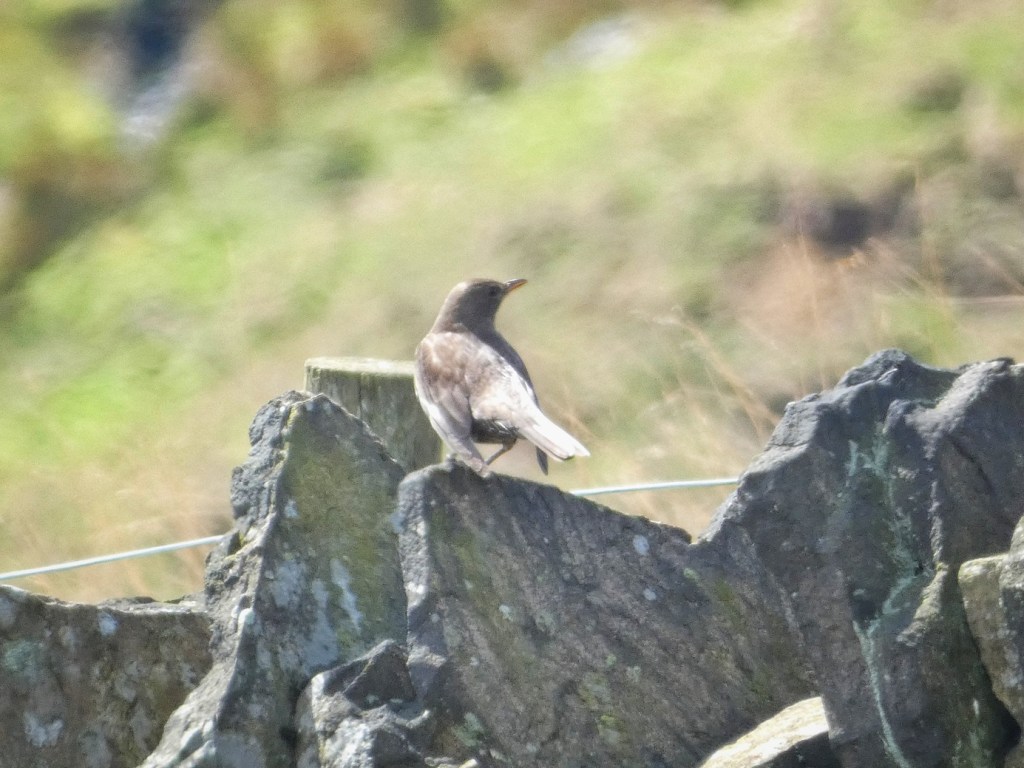
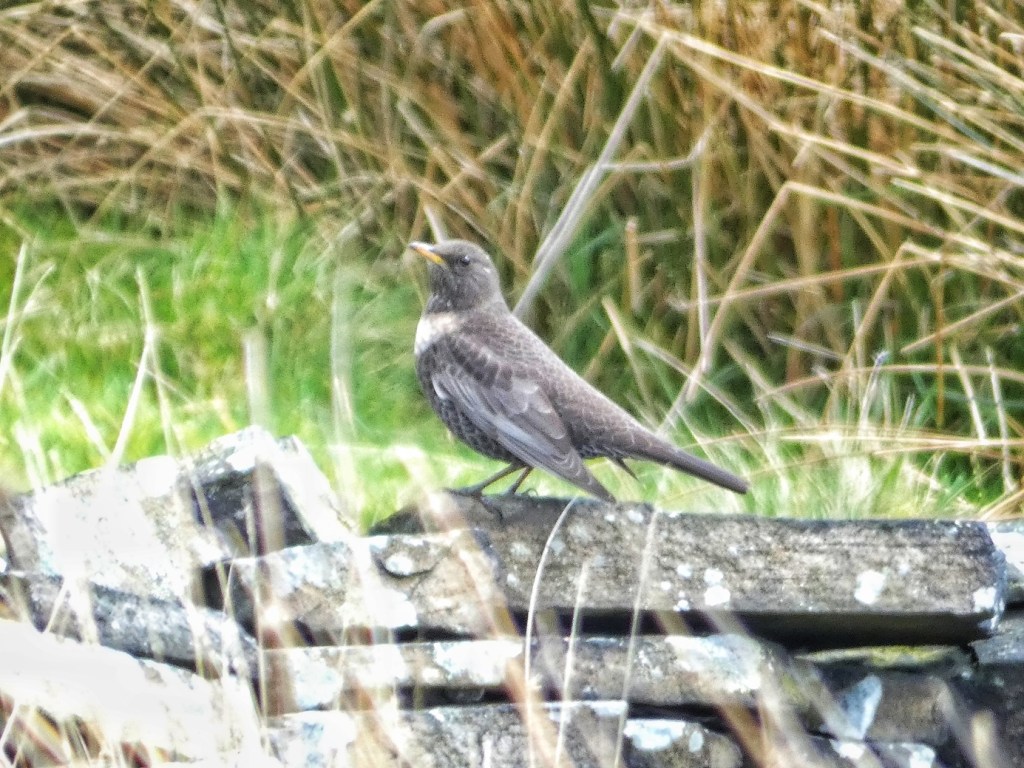
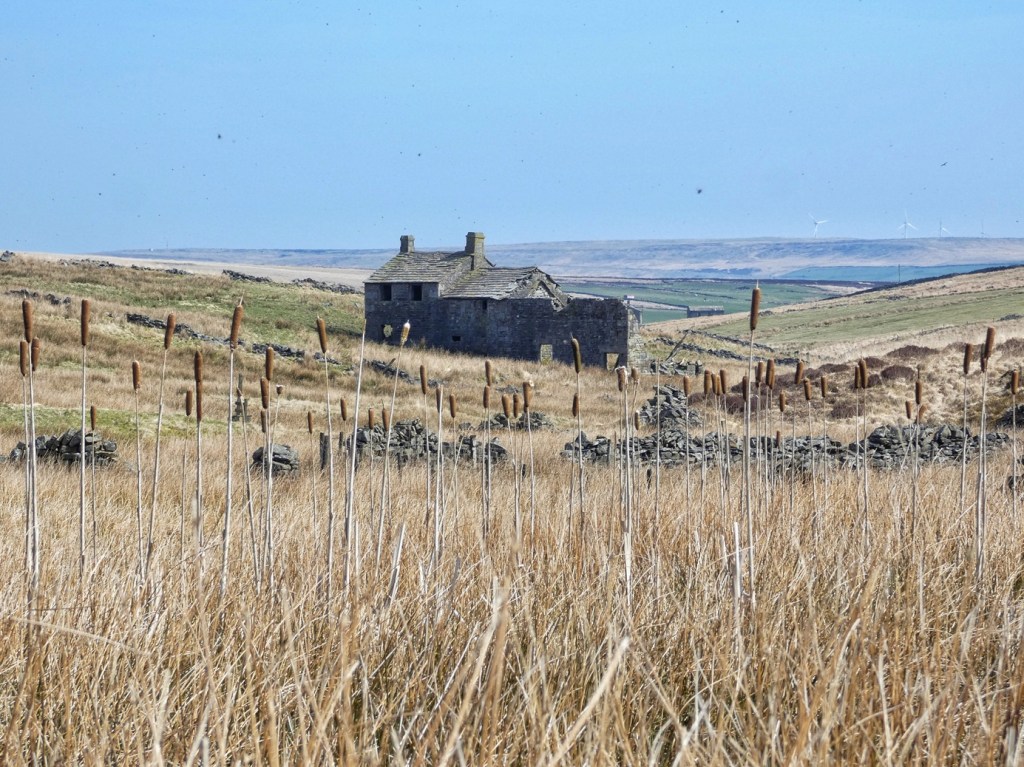
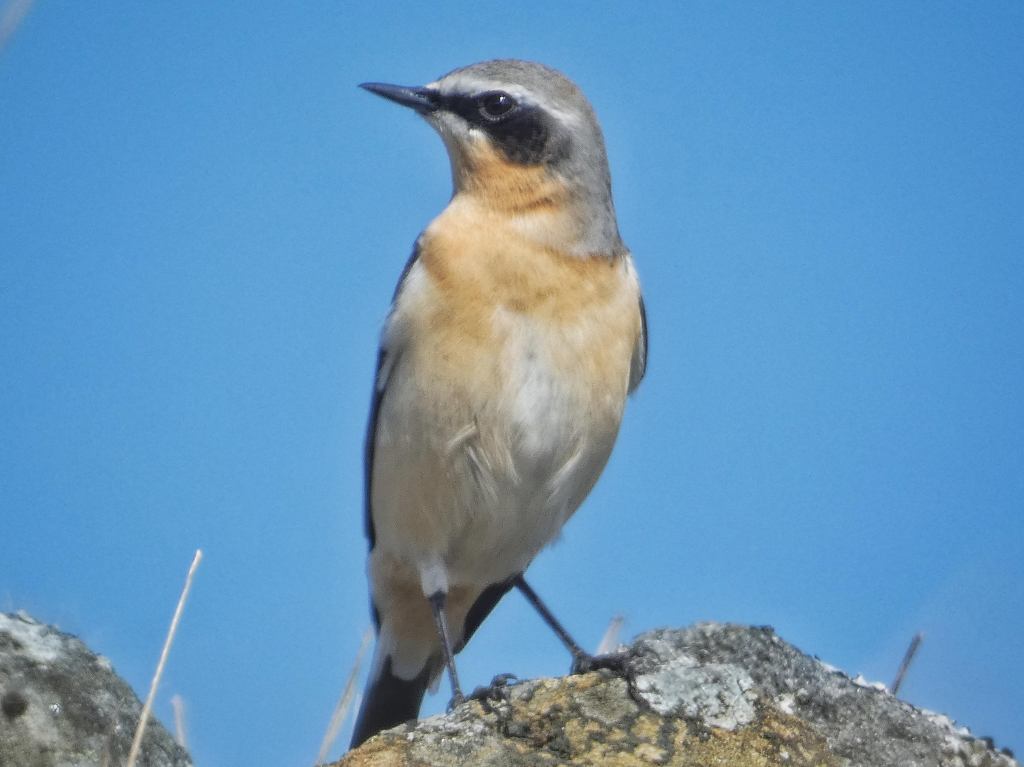
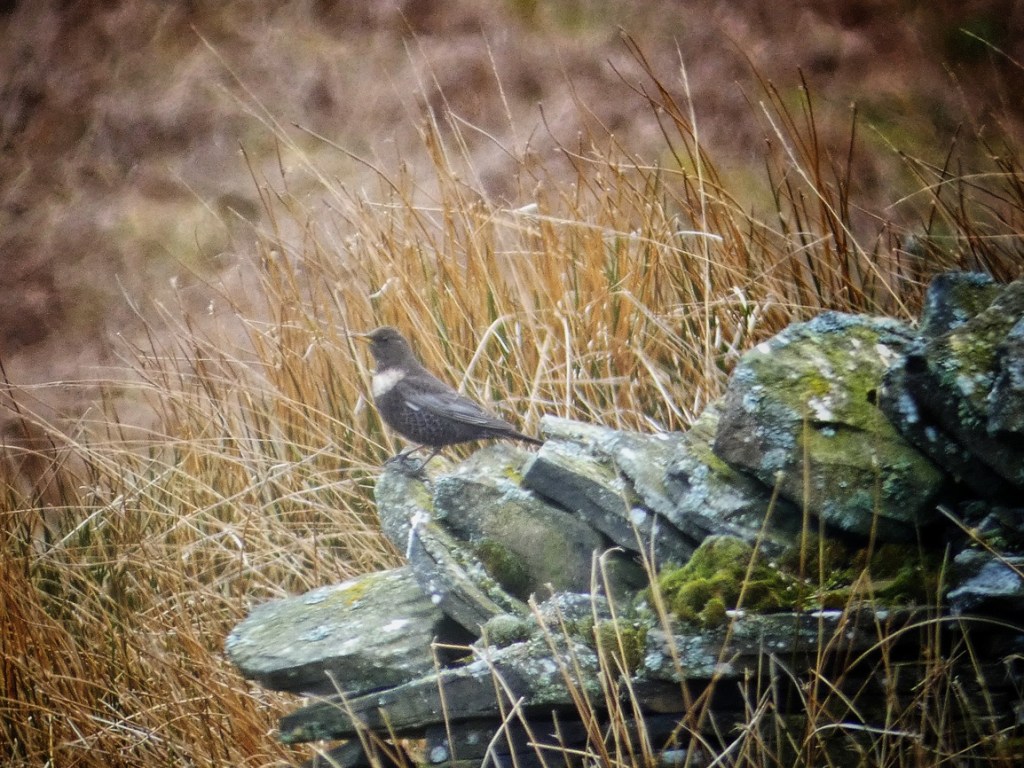
Her sleek chocolate plumage catches the sun. Perched on the coping stones of the broken down wall, she wavers in the heat haze rising from the south-facing slope. Her stuttering call carries across the long-abandoned pastures.
It was six years ago, during lockdown, that we last tried to see a ring ouzel. But when we reached Staups Moor, where one had been reported, it was either gone, or hiding. We were not sure whether would be too late to this new site, at Deanhead, for they had been there for some weeks on their stop-off from Africa, and are due to be moving on further north, perhaps to Scandinavia, any day now. But here one was, and our wait to see this remarkable thrush – sometimes called the mountain blackbird – was over.
A few minutes later the male appears, dapper beside her: black plumage, bright white bib. We delight in them for the next hour, as the pair move through the old landscape – flitting from walltop to walltop, onto small outcrops of quarry spoil, then across to the fallen stones Head Green. This place, so easily seen through human eyes as forsaken, is, for others, a haven.
A Month in the Valley
April swung wildly, as it is wont to do, between bitter winds worthy of winter, drenching showers and the shimmer of heat haze over moorland horizons. But each day, there have been the unmistakable signs of the season turning: light lingering later, the greening of fields and unfurling of buds, and the steady arrival of migrant birds reclaiming their territories from valley-side coppice to moorland plateaux.
Wainsgate SPRING | One morning at the end of March, at ten to five, I gathered a hushed group in the graveyard of Wainsgate Chapel to listen to the dawn chorus. It was a blustery, chilly morning, but the birds were undeterred, if a little muted compared to the dry run I had had a few days before. Blackbirds, robins, wrens, song thrush and many others layered their songs as the light grew. It was a fitting way to begin the Wainsgate SPRING day. The handover of the 165-year-old building from the Historic Chapels Trust to its new local trustees was marked by the planting of a tree and a poem read by Amanda Dalton. Later, I led a Springwatch walk across the high pastures and up to the moorland edge. Even though the keen wind failed to have even a touch of spring warmth within it, the fields and lanes offered plenty of signs that the year was moving forward – the returned curlews, daffodils nodding in the breeze under the walls, larch needles emerging, a pair of hares among the rushes. There was a wonderful sense of community at the chapel all day, with music, food, crafts and conversations, just as there has been here for the nearly three centuries a chapel has drawn its congregations here.
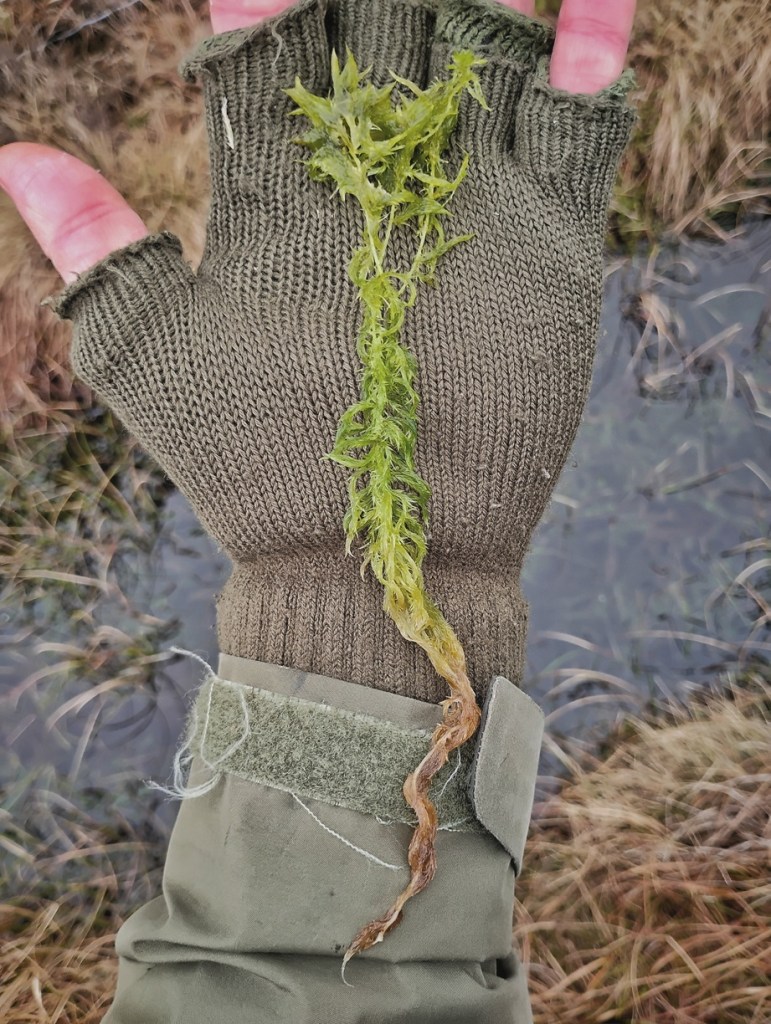
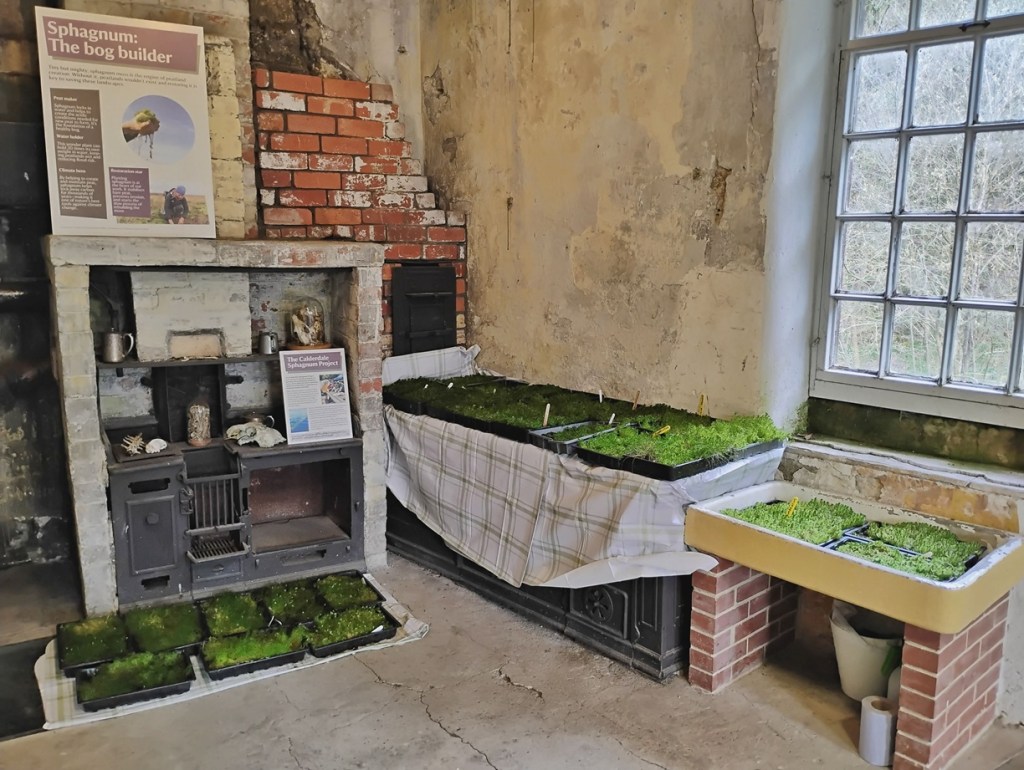
Sphagnum Moss | I took another opportunity this month to learn from bryologist Johnny Turner, who led a field workshop exploring sphagnum mosses, beginning along the dam wall of the breached 19th-century Redmires Dam before venturing onto the quaking bog of Stansfield Moor. We encountered, I think, eight different species – Sphagnums (or perhaps Sphagna) fimbriatum, quinquefarium, flexuosum, cuspidatum, capillifolium, papillosum, auriculatum and subnitens. It was a glimpse – with the help of a hand lens and Johnny’s extraordinary expertise – into the bewildering diversity of these magnificent mosses.
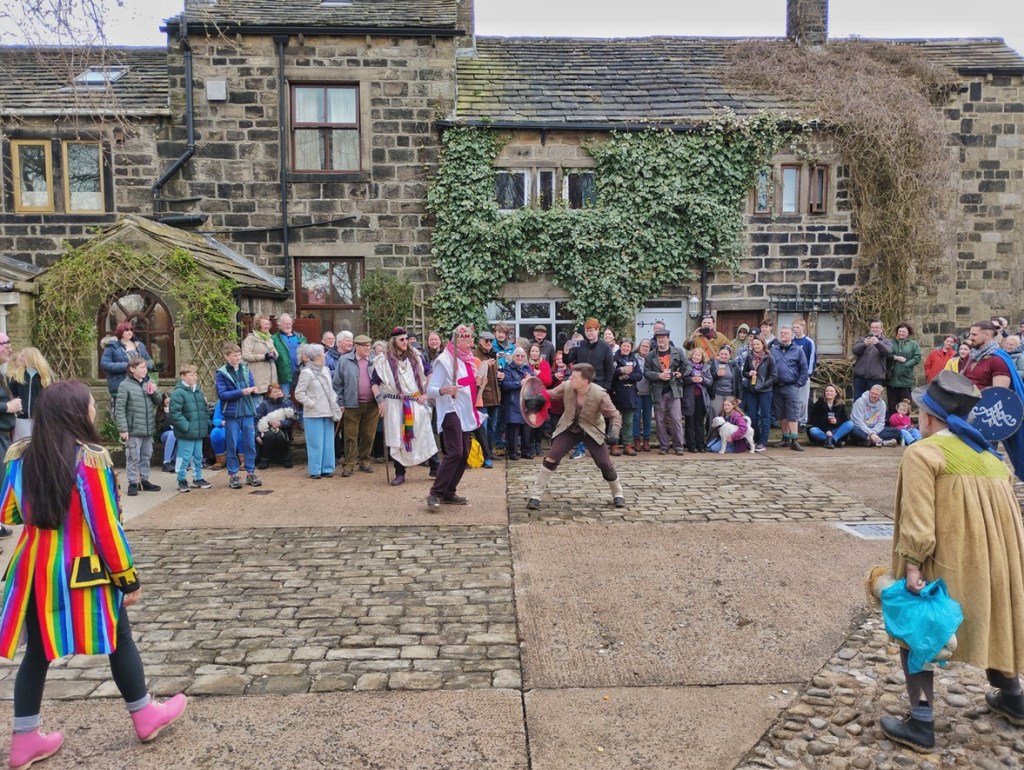
Pace Egg Play | We gathered with friends once again in Weavers Square, beside the ruined 12th-century St Thomas a’Becket church, to watch this strange and wonderful custom unfold in that ancient arena. St George and Bold Slasher, Hector and the King of Egypt, Tosspot and the Doctor – the crowds know their every line in the sacred script, but the lobbing of liquorice allsorts at the Doctor gets more enthusiastic every year.
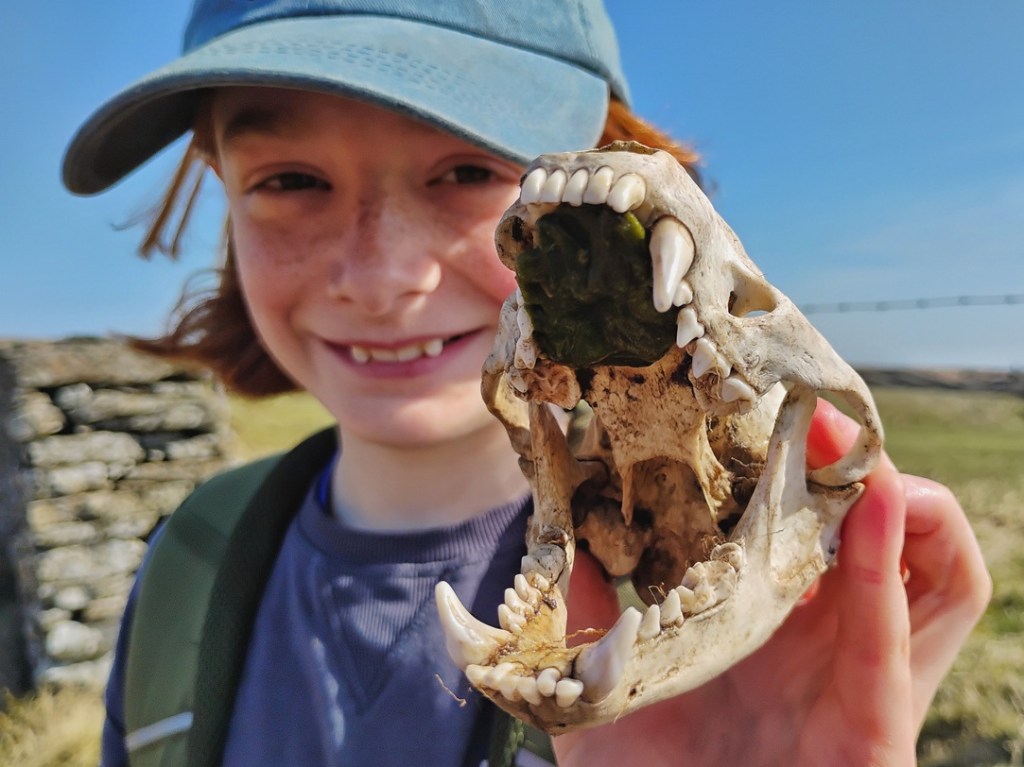
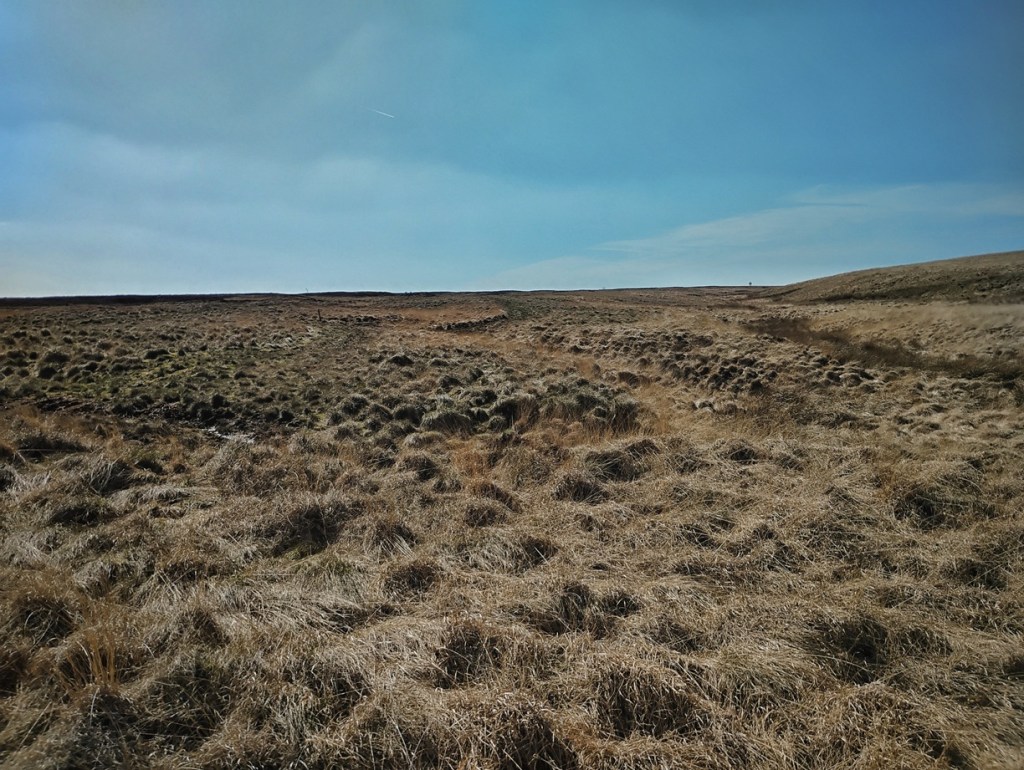
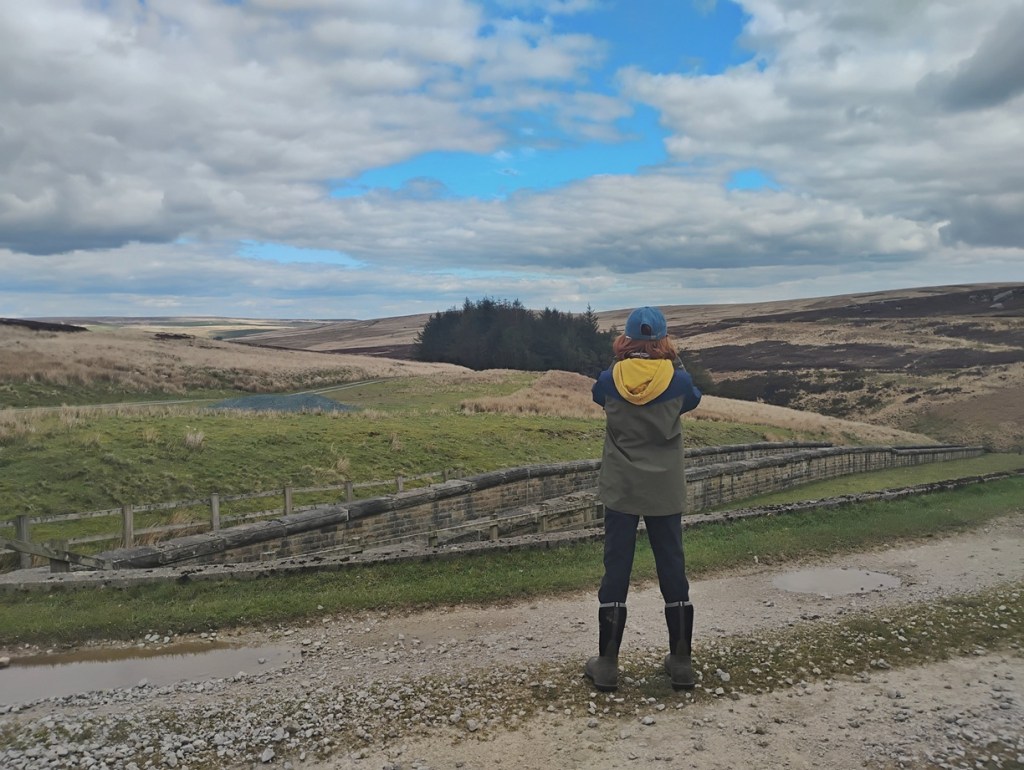
Intake | One of the most memorable days of the month came on a long spring walk around the head of the Colden Valley, following the continuous line of intake walls that separate the enclosed pastures from the open moor. These walls trace a striking, significant threshold across the landscape – the meeting line between cultivation and the wilder upland plateaux beyond. Together with my son and our friends Tom and Mel, on the brightest, warmest day of the year so far, we wound along this boundary for seven miles, skylarks singing overhead and wide views opening under endless skies.
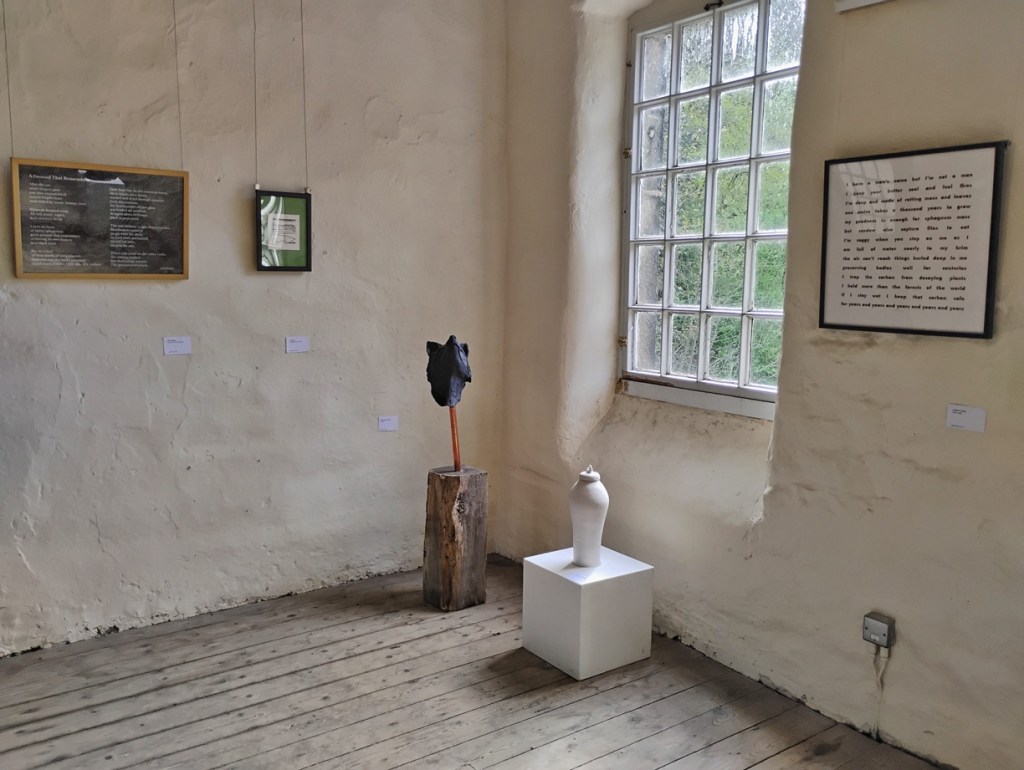
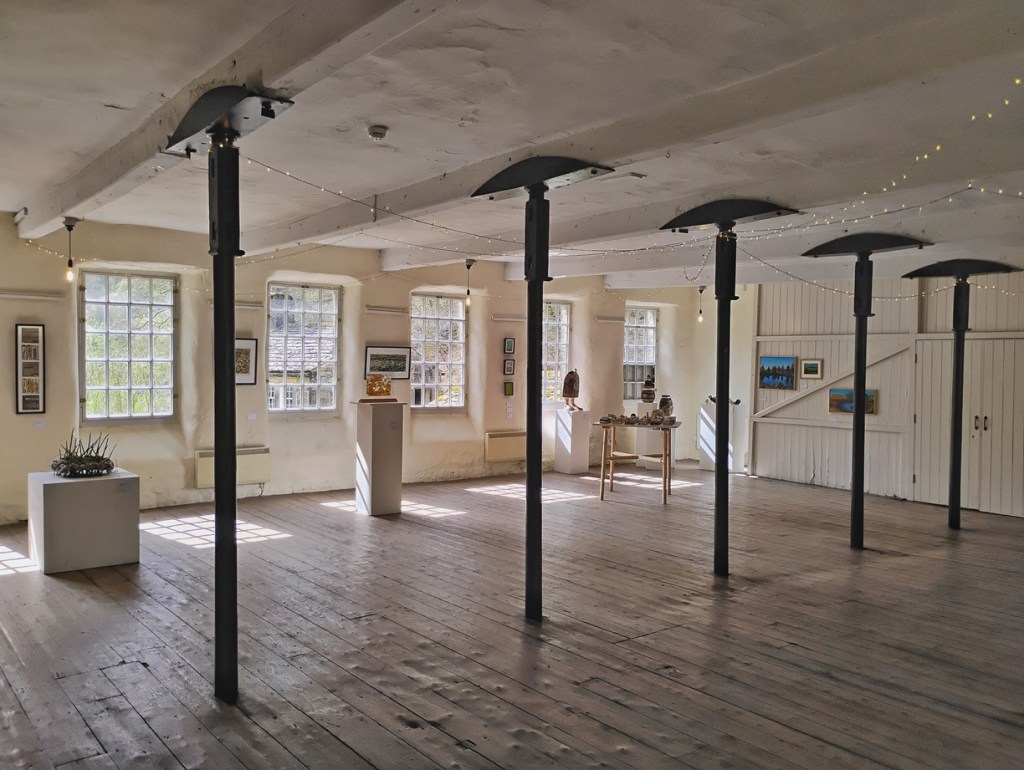
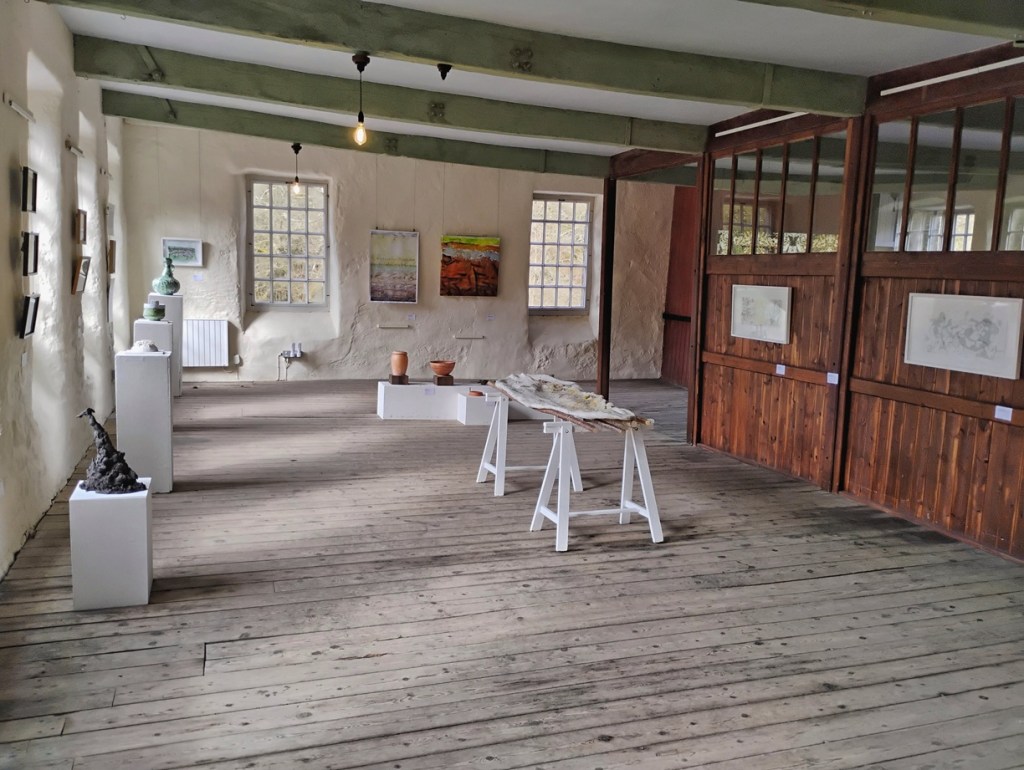
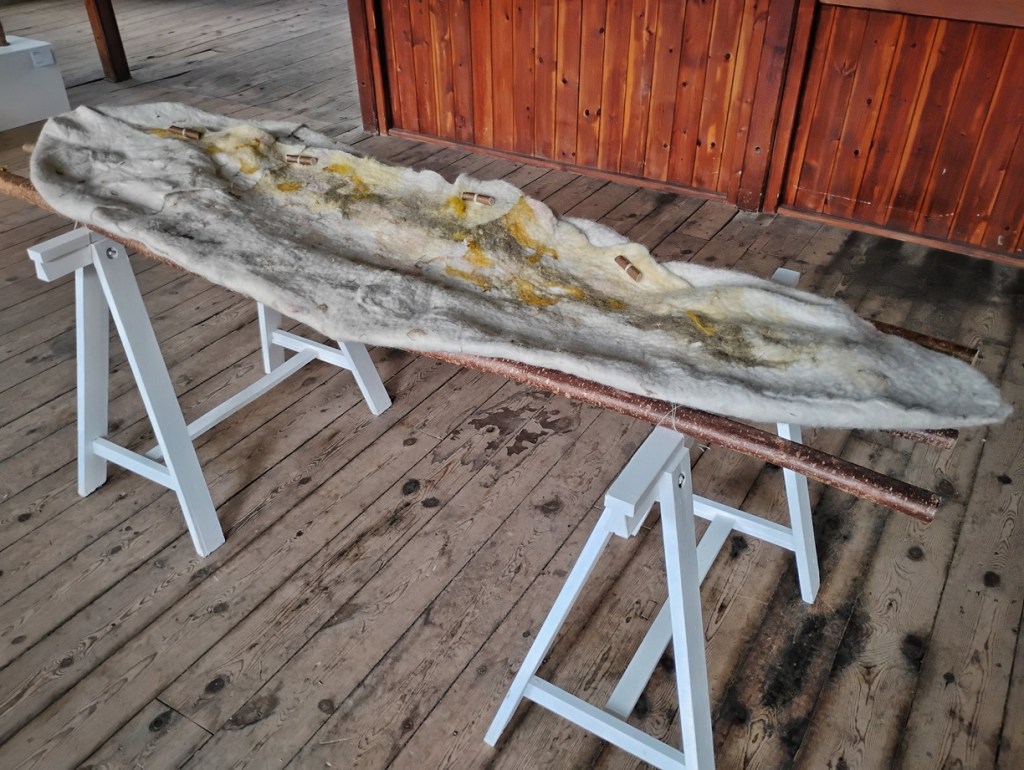
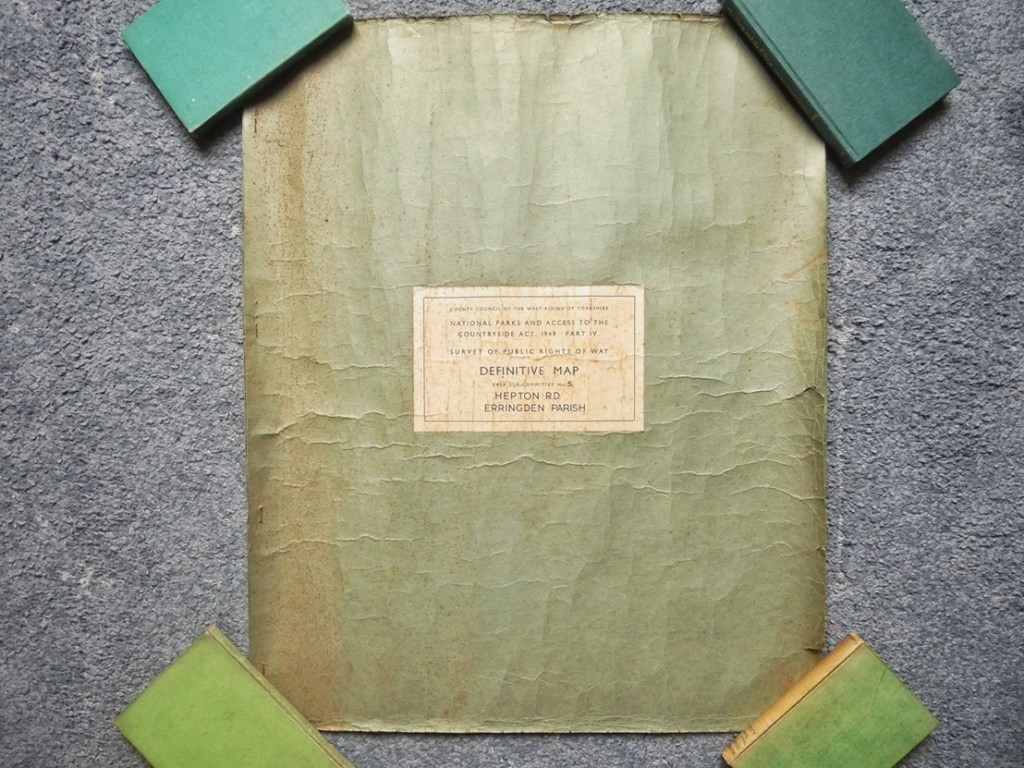
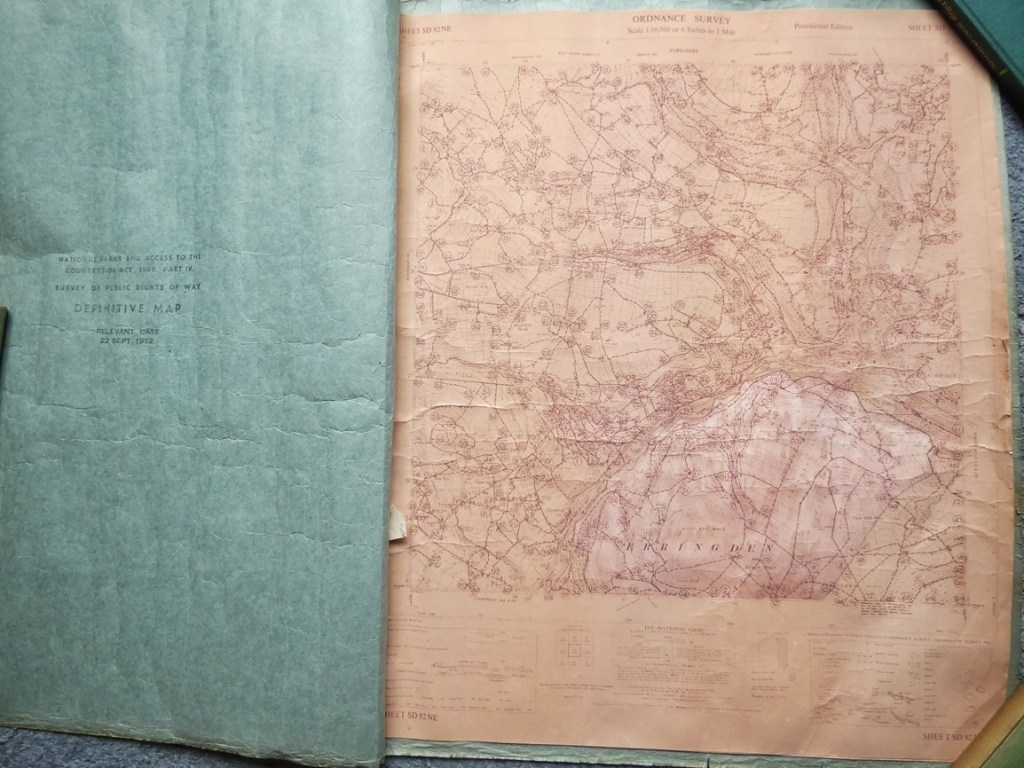
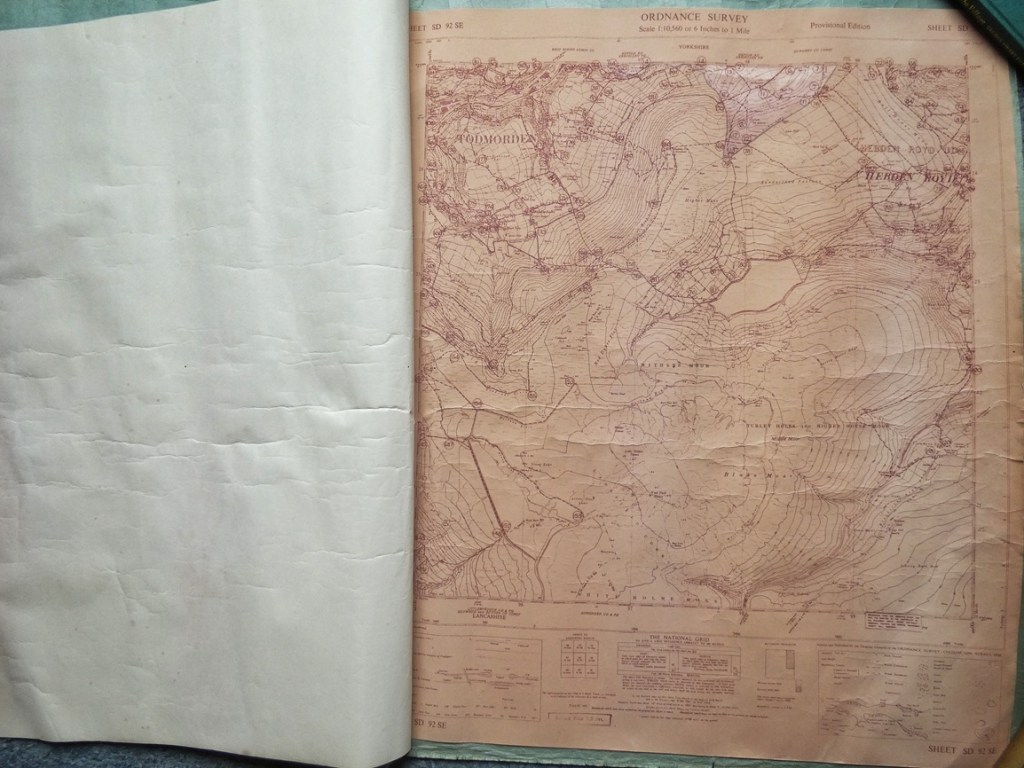
Gatherings | Other small moments filled out the month: a visit to Old House Farm with friends, where the children got to bottle-feed lambs and kids, and feed the pigs and chickens, while I talked to police officers-turned-farmers Emma and Gavin about their new life on the land; a couple of quiet Monday mornings invigilating the Peat Appreciation Society exhibition at Gibson Mill and taking time to absorb the remarkable range of work on display; an evening at Hebden Bridge Town Hall for a screening of the People’s Emergency Briefing, which lays out the stark realities of the climate and biodiversity crisis, followed by reflecting on it together with others from the community; evening cycles in Crimsworth Dean, Erringden and to the Bridestones; finding green shoots on the stump of the weeping willow, felled last year, beside the packhorse bridge in the centre of town; a walk with a friend to a ruined farm, and the sharing of two wonderful poems; hearing the hollers from the woods behind our house, as our son spent three days at Forest School during the Easter holidays; the mesmerising roiling of birch sap as a neighbour boiled it down over a fire in her garden to a bronzed, toffee-flavoured syrup, and watching its precious sweetness distributed to a queue of children on a little silver spoon; gathering with the High Hirst volunteers to sharpen tools in preparation for the coming season of work; the vibrato of a drumming snipe, diving again and again over the jagged antlers of a roe buck; watching the neighbourhood children dash about the village green on the Easter egg hunt; morning walks up through greening woods to the lip of the valley for wide views and bright air; a gentle walk on a glorious evening around our local patch with the friendly Hebden Bridge Birders; and being generously lent old maps and ancient deeds by neighbours and new acquaintances.
New Writing
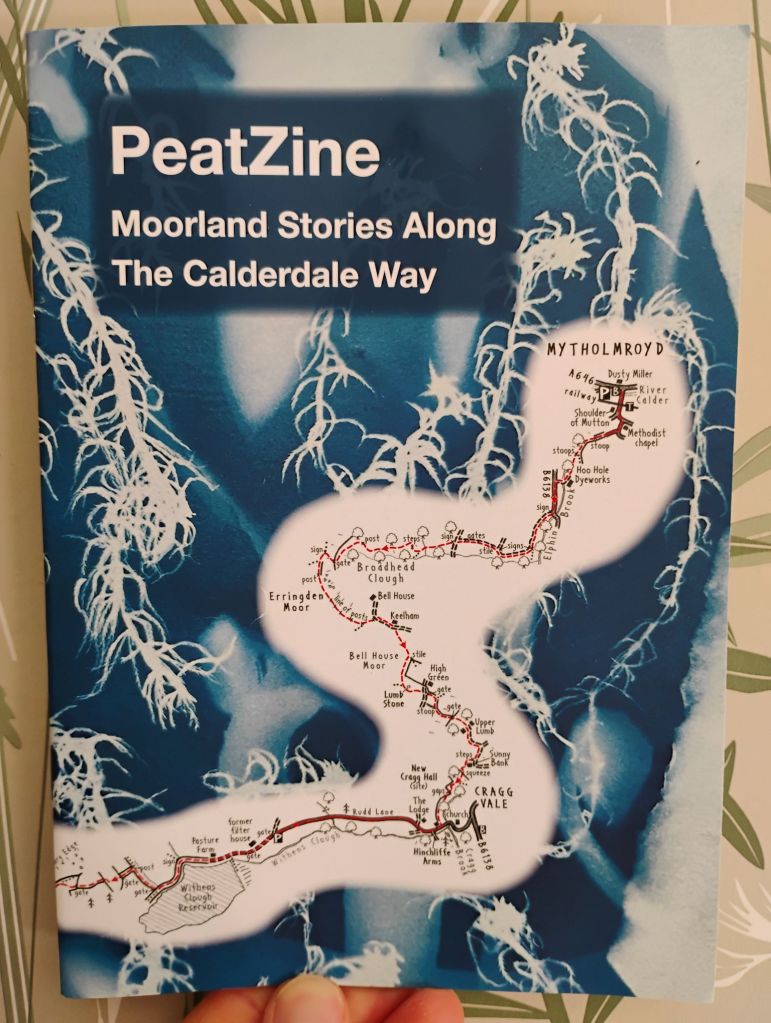
PeatZine | The PeatZine project has reached its conclusion with the publication of the zine itself, bringing together the various strands of work, including the piece of writing I developed from the heritage gatherings, alongside the poems, artworks and maps created by the various other workshops and groups involved. The zine is available from a number of outlets (full list here) across the valley for £4. It has been an absolute pleasure working with sound recordist Jo Kennedy, poet Sally Baker, illustrator and naturalist Mel Davie, artist Sheila Tilmouth, cartographer Christopher Goddard, illustrator Lou Crosby and ceramicist and project lead Katie Bates. We’re ever so pleased with the finished product.
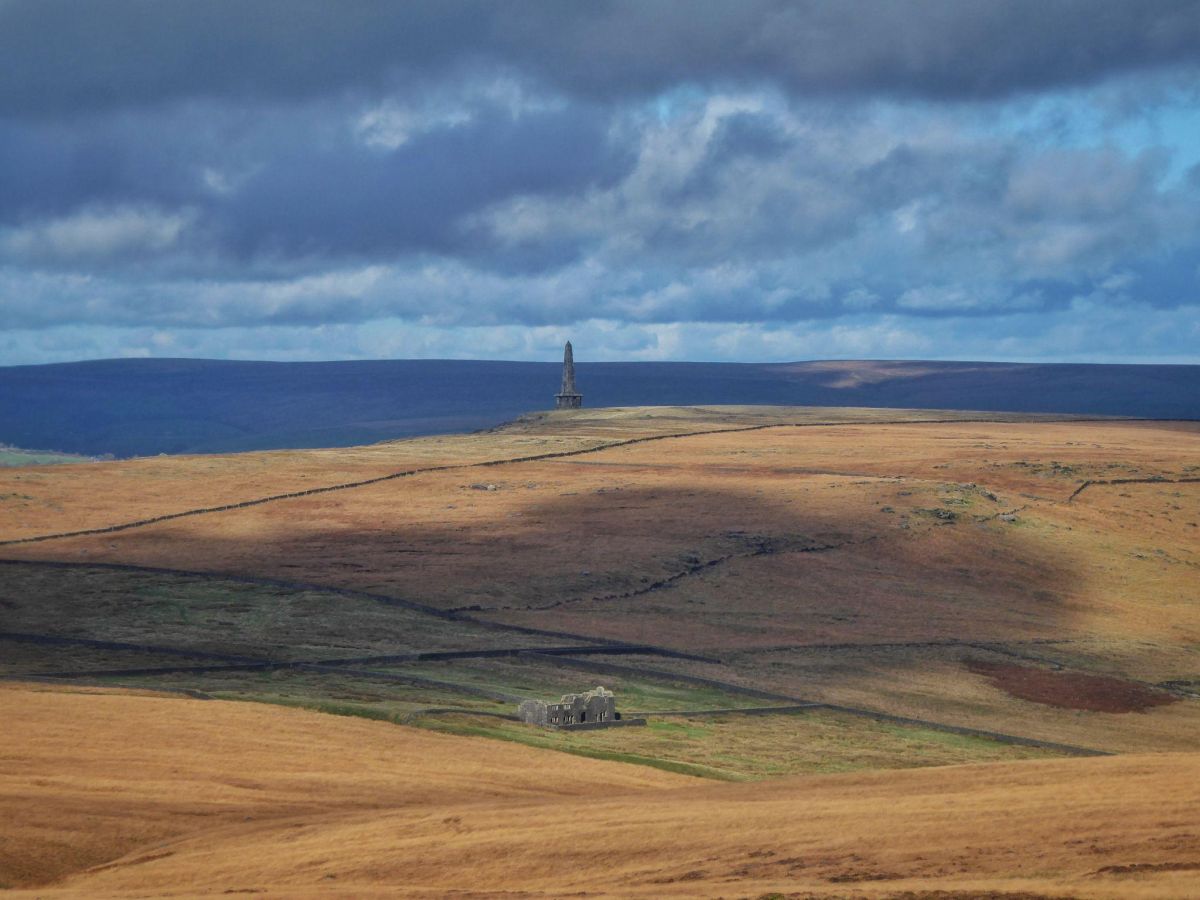
Moor Stories | From out of the PeatZine heritage gatherings, I wrote a 30,000-word history of Langfield Common, Erringden Moor, and Turley Holes and Higher House Moor. Drawing together material from across the sweep of the landscape’s past – from its geological formation to the present day – the piece ranges widely across the many ways people have encountered and used these upland spaces. Along the way it explores archaeology, enclosure and early farming, moorland common rights, packhorse crossings and corpesways, quarrying and reservoirs, folklore, shooting and natural history, walking and conservation. The article is supported by 135 footnotes, with a bibliography drawing on 44 books and 82 newspaper articles, representing the most extensive single piece of research I’ve carried out on the valley so far.
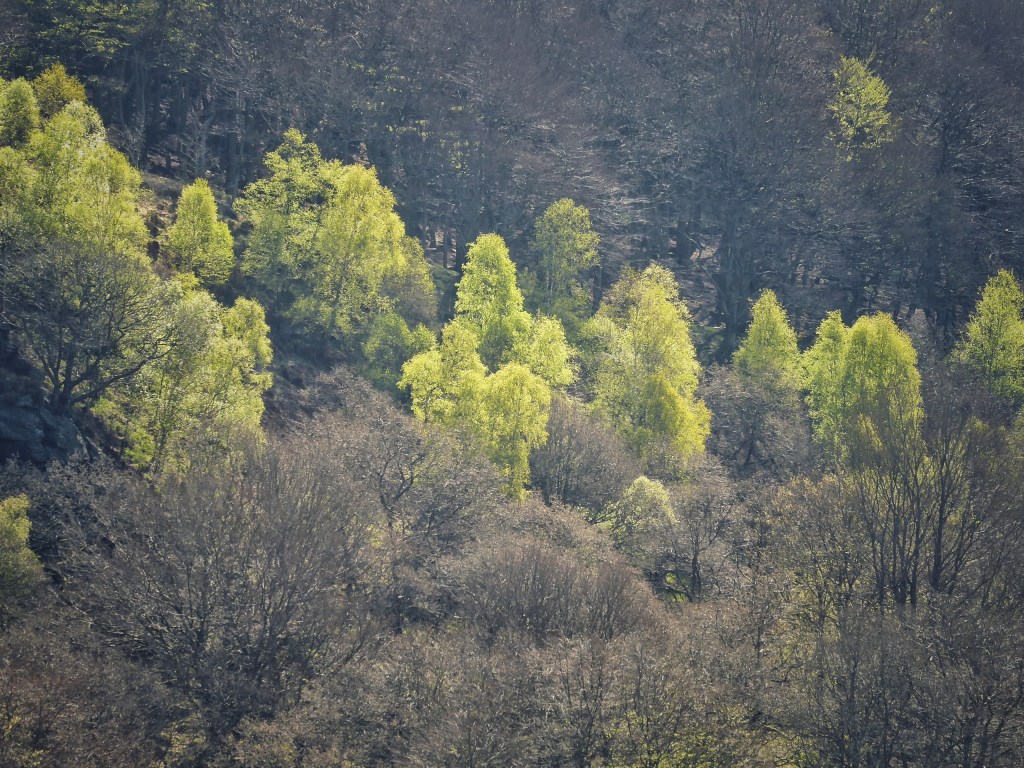
Spring in the Calder Valley | I wrote a little piece for an exhibition curated by the artist Jo Gorner for Wainsgate SPRING. Here’s an extract:
Late March is a moment of balance in the valley. Winter may not have entirely gone, but the signs of the new season are unmistakable – birds returning, flowers opening, insects stirring, and the land itself preparing for the great surge of growth that will soon follow.
You can read the full piece here:
Work in Progress
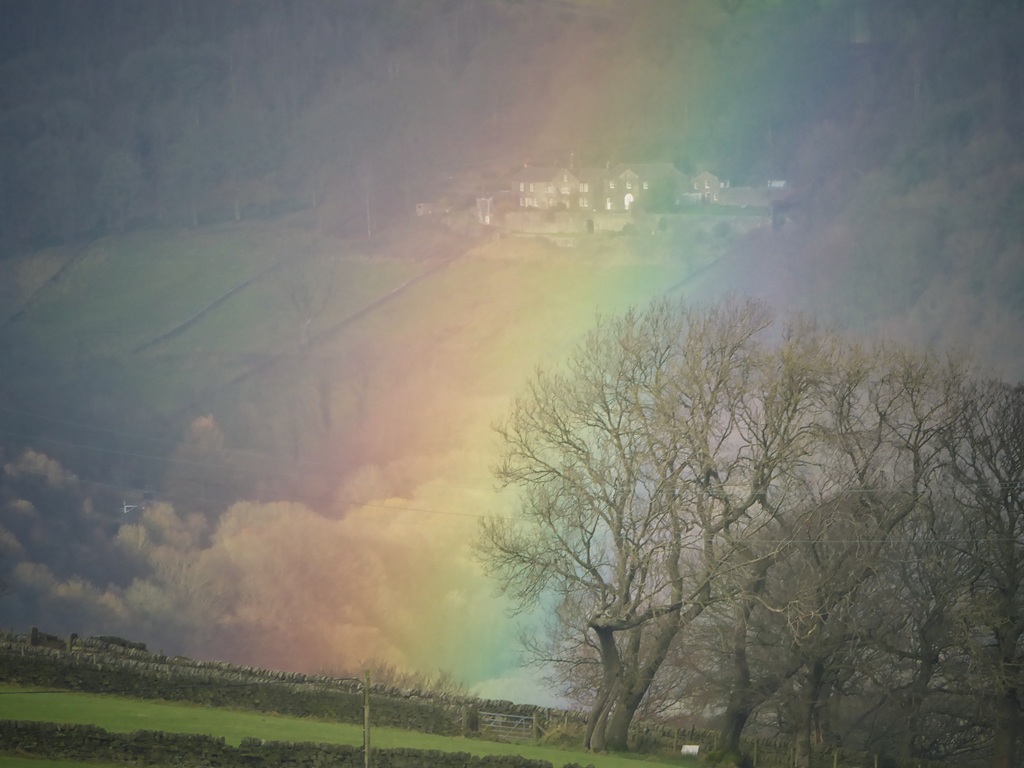
Heritage Detective | I was pleased to hear recently that a small project proposal of mine has been selected as one of four ‘Heritage Detective’ micro-commissions at Lumb Bank. The call invited artists, facilitators and historians to explore some aspect of the site’s rich and layered past.
My project will look at the natural heritage of Lumb Bank and the surrounding Colden Clough as a form of living history: an ecology shaped over centuries by farming, industry, water management and, more recently, conservation. Working with the wonderful Friends of Colden Clough, the project will involve two walking workshops exploring how today’s biodiversity reflects those earlier landscape changes, and will culminate in a public walk sharing some of what we discover.
There are four Heritage Detective projects in total, so I’m very much looking forward to seeing what the others uncover as their work develops.
From the Archive
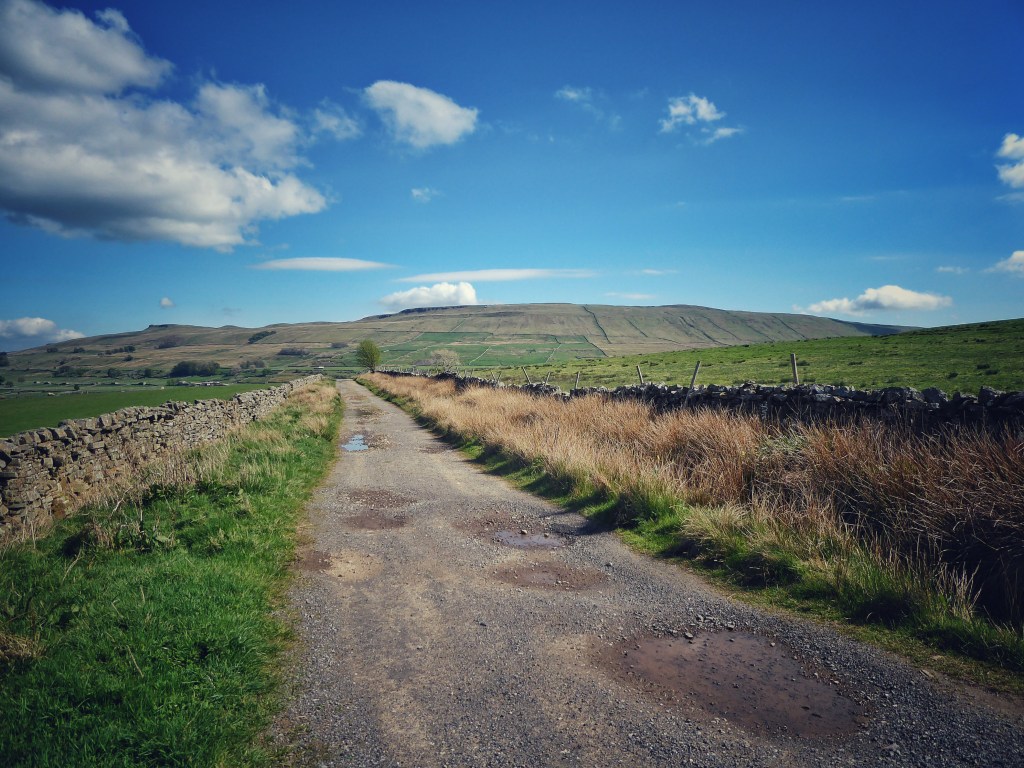
Bands Lane, Wensleydale | My recent reading of Marie Hartley and Joan Ingilby’s Fifty Years in the Yorkshire Dales, together with the happy prospect of a family holiday in the Dales later this year, reminded me of a short piece I wrote some years ago about an April wander in Wensleydale. It appears in the Gleanings collection of side-paths and standalone reflections that sit outside my main series. Here’s a short passage:
‘The dry stone walls that guide the wide, unmade Bands Lane up onto the outstretched paw of Dodd Fell were undoubtedly once upright and true, but now list and sag under their weight of winters and winds, as slumped as their makers must have been after a lifetime of walling. But for all the tilt and slip of the strata of their throughstones, after two centuries they stand yet, still shepherding the lane between them, and on either side, the descendents of the Swaledale sheep they were first built to pasture.’
Read the full piece here:
Country Viewing
My watching this month has circled around landscape in various ways:
Michael Palin Meets Jan Morris | A 2016 episode of Artsnight in which Michael Palin visits the legendary travel writer Jan Morris at her lifelong home in rural north Wales – recalling her remarkable life, from being the journalist on the successful 1953 expedition to climb Mount Everest to writing some of the most distinctive travel books of the 20th century.
The Last Shepherds | A quietly moving 2004 Tyne Tees documentary following Northumberland hill shepherds tending their flocks on the Cheviot Hills and preserving skills and customs that, even then, were close to vanishing.
The Ascent of Man | ‘The Harvest of the Seasons’, the second episode of the BBC’s landmark 1973 commission, in which Jacob Bronowski reflects on humanity’s shift from nomadic life to settled agriculture.
Middlemarch | the BBC’s magnificent 1994 adaptation of one of my favourite books of English provincial life.
And with my son:
Edwardian Farm | The April episode of the year-long, 12-part 2010 BBC documentary, in which droving cattle, smoking fish, seashore foraging and traditional crafts bring the rhythms of rural life in the 1910s vividly back to life.
The Wind in the Willows | An episode of the 1984 Cosgrove Hall/Thames Television series, whose gentle stop-motion vision of riverbank England remains as charming as ever.
Upcoming Events
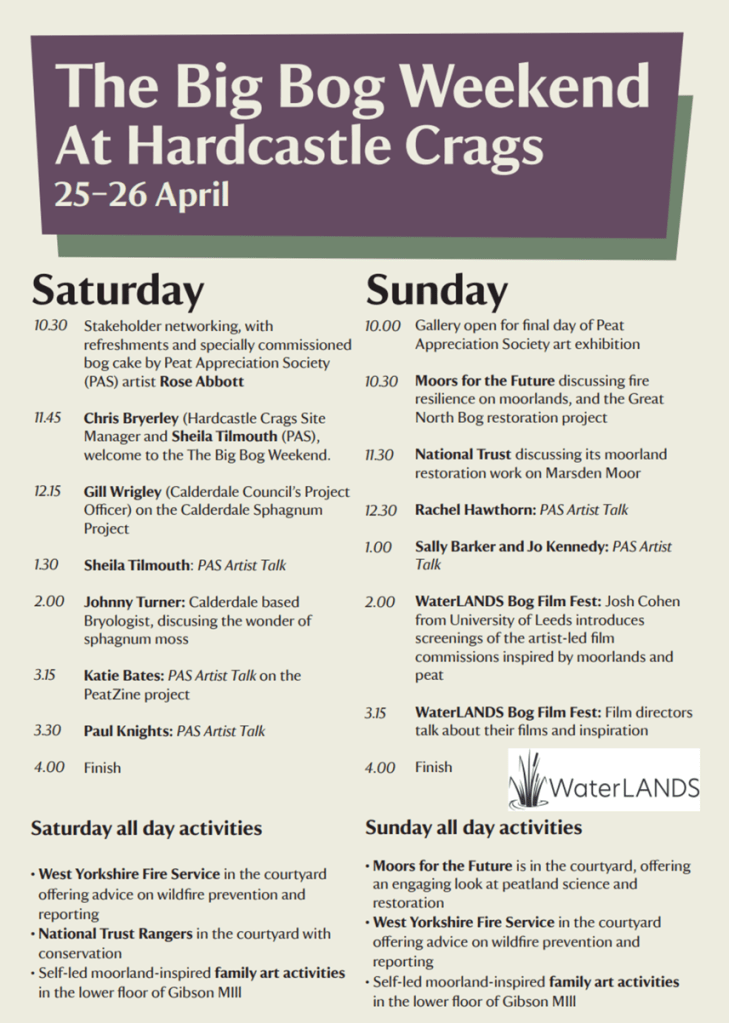
Big Bog Weekend | At Gibson Mill in Hardcastle Crags, the Big Bog Weekend (25th–26th April) brings together artists, scientists and conservationists for two days celebrating peatlands and moorland ecology. Visitors can enjoy talks, films, demonstrations, creative workshops and family activities, alongside opportunities to meet artists involved in the Peat Appreciation Society exhibition, that the weekend will bring to a close. Highlights include sessions with bryologist Johnny Turner, discussions of sphagnum restoration, talks on peatland science and moorland conservation, and screenings from the WaterLANDS Bog Film Fest. On the Saturday afternoon, Katie Bates will launch the PeatZine at 3.15, followed at 3.30 by a short talk from me about my poem in the exhibition, A Ground That Remembers. The piece reflects on the long history of peatlands and the communities who relied on them for fuel, exploring how the moor itself preserves the memory of natural processes, environmental change and past human use.
The Hills | On Saturday 25 April (4–5pm), St Mary’s Church in Todmorden hosts The Hills, a charity concert by the Hepton Singers, directed by Richard Bunzl, in aid of Music for the Many and Todmorden Food Bank. The programme explores musical responses to landscape and nature, ranging from the pastoral lyricism of Edward Elgar and Ralph Vaughan Williams to Clara Schumann’s evocation of bells echoing between sea and heaven. The concert also includes Philip Glass’s setting of Leonard Cohen’s There Are Some Men and John Ireland’s majestic motet The Hills. Entry is by donation.
Calderdale Energy Park Consultation | The statutory consultation for the proposed Calderdale Energy Park is currently underway, running from 8th April to 10th June. The consultation presents updated plans for the project alongside technical information about its potential environmental effects, including a Preliminary Environmental Information Report setting out findings from environmental assessments. Local residents have an opportunity to review the proposals and submit feedback before the final plans are prepared for submission later this year. A number of drop-in events are being held across the area, including one at Hebden Bridge Town Hall on Tuesday 21st April (1–7pm), as well as an online webinar on Thursday 14th May (6.30–8pm). Those wishing to explore the proposals in detail will find extensive material available on the project website – well over 200 documents – and some local groups campaigning against the proposal have been analysing them and summarising key points for the wider community: https://saverestorewalshawmoor.wordpress.com/2026/03/27/calderdale-energy-park-statutory-consultation-update-page/
Thank you for reading and following along with these dispatches from the valley. If you come across anything in the landscape – an event, a project or a story – that you think might be worth sharing, do feel free to get in touch.
Until next month,
Paul.