So here we are, my boy – your days at primary school are coming to an end, and so too is the school run through the woods. I knew it would come, but I still can’t quite believe it. It’s something all parents say, but it’s true: that it seems only yesterday that we set off on our first ever walk to school, you with your brand new Tractor Ted rucksack and Star Wars lunch box. You held my hand all the way those first days.
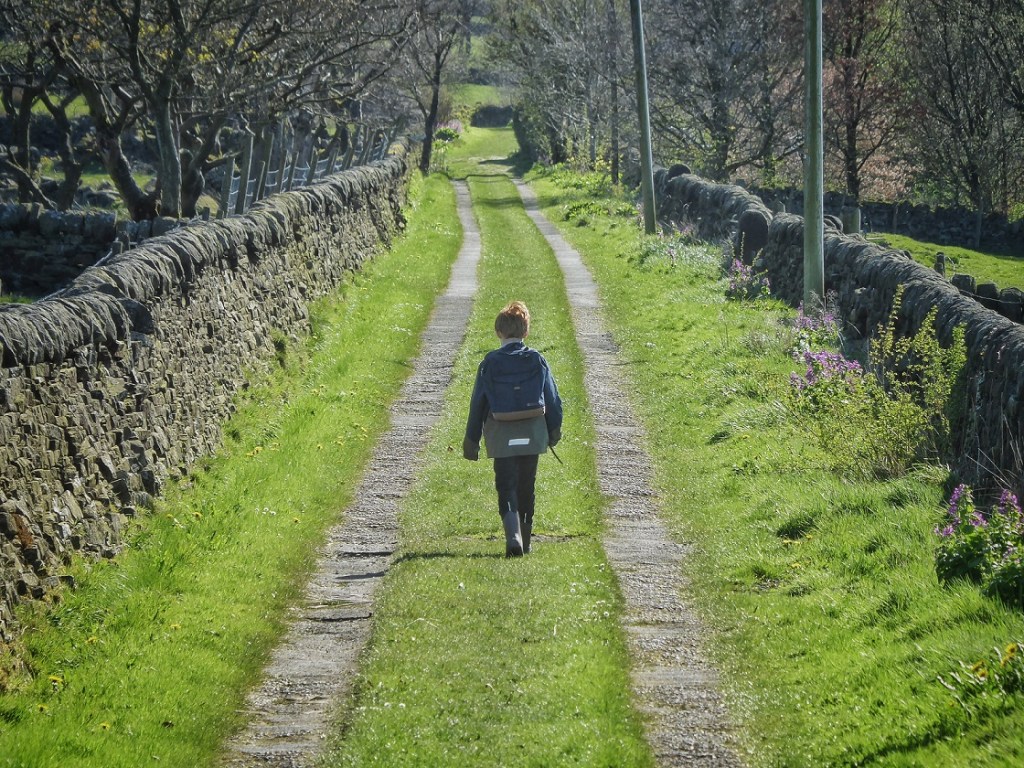
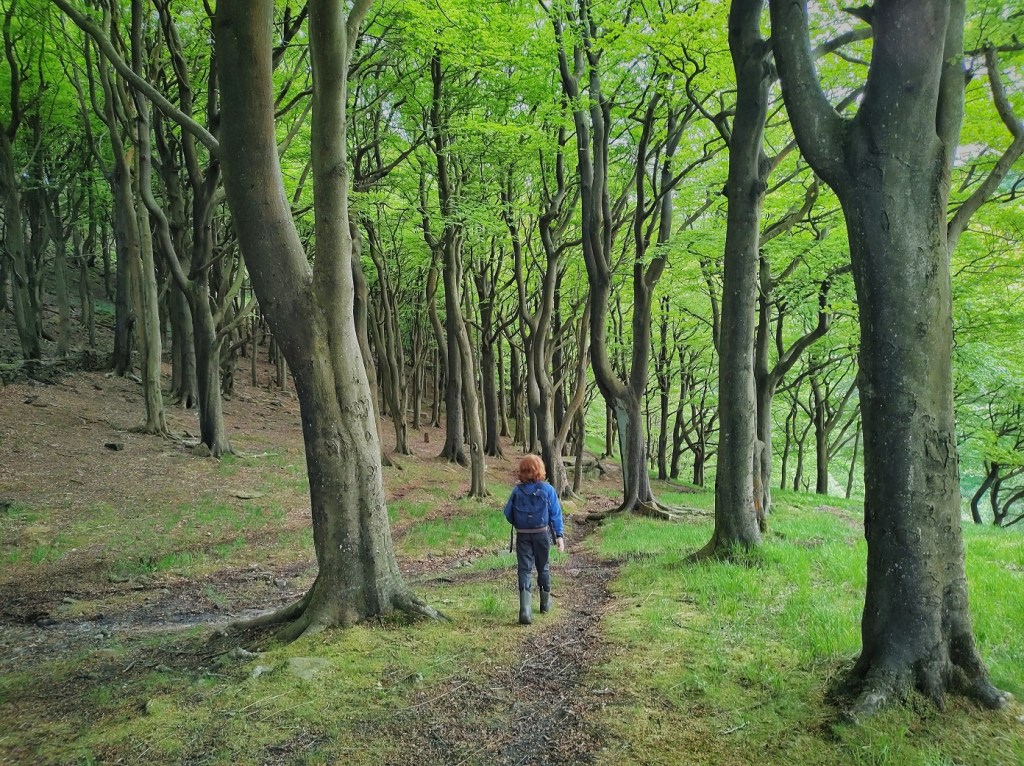
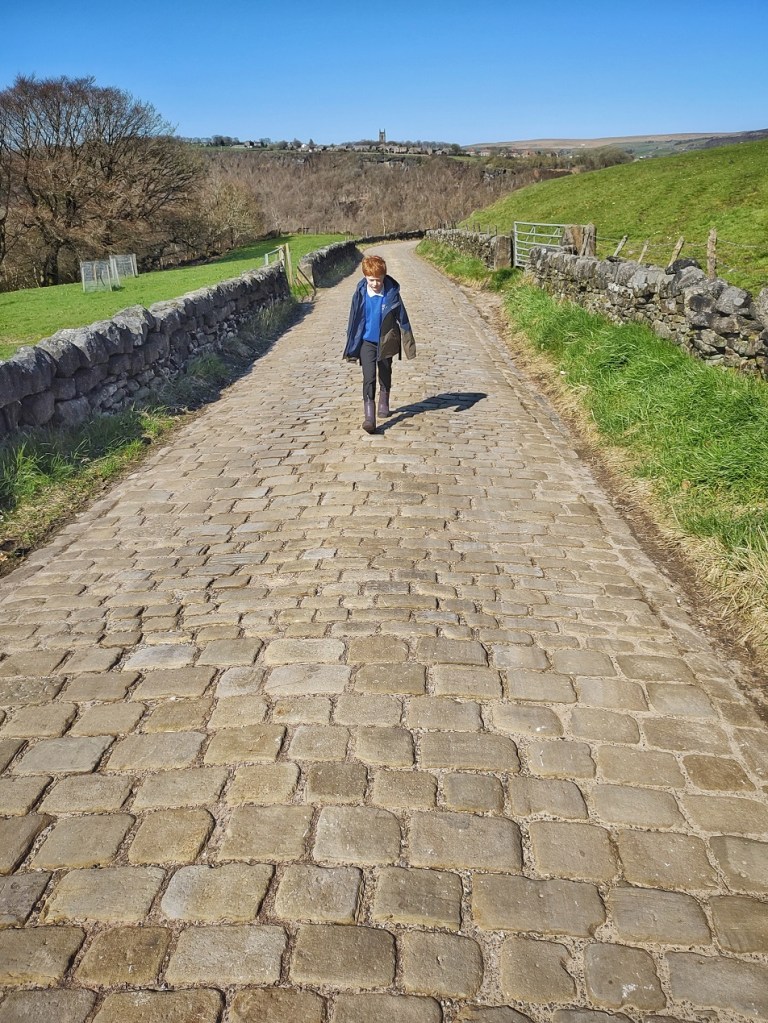
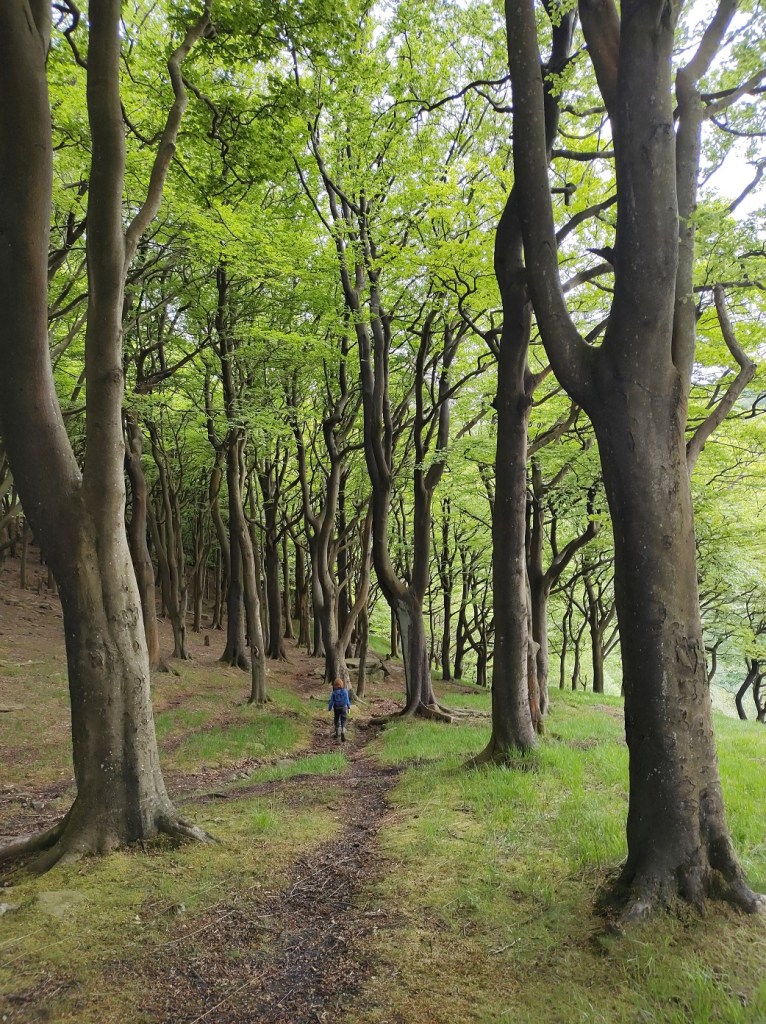
For eight years – from nursery, through Reception and Years 1–6 – we have been making our way to and fro in all weathers, always on foot. We’ve been so lucky that we’ve had a variety of different ways to get us away from the traffic on the main road. For the first year or so, we took the quiet back road up the hill, and we’ve been through a few stretches over the years when I’ve been feeling lazy and we’ve gone the easy way along the canal towpath. But our favourite route, the one we started taking during your Reception year and have taken by far the most ever since, has been up and along the hillside through the woods.
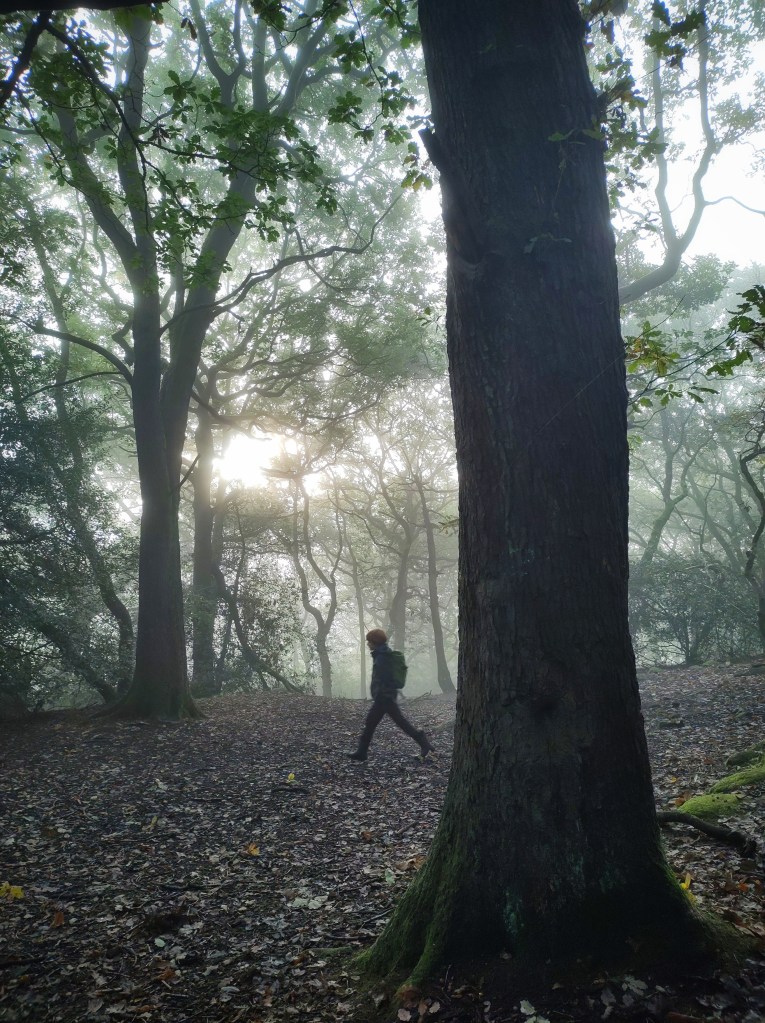
These ordinary, everyday journeys through the school years, only a mile and a half each day, have carried you more than 2,000 miles. That many steps could take you on a pilgrimage south-east to Rome, or if you headed north (walking on water!) to the Arctic Circle, or due south on an expedition to the sands of the Sahara. But I wouldn’t trade any of these adventures for all these miles we’ve folded into our familiar valley.

And as for the sheer amount of hill you’ve climbed, well: even though school is actually at more or less the same level as our house – just 60 feet below, in fact – what with the climb up the valley side, and the ups and downs along its crumpled slopes (which turn into downs and ups on the way home), if we had added all the climbing you’ve done on these daily walks for eight years, your upward steps would have propelled you over half a million feet into the sky. That’s 17 Mount Everests, one on top of the other. It’s over 100 miles – well into space! Great journeys really are made of small steps. As we set out and take our final strides towards the end of this one, let’s look back along its length at how far you’ve come, and all there was to cherish along the way.
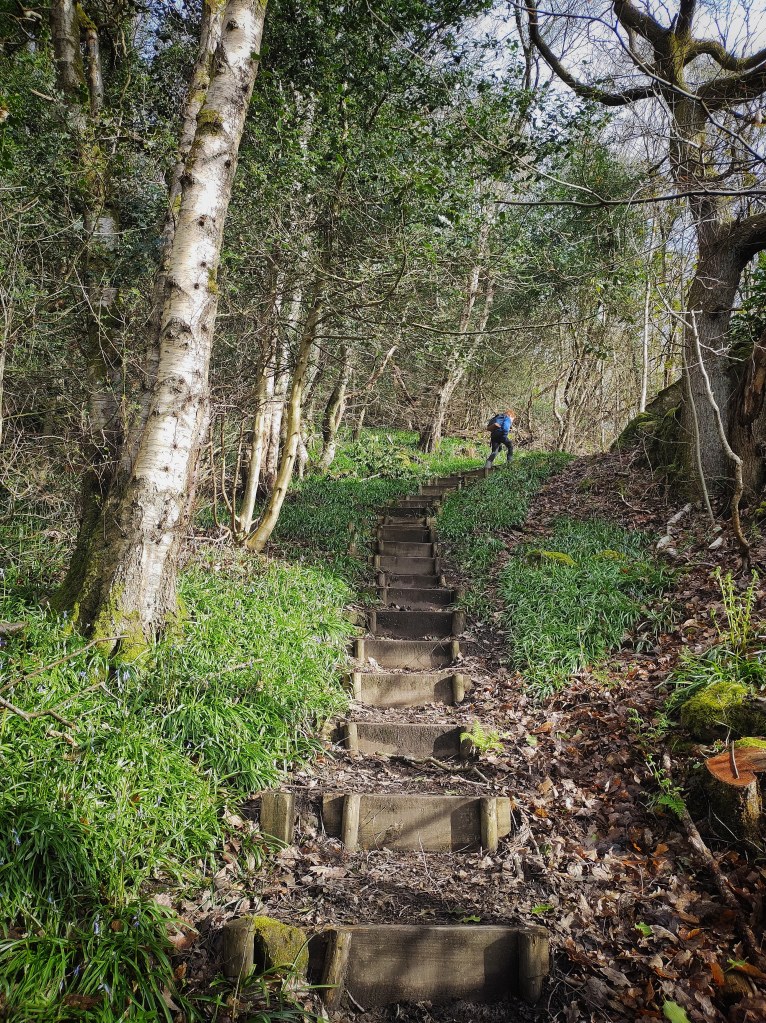
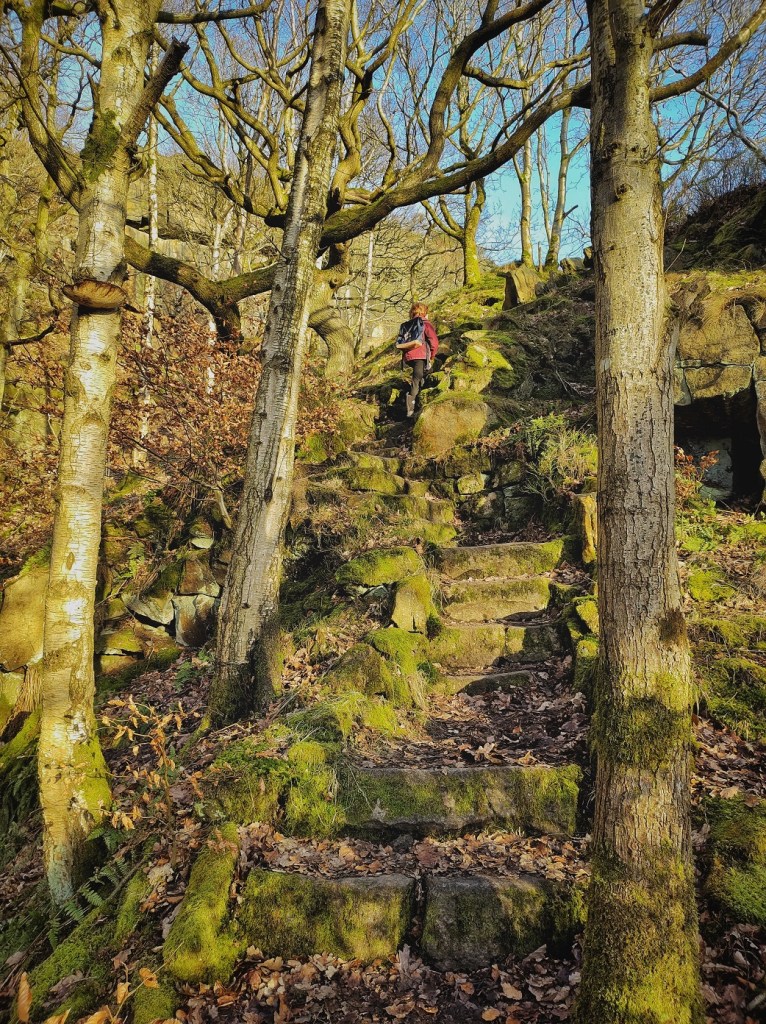
That pull up that first set of steps each morning is always a challenge. It’s worse some mornings than others. When we’re really feeling it, we always call out ‘lead legs!’, don’t we? When our legs feel like they’re made of lead, and we’re having to drag their heavy weight up the hill. But to take our minds off it, do you hear that mellow whistle? Can you tell what it is? Dead right: a bullfinch. These woods really have been your classroom for learning birdsong. Over the years, we’ve found all sorts of little tricks and mnemonics to help you tell them apart, until these days almost every note we hear is familiar to you: the turning squeaky wheel of the goldcrest, the collared dove’s complaint about its hurt toe, the blackbird’s pinking and clucking, the robin’s R2-D2 noodlings, the wren’s machine-gun trill, the laughing yaffle of the green woodpecker, the jay’s furious tearing up of the silence, the winter-harsh caw of the rooks, the clear bell chime of the great tit, the bicycle pump of the coal tit, the nuthatch’s dripping tap, the treecreeper’s rushed and cut-short willow warbler impersonation, the chiffchaff’s questioning contact call, the purring chatter of long-tailed tits, the tuneless free jazz of the blackcap. And I imagine that wherever you hear these birds in the future, they will always transport you back here – not just to the woods in general, but to exact, particular places along this route: a goldcrest to the conifers where we always paused to catch its sparkle of song; a collared dove to the track where we heard one cooing each morning; a dipper to the clough stream where one always pierced the water’s roar with its needle-sharp call; the ‘chip’ of a great spotted woodpecker to the oak tree with the hole from which their chicks peeked and begged for food. You’ve made a map of songs, one that could only have been stitched by season after season of treading this same path.
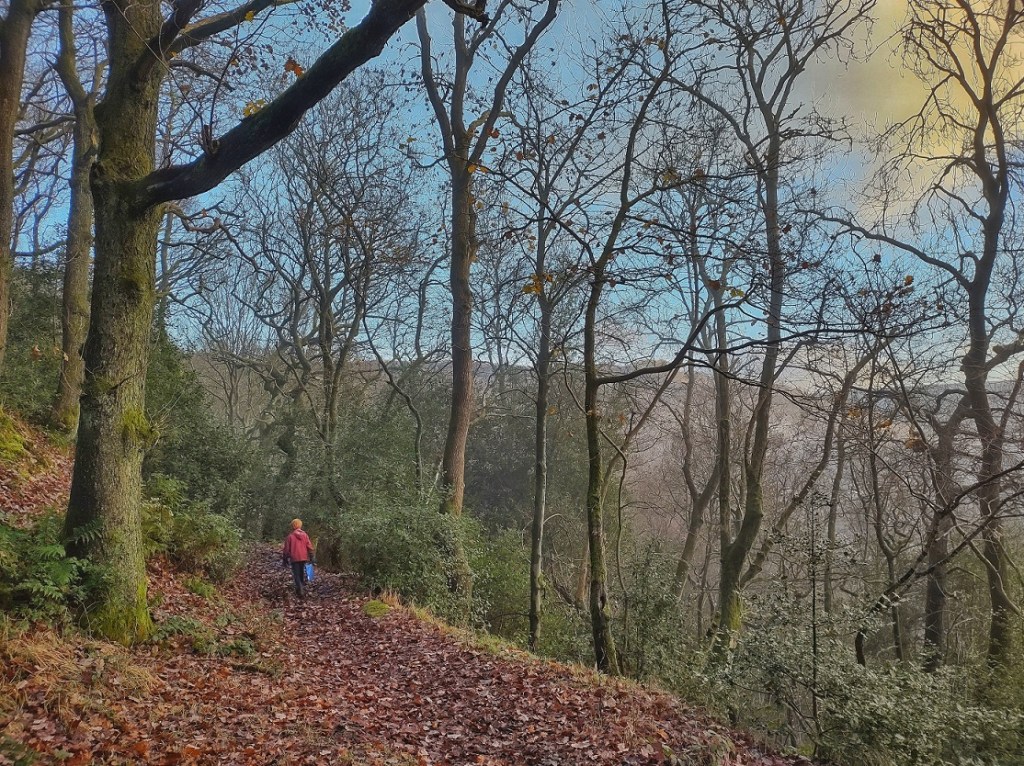
It was nice to chat to Fyfe just then. We’ve got to know so many people that we would regularly bump into along the way, especially the daily dog-walkers – AJ, Julia, Jake, Dale and Elaine, and Sue. We’d also chat with Bob the groundsman about the sparrowhawk chicks calling from up the hill; with Leonie and Nessa about how their forest school day had been; with Richard about how his trees were faring; with Bill as he gradually rebuilt a collapsed wall; with Mischa and Jack as they cleared balsam from a near-vertical slope. And there were one-off encounters, too, on the one road we had to briefly cross, like when we checked on the courier driver after his van was nearly crushed by a falling oak branch, or the driver of the jack-knifed lorry who had been stuck for a freezing night in his cab. Looking back over all these people we would meet on our daily walks makes it sound like the woods were crowded, but in truth, apart from the occasions where some of your neighbourhood friends have joined you – which was always good fun – most days it was just us.
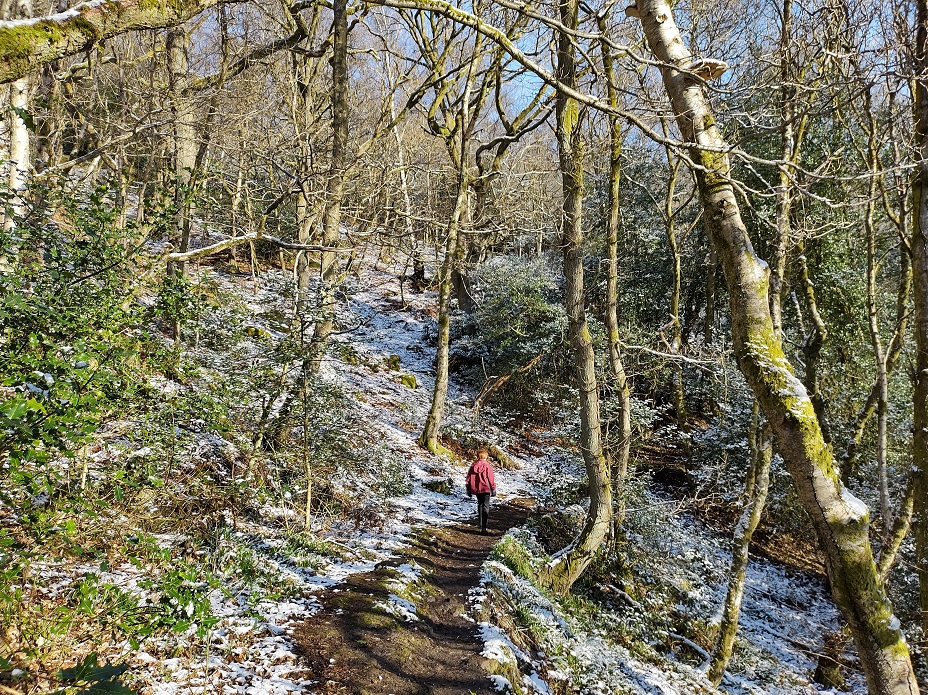
Well, not really just us, as we have always seen all sorts of wildlife, besides the birds: spiders slinging their webs among the nettles, speckled wood butterflies dancing in the dapples, devil’s coach horse beetles scuttling over the tree roots, tiny white moths fluttering out of crevices in the stone walls. We’ve been pelted with cold drops long after it has stopped raining when a squirrel sets off a chain reaction among the oak leaves. Molehills always popped up beside the second set of wooden steps. We’ve had to pass through three swarms of angry wasps after a badger dug up their underground nests. And do you remember that poor dead badger slumped beside the path? And we’ve had so many close encounters with roe deer. That buck last week, standing stock still and staring at us, showing off its glorious antlers, was one of the best yet.

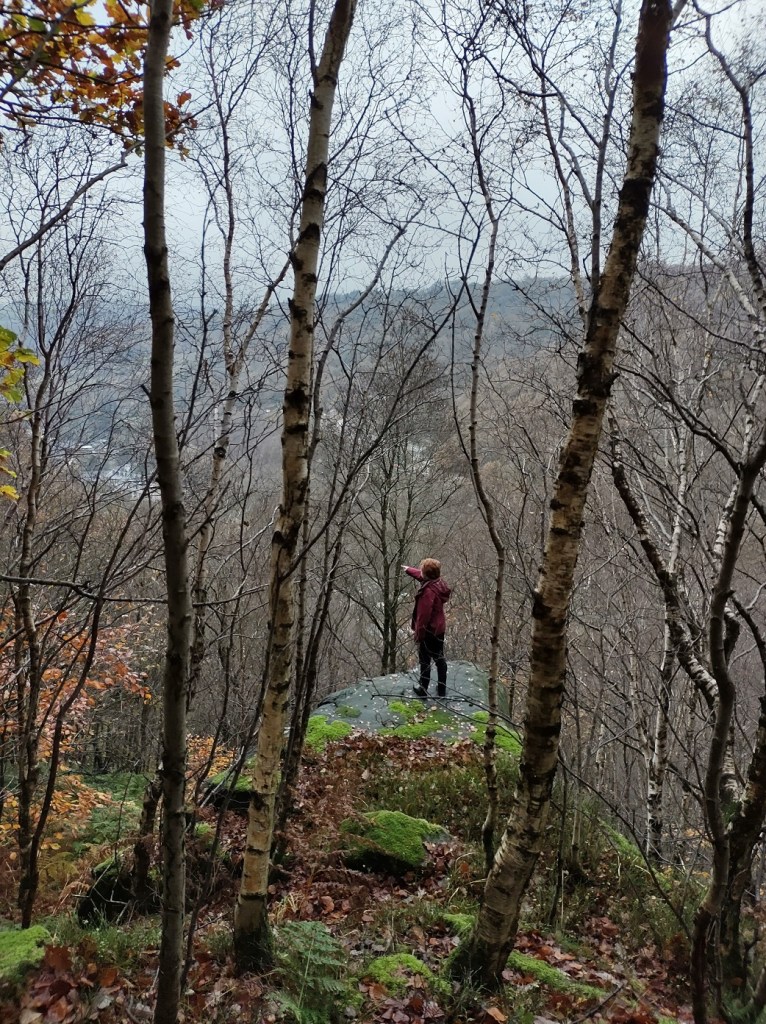
I love the way you always leave the path to walk through the middle of that birch with the split trunk, like it’s a portal to another dimension. By now, after all these years, we know every tree along the way – they’ve become old friends: that oak back there with the anti-clockwise twist; the ash sapling that resisted getting dieback for so long; the sweet chestnut that drops its catkins onto the path like furry centipedes; the whitebeam whose leaves curl and crisp to silver in autumn; the wych elm that scatters its papery seeds beside the stile; the willow which fills its glade with glinting downy flakes on warm May days. We pass rowans writhing out of stony nooks, sycamores coppiced long ago racing for the light, beech clinging to the sides of the clough, dark stands of spruce, shadowed groves of holly that feel a little bit sacred. But it’s the oaks of this ancient woodland that we love the most – solid, sheltering, constant. Trees to grow up among.
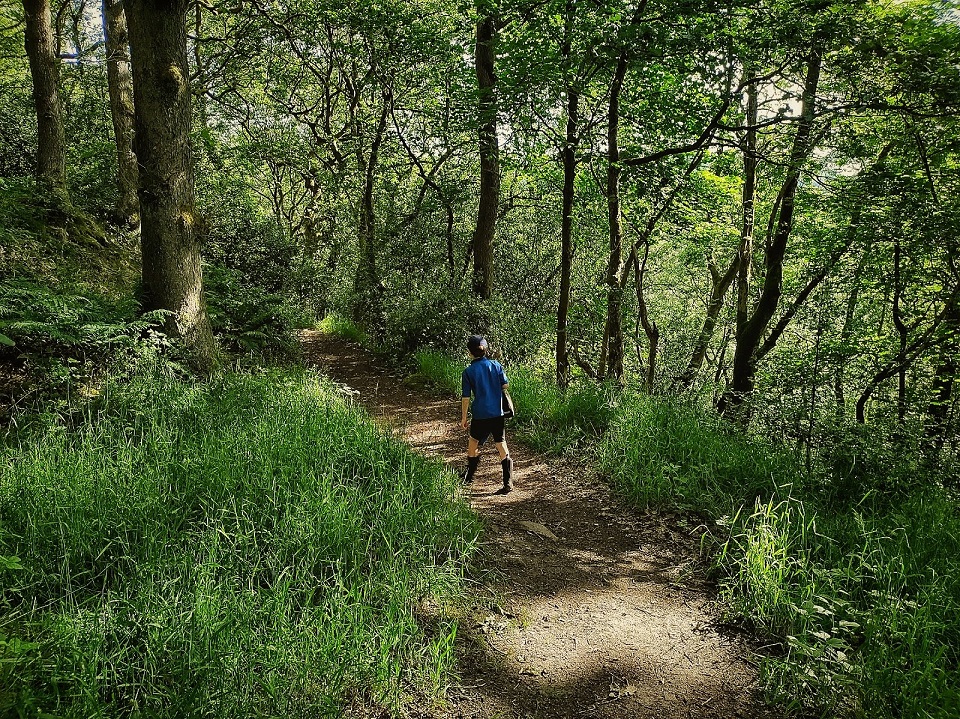
Here we are. In you go. Have a good day. As every other day, the trees will wait for you – and I’ll be here when you come out.

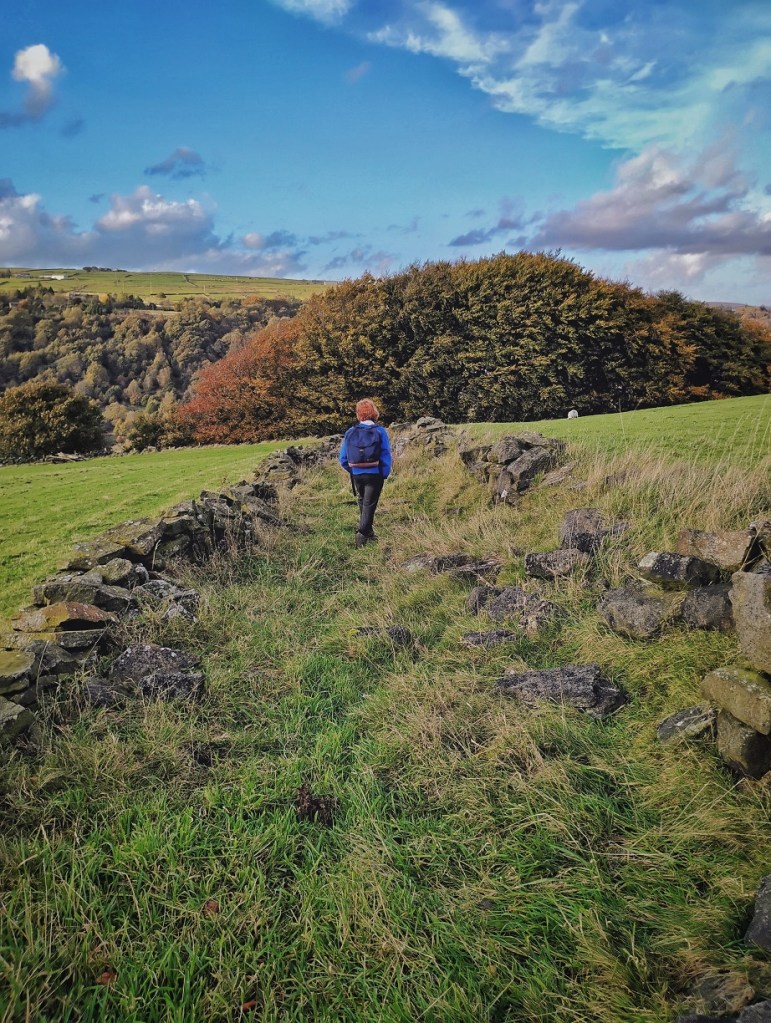
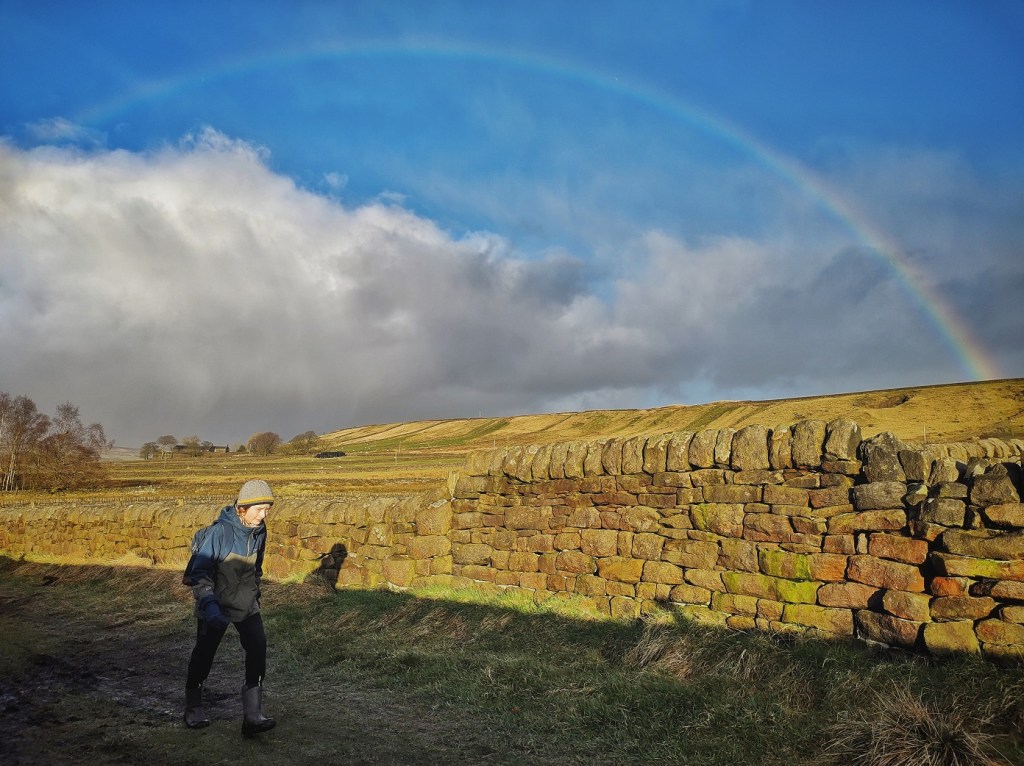
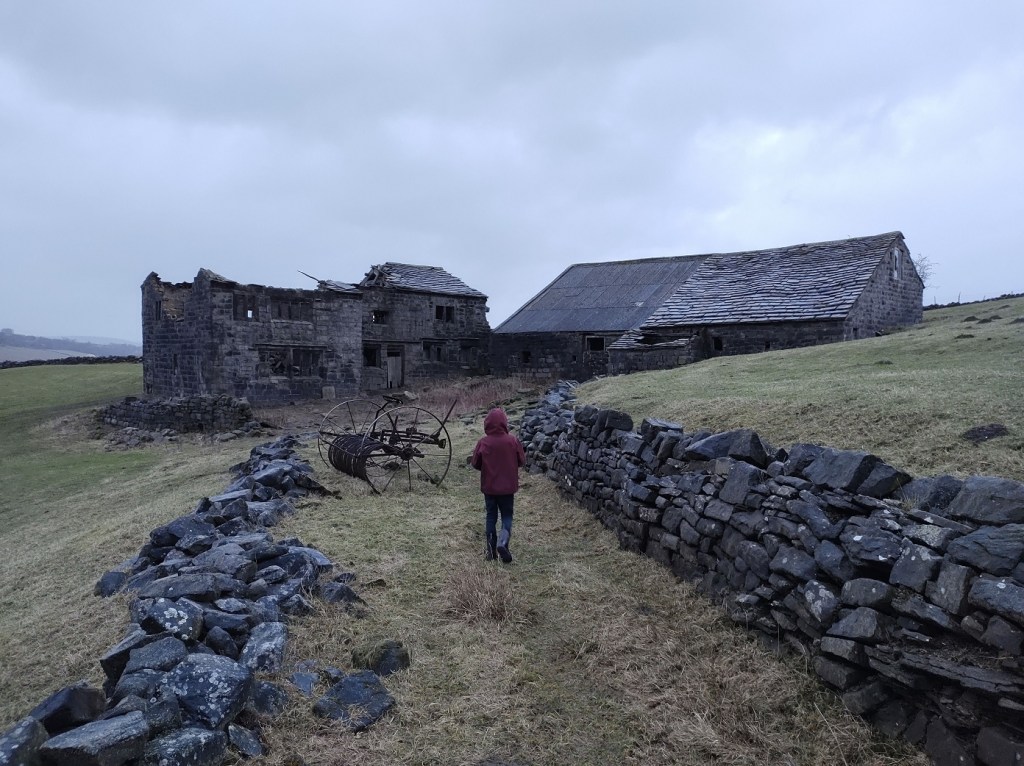
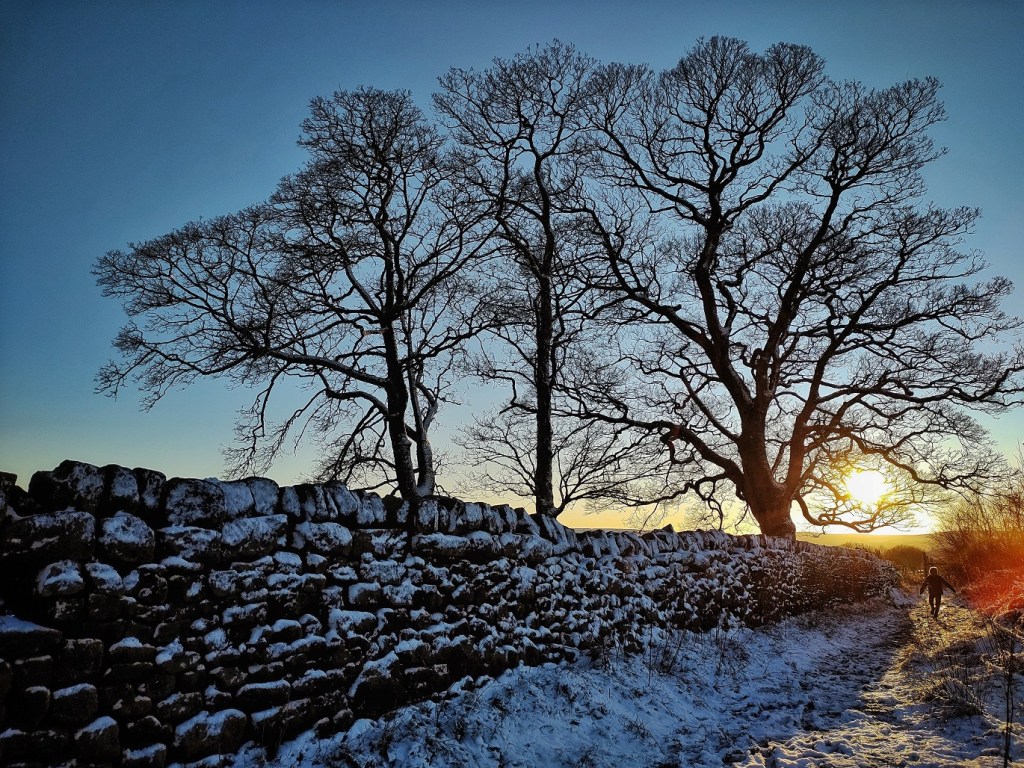
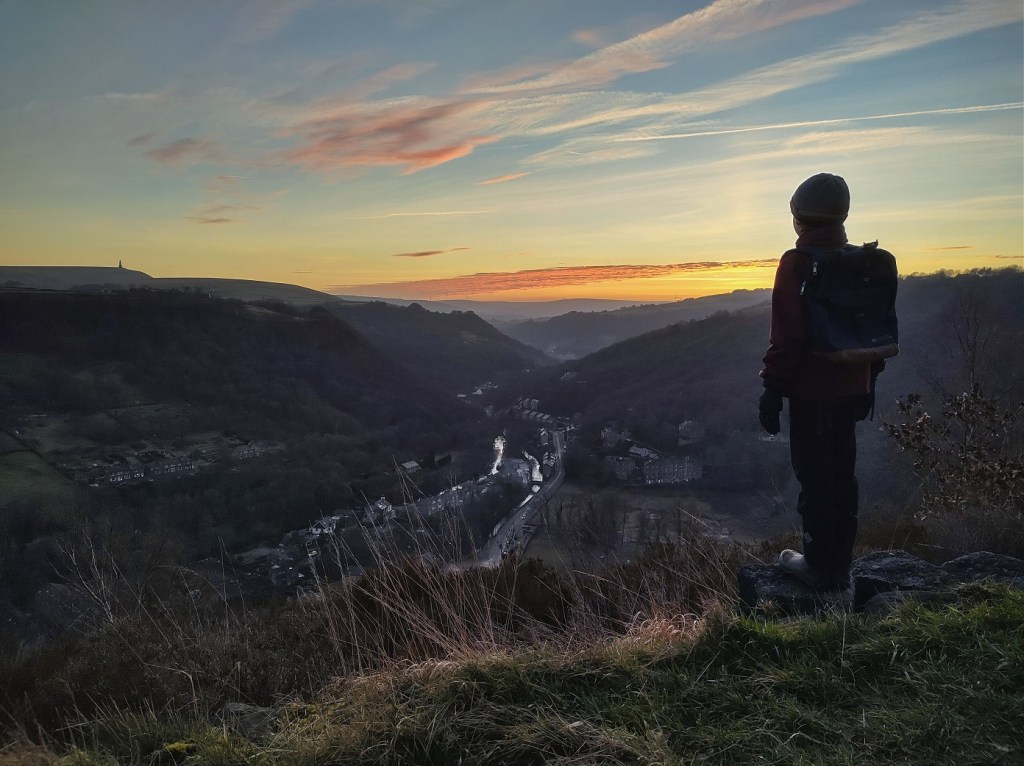
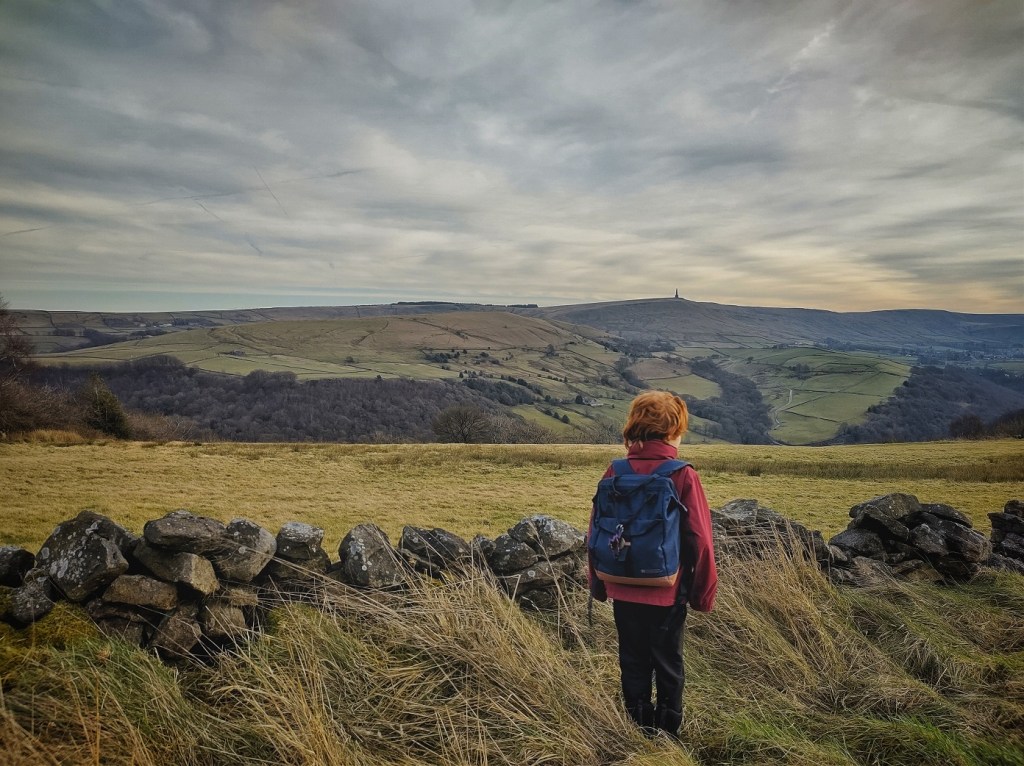
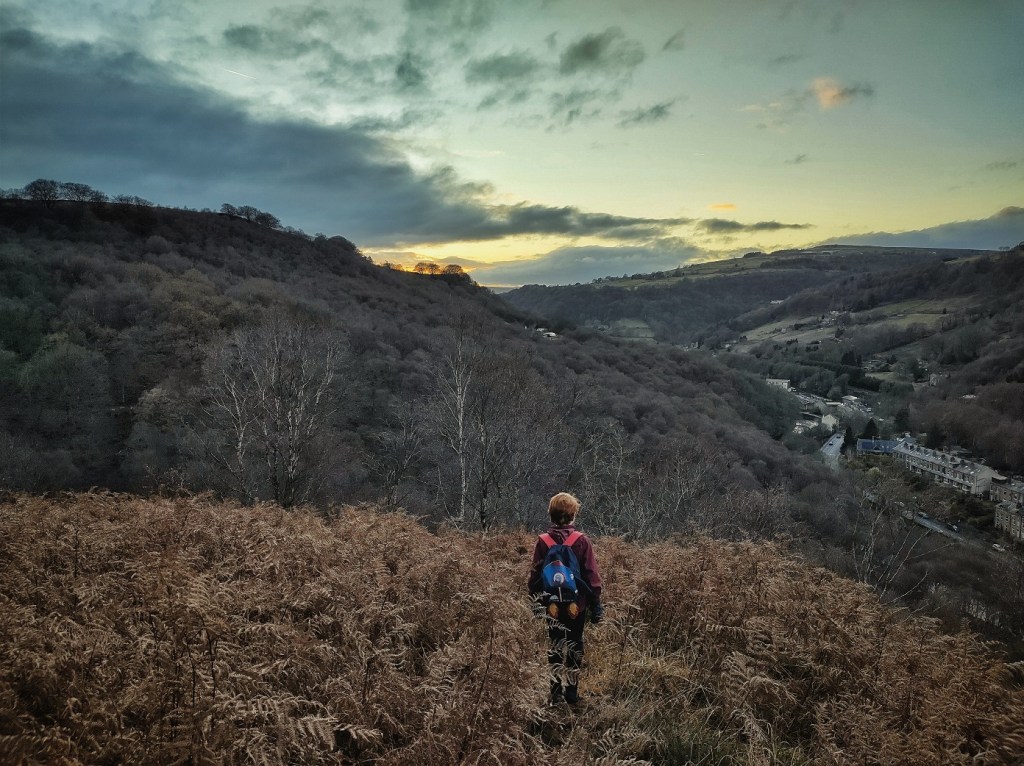
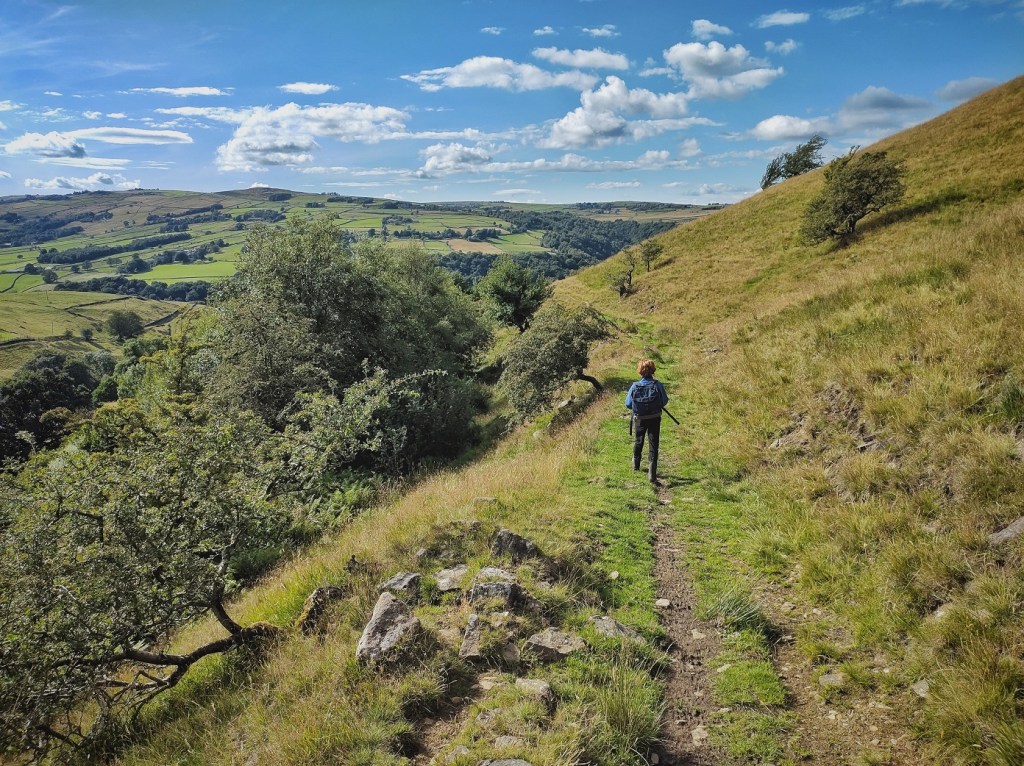
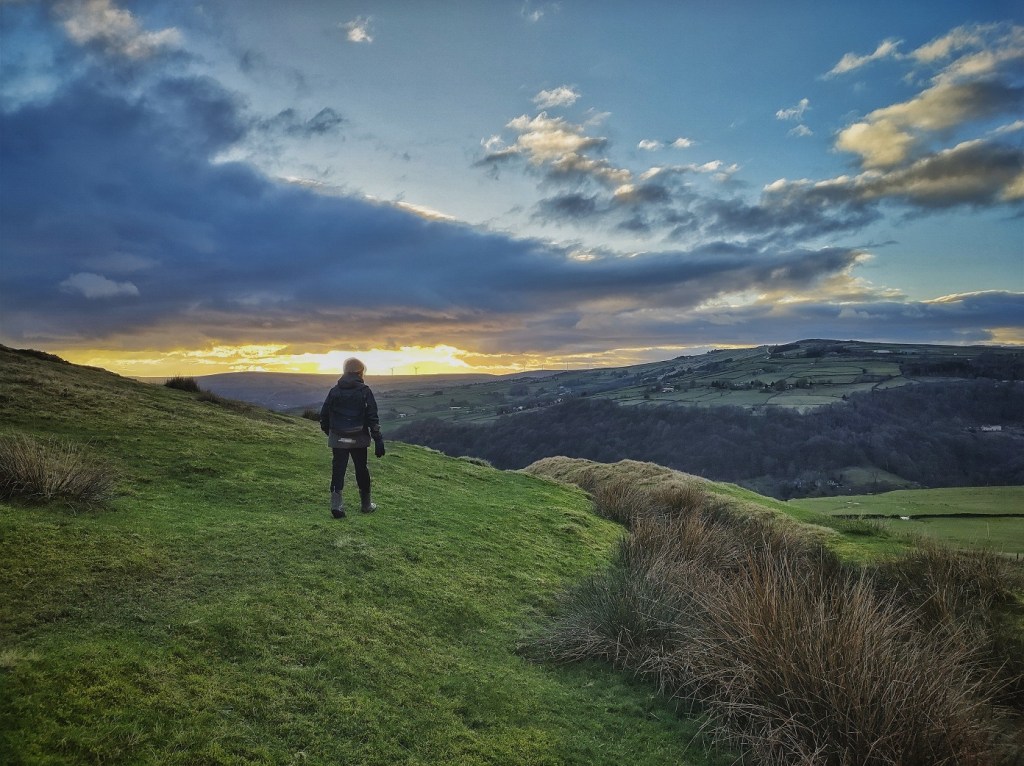
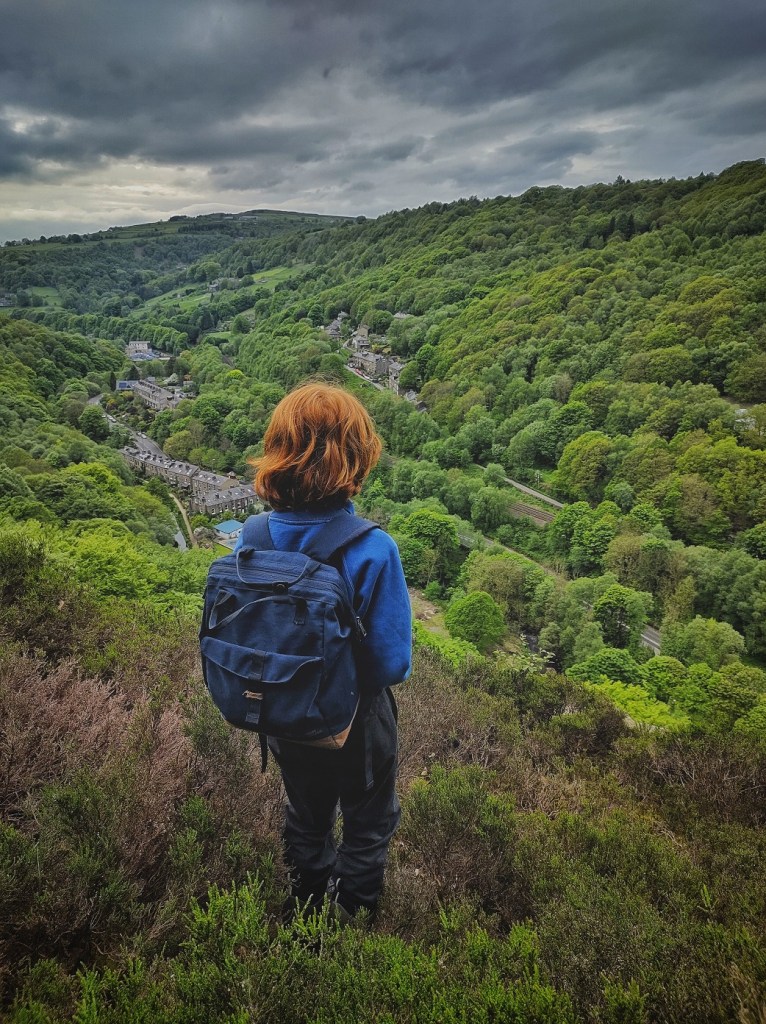
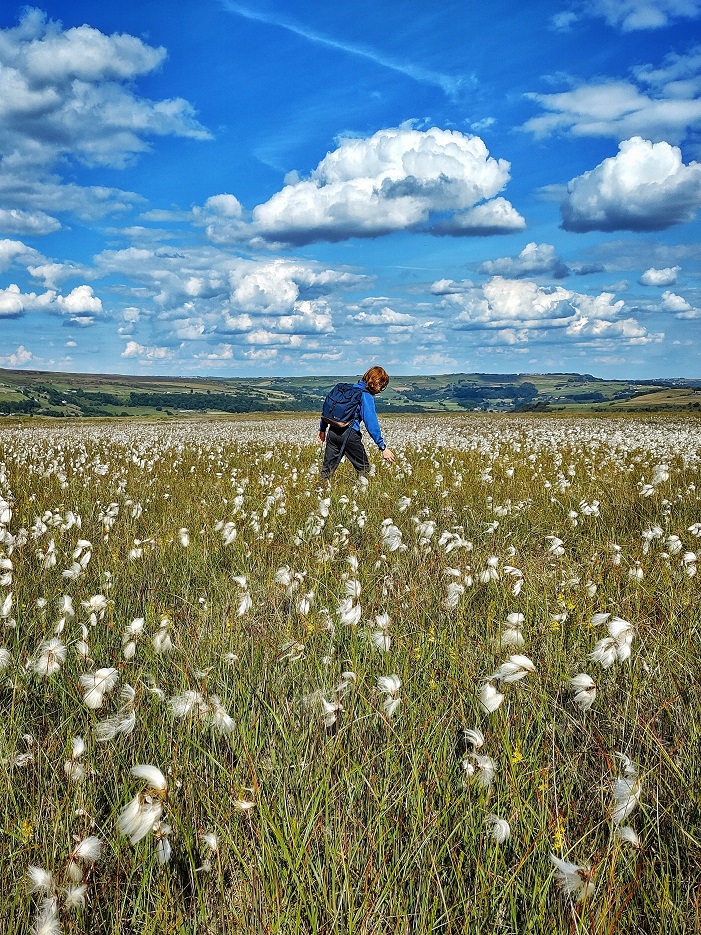
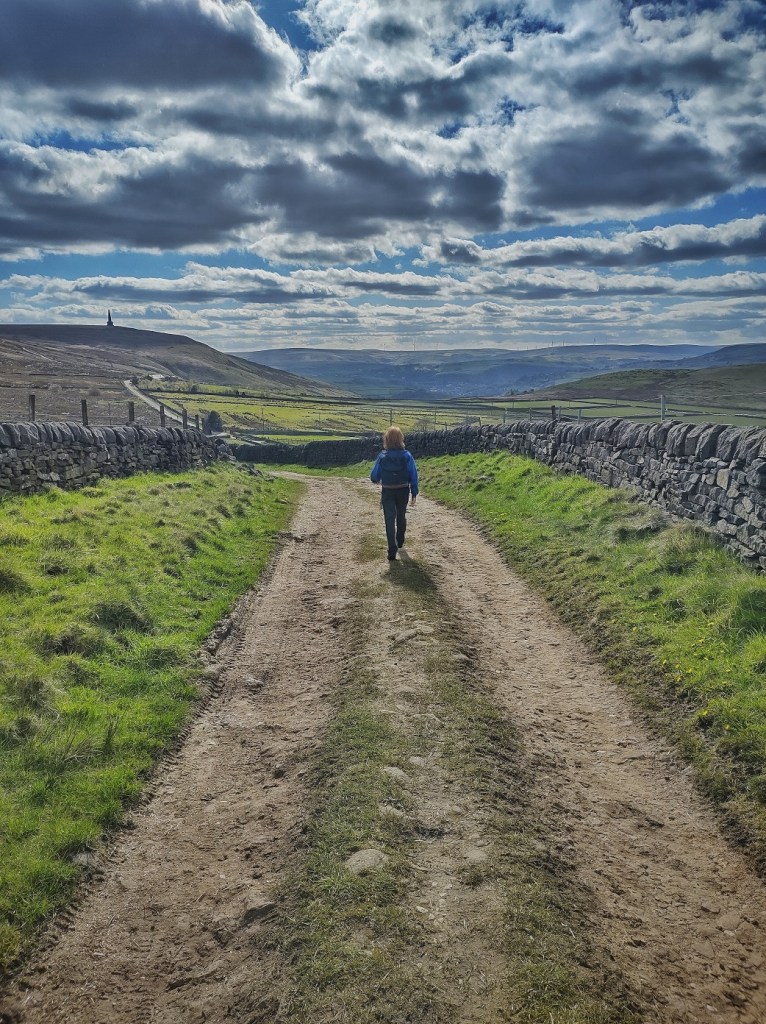
Back up the hill with us. It’s at this point, in the heat of the afternoon, that I’ve been so thankful that we have the cool woods to save us from a blazing walk along the road. Although often, if it’s nice, we have gone on a longer walk home – usually once a week, so we must have done a good few hundred through the years. I always like the ones where we set ourselves up with a mission, be it to trace a stream to its source, or to catch the cotton grass in full bloom on Erringden Moor, or to watch the earliest midwinter sunset from the crags at the top of Eaves Wood, or to search for the lost Anglo-Saxon Mandike Stones among the high pastures of Erringden, or to give the last birch tree in Horsehold Wood to hold onto its autumn leaves a congratulatory pat, or we used to quest up to Old Chamber for the treasure of Just Jenny’s ice cream in Ann’s Honesty Box hut. Sometimes we would go further afield – up to Old Town to see the lapwings, or all the way up the Colden Valley to May’s Shop for a sweet treat. But more often, we just enjoy a meander up the hill to our favourite spots: a sit on the bench at Horsehold Scout, a wander into the setting sun along Pinnacle Lane, an explore along the escarpment of Dill Scout. We almost always end up in one of two places – either wading through the meadows around the ruin of Cruttonstall if we’re on the south side of the valley, or at the gate below Lower Rawtonstall if we’d looped round to the north. I’d always bring a snack, and we’d sit and munch and look at the view. But not today. We’ll tread this old path home, but perhaps, if it’s OK, we’ll go a little slower than usual.

Goodness, I love the scent of these privet flowers. Get your nose in that. It must have escaped into the woods from the garden up there. But most of the plants we pass are wild and native: the buckler ferns waving in the breeze, the hooked seeds of wood avens grasping at our legs, the foxglove flowers leaning out over the path, the bracken back there that almost submerges you, the hogweed and enchanter’s nightshade, the woodrush and bilberry and bindweed. Best of all, the bluebells, for which we always pick a fine May afternoon every year to take an extra long tour around our favourite spots when we judge they are at their peak of perfection.

Go on – have a go on the rope swing. We’ve got plenty of time. And this has always been one of your favourite parts of the walk. You played on it every morning and afternoon for a long time, then it broke and was out of action for a while, but this year it’s been better than ever. You’ve perfected your spins and dismounts, and being able to gracefully arc out wide to tap its giant oak support with an outstretched foot. But it’s not only this rope swing that keeps you occupied and entertained on these walks: you’re always hopping from stone to root to stone when the woodland floor turns to lava, or stealthily creeping off the path ahead and leaping out at me from behind a tree, or collecting acorns and cherry galls and sticks and feathers, or harvesting bilberries, brambles and wild raspberries, your lips and hands stained with juice. Most of all, though, this has been time to talk, about school and Star Wars, games and galaxies, questions and curiosities, worries and wonders. It’s the walking that has created the time, the quiet, into which our conversations could unfold.

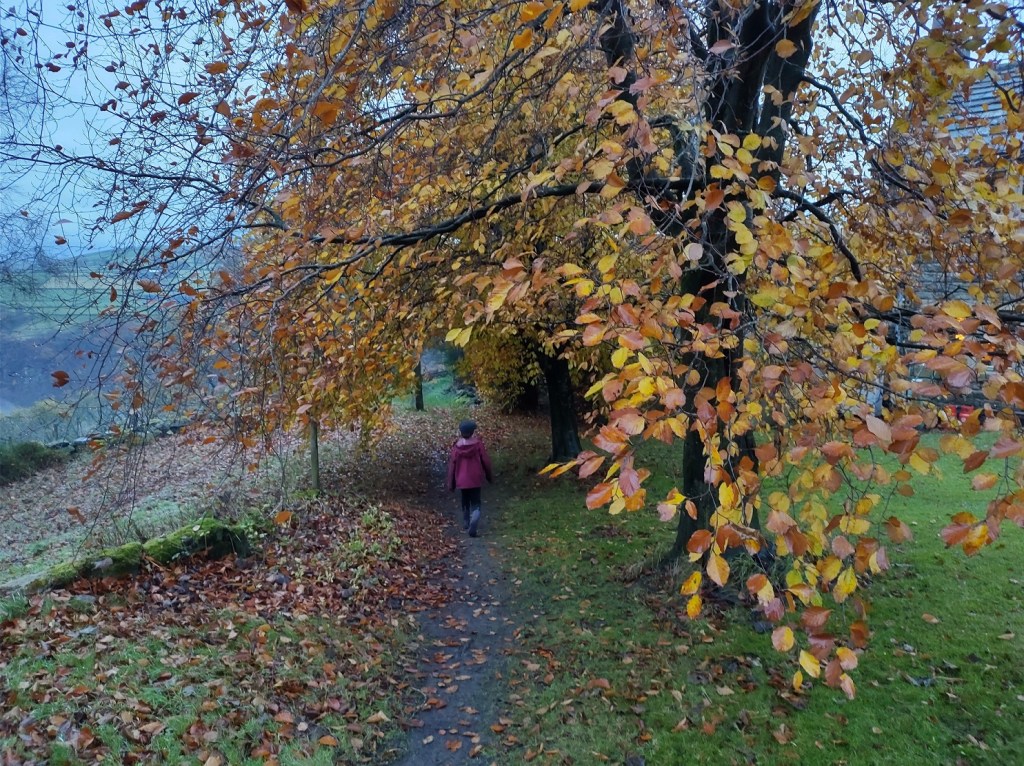
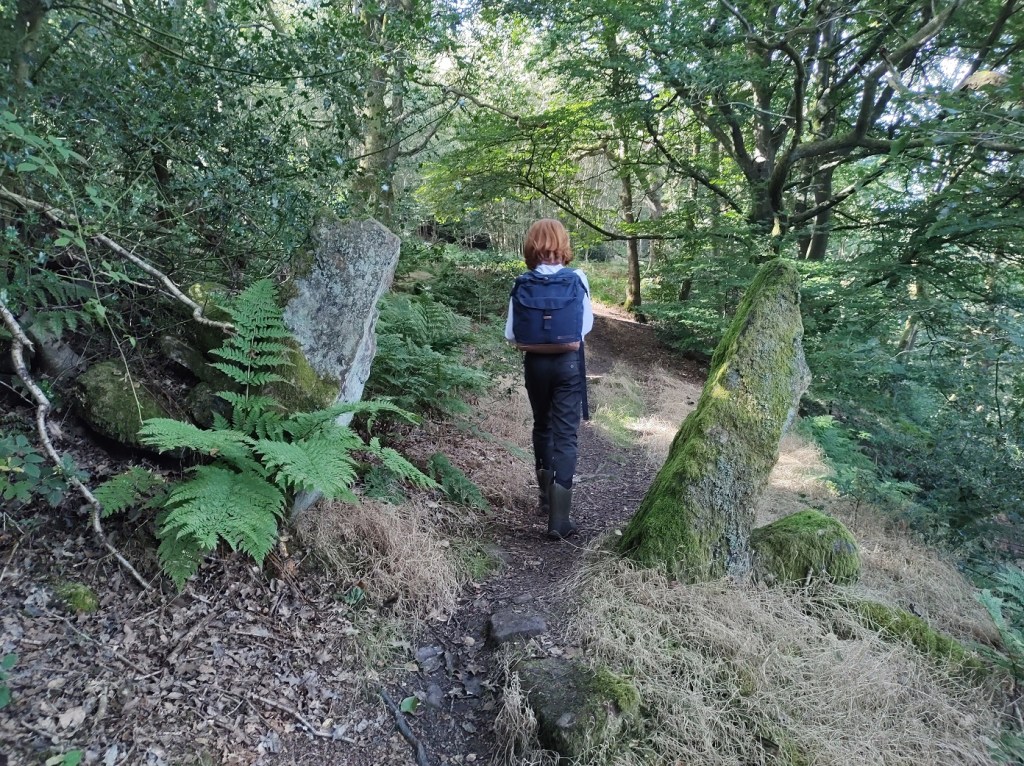
Do you remember when we used to go that way round the rhododendron? It’s all grown over now and that way has closed itself up. Slow change – like the growth of trees – is hard to notice, and it’s only when you look back that you realise how much is different. The woods are always changing as the seasons roll round, of course – we start each school year in September at the tail end of summer, then the bracken begins to sag, and before long we’re scuffing through millions of oak leaves and then crunching through snow. Then the light begins to slip a little further down the hillside towards us each morning, the birds tune up for spring, the bluebell shoots rise, the trees’ canopy finally encloses us in green shade again, and the foxglove flowers climb their stems and count down the days like a living calendar to the summer holidays. They’re always changing, these woods, every day – just almost imperceptibly. And then one day you notice: the branch we once found freshly fallen after a night of high winds has rotted into the ground and gone; the badger track that once crossed the path here has faded and healed over, but another one has been worn further along; the holly thicket that used to be dense and dark has grown and hollowed out and now lets light into its heart. And just like the woods, you’ve changed each day – so little I barely noticed – until suddenly, now, it’s startling to see how different you are from when we first walked this way. Where once you needed my hand to steady you over the stile, now you take it comfortably in your stride; where I used to slow my pace for you to keep up, now you match me step for step. Walking this quiet woodland path a thousand times and more, you’ve come so far.

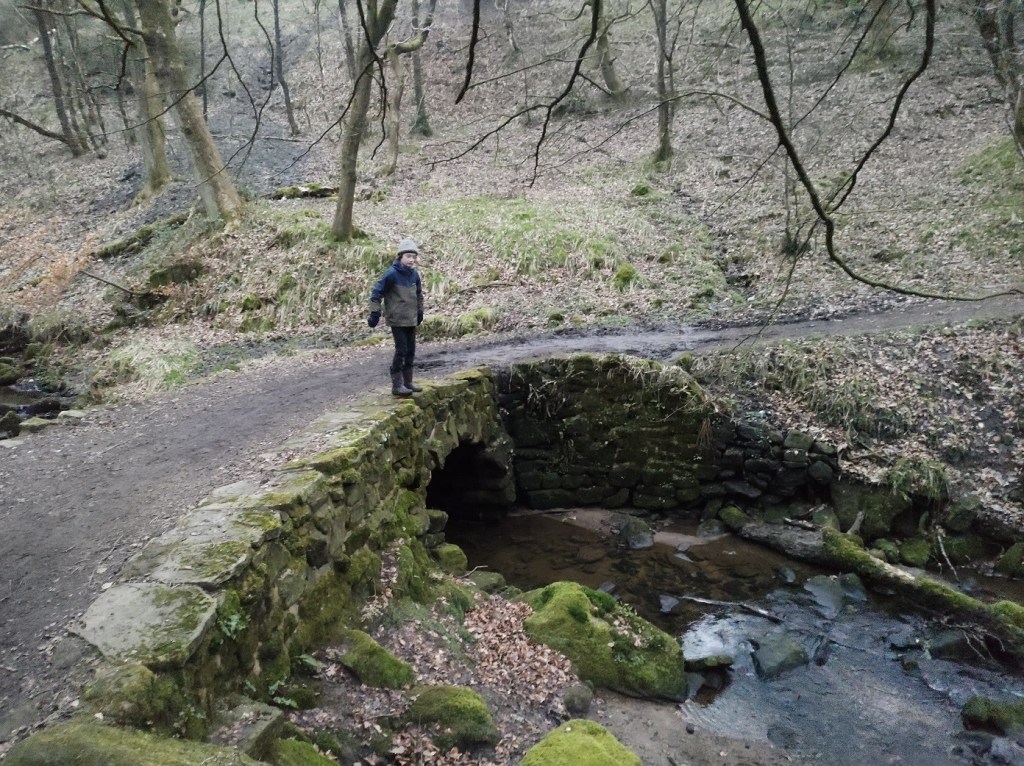
It’s all lasts now. Last time passing that holly, last time crossing this stile. The landmarks along the route will be marked into your memory, and mine, for the rest of our lives. The stile, the steps, the little bridge. The tiny stream that torrents in winter when you leap over it Indiana Jones-style, and then quietens to its summer silence. The old stone water trough sunk beside the track. The boulders and their little caves. The footpath signposts. The dry stone walls. The soles of your feet have come to know the path’s every gnarly root and mossy stone. And through these years of walking, you’ve learned how to find your way out into the world – and you will, I hope, never forget the way home.

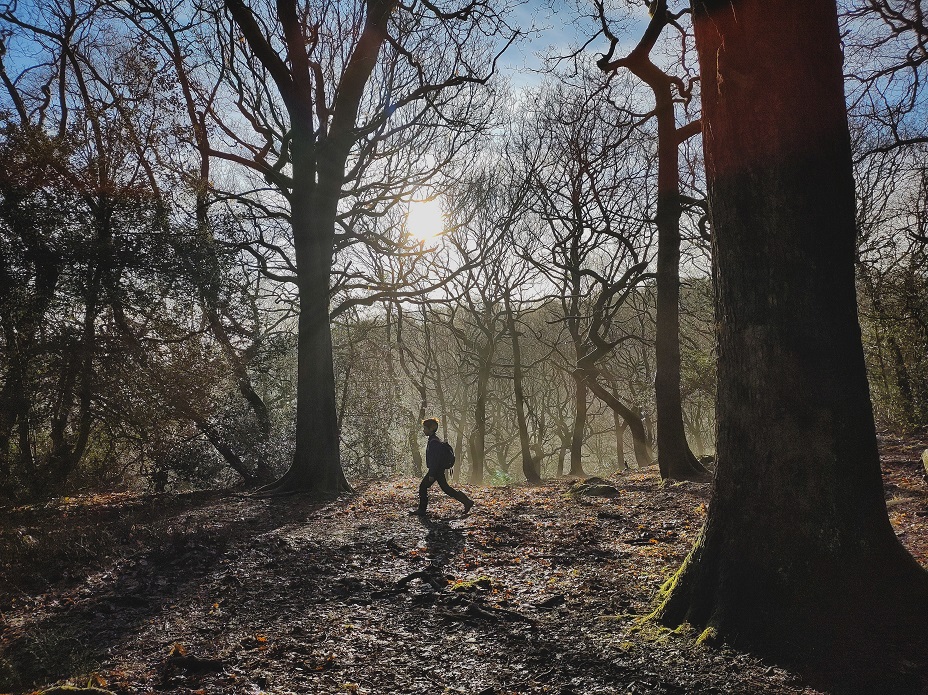



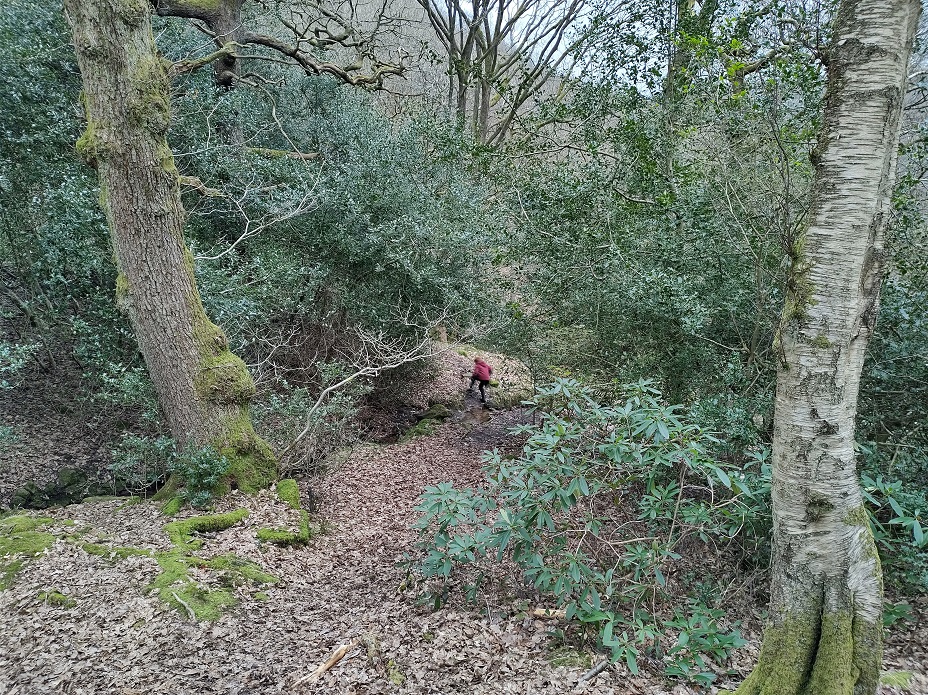

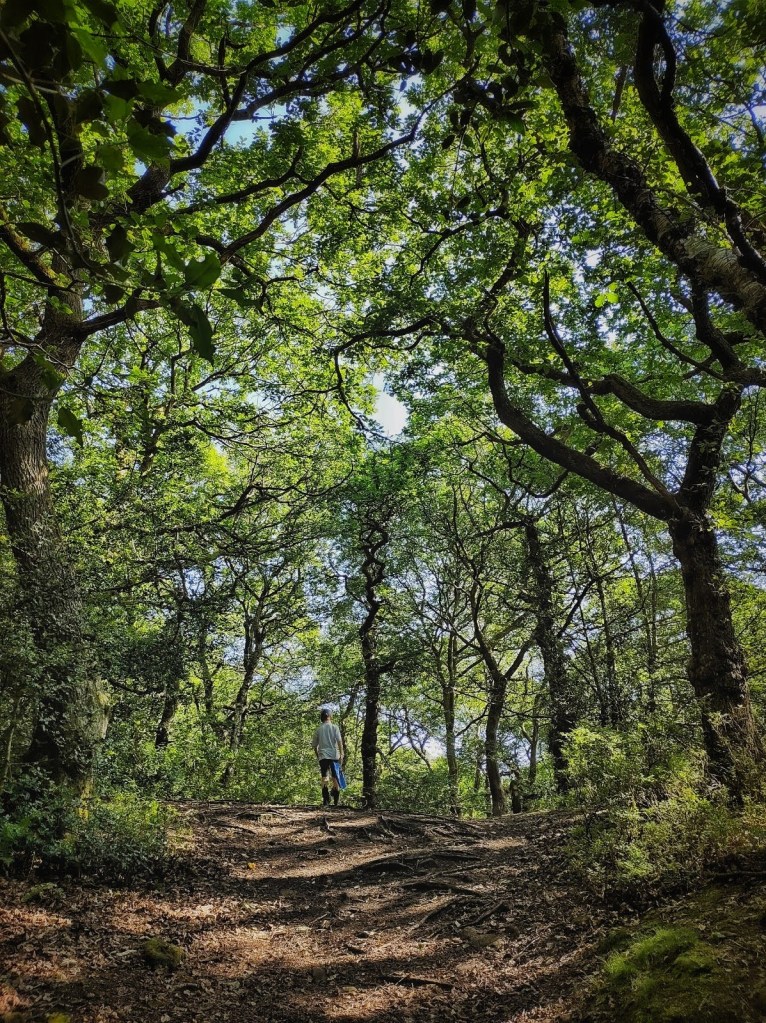

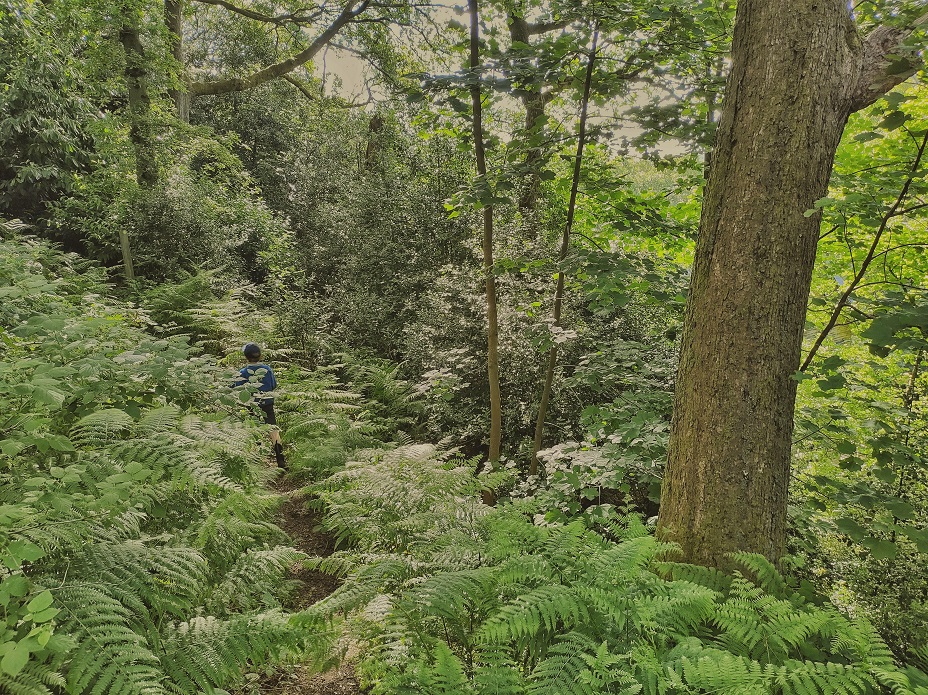

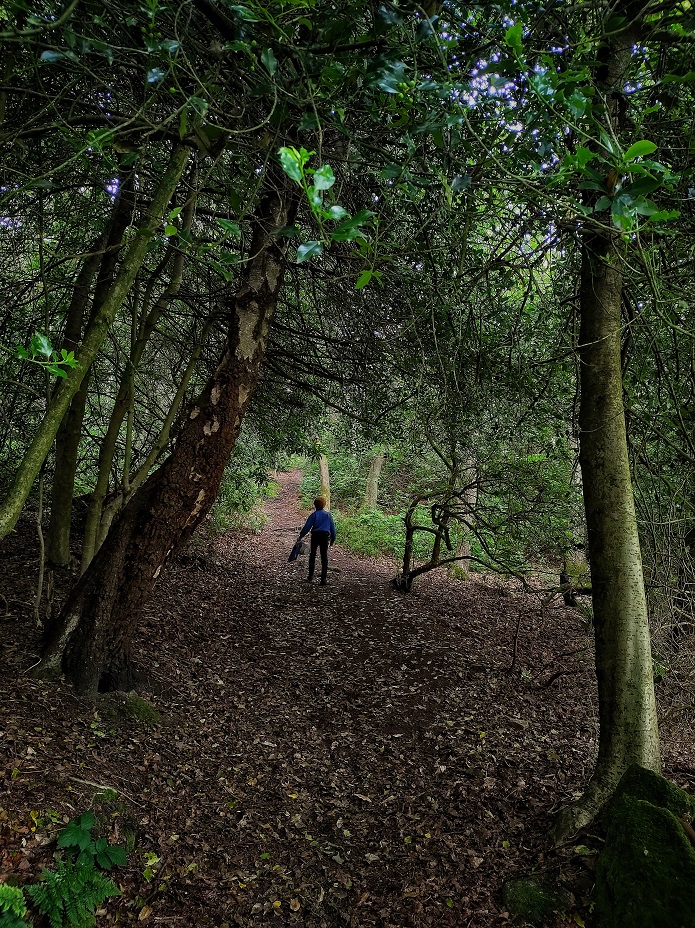


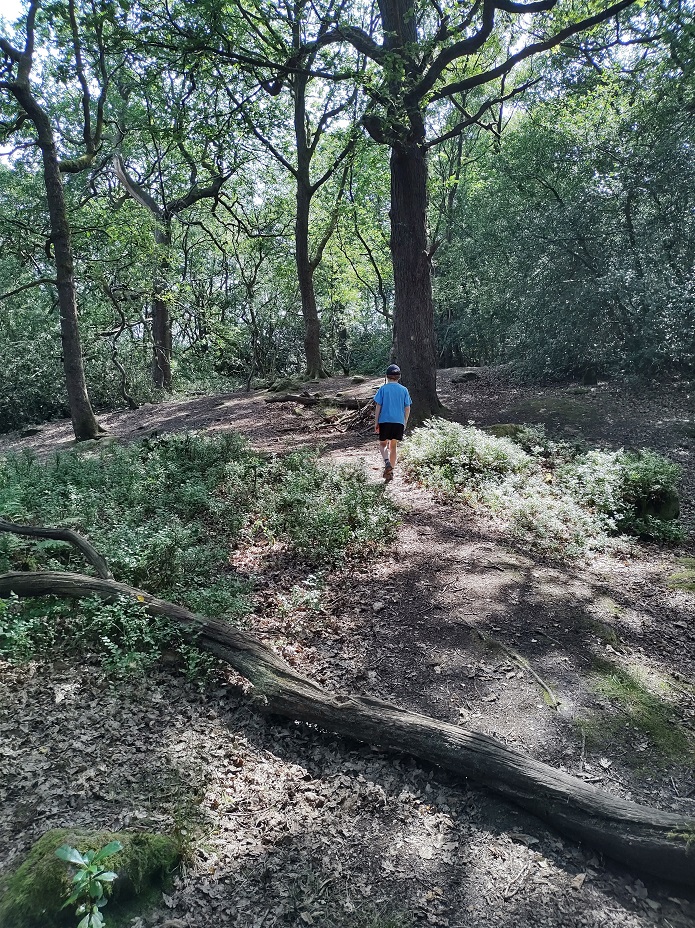
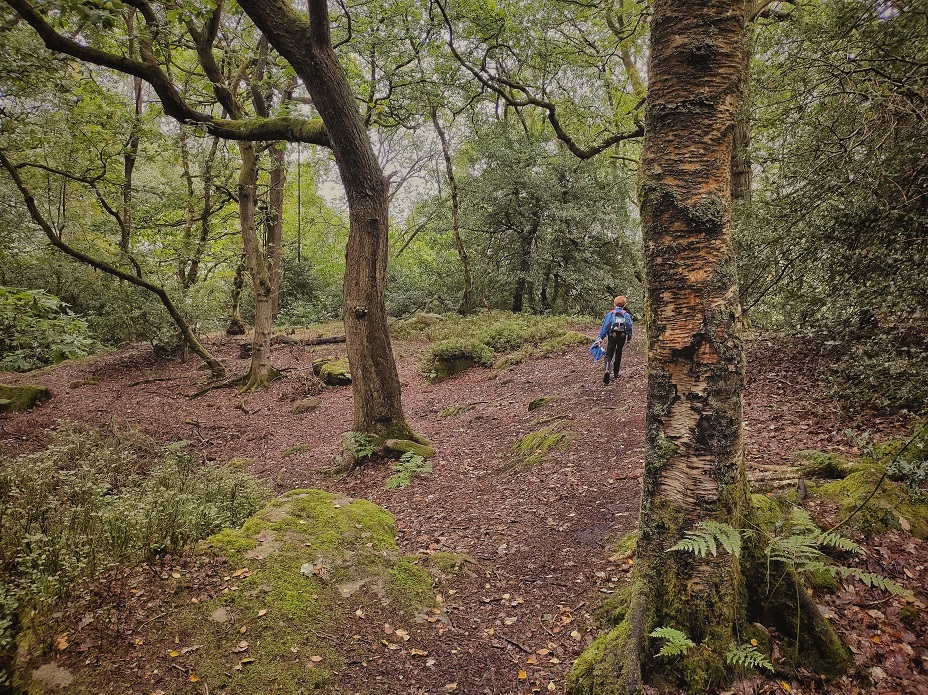
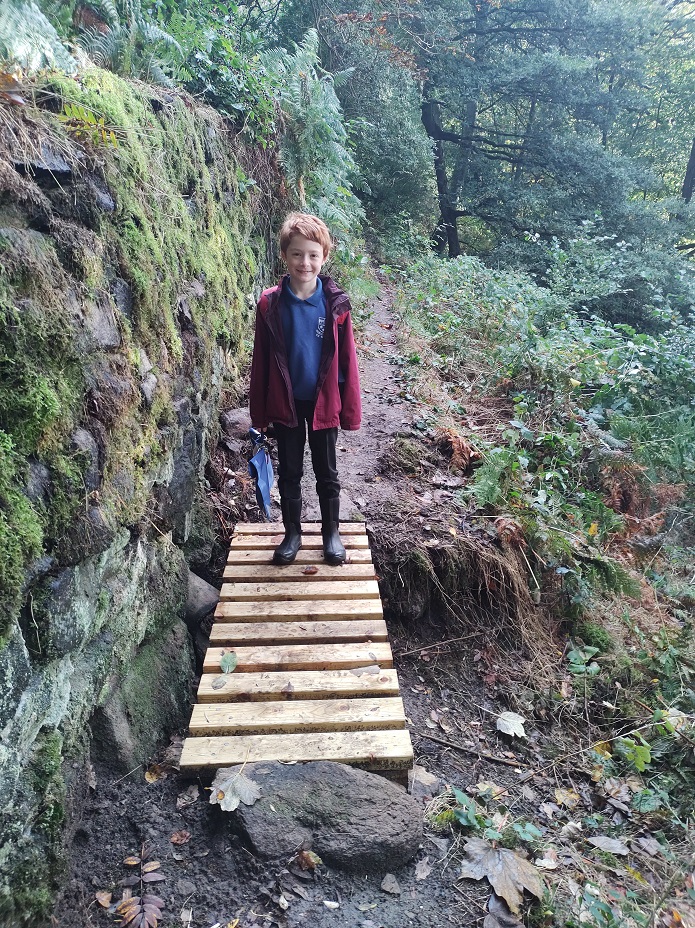

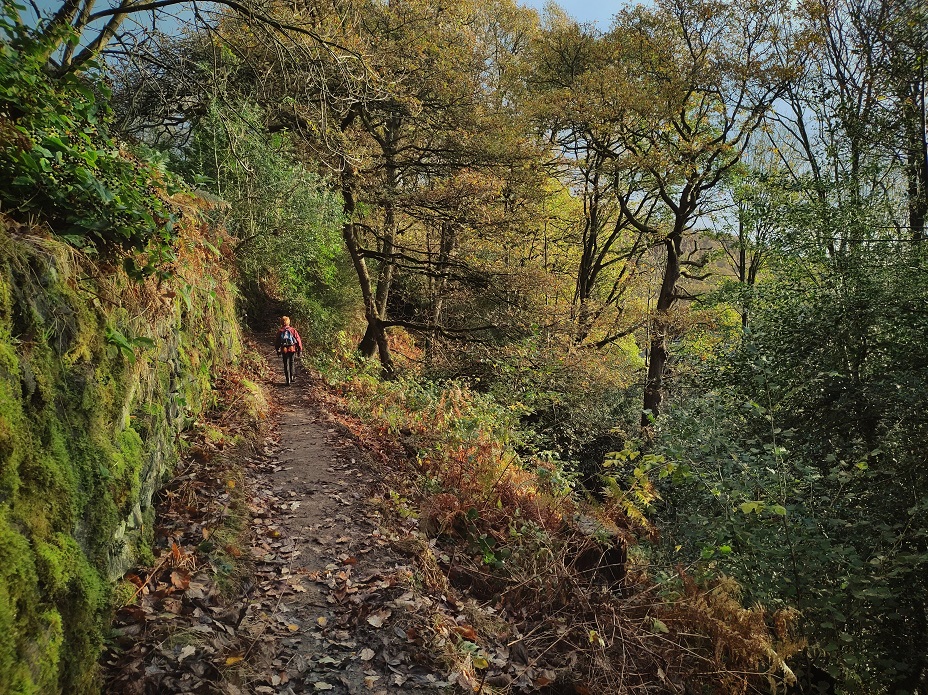

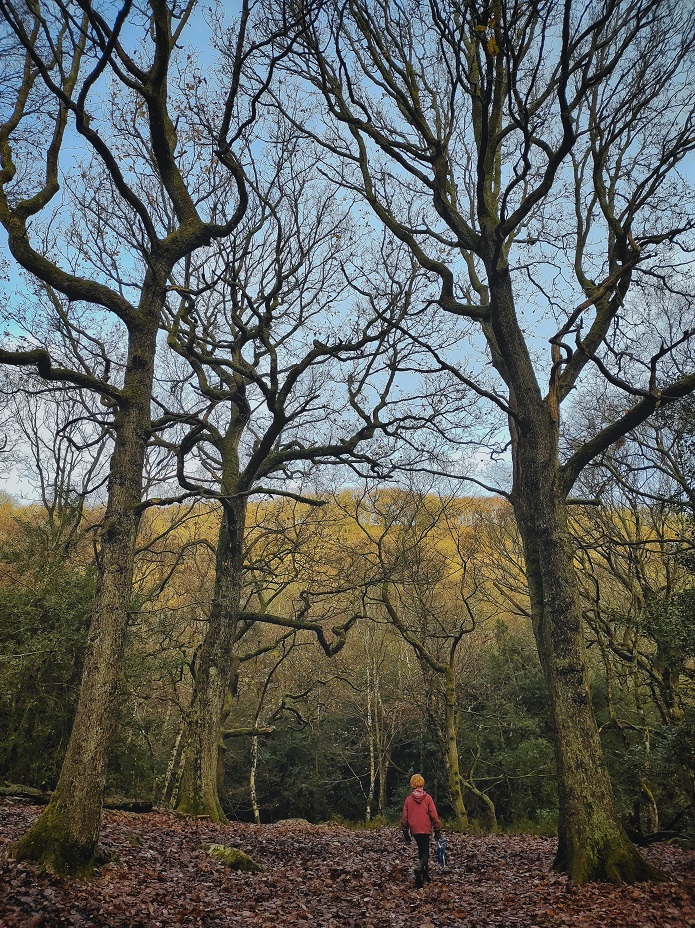
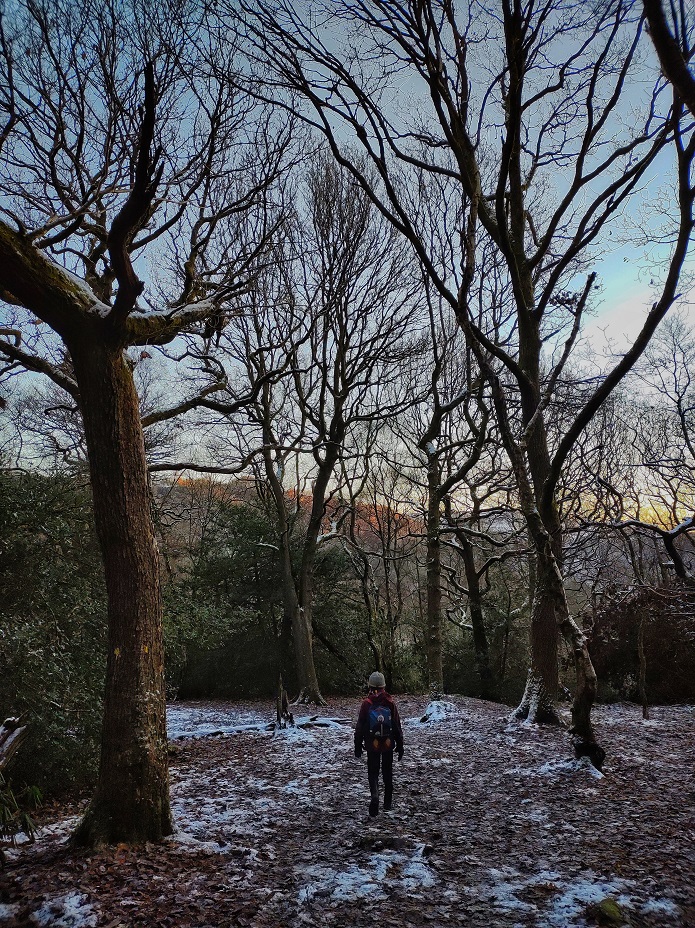
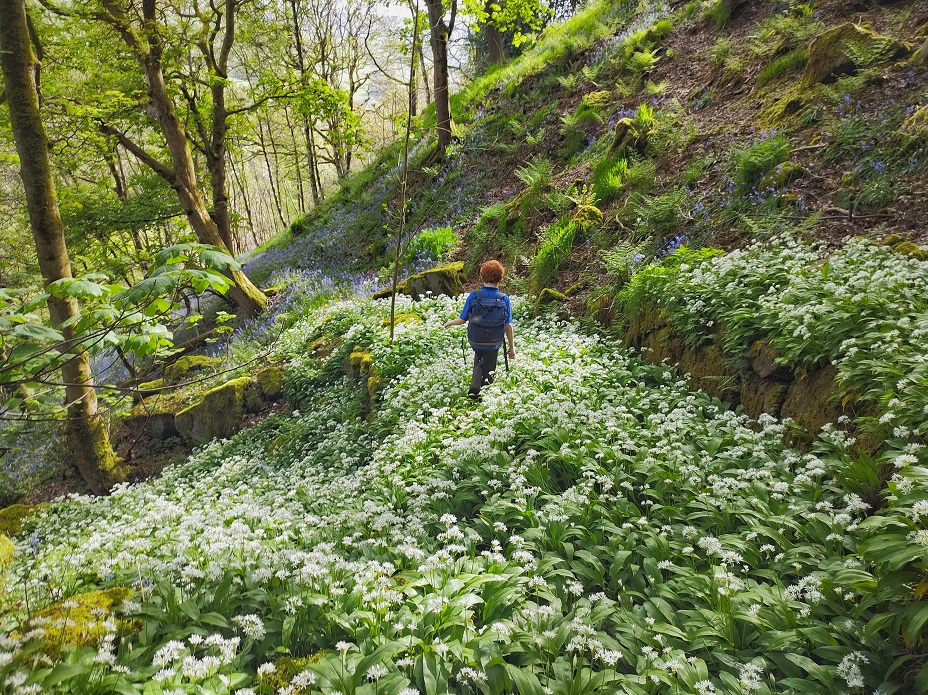

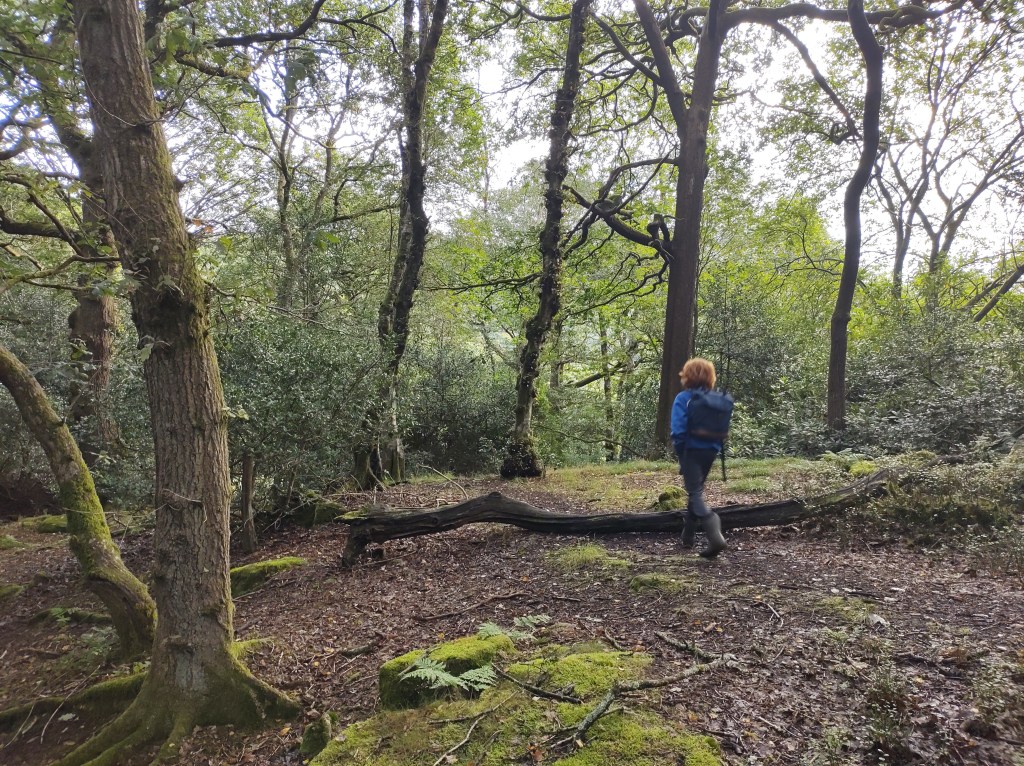

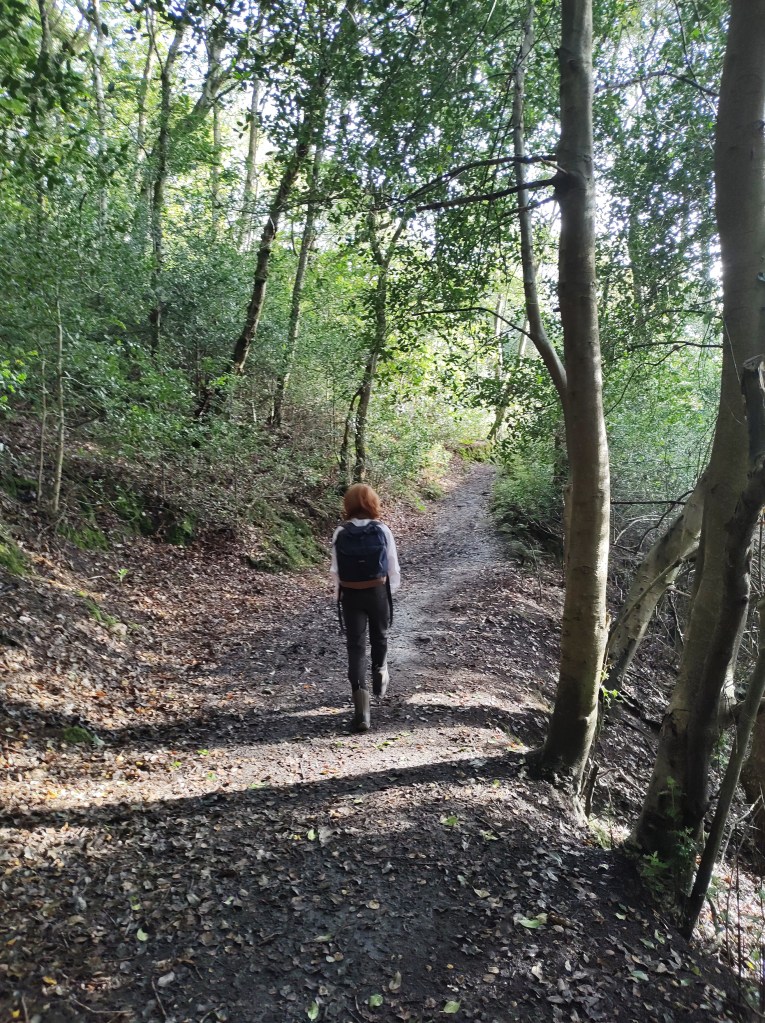
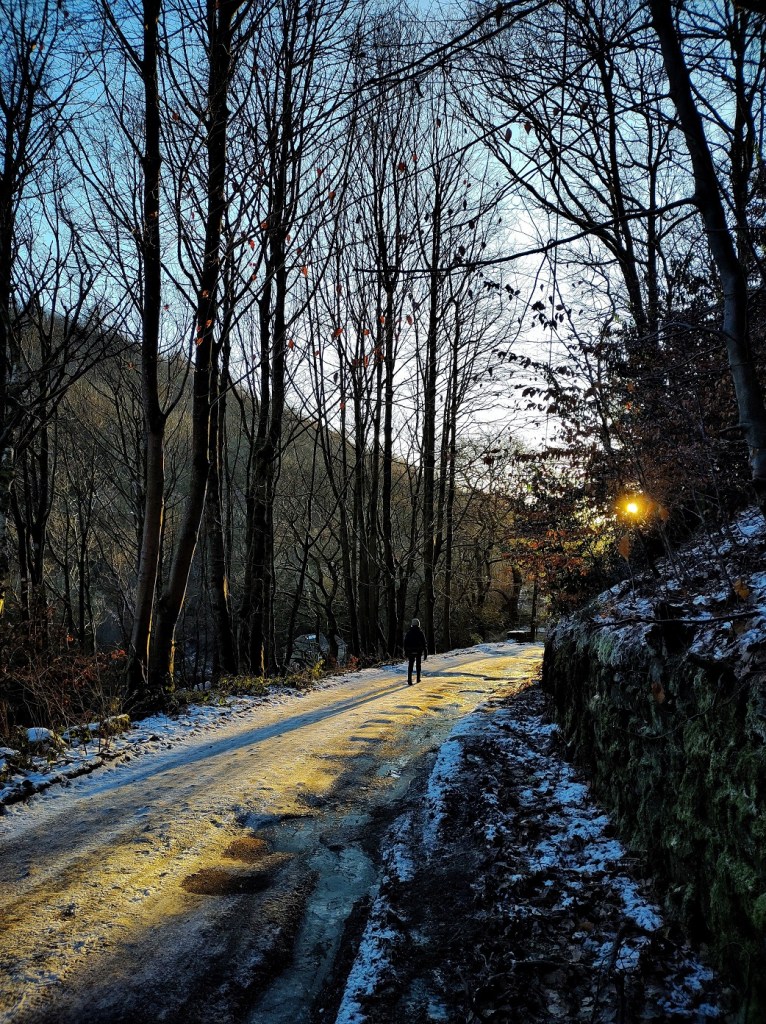

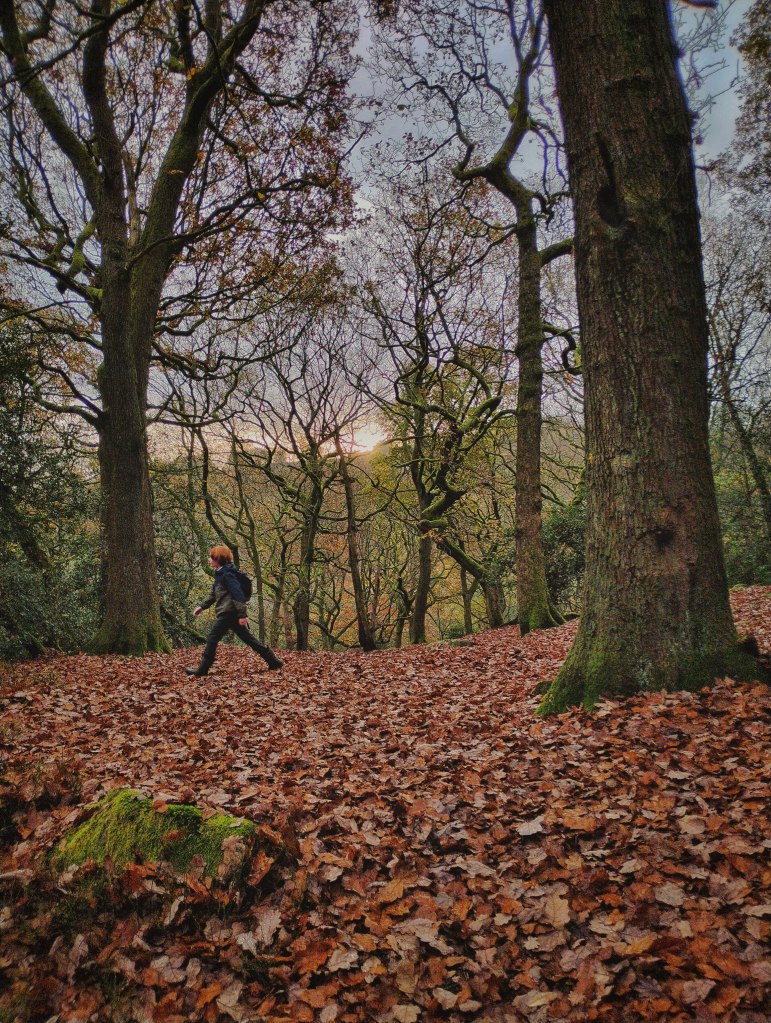
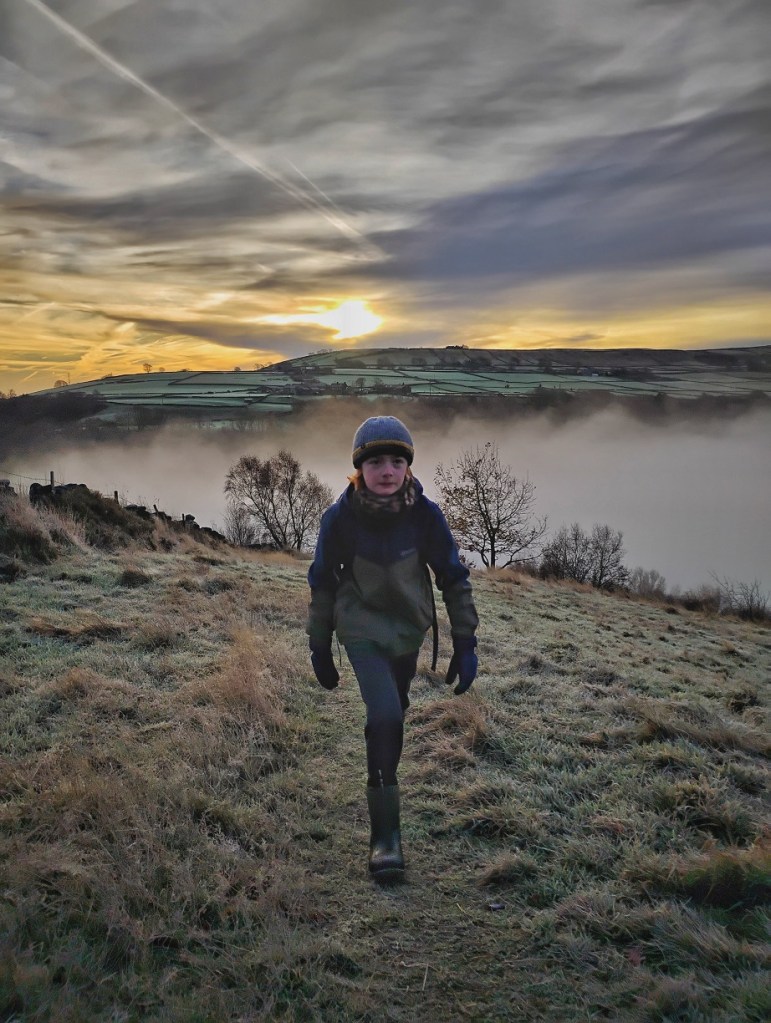
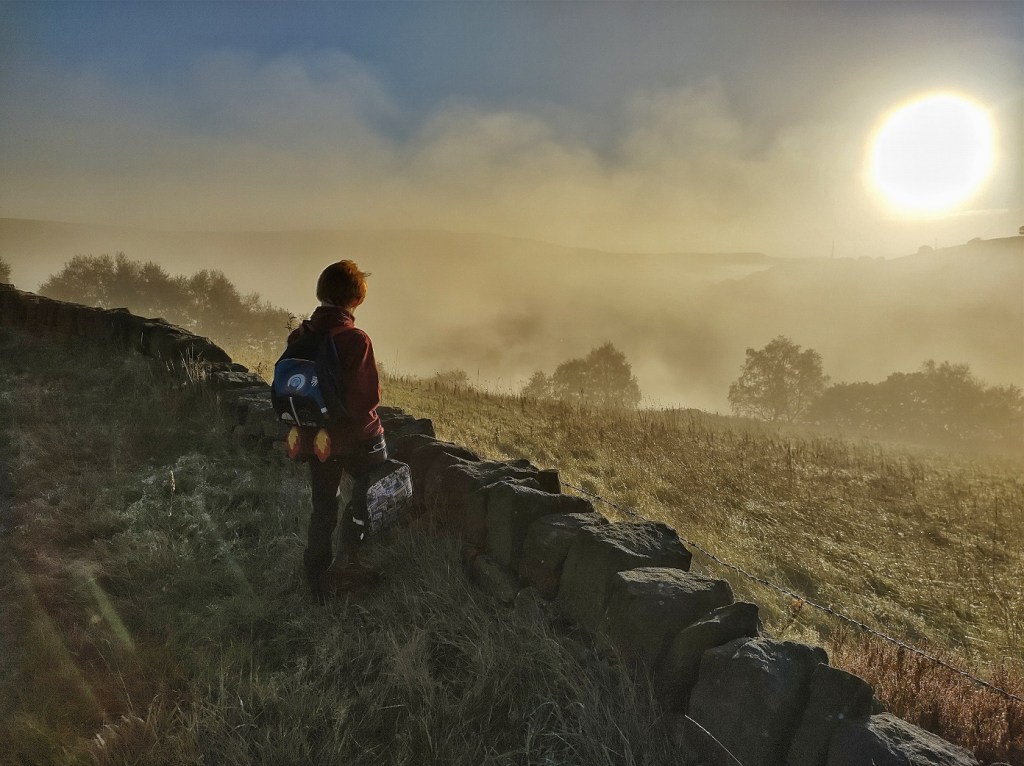
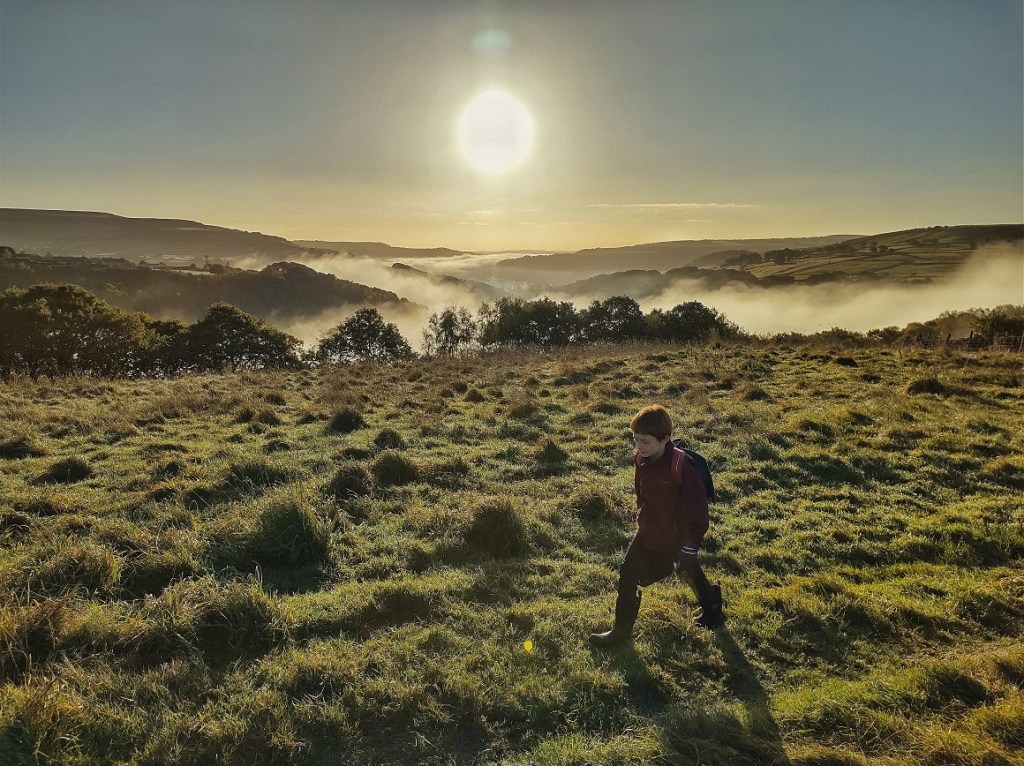
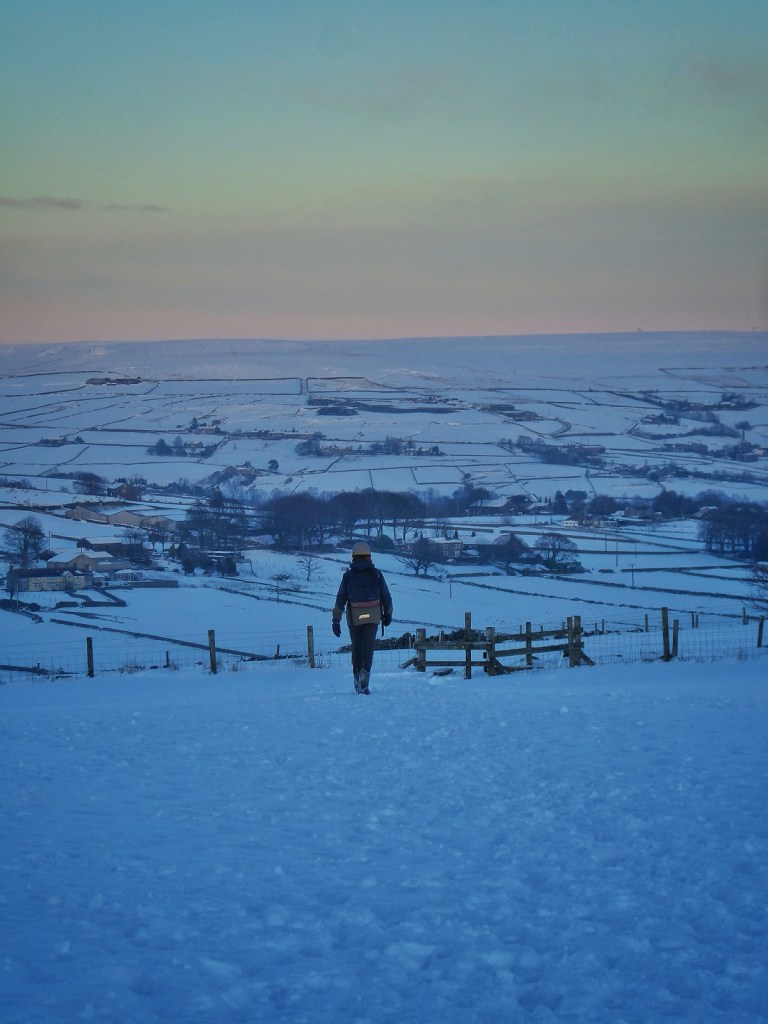
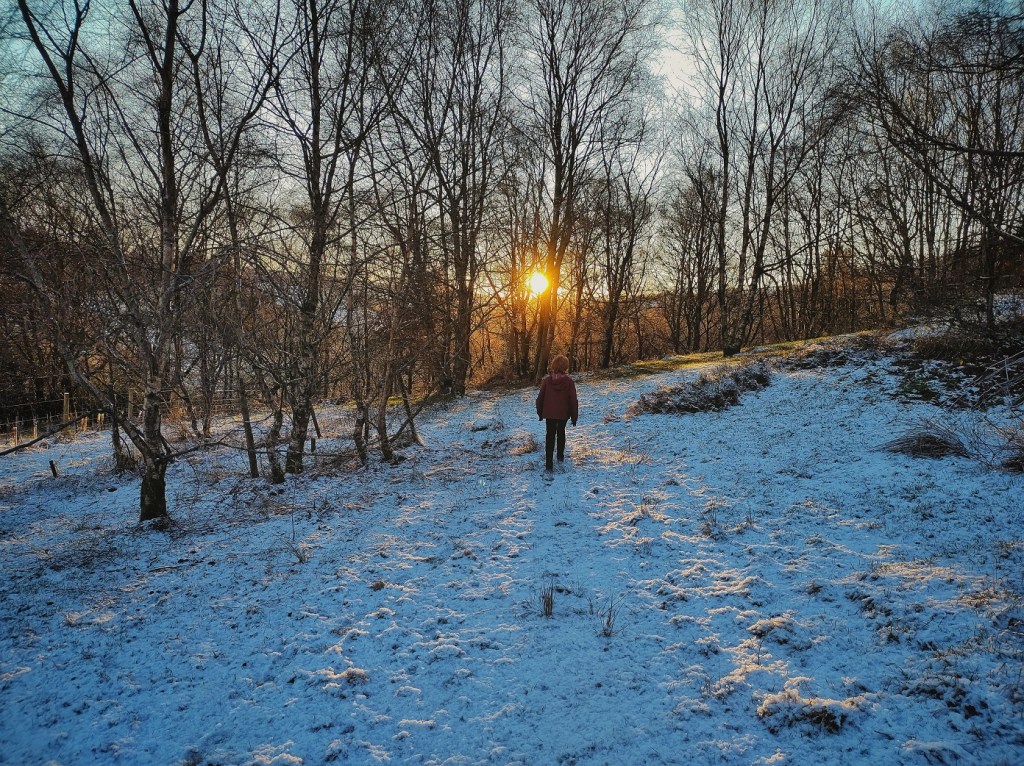
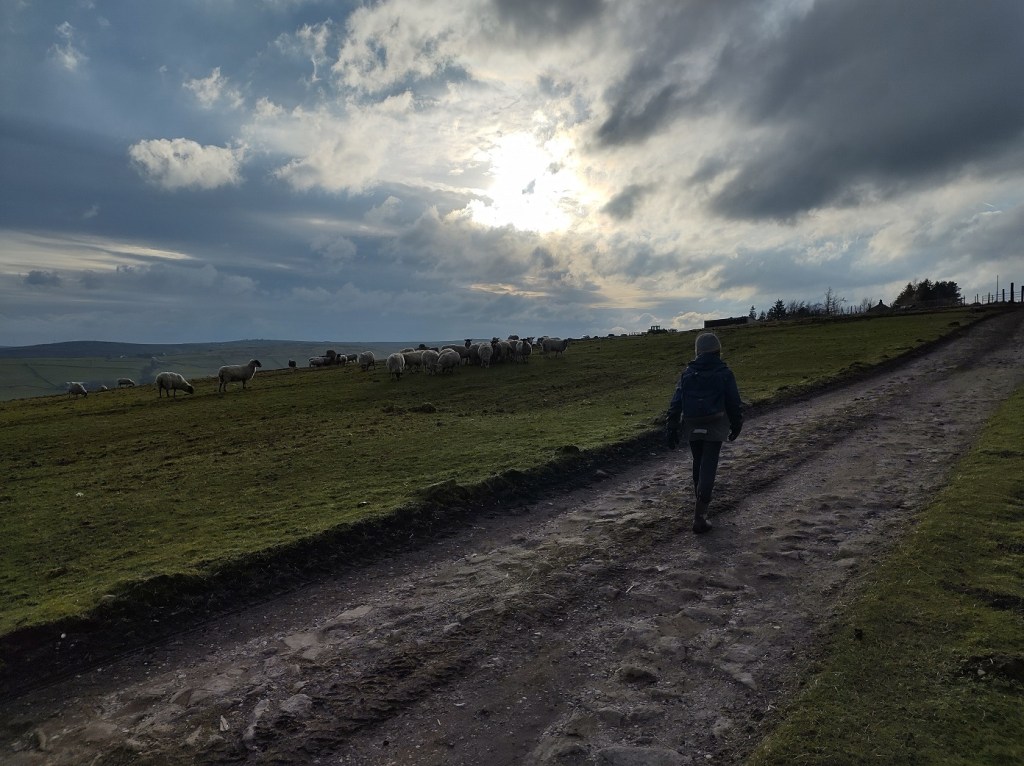
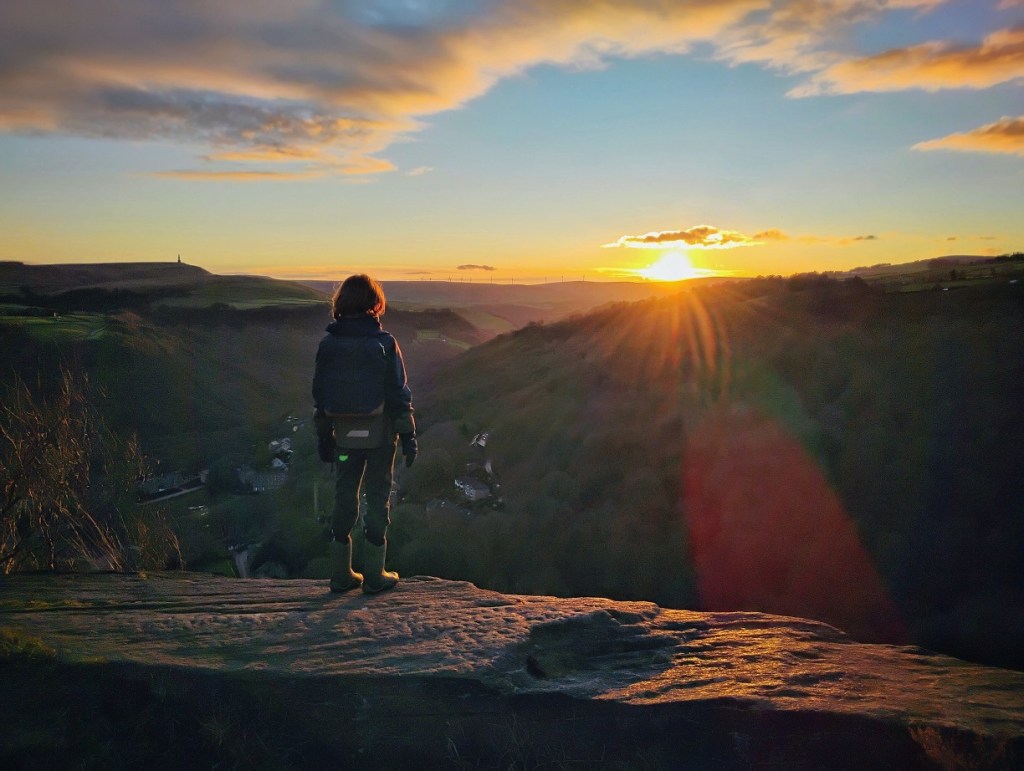
Morning school runs when we would climb further up the hill for the dawn or a cloud inversion:
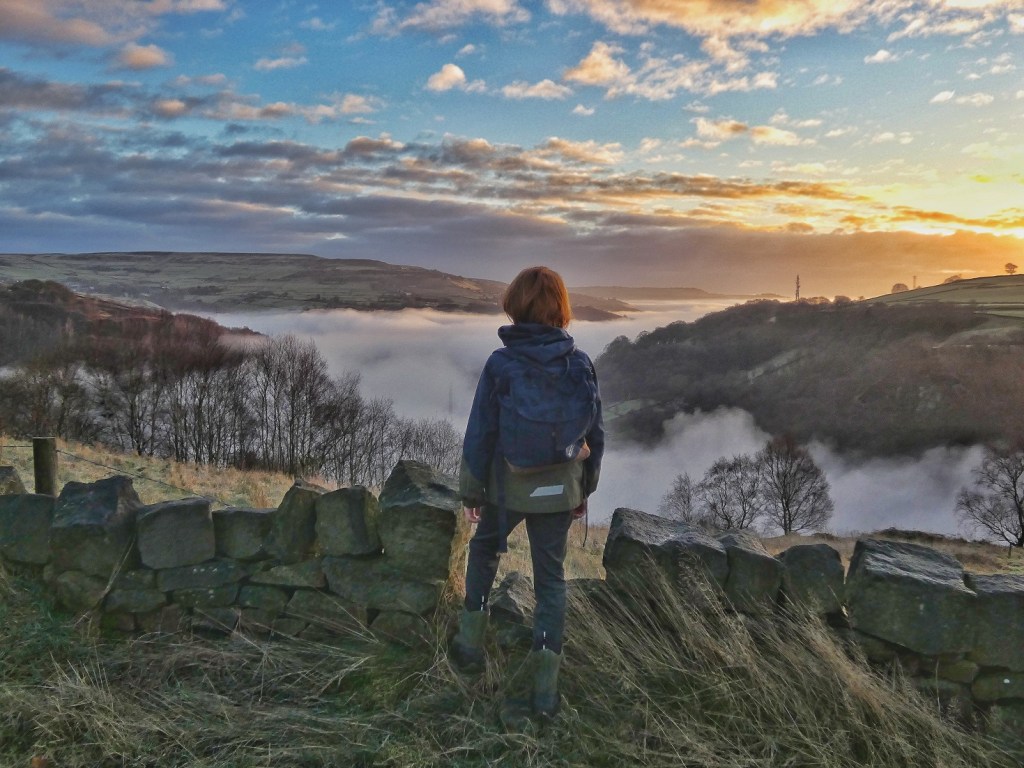
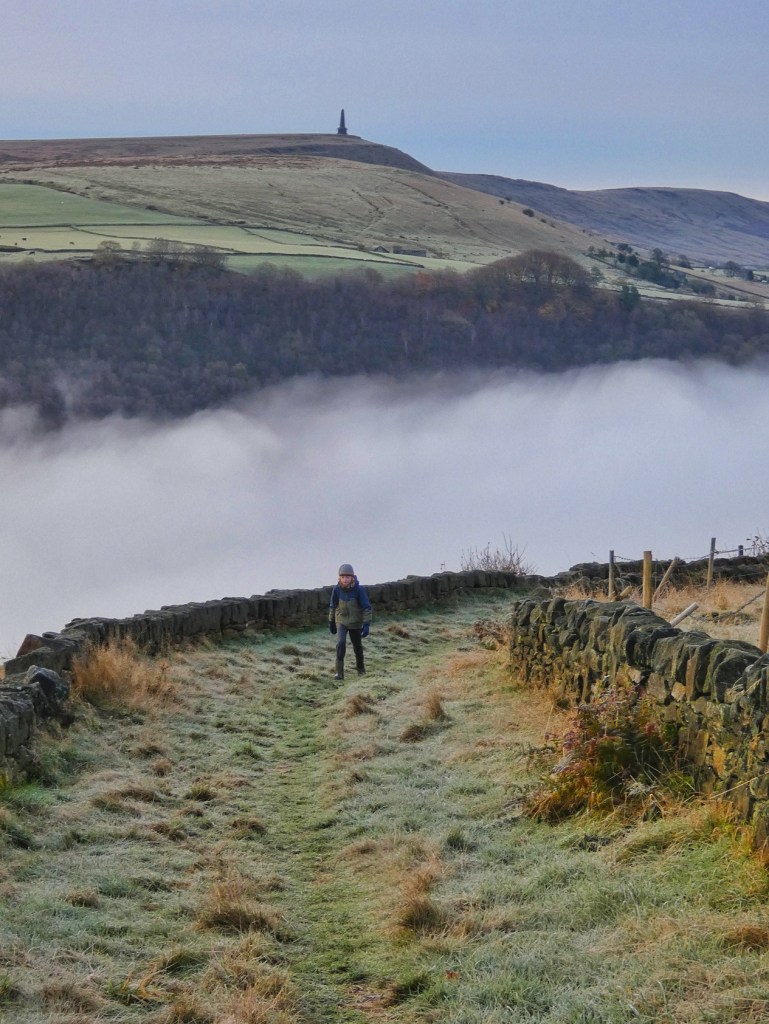


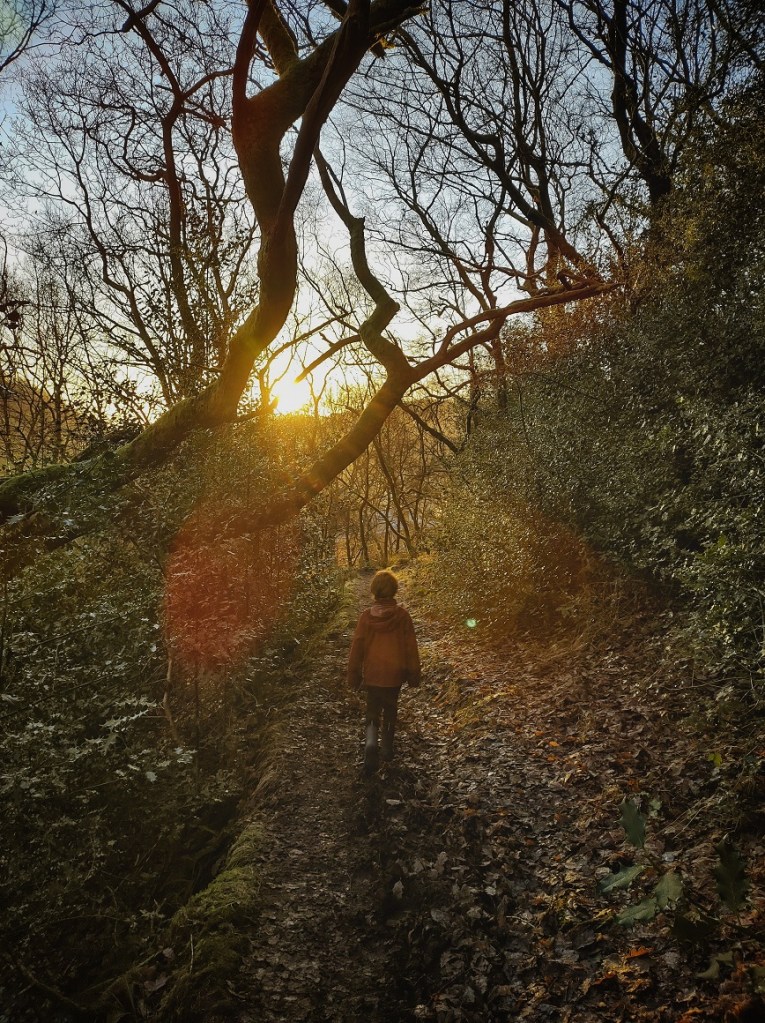


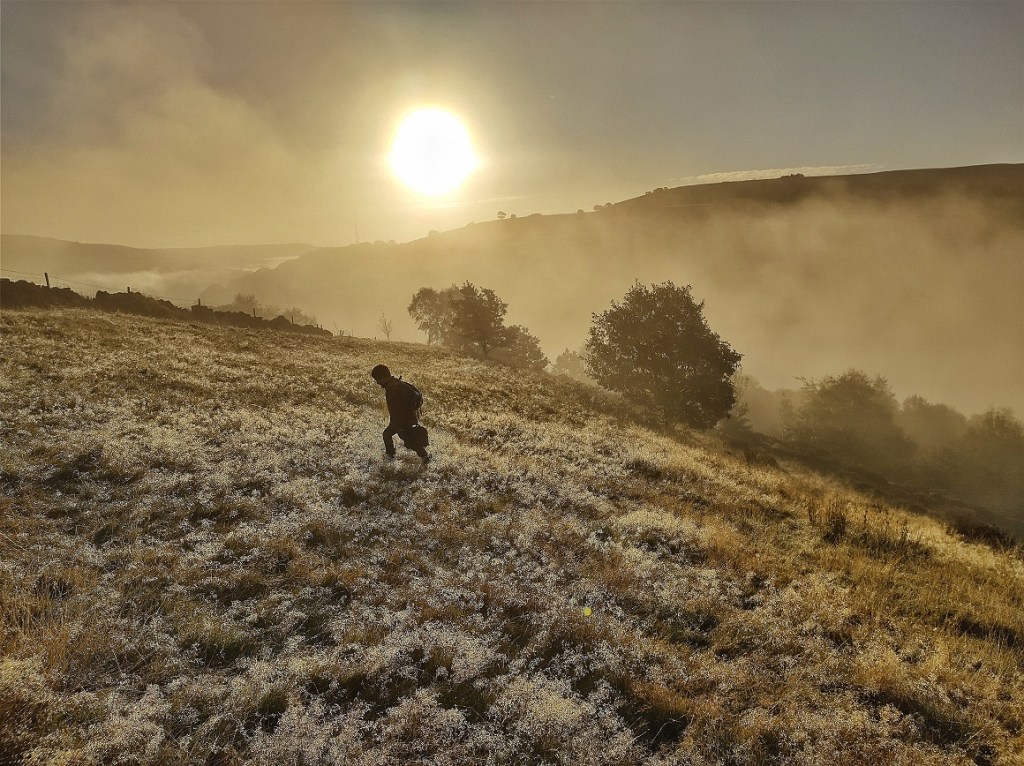


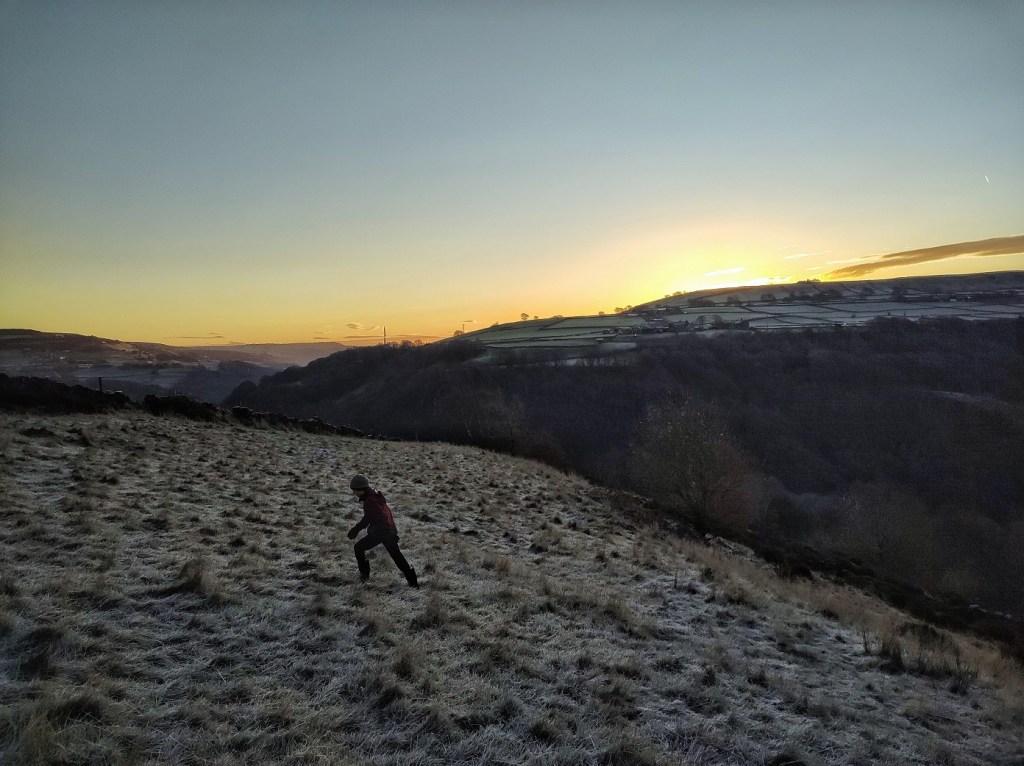





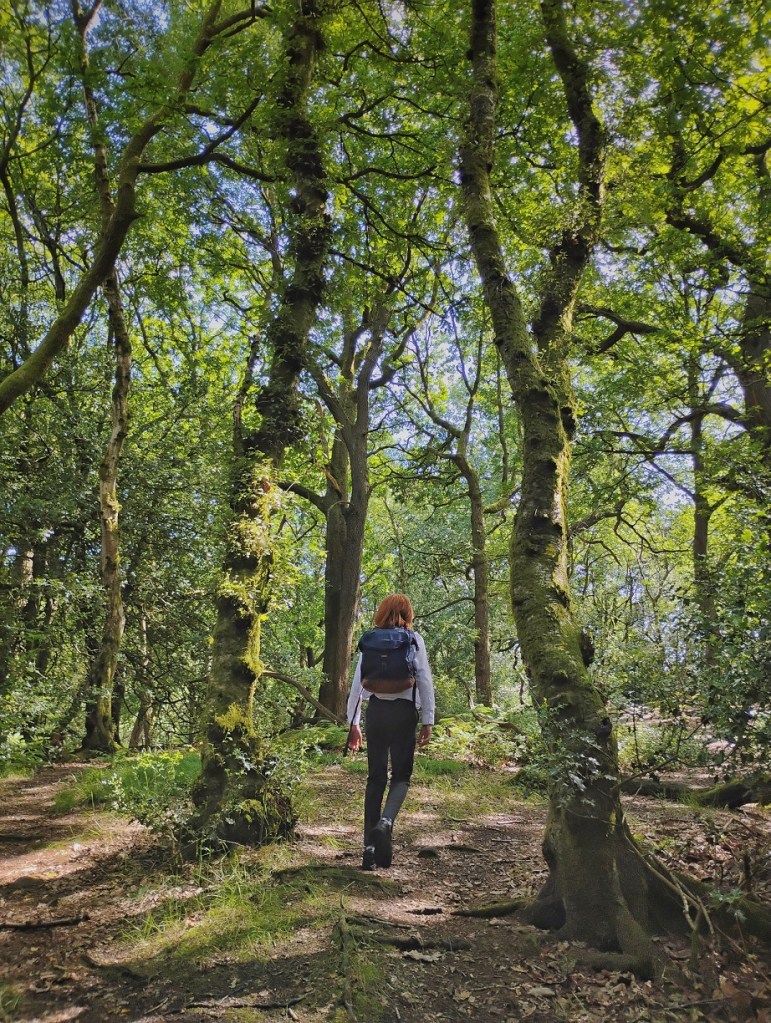
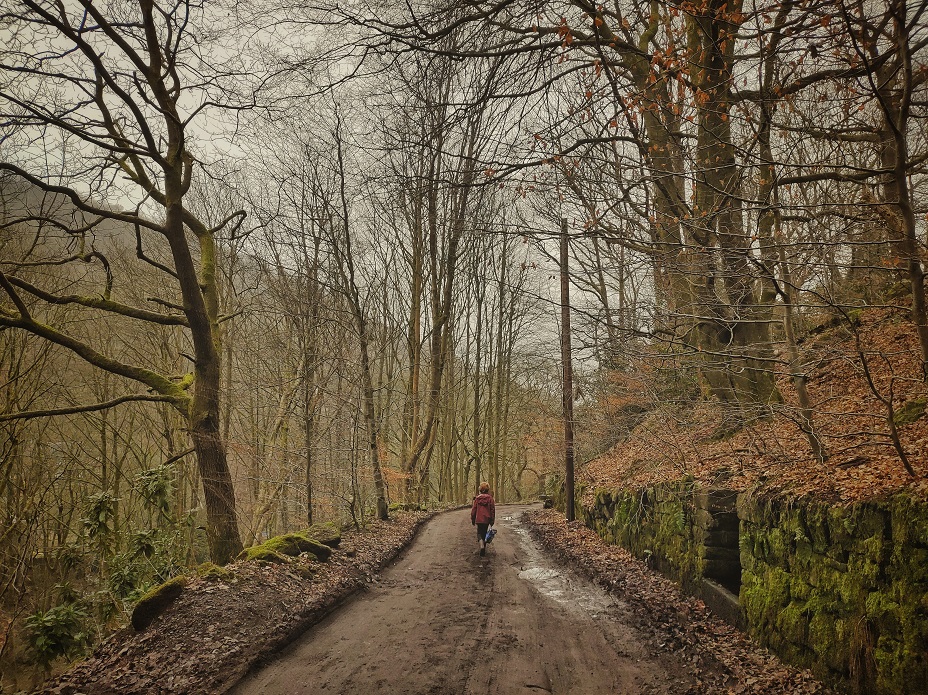
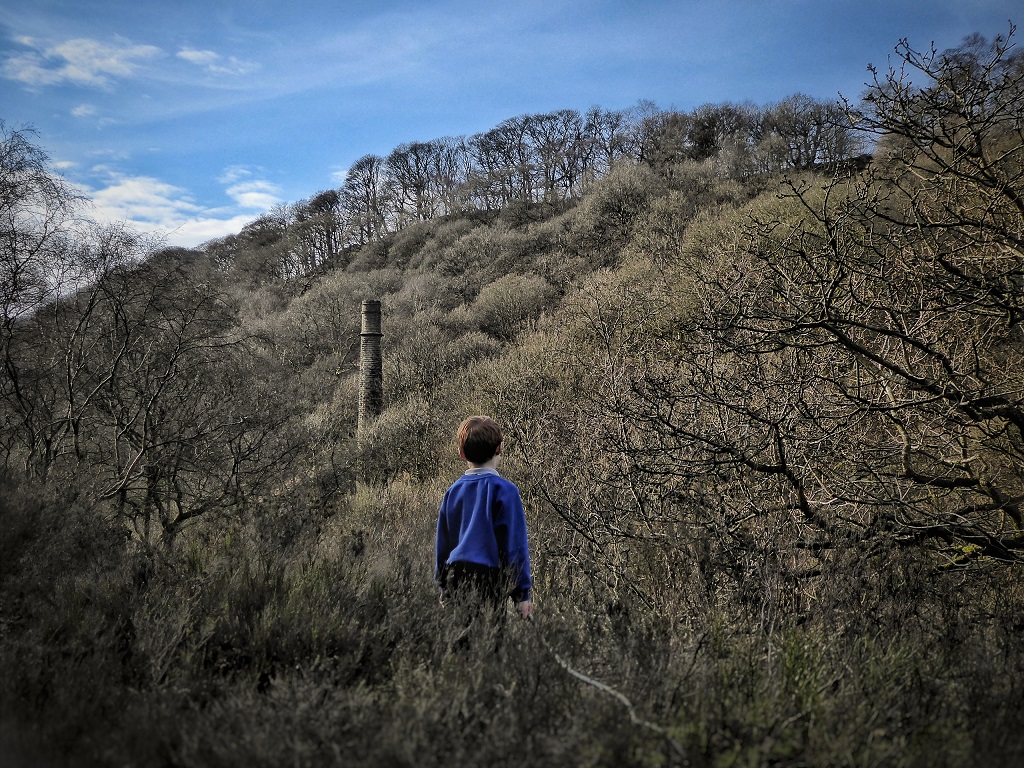
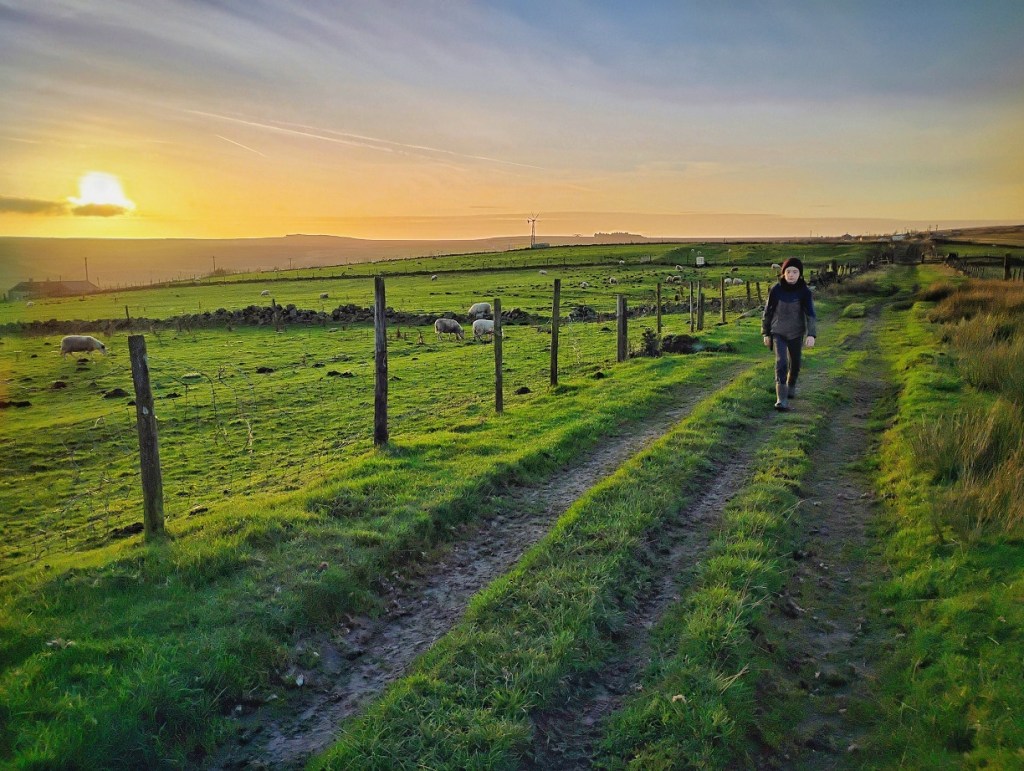
Going the long way home after school:




























 Landscape Story
Beautiful! Julia Prescott
LikeLike
Thank you, Julia.
LikeLike
The pictures drawn in words are even more evocative than the photos. Thank you for sharing such treasured experience.
LikeLike
That’s very kind, David. Thank you.
LikeLike