It’s May. It’s time for a dawn chorus. But this year, we don’t just slip out the back, listen, then crawl back to bed. This year, we walk through it – and on into the morning. After all, the singers don’t slink back to sleep.
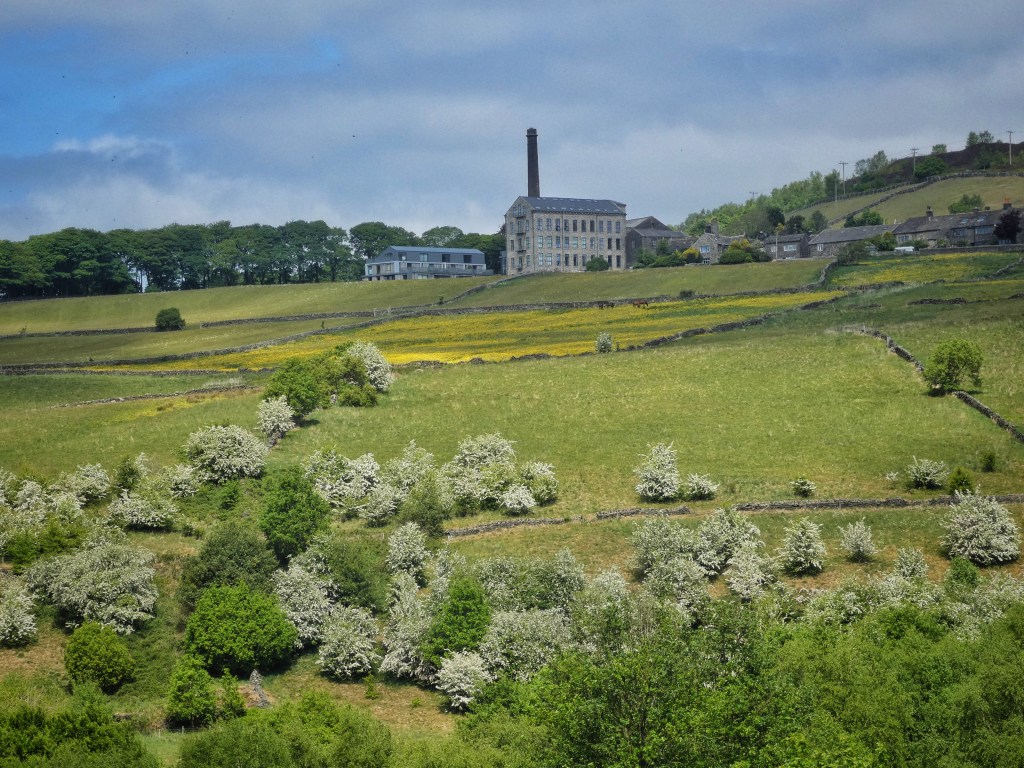
At five past four, when we quietly close the front door, the first bird we register is, unexpectedly, a heron, gliding soundless and black out of the pale, pre-dawn sky. But the robin’s soft song is soon glimmering in the dark. In the woods we need headtorches, but there are other lights when we emerge into the glades: stitchworts glowing like fairy lamps, the phosphorescence of hawthorn blossom, Venus sinking into the pink haze at the horizon.
We perch on the rocks at Naze and look down into the wooded amphitheatre of Jumble Hole. A tawny owl hoots behind us, calling time on the night shift. And from the shadows rise a polyphony of voices: blackbirds and wrens, willow warblers, great tits, chiffchaffs, blackcaps, song thrushes. We dive into the music to cross the clough.
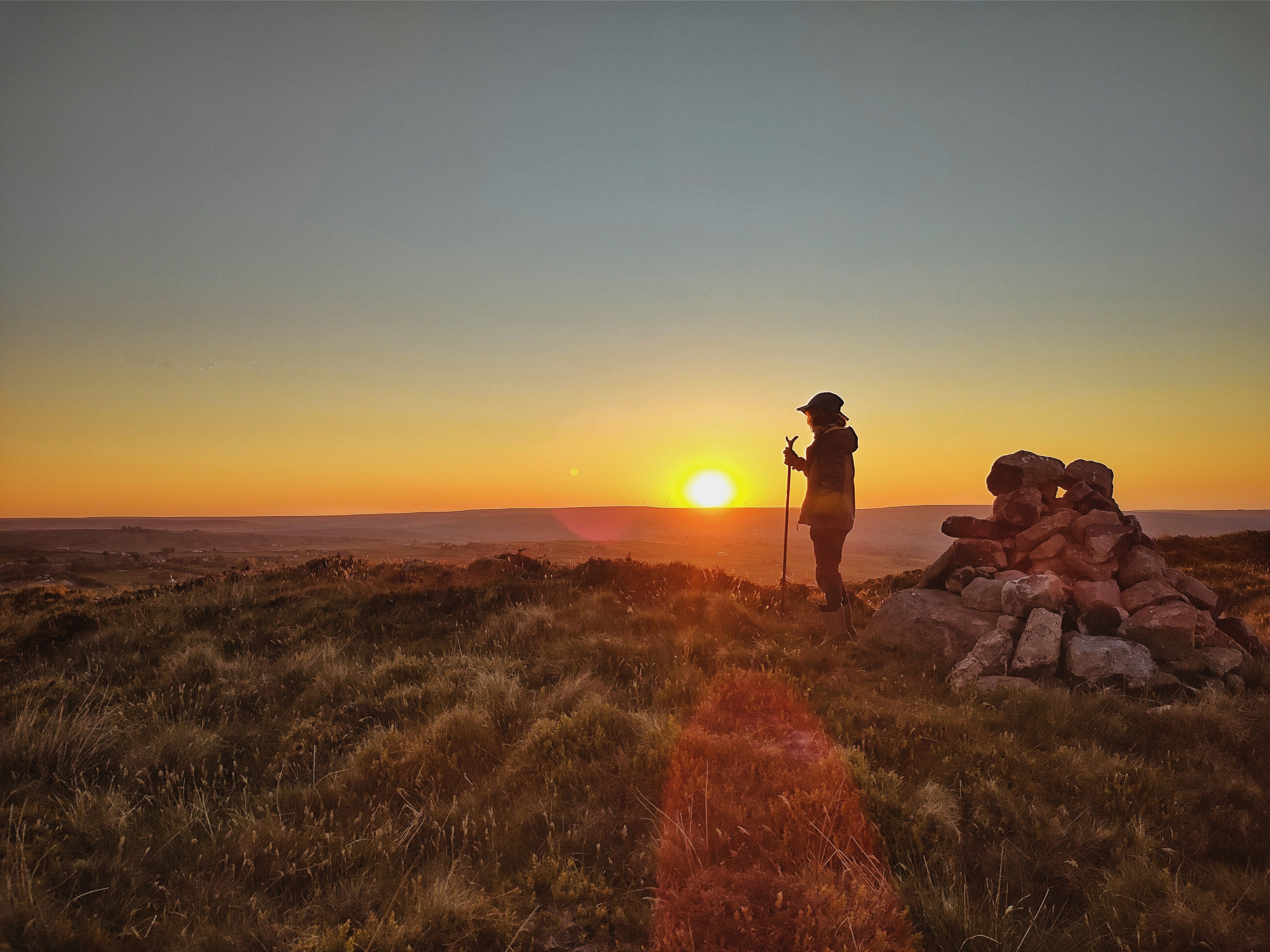
When we crest on the far side of the defile onto the wide open sweep of the tops, it’s like we’ve slipped out the fire exit of a concert hall in the middle of a finale. The dawn chorus really does belong to the valley’s trees. But there are still singers up here, if not all in perfect tune. As we sit on Great Rock, a flock of linnets chatter as they cross the fields, a chaffinch pinks from a pine, a pheasant coughs, a peacock wails. But up on the Chisley Stones, a skylark rises and draws the sun up with its song.
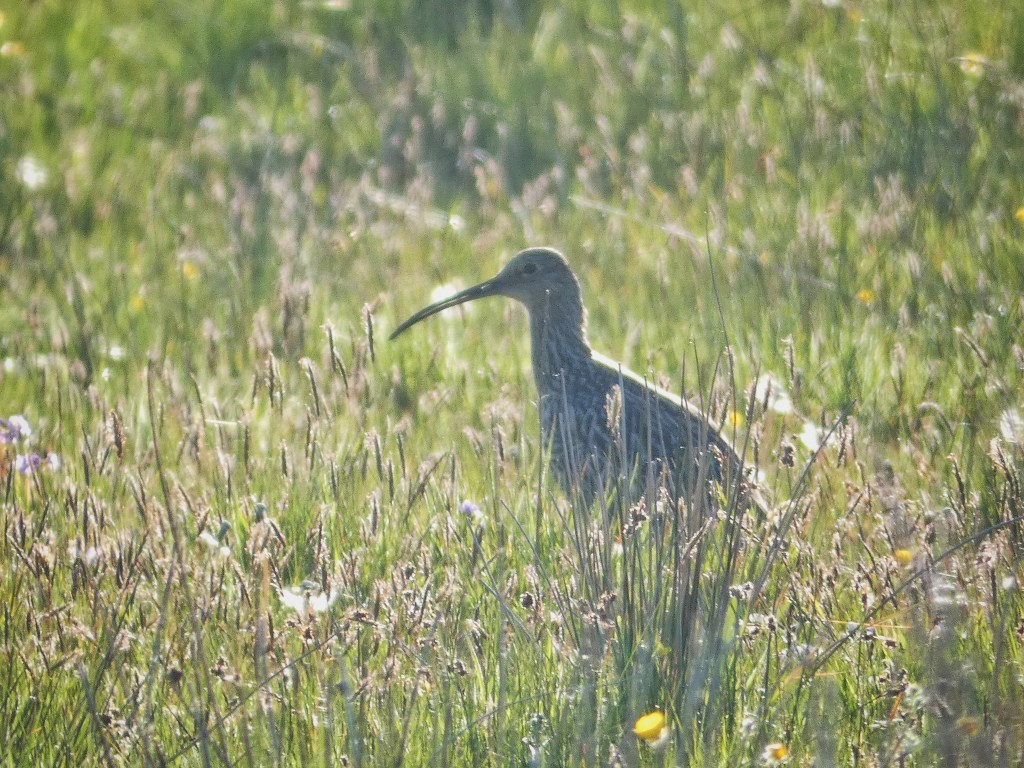
We keep walking, for hours more, tracing the rim of the moor, gleaming with cotton grass. A pair of meadow pipits ferry billfuls of food to a hidden nest. A snipe poses on a post, letting us admire it in full. A cuckoo calls. Lapwings hang with the sheep. A deer sits, facing the sun, basking, its grey winter coat shedding to reveal the russet summer underneath. And curlews – so blessedly very many curlews – calling, wheeling, pacing and probing the meadows.
By ten we’re home again. Nine miles covered. I want to give my son mornings like this – of beauty, yes, but of the abundance of life which a dawn chorus reveals, even if I know it is not what it once was. But I worry too. In passing on a love of the living world, am I setting him up for heartbreak, if we cannot stem the tide of loss? Still, for now, we revel in what remains.
Traces
Fragments of the week, caught on the edge of things.
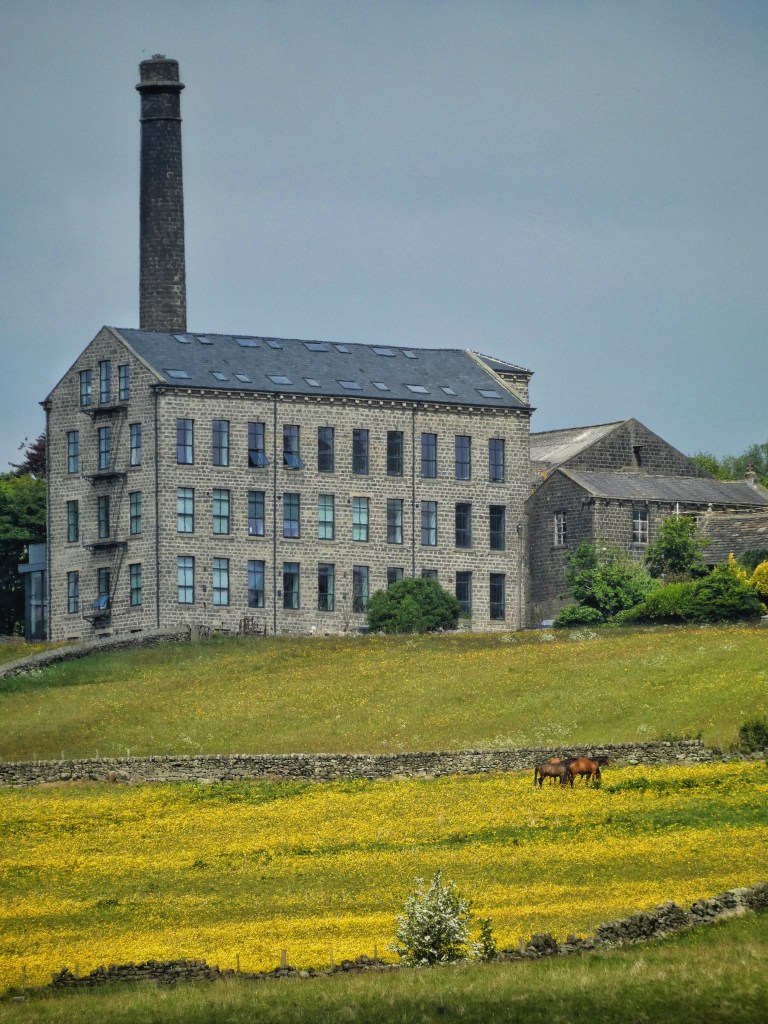
A bee crawling over cream holly flowers / Evening breezes, perfect for gliders on the green in the low sun / An iridescent fly on a heart-shaped lime leaf / The passion of local people at the wind farm meeting, defending the landscape they love / Banks of male beech flowers on the path to school / Golden light picking out the ancient patterns of the field drains / The gloss of sycamore leaves sticky with honeydew, the darkening of the road underneath, the closest we’ve had to rain in weeks / Four chestnut horses in a meadow of buttercups / Treecreeper song by the rope swing, a green woodpecker yaffle in the clough / Cars dusted with tree pollen, covered in confetti of spent catkins / A bee-loud bank of hawthorns / A nuthatch hammering at a willow and levering off a flake of bark.








Thank you – your son’s appreciation of his surroundings and awareness of what’s happening will put him in a good position to deal with the future. Whatever you do as a parent you can’t protect your offspring from heartache – it’s part of living and being aware of life in it’s many varied forms.
LikeLike
Thanks David. I suppose it’s the lot of a parent to worry, but you’re right, of course.
LikeLike