Bindweed knits nettles and balsam, great willowherb and wild raspberries together on the verges. Children pluck the white trumpets of the first, either affixing them to their noses with inhalations, or squeezing the calyx to launch the corolla into a graceful twirling descent to the ground, an old game that gives it one of its many vernacular names, Granny-jumps-out-of-bed. Soon, they will be flicking the flowering balsam to explode the seeds on the road, and picking the almost-ripe raspberries. They have already been at John’s blackcurrants and gooseberries on the green, the former with relish, the latter with mixed results, some of their faces puckering at the sharp sourness. It has been a good year for them, though, so there will still be plenty for John to make his annual batch of wine.
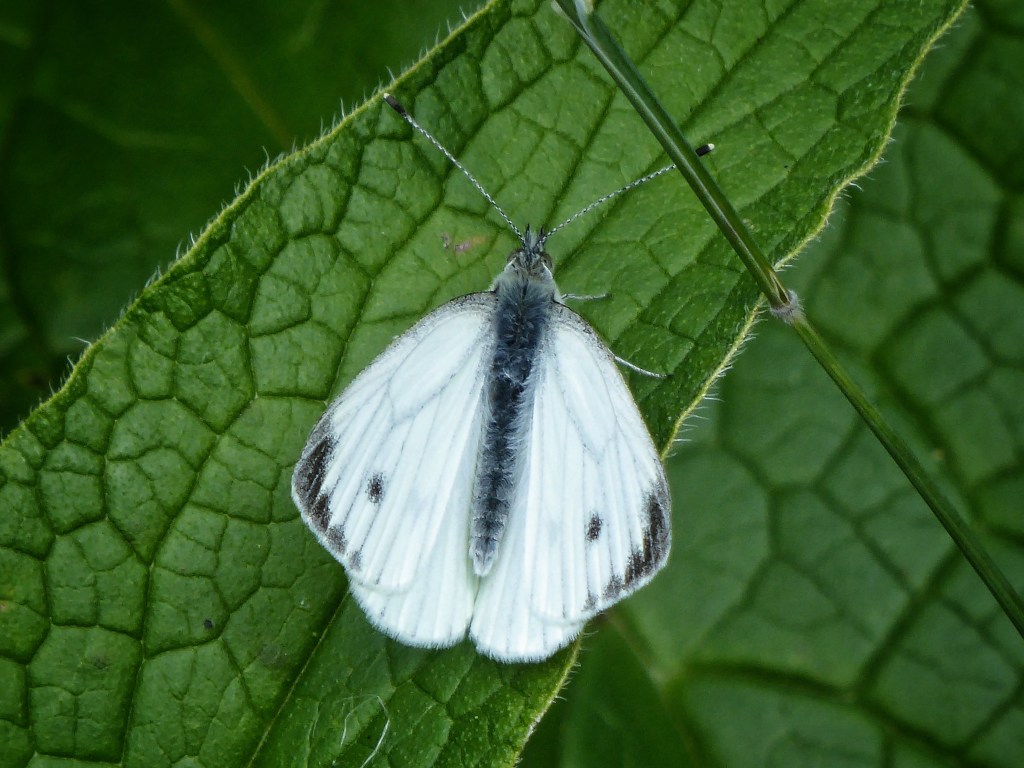
Bumblebees crawl over the candyfloss-coloured teasel flowers that tower along the roadside, oblivious, apparently, to the bristling terrain of each oval world that they must circumnavigate. A fleet of red admirals are having an easier time of it on the billows of violet buddleia that overhang the final yards of the Colden Water before it joins the Calder, and the honey-and-hay scent of the privet hedge on Victoria Road, granted the rare privilege of flowering as so few privet hedges are, is so overwhelmed with grateful insects it is a wonder there is any to spare for other blooms in the valley. But the ragwort that is emerging wherever it may and for however long that overzealous weeders allow it for is doing its best to compete. A forest of that other maligned plant, dock, has colonised the former grounds of Mytholm Mill, where a wonderland of scrub was so brutally levelled two years ago, apparently to no purpose other than to spread the scourge of tidiness. The pavement that fronts the site, now subject to planning applications for houses and industrial units, is fringed with redshank and mare’s tail. Enchanter’s nightshade tries, to little avail, to illuminate the gloom of the dank woods with its tiny white flowers, and out on the green, the delicate seedheads of common bent catch every drop of the fine drizzle, suspending them like a dawn mist just above the ground.
Three jackdaws wade among and dip their black bills into this pale haze, and are joined by a pair of magpies, each indifferent to the other. The thin calls of robin chicks fill the young woodland beside Gareth’s allotment, his immaculate new raised beds thriving with onions and leeks and lettuces, potatoes, strawberries and rhubarb, and the greenhouse, which he translocated from John’s old Knott Wood allotment last year, is bursting with tomato plants. In Knott Wood where it once stood, the pathetic coughs of tawny owl chicks echo in the quiet all night long.
After a year and more of preparation, Open Space 70, this year’s Hebden Bridge Arts Festival, is finally here. Its scale is staggering, with 70 talks, walks, workshops, exhibitions, performances, film screenings and other happenings taking place over its four days, all oriented around the landscape and its wildlife, and the climate and ecological crises into which we have plunged them. At 21 venues, from the Town Hall and the Hope Baptist Chapel, to allotments, a Post Office and a bowling club, there is a host of exhibitions of photography, children’s art, short films, poetry and pottery and much more, many made in collaborations between artists, environmental experts and community groups, including school groups, young carers, youth centres and refugee and asylum seekers. It is a celebration and a protest, a collective act of bearing witness, of finding a way to galvanise, to grieve, to make something of beauty out of loss even as we still seek to stem that loss. It is a demonstration of what art can and must do for society.
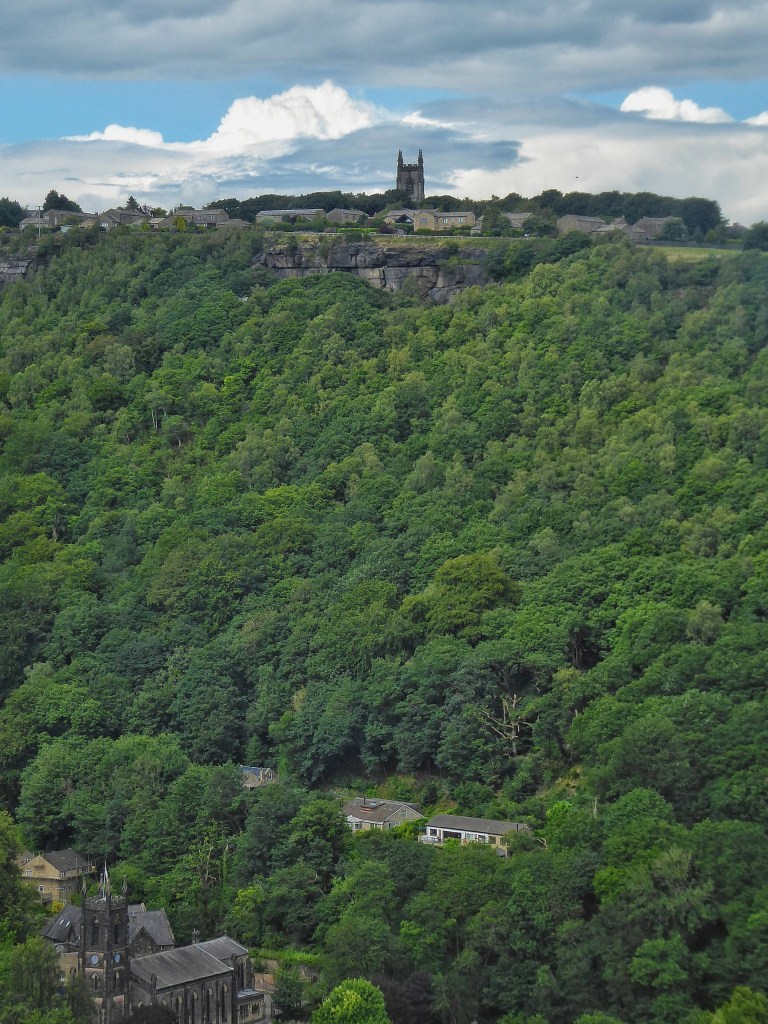
On the Stubbing Brink hillside, sunk within a forest of ferns and hogweed within which paths are cleared for the canine patrons of the Leads Away dog park, is the boundary of a different kind of park, a deer park from the 1300s. Still marked on the 19th-century OS maps with an ‘S.R.’ for Sowerby Ramble – an administrative vestige that survived until 1850 – it remains the boundary between the civil parishes of Hebden Royd and Erringden and is clearly visible on the ghostly negative images of Lidar maps, and in some satellite images. There are no dogs rampaging over this old threshold today, just a froglet inching up the cobbles of the path that arrows up to Horsehold Road, the black seed pods of vetch on one side, foxgloves that have all but fizzled out on the other. Honeybees are hurrying in and out of the multicoloured hives in the field above, hopefully sensing and responding to the headlong rush that the plants seem to be in to finish blossoming, and set and scatter their seed.
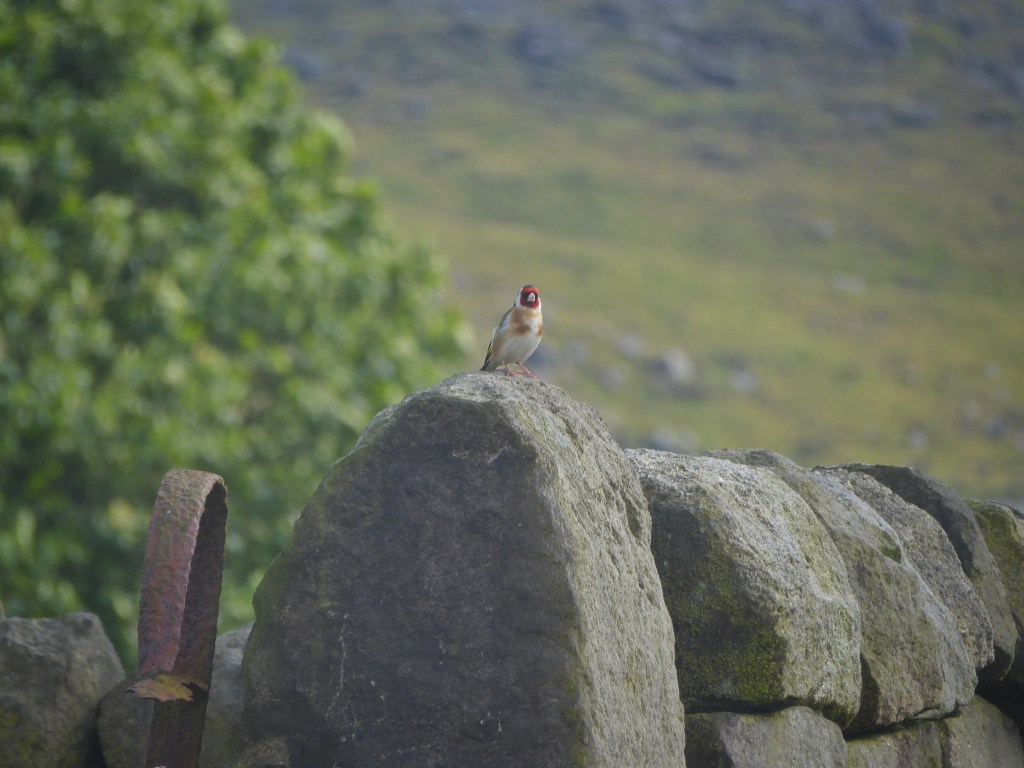
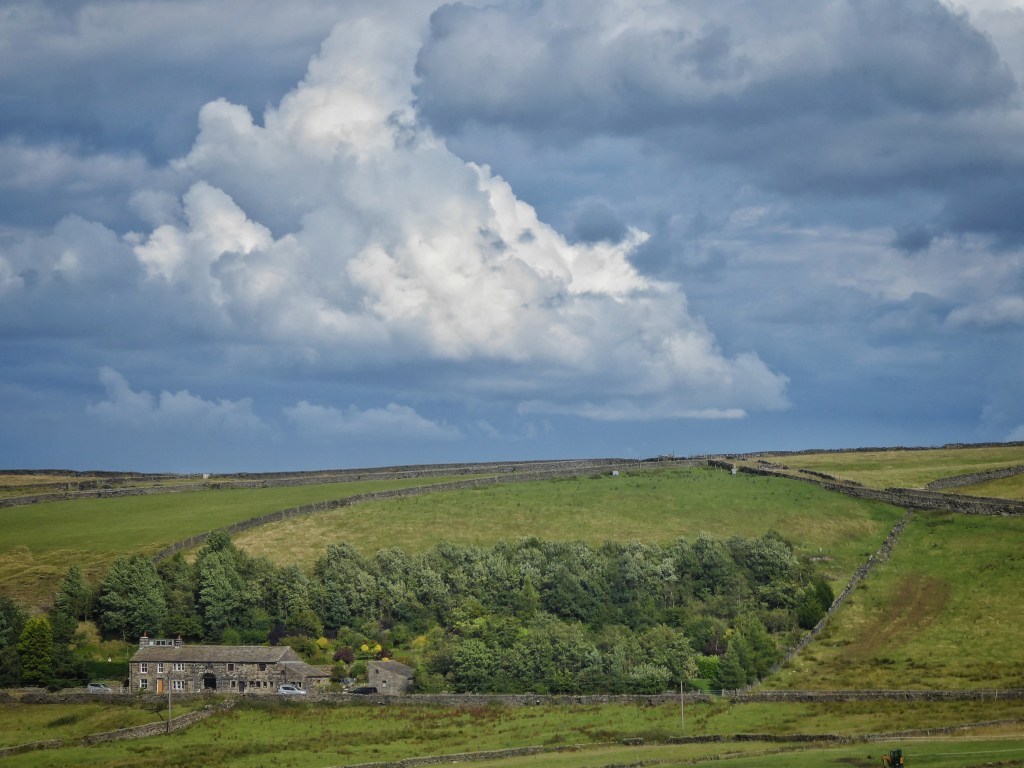
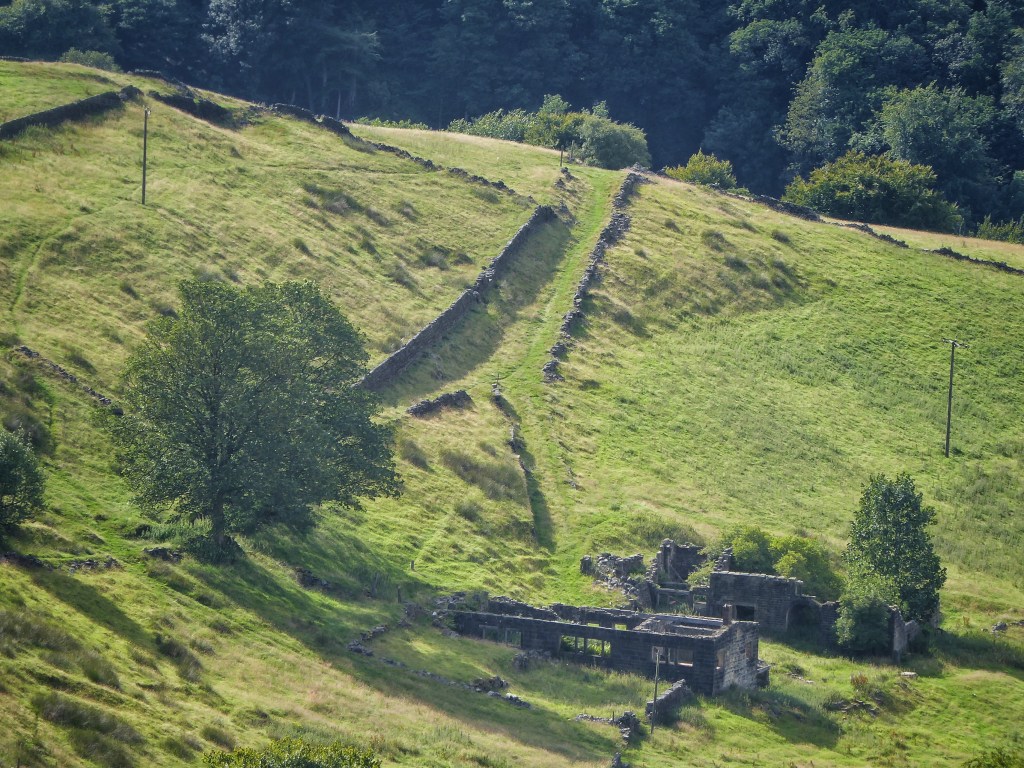
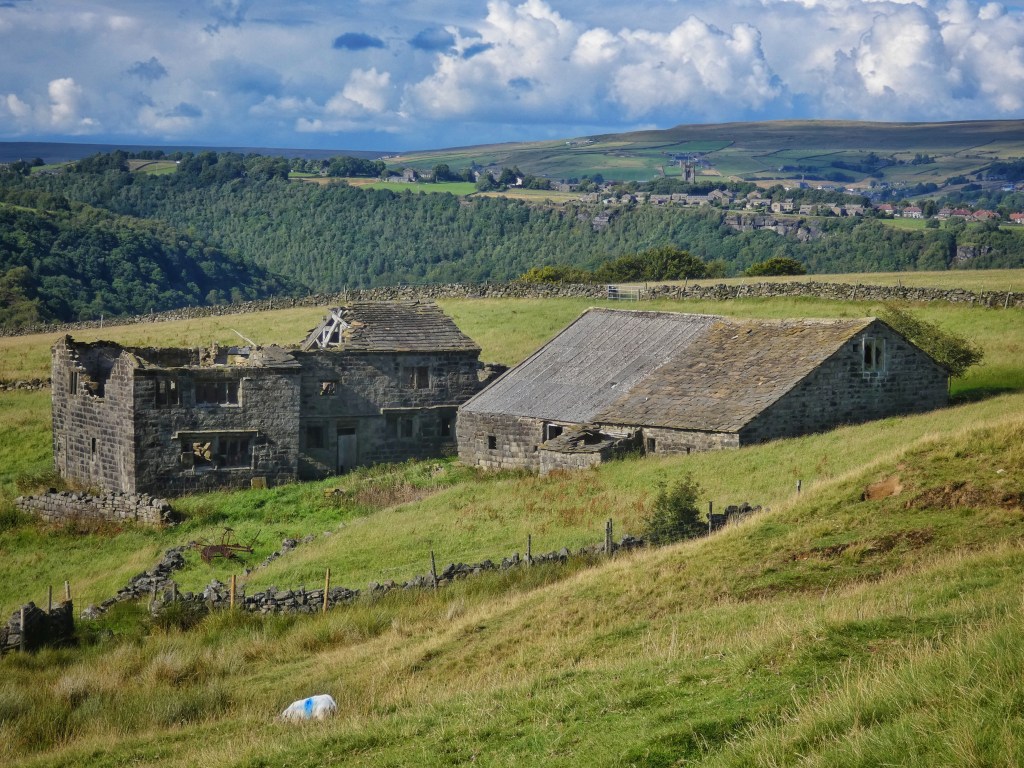
Goldfinch chase the field sow thistle seeds that blow across the cobbles of Horsehold Road, while in the settlement of the former vaccary of Fernyside, the closest that Erringden has to a hamlet given it missed out on this stage in the development of the valley in earlier centuries while it was under forest law, the sheepdogs of the last of its farms lounge in the road before their next task. Up the lane, the blackthorn hedge is beginning to recover from a vigorous pruning in the last few years, water trickles down a field drain, and the first harebells are out. Most of the farm’s cattle herd are sitting or laying in the lush grass, enjoying the sun after days of rain and at ease with the swallows that dart and chitter among them. The Gibbon’s herd are the latest in a lineage of cattle stretching back at least 700 years, but the llamas that peer over the drystone walls nearby are a new addition to these ancient fields.
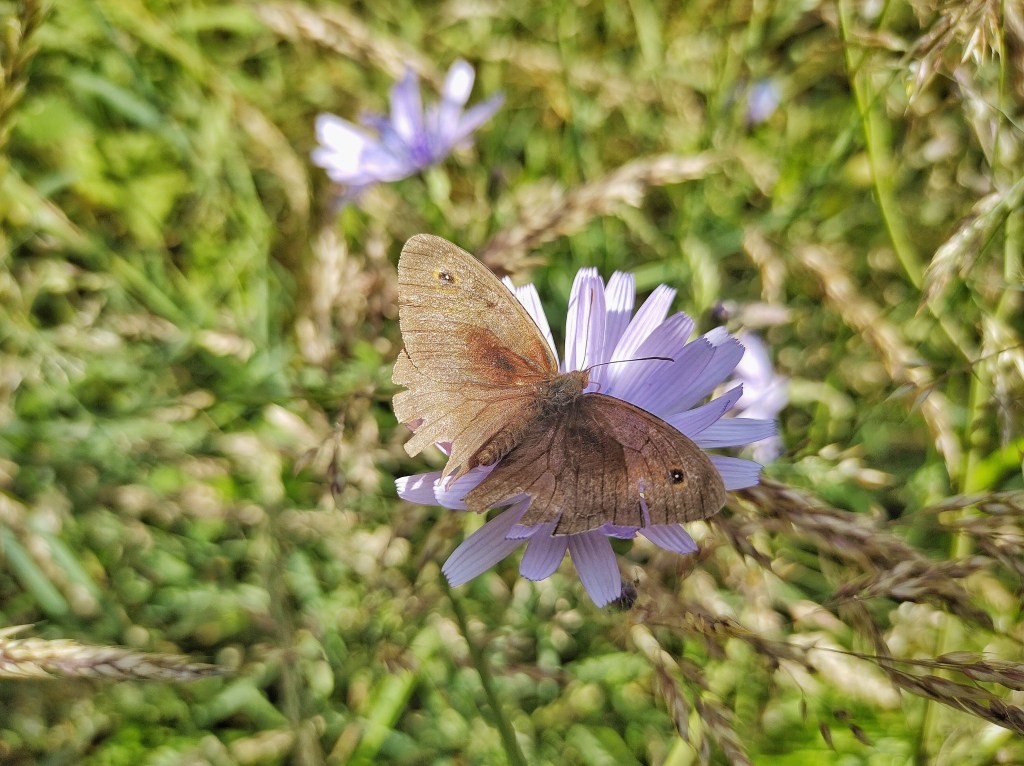
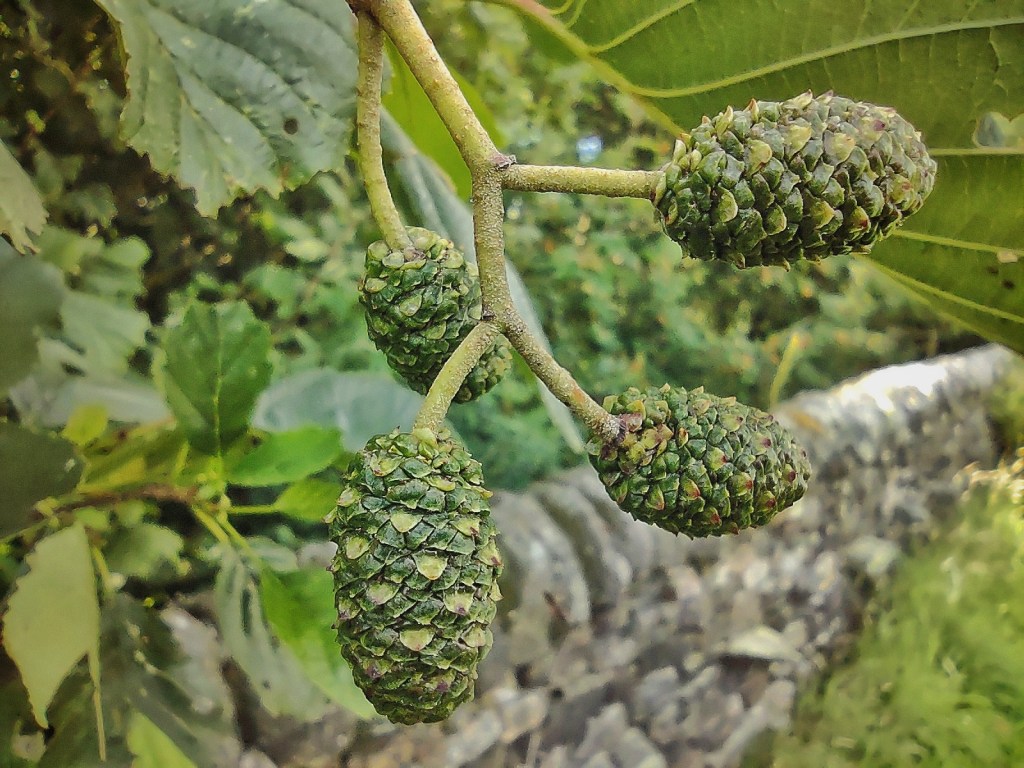
Honesty has joined the ash and sycamore in one of Armytage Rhodes’ enclosures and it lines the verges of the lane to Pinnacle Farm, its translucent discs containing its seeds fluttering in the breeze. In the woodland that surrounds the farm, alder cones are developing and rowan berries are well on their way to their late-summer redness. Clouds of meadow browns, their ragged wings showing their age, make the most of the valerian and common blue sow thistle along from the stone water trough. At Lower Rough Head, linnets, all pings and trills, make way on the coping stones for a silent meadow pipit, a crop of caterpillars hanging from its bill. A host of fledgling jackdaws soar from the roof slates of the barn, circle and settle again.
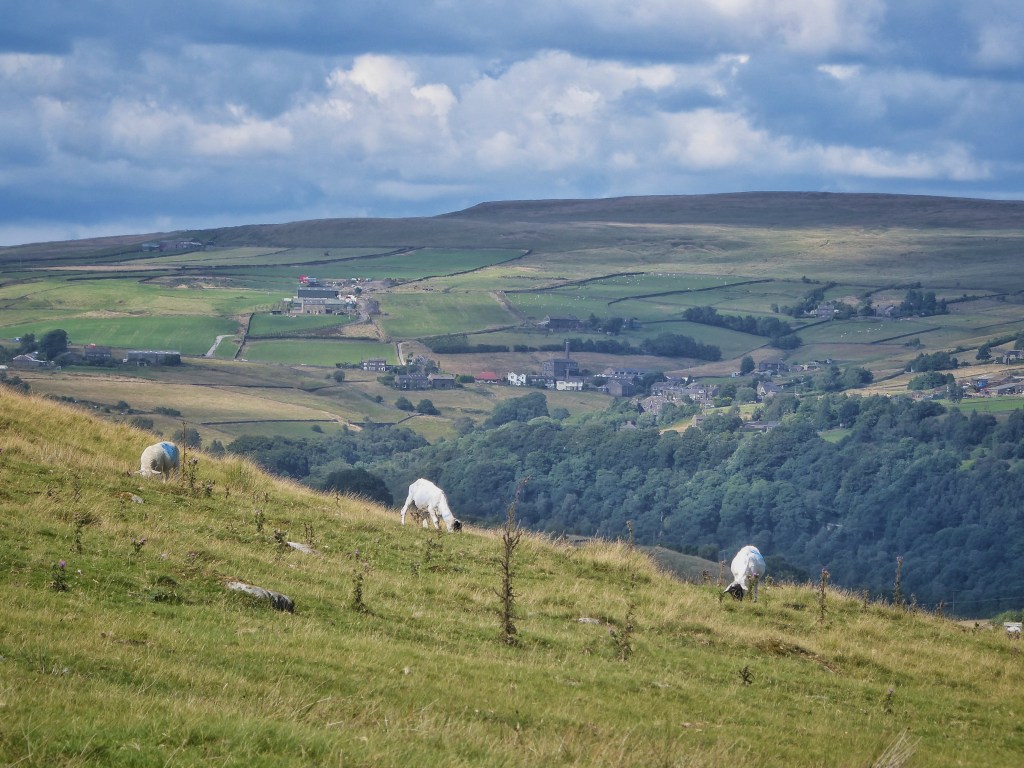
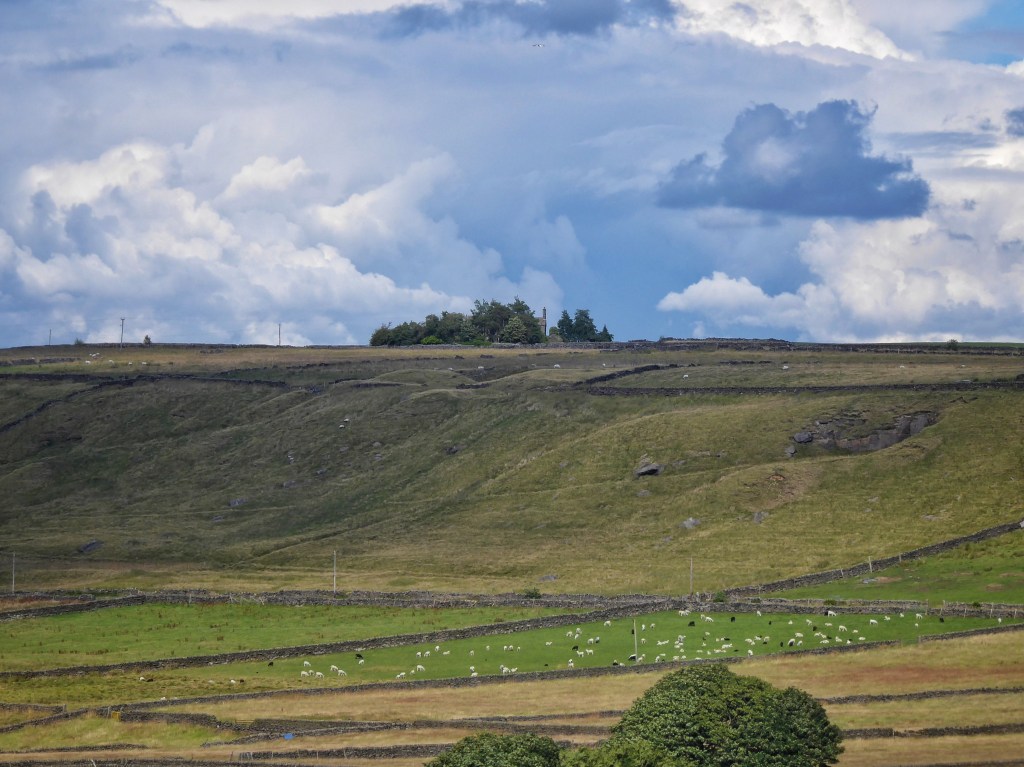
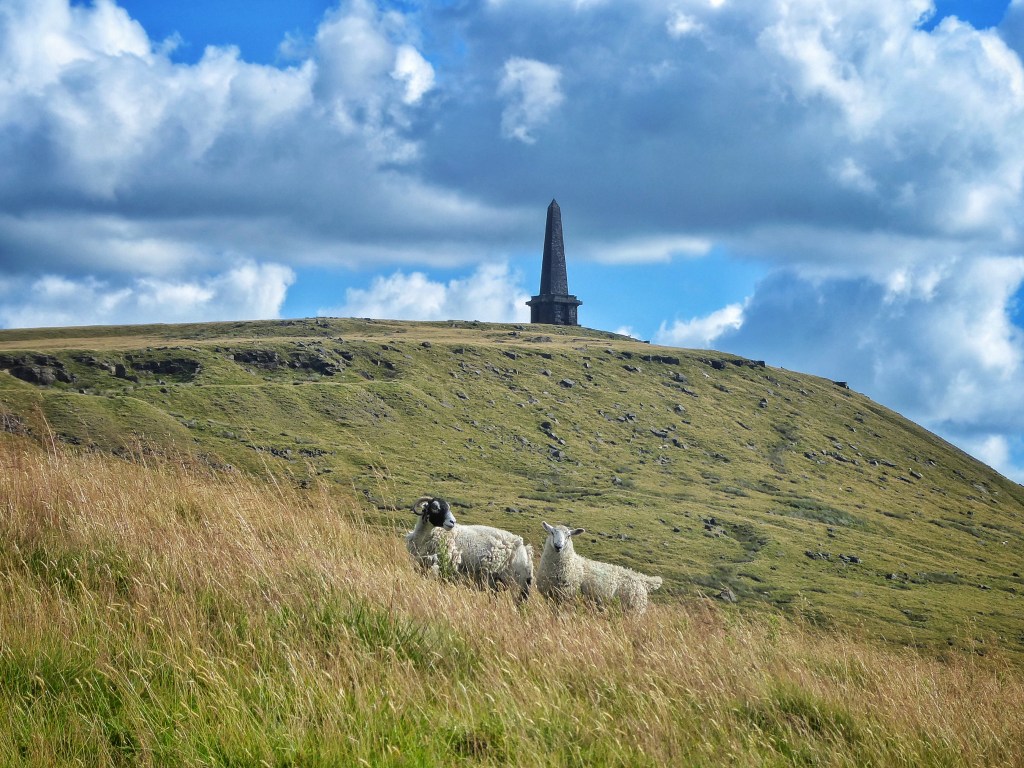
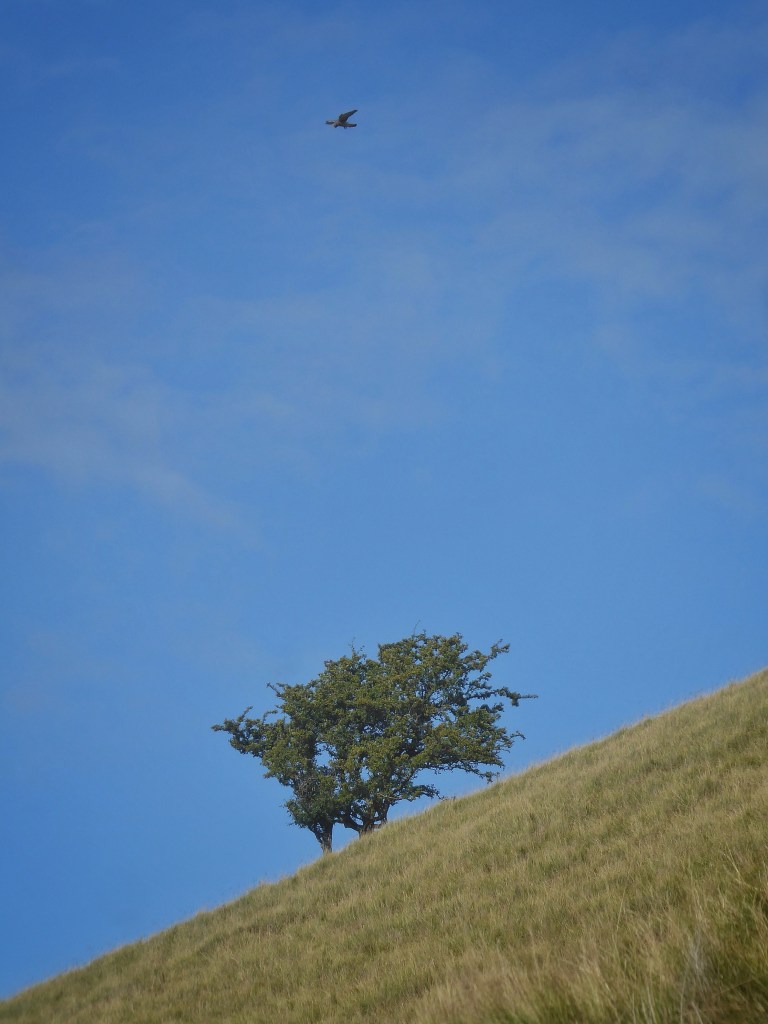
The farmers are gathering their sheep on Edge End Moor, quad bike and dogs moving efficiently among the rushes, intimate knowledge of the folds of their ground and the habits of their flock making what would be a losing battle in any other hands into a calm and graceful exercise. On the other side of the hill, their cattle herd are content that it is not their turn today, but they are not undisturbed, for above them a pair of kestrels are frantically hunting to feed their young. They stoop time after time to the tawny grasses, devoting hardly any time to the patient hovering and watching that they are so famed for in between dives. It takes 30 attempts between them before there is finally a reward for their efforts, and it is conveyed with all possible haste to the nest near Oaks Farm. The chick yickers in anticipation as the parent becomes a russet bullet, skimming above the scrub of hollies, as its mate continues plunging in seeming desperation among the wind-blasted hawthorns.



















 Landscape Story
Hi
Where do you find out about your guided walks? I’m not on facebook or instagram etc. Only do texting and emails but let me know if there is somewhere like a website I can check on.
Thanks
Judy
LikeLike
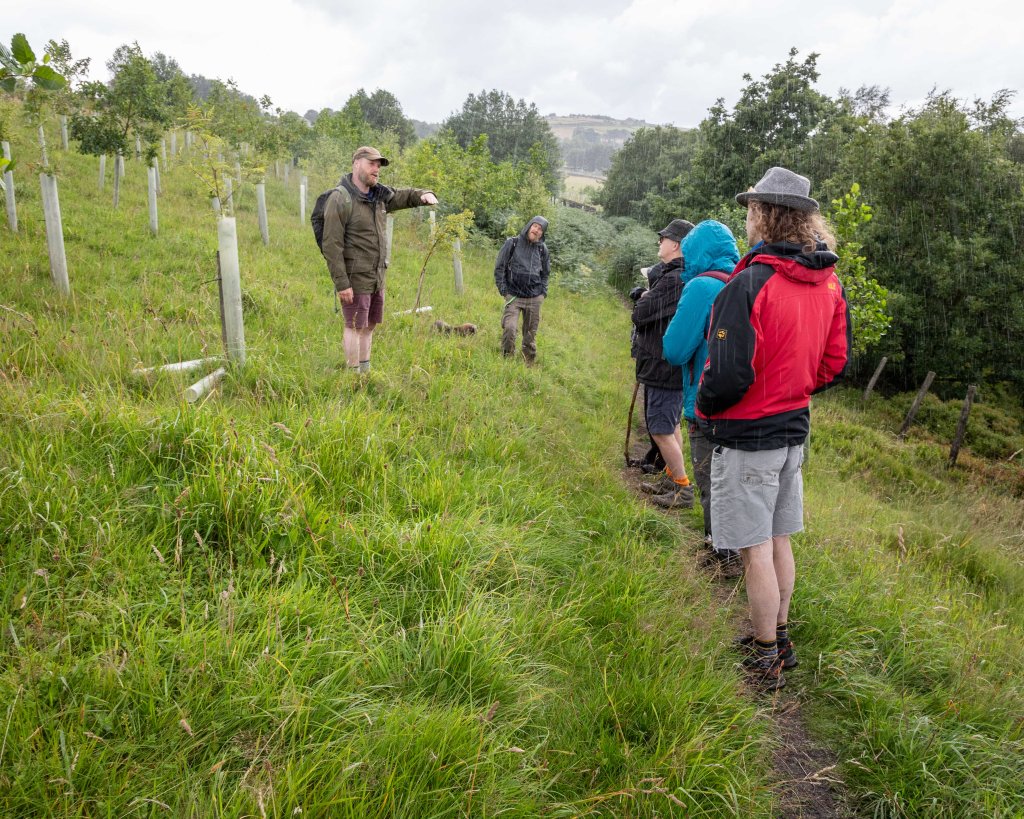
Hi Judy. Thanks for asking. I do have another one coming up on 16th September for the South Pennines Park Walk and Ride Festival, starting at 10.00am from Hebden Bridge Town Hall. I will be adding a page on this website to sign up for that as soon as their programme goes live at the end of the month.
If I do more I will probably create a dedicated page for them on here.
You can see my Twitter feed – on which I was advertising my recent walks – on the homepage of my blog, without being signed up for Twitter.
Best wishes,
Paul.
LikeLike
Hi Judy,
If you’d like to sign up for my walk on Saturday, you can find the link on this page: https://southpenninespark.org/event-list/walk-and-ride-festival/
It is called ‘Crimsworth Dean: A Philosophical Ramble’.
Best wishes,
Paul.
LikeLike