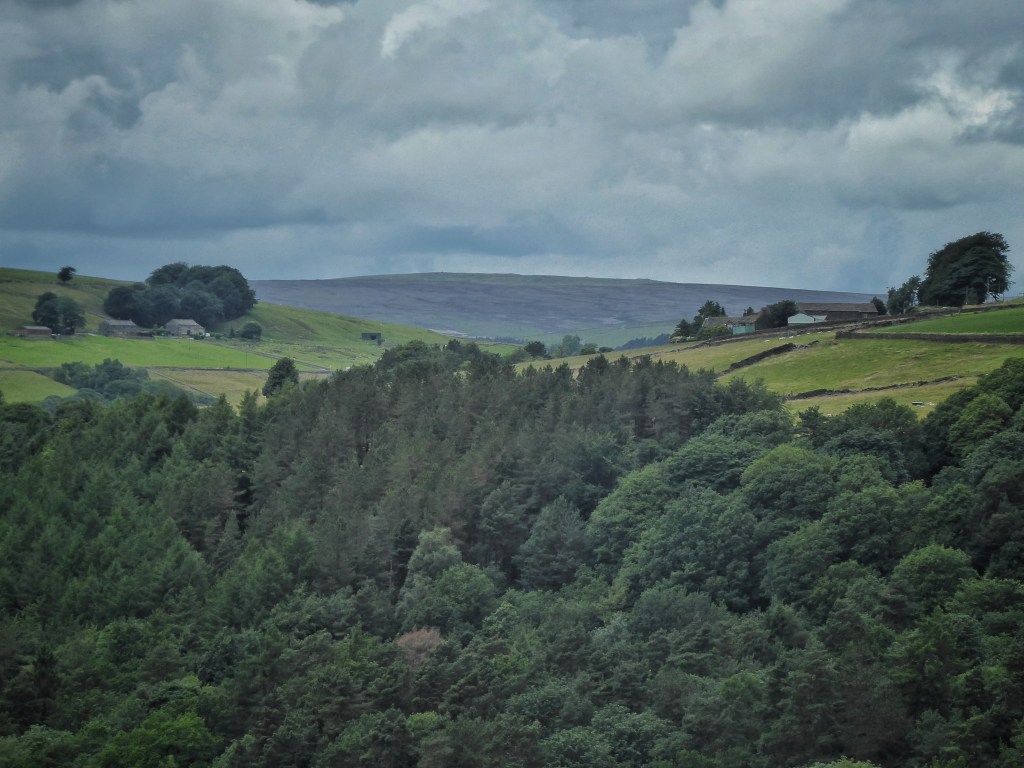
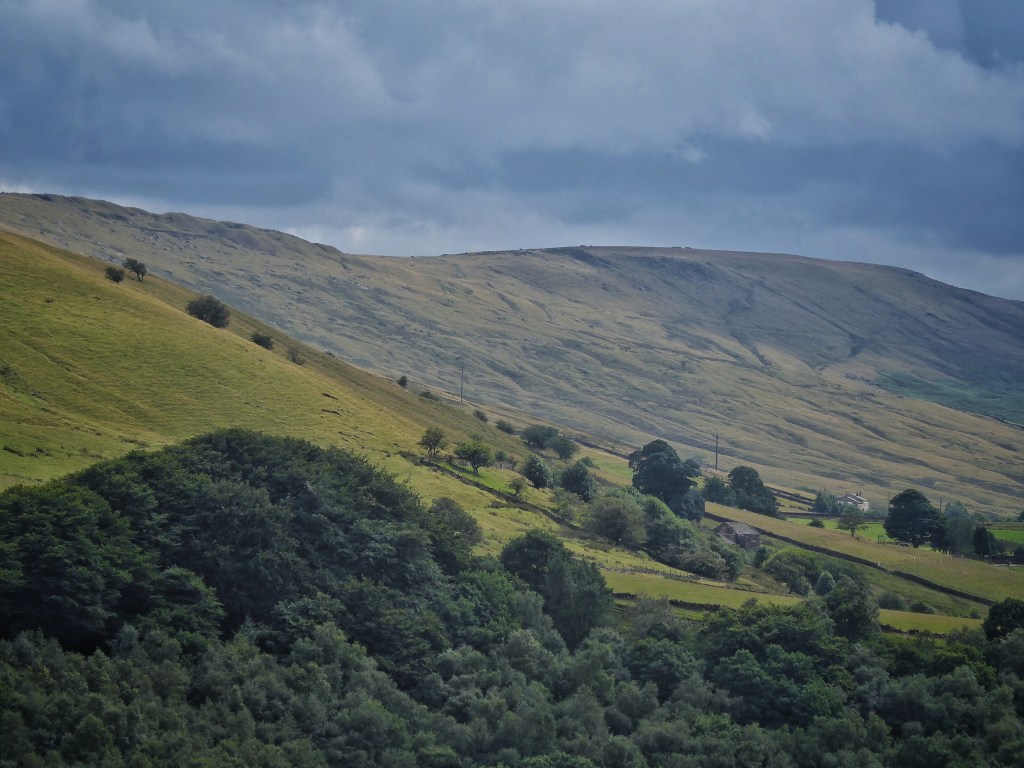
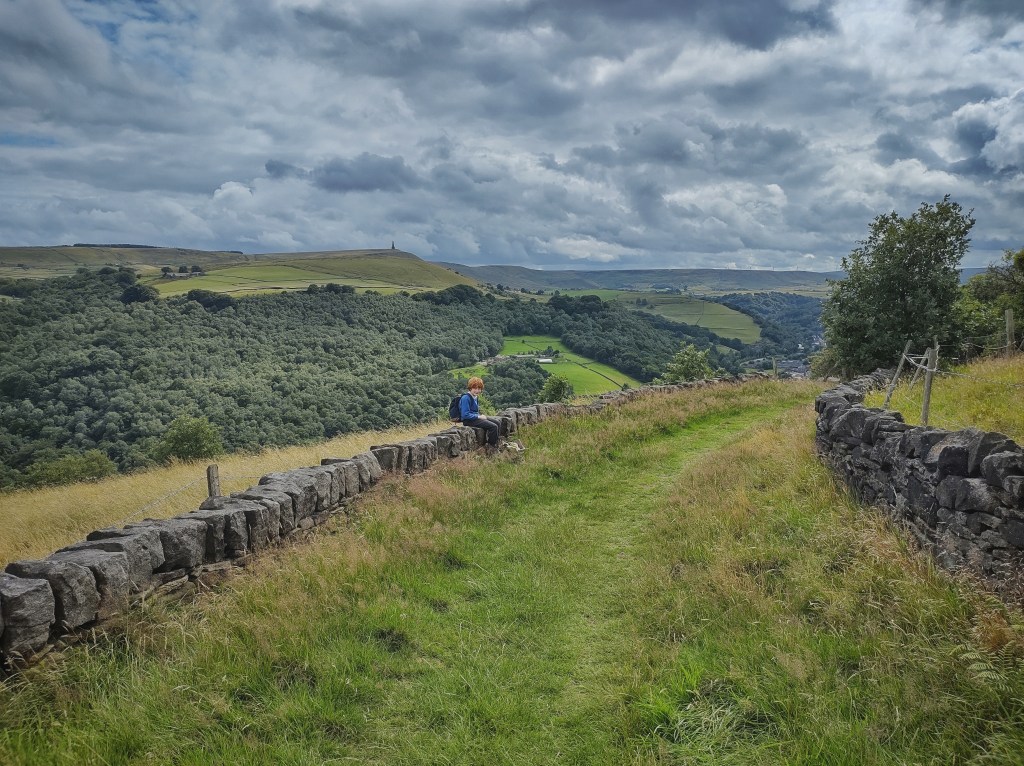
At Slack Top Cemetery, from the high bordering holly and sycamore, wych elm and horse chestnut, comes the soft whistles of bullfinch, the sparking ricochets of siskin, the bright jangling of goldfinch, the grating rasp of greenfinch. A swallow hawks over the mown paths between the graves, their silent rows sunk between rosebay and foxgloves, worshipers past of Mount Zion Baptist Chapel. A thousand people attended its Dedication Service in 1808, and their children converged from the farms and weavers’ cottages to its Sunday School. The chapel, rebuilt in 1878, is long closed, but others still join its old congregation here; members of the Tennant family born in the 1930s at Horse Hey in the neighbouring parish of Wadsworth are laid to rest with a view across Hebden Dale to their home, where their descendents are farming still. The Brontë Bus labours up the Keighley Road above their modern barn, through fields of black-wrapped silage bales waiting to be collected and on over the moor to Haworth.
A cockerel crows from behind the monolithic barn at Slack, Adrian’s lambs respond from across the gulf of the valley. A dog barks from deep within the wooded cleft, a curlew wheels and calls above it, and from the swirl of still clouds, a gentle rain falls on the gravestones.
Below the cemetery, a string of mounds run like parish boundary stones along the crest of Hebden Wood. Thatched with pine needles and seething with movement, these are the nests of the northern hairy wood ant, a speciality of these woods, which hosts around 400 such colonies, each containing up to half a million workers. Extending a metre below ground, the workers are solar batteries for these cities, taking their warmth down into the tunnels at night. Their young are fed on honeydew, which the workers harvest by ‘milking’ (that is, stroking) the aphids that are feeding on the sap of oak leaves and pine needles. If attacked, they defend themselves and the nest by spraying formic acid, although green woodpeckers and jays take advantage of this to rid themselves of parasites.
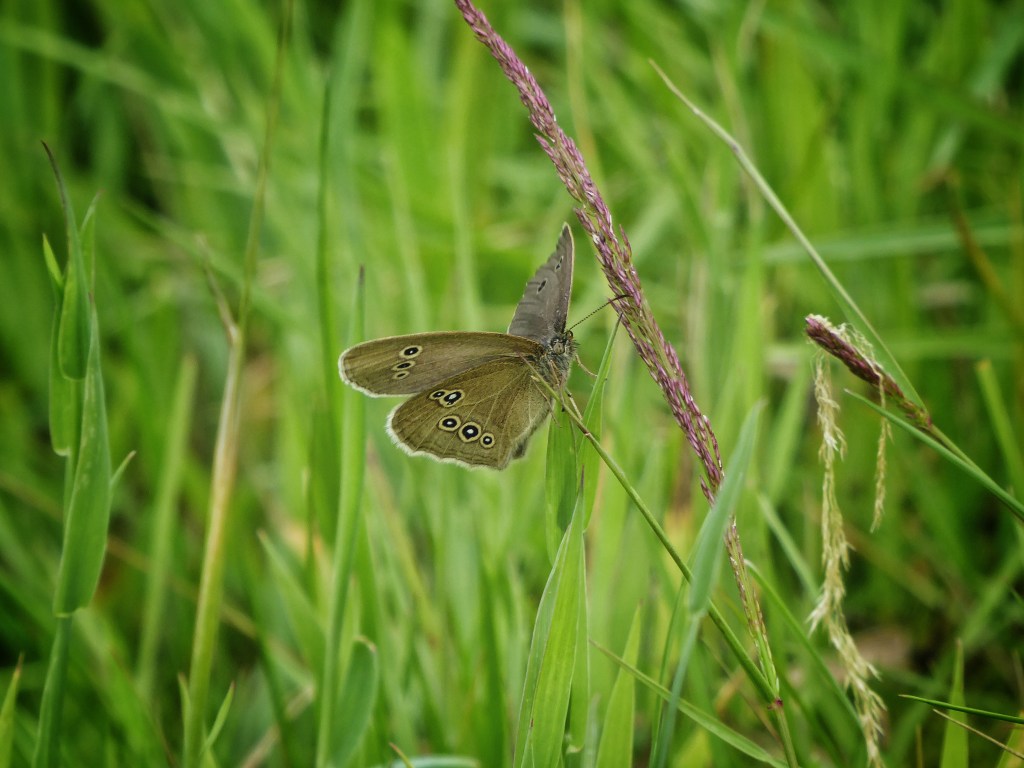
Some of the nests are in the field that was once occupied by Dawson City, a temporary township of wooden huts, complete with mission and hospital, in which the navvies building the Walshaw Reservoirs, five miles away on the moors, were housed. Built in 1900, it drew workers and their families from Somerset, Norfolk, Devon, Leicestershire and London to work for Enoch Tempest, though this endeavour was beset by problems and delays and would be the end of this once-great engineer. Most of the navvies finally left in 1908 when the project was ostensibly complete, but further remedial work was needed and there were still families living here at the time of the 1911 census, with the huts finally being auctioned off in 1912. The last known cabin, installed over Elphin Brook in Mytholmroyd, was demolished in 2019 as part of the village’s flood alleviation scheme. With a new woodland planted in part of the field, any traces of the settlement that are left are invisible to all but archeologists. Ringlet butterflies dance among the grasses and the nests of the only workers that remain.
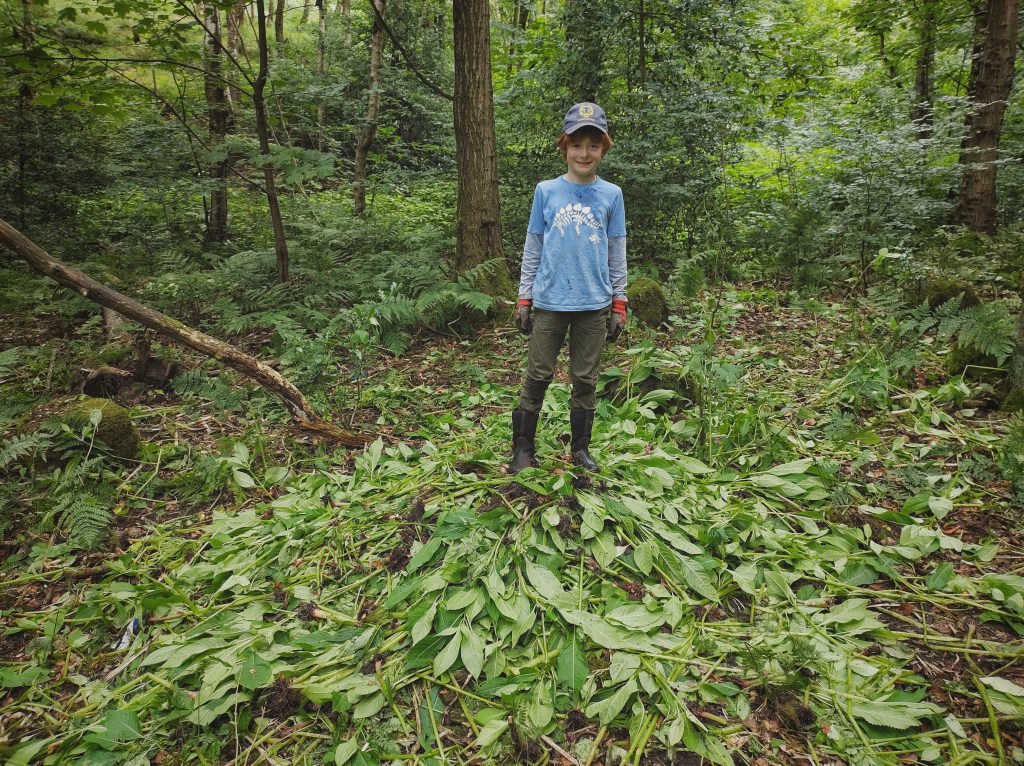
As well as the Environment Agency and their partners who removed the last known Dawson City cabin, the Calder Rivers Trust are busy working to mitigate flood risk, too. One of their tasks is to remove Himalayan balsam, for where this invasive annual plant, having outcompeted other flora, dies back in the winter, it leaves bare soil without any of the ‘hydraulic roughness’ that slows the flow of heavy rain into the watercourses. Today, they are working in Stoodley Clough, the boundary of the Erringden Deer Park in the 14th and 15th centuries. As the volunteers and Trust staff work, lifting the balsam by the roots, sometimes snapping it beneath its lowest node so that it cannot regrow, crushing the growing piles underfoot, they move up the strip of land on the stream’s north bank that would once have been the park’s ‘freeboard’, land reserved for the palliser to perform maintenance on the oak paling fence that stretched for six-and-a-half miles around its perimeter. In the 1850s the wood in the clough was still known as Ramble Wood, a reference to the name the freeboard came to have – the Sowerby Ramble – after the park was dispaled but where this tentacle of the township of Sowerby remained for a further four centuries. The traces of the earthworks must still be here, but like Dawson City, time has erased them for most eyes. The patch cleared, these unfrequented banks are left in peace until a return visit next year, for the bank of balsam seeds in the soil will ensure it will grow here for several years to come.
The artists of Hebden Bridge host their annual Open Studios weekend. Artists were integral to the revival of the town in the 1970s, helping, along with other ‘incomer’ communities and in collaboration with the existing residents, to raise it out of its post-industrial slump. There are more now than ever, more than a hundred inviting the public to view their workspaces in their homes and in several converted mill buildings, and hopefully to buy some works. Many are inspired by the local landscape and its wildlife; there is the nettle and dandelion weaving of Rachel Hawthorn, the eerie botanical cyanotypes of Rebekah Fozard, the articulated silver beetles of Toby Cotterill, the gold-embroidered landscapes of Kate Lycett, the shadow and light in the charcoal drawings of Angie Rogers, the misty moorland skylines of Will Lake’s photographs. Few valleys can be as blessed with so many committed to capturing the spirit and beauty of the place.
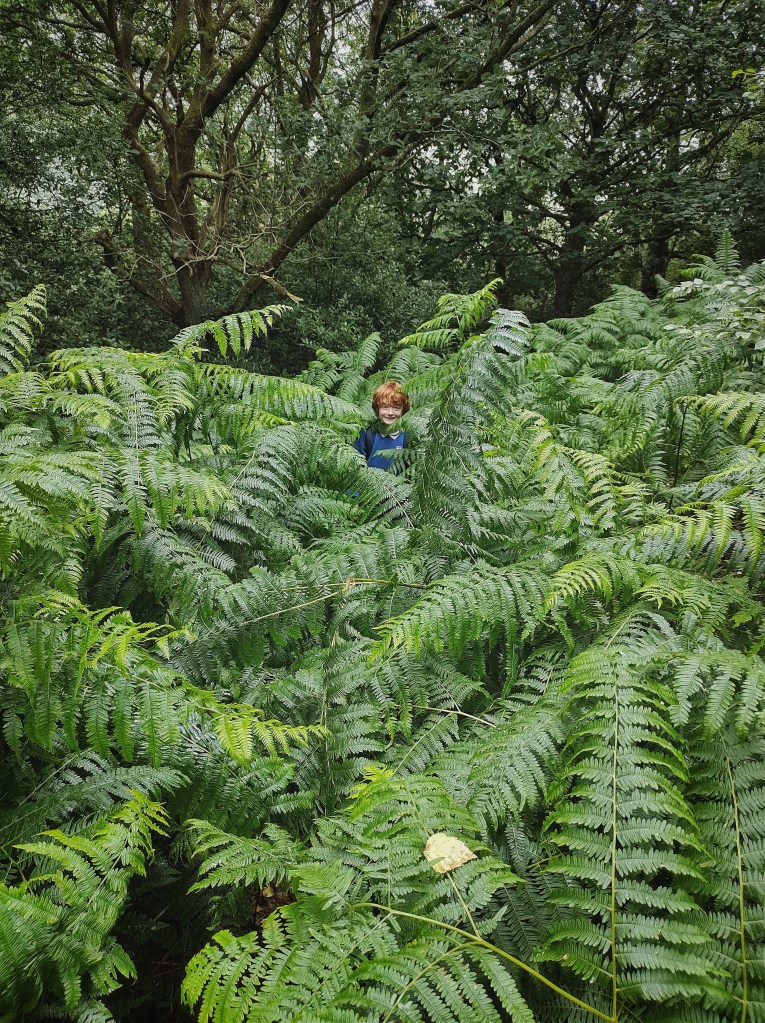
The wind rises and brings yet more showers in from the west. After a brutally hot and dry June, July is compensating with plenty of rain and cooler temperatures. Sometimes overcompensating, with thunderous downpours and distinctly chilly days. Above the head-high bracken and the curled bark art of the forest schoolers and the hazel coppice that every year grows riper for its next rotation, above the angry red soldier beetles and the cluster of lustrous jewel beetles among the bedstraw, above the crags of Turret and the curve of the lane to Ferny Bank, a swift allows itself to be borne along on the gusts, over the writhing woods and on through the racing sun.










 Landscape Story