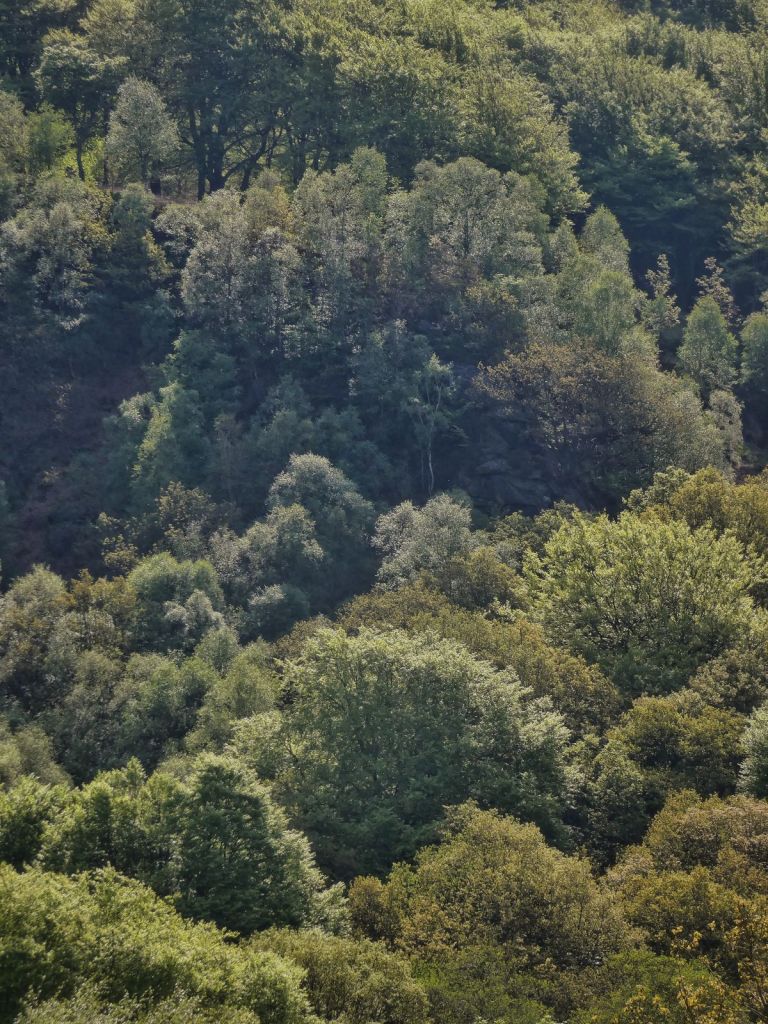
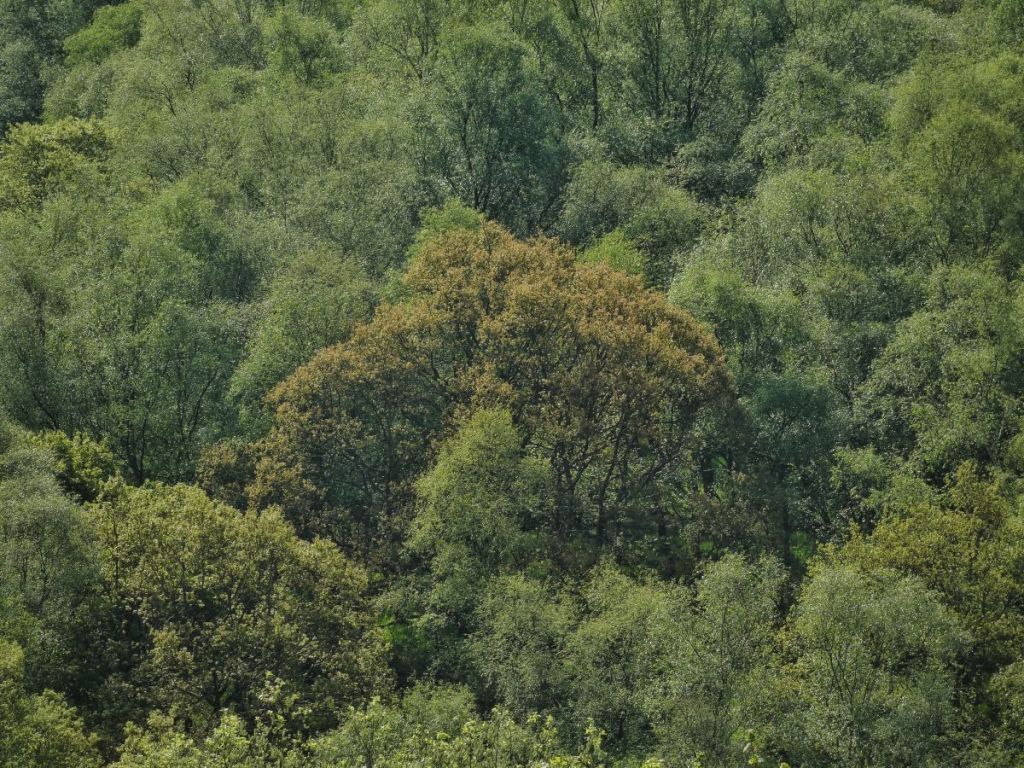
Amid the muted dusty green of birch and the fresh lime of beech, the oaks now mottle the woodlands with their bladderwrack brown, beginning the growing season with the autumnal tint with which they will end it. Every year, it seems improbable that the sickly hue of their new leaves, limp like the wings of an adult dragonfly emerging from its final larval stage, will become the tough and rich leathery green of summer, but they will.
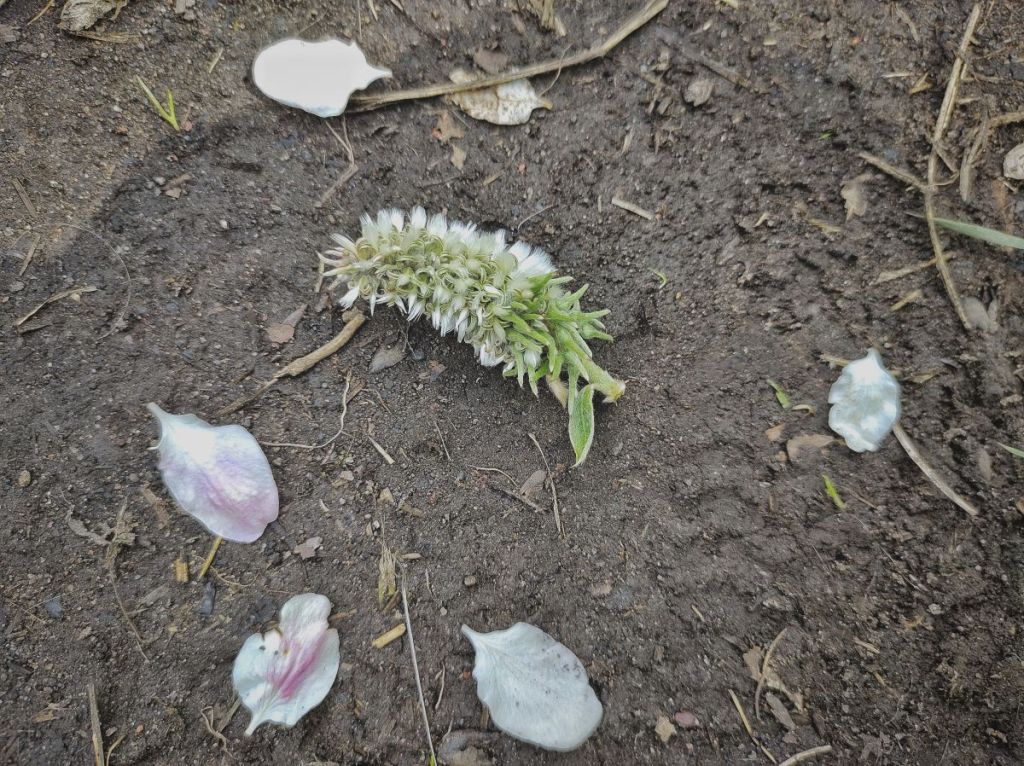
Shining cranesbill and herb Robert climb the dry stone wall along the railway line, decorating it with their little pink flowers. They fight for space on the verge with nettles and balsam, cleavers and rosebay willowherb. Tiny white stars are perched on top of garlic mustard towers, and further up the lane, the orange and yellow heads of Welsh poppies lean out from the wall like crowds craning for a view along the route of a race. The May blossom, clutched in tight spheres just days ago, opens gladly for the sun, the fresh pink anthers like so many puckered, lipsticked lips before they shrink and darken within a day of emerging. Chiffchaffs and blackcaps skulk in the scrub between the lane and the railway, and a blackbird repeatedly flourishes its customary addition to its spring repertoire – a note-perfect, if a touch truncated, impression of the bubbling call of the curlew. If the curlew crossing the valley high overhead – issuing its ‘cor-lee’ call – is within earshot, it doesn’t show one way or the other whether it is impressed.
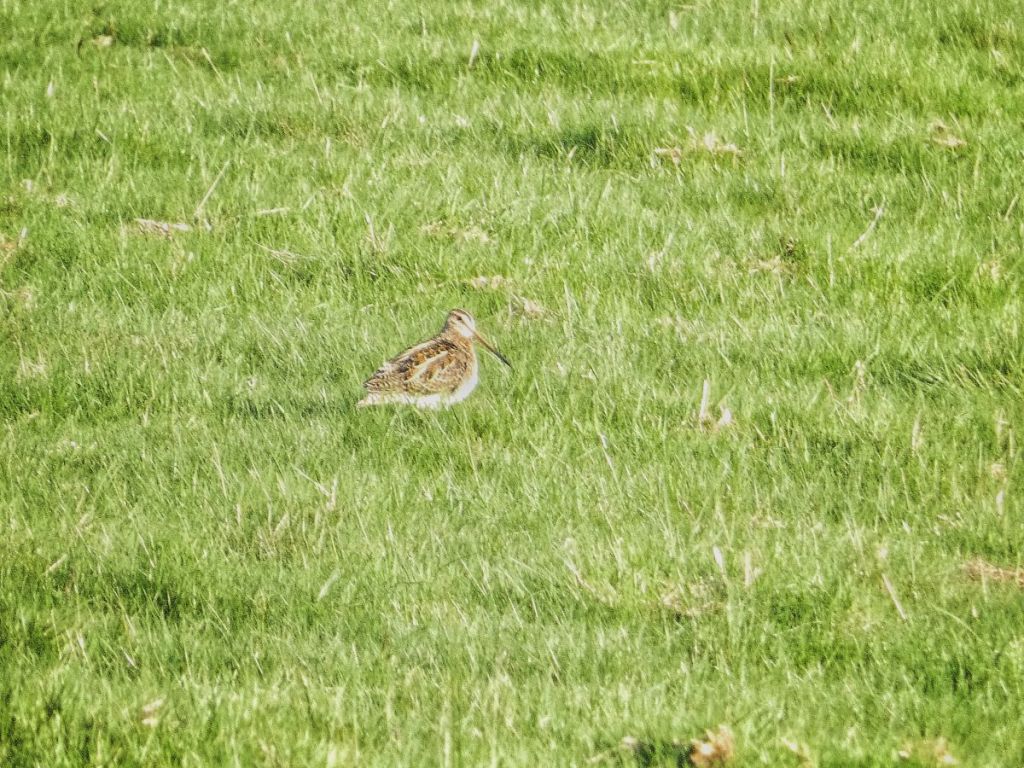
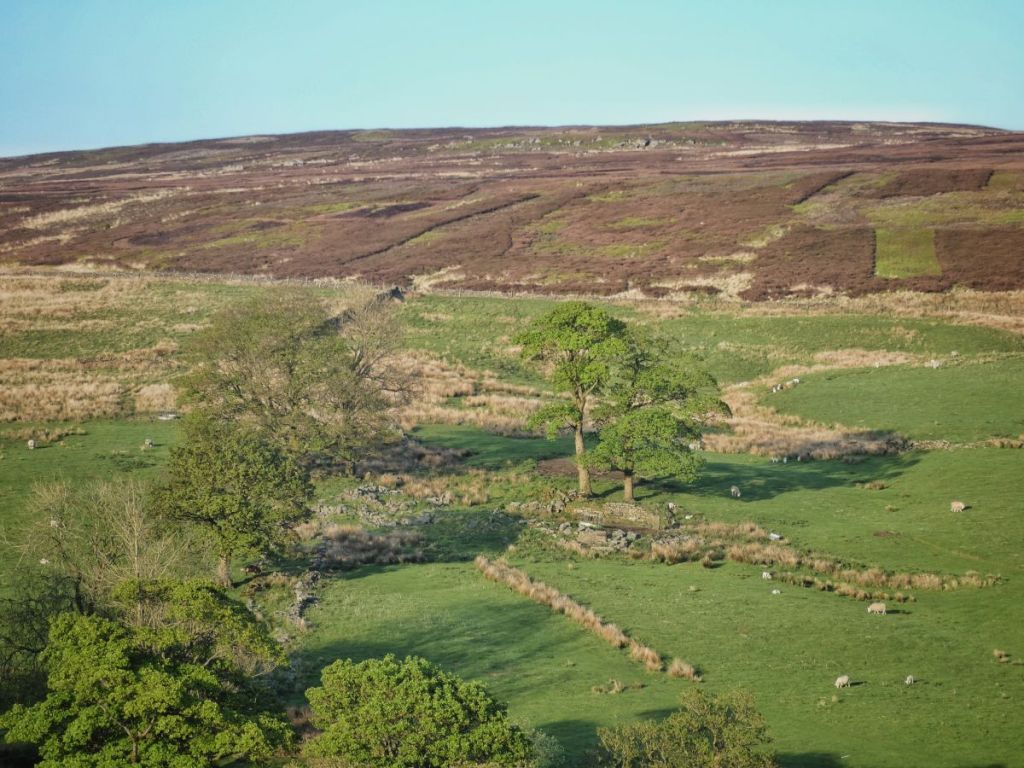
At sunset, in the fields that span The Ridge, a tongue of land between the Graining and Alcomden waters, lapwing chicks totter under the watchful if distant eyes of their parents. These downy balls of cream and autumn moor, pulsating with fast breaths, skittering and stopping and staring at the ground as they learn to feed for themselves, are terribly vulnerable. But the evening is benign, the light golden and the warmth of the day lingering. The chicks share the fields with rabbits and sheep and a snipe that somehow finds the modest height of the grass more than sufficient to conceal itself and its impressively-long, dark-tipped bill.
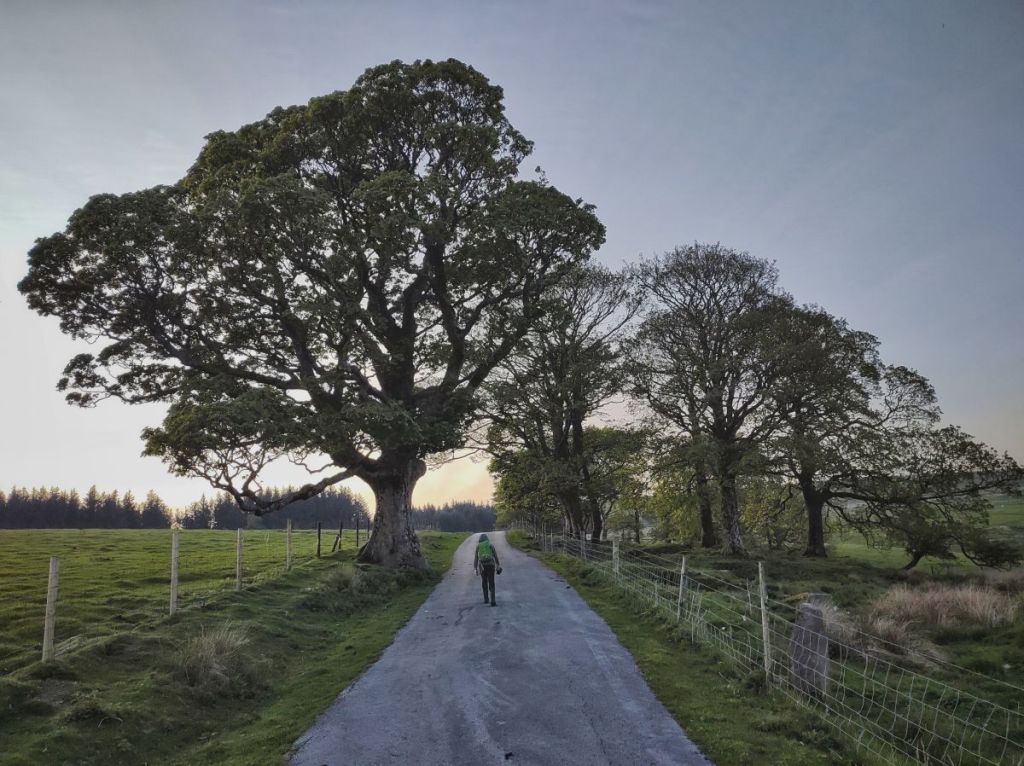
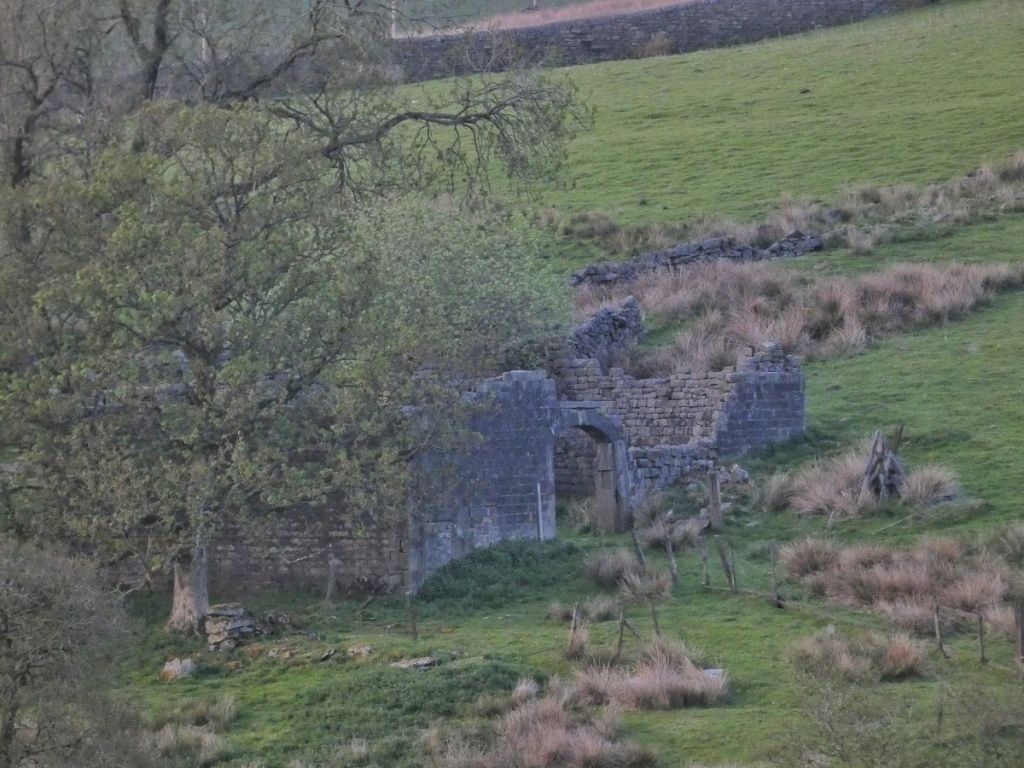
From the shadows of the plantation that borders the lane to the Walshaw reservoirs comes sparks of siskin song, the rattle of mistle thrush alarms and a song thrush’s imitation – better even than the blackbird’s curlew effort – of a golden plover’s plaintive two-note plea. Imitation, for birds, is not flattery but vanity, a proud demonstration of their fitness; the more phrases in their lexicon, the more desirable they appear, meaning plagiarism is likely to be rewarded rather than punished. Two male cuckoos, sticking firmly within the canon, are duelling with their eponymous calls, one from the strip of plantation that separates field and moor under Hoar Nib, the other from sycamores that grow among the ruins of The Holmes House, one of seven farms in Alcomden that did not survive the coming of the reservoirs.
This spot is one of the most popular for birders in the Calder Valley, and it is as well to be clear-eyed about why it is so rewarding to spend a spring sunset here: the area is heavily keepered, with threats to ground nesting birds – stoats and weasels, foxes and crows – controlled by the use of ladder traps, stink pits and snares, all for the sake of grouse shooting interests but with the by-product that curlews and lapwings, golden plover and snipe are also protected. But there is another reason, and that is the Westall’s sensitive farming practices, such as avoiding chain harrowing, rush topping and silage cutting until later in the season when fledglings are mobile enough to move out of the way of machinery. Their Cheviot and Lonk sheep are just as well looked after, but their pastures can support far more than just their stock, something that the government claims to want while so far failing to provide reassurance that the necessary support for farmers to be able to do so will be forthcoming.
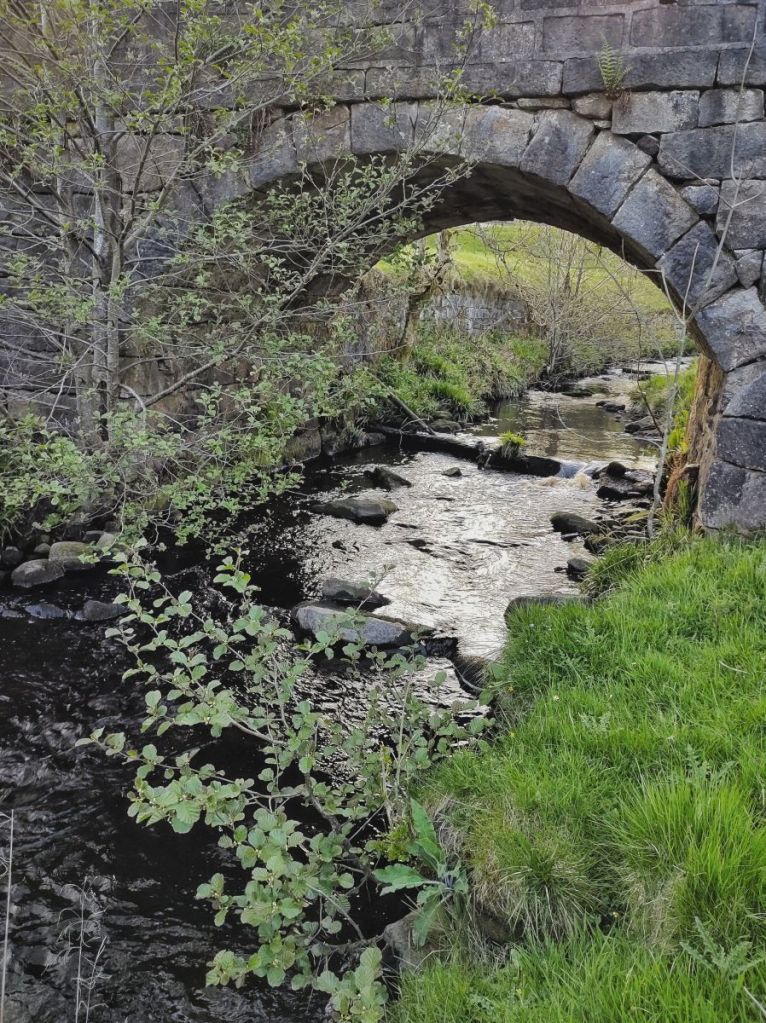
Luke arrives in his John Deere tractor at Holme Ends Bridge over Alcomden Water, the last job of the day to fill the water bowser, the pump at the barns behind the pub, officially called the Packhorse Inn but referred to locally after The Ridge on which it has stood for 400 years, having broken. With a few cows and their two bulls still inside, until the pump is fixed this is another task to add to the list. The sucking pipe forms a whirlpool in the peaty water under the alders, and clouds of midges, not yet biting, gather in the still air. A herd of young bullocks stare over the gate as he listens to the roar of the engine, his ear attuned to subtle changes in its tone that indicate the efficiency with which the water is being drawn and whether the pipe needs repositioning in the stream. His border collie patiently waits, resting its head on its paws in the tractor cab. The tanker full, Luke skilfully reverses and hauls his new load up the lane under the sycamores where New House, another of the lost Alcomden farms whose land he now stewards, once stood.
In the silence that he leaves behind, the gurgle of the stream is joined by the rush of the water in the conduit from Widdop, barely started on its 10-mile journey to Ramsden Wood Reservoir. A pair of oystercatchers pipe over, but otherwise the birds have quietened. Back on the other side of The Ridge, what has not been taken by the conduit for Halifax flows on down Widdop Water, being joined first by Greave Clough, upon which it is renamed as Graining Water, then by Alcomden Water, where it becomes Hebden Water for the rest of its course. A blackbird on a wire sounds the last post, and the moors turn blue under the smudged glow of sunset and the white gleam of Venus.












 Landscape Story