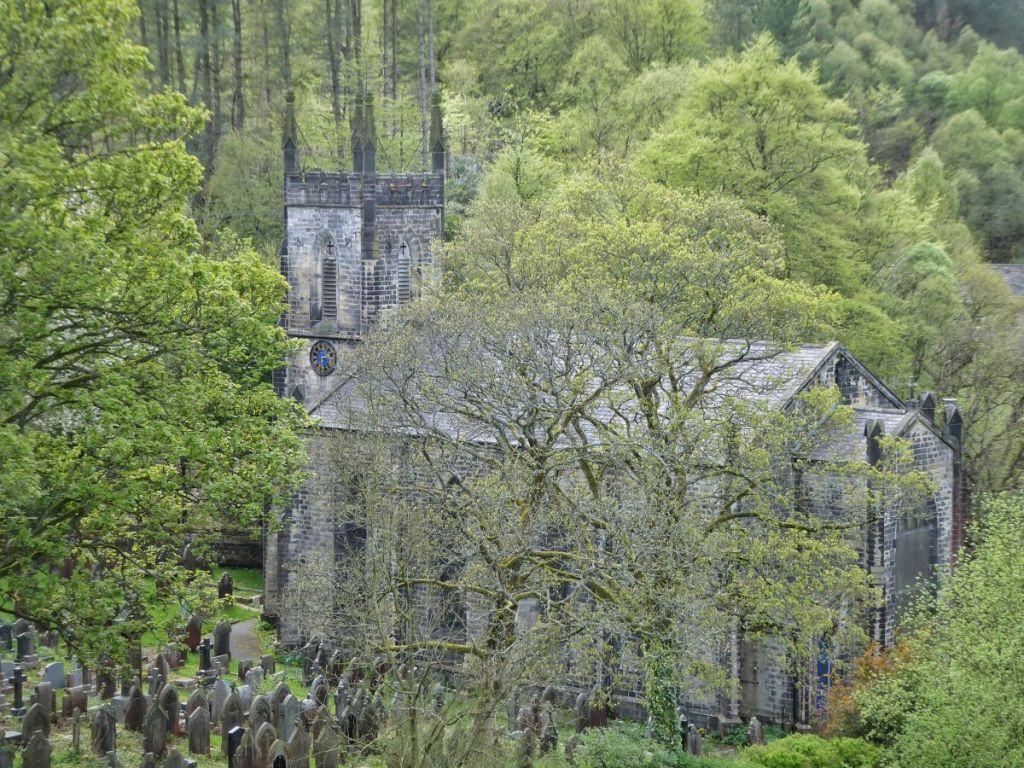
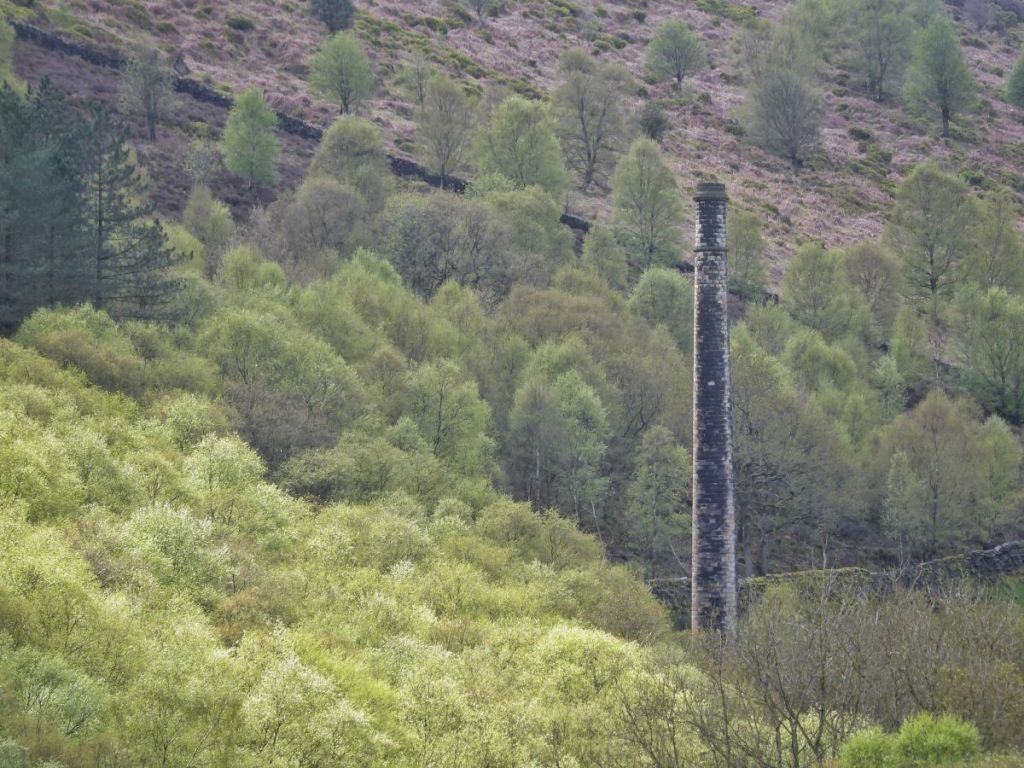
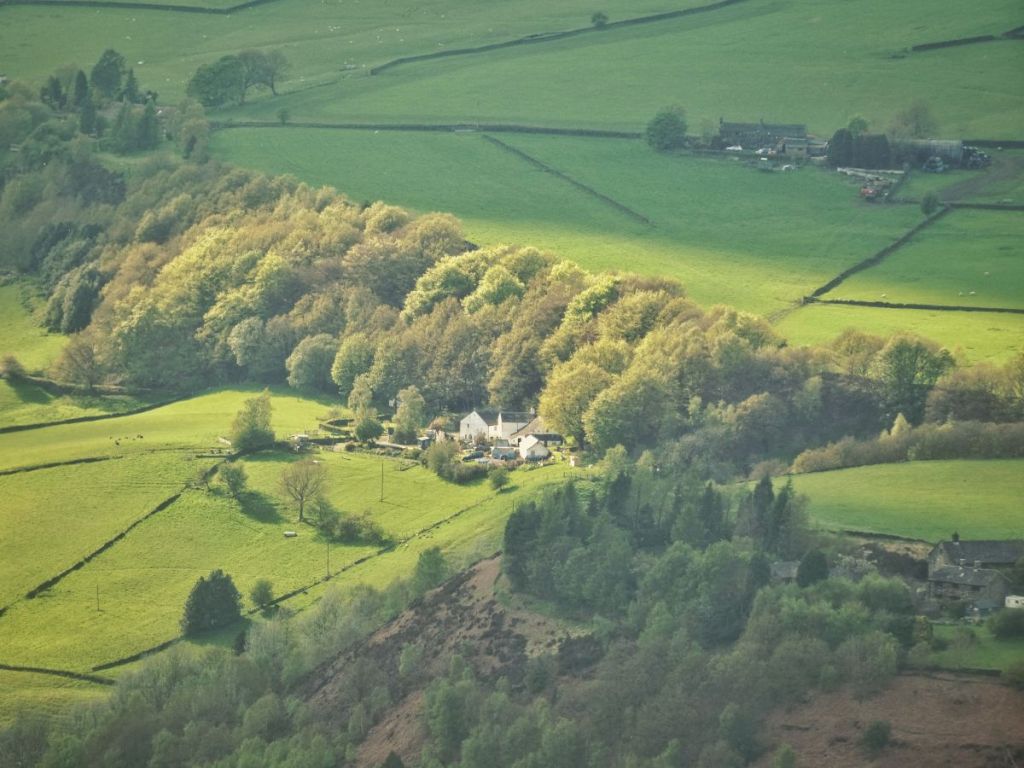
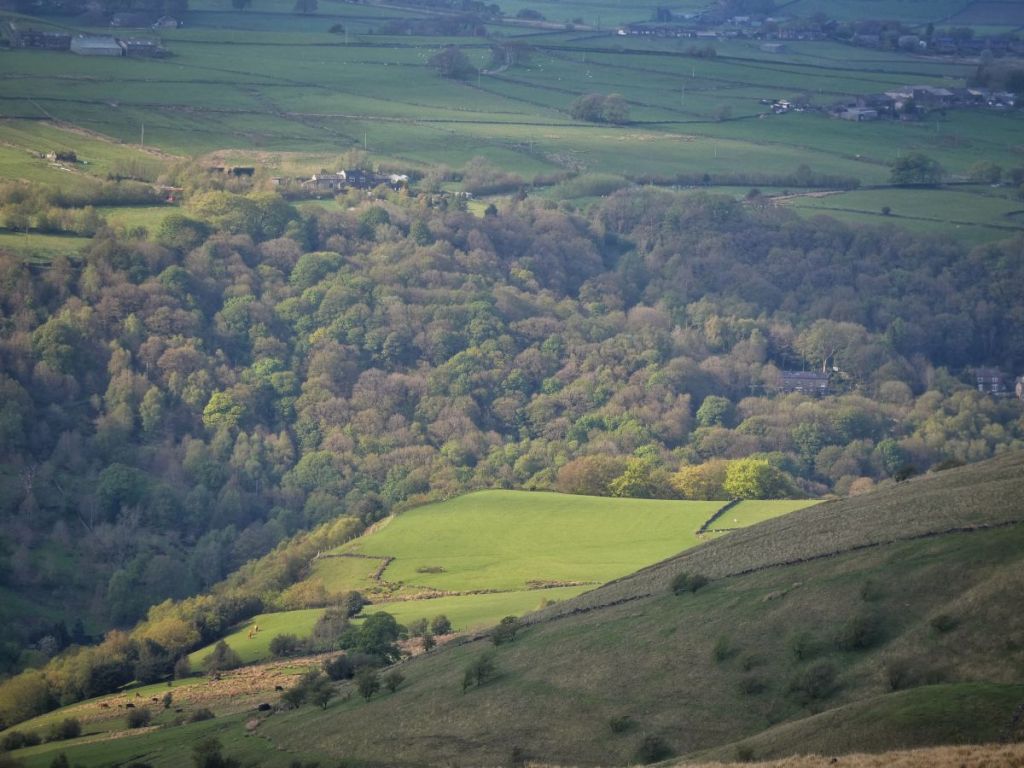
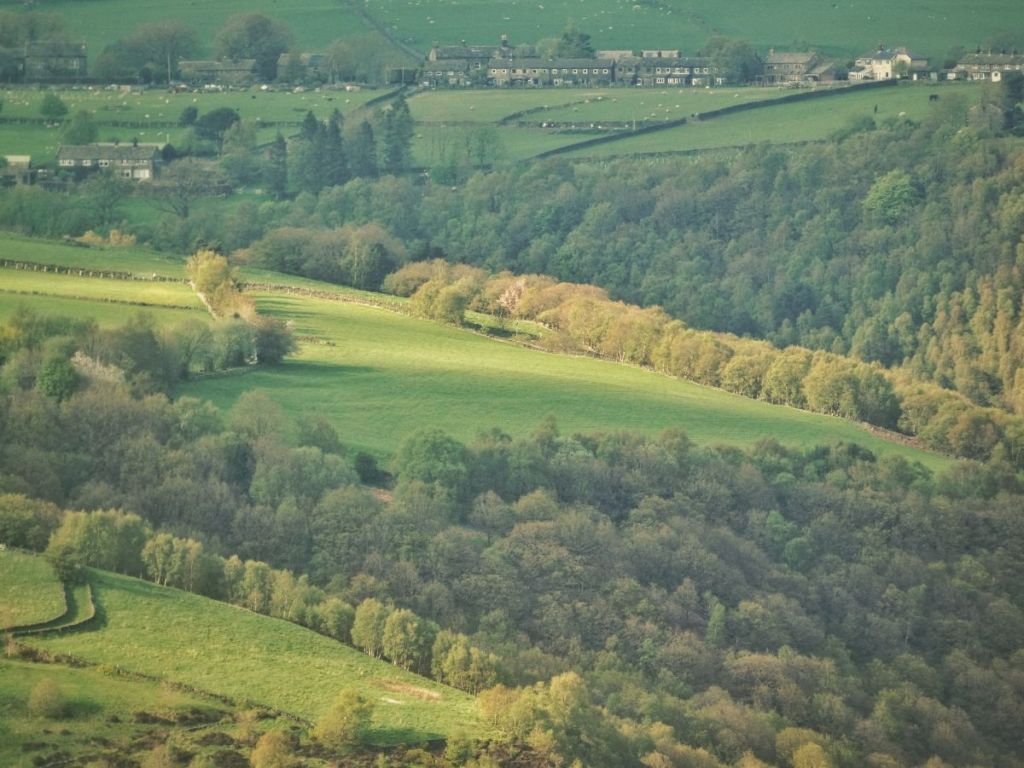
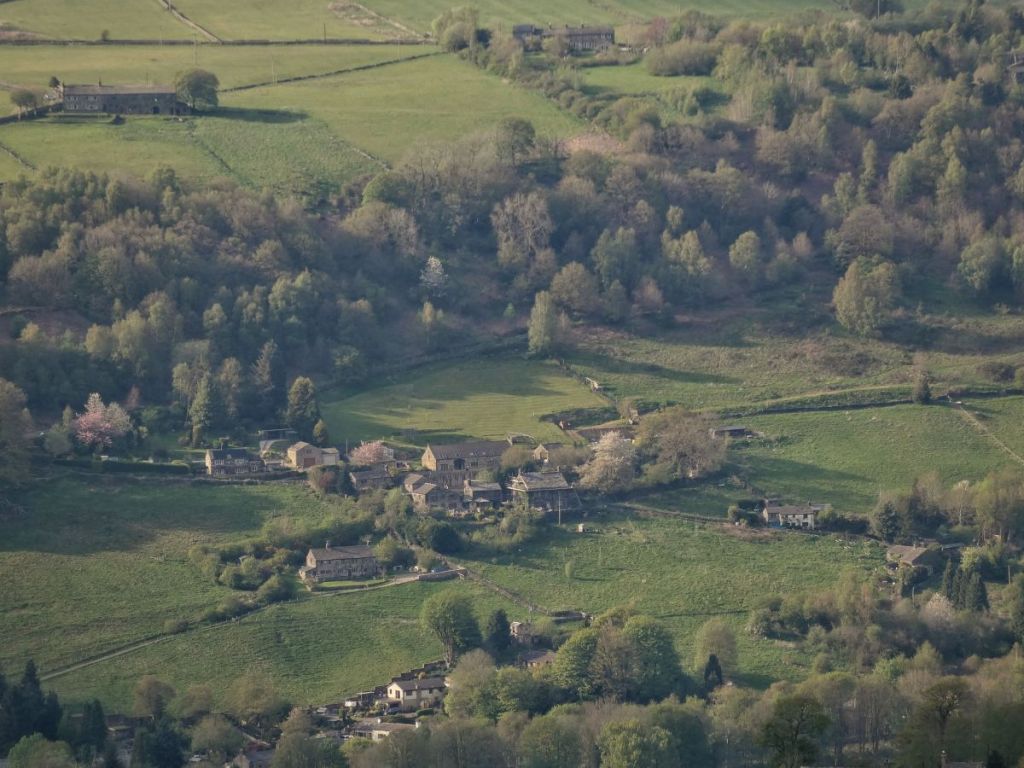
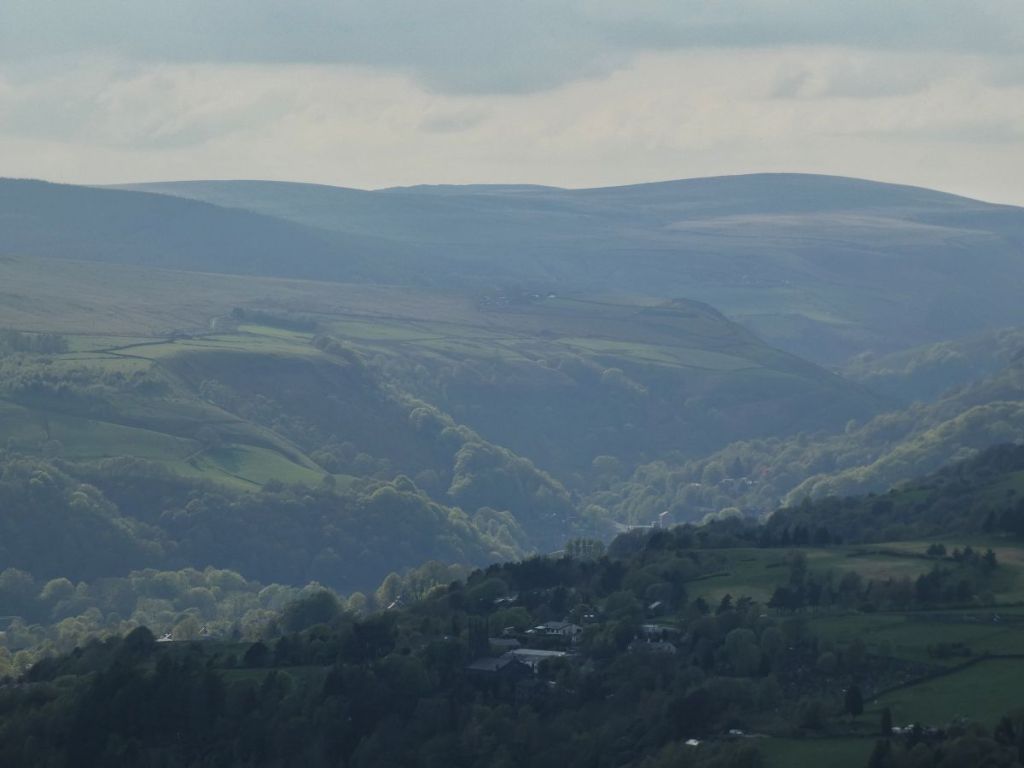
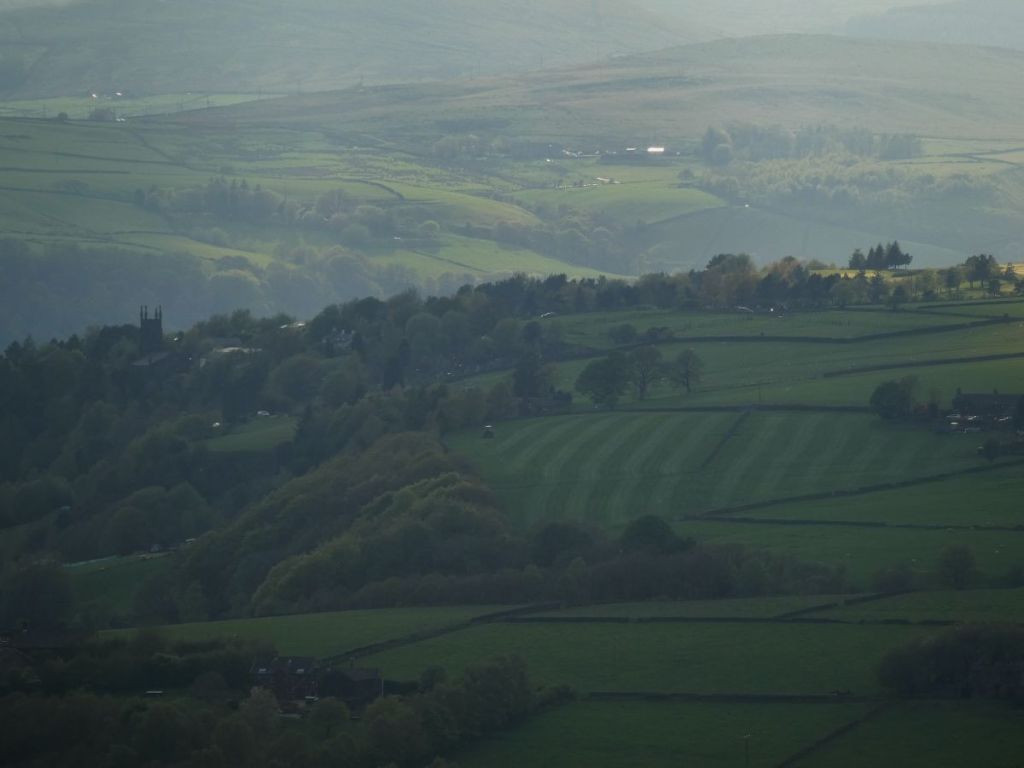
The church of St John the Baptist in the Wilderness is hosting its regular Sunday afternoon ‘Community Hubub’, an invitation at the gate to the graveyard promising a cake, a cuppa and a chat. Together with the patrons sitting outside the newly-reopened Hinchliffe Arms with drinks and lunches, a busy air is lent, for a time, to this cluster of community in deeply-wooded Cragg Vale. But it is still quiet compared to what it must once have been, when Rudd Clough Mill thrummed, drawing hundreds of workers to this confluence of Cragg Brook and Withens Clough. The mill chimney still towers above the trees, but where the rest of the buildings once stood is a freshly-bulldozed and levelled space. Upstream, crouched quietly within the dappled shade of a woodland planted in the 1990s as part of Calderdale Council’s ‘Million Trees Project’, are two memorial stones to ‘friends of Calderdale’s countryside’, Graham Whittaker and Alan Bottomley.
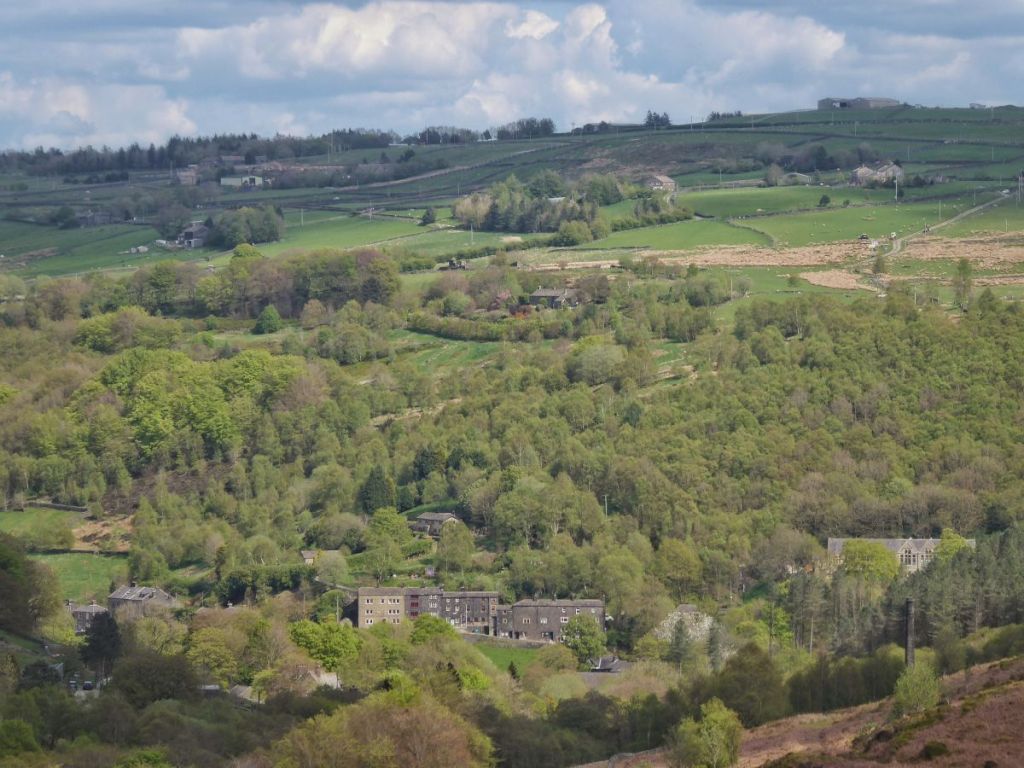
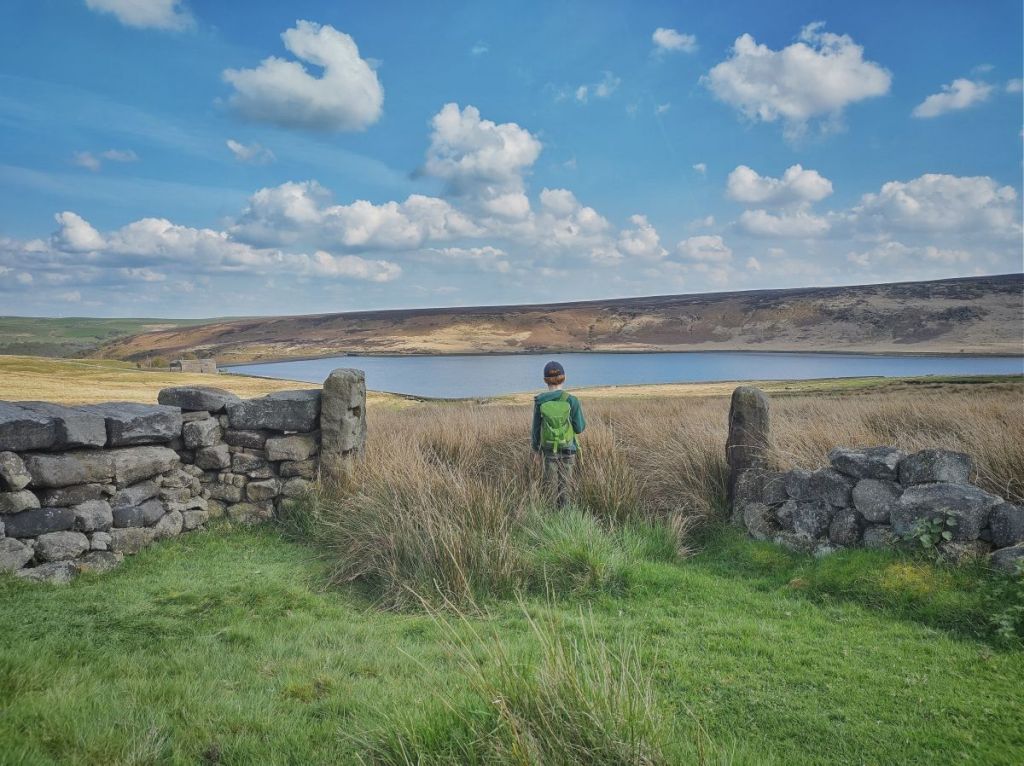
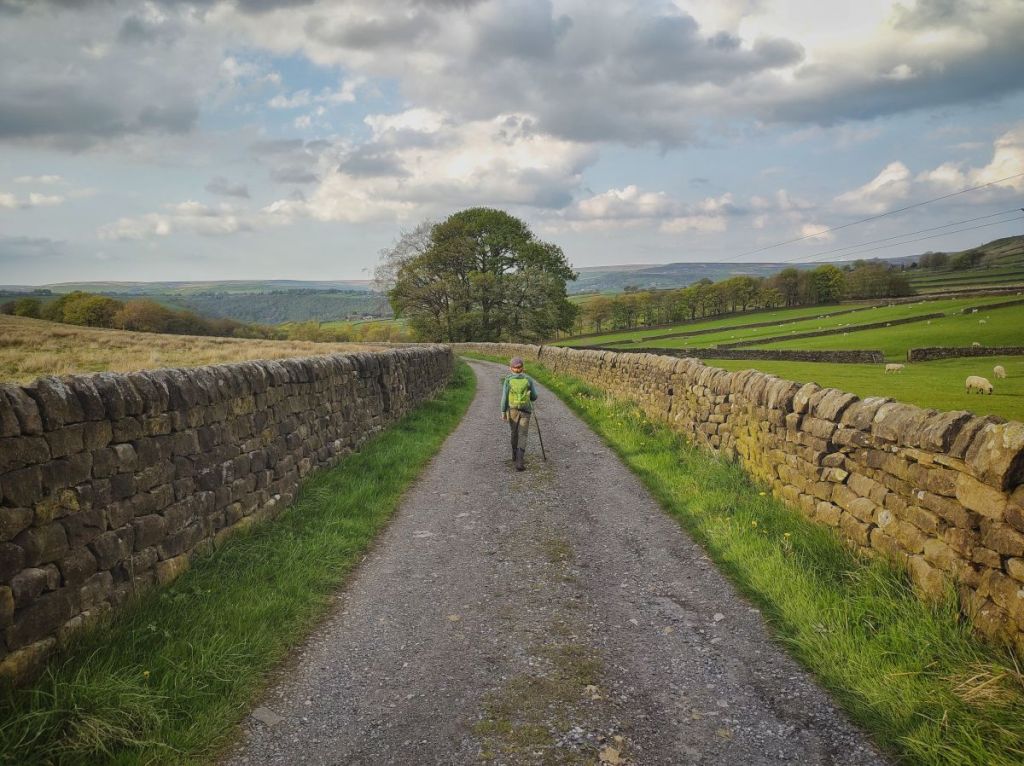
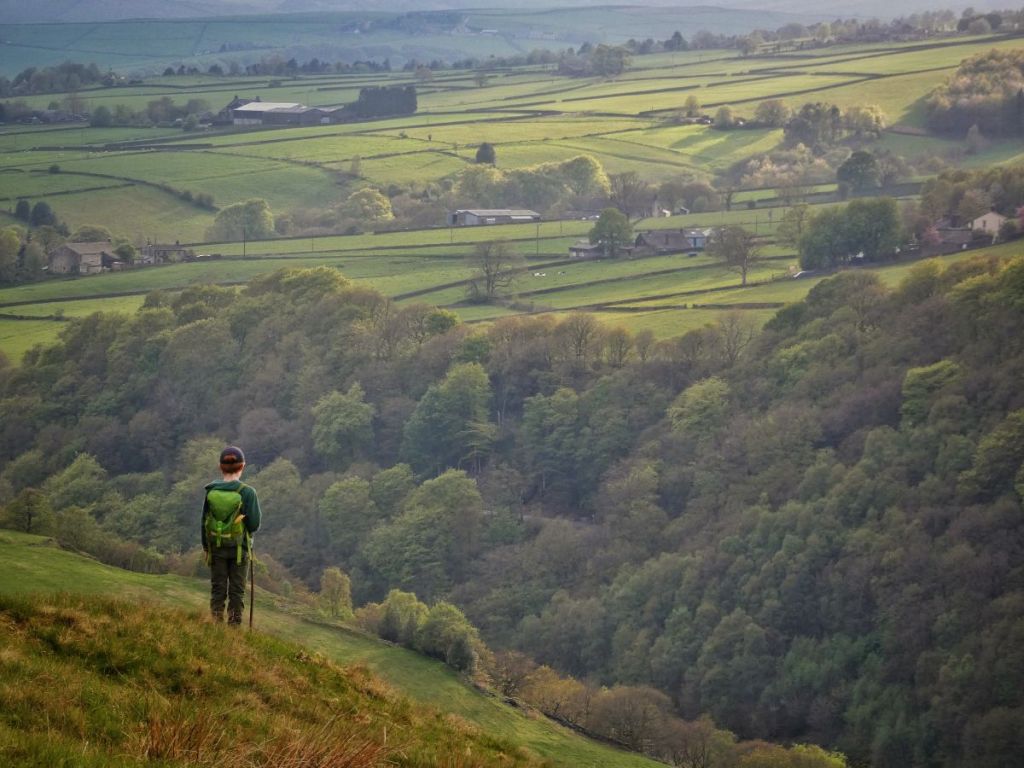
Rudd Lane is busy both with willow warblers and with walkers and cars on their way to and from Withens Clough Reservoir. Built in the 1890s to supply 17-mile distant Morley with drinking water, today’s Yorkshire Water sign sheepishly admits it drowned a hamlet of 17 farms. This confession goes a little too far. It was no Haweswater, which did nothing less than this to Mardale in the Lake District – church, school, inn and all – for the sake of Manchester’s inhabitants. The Withens was not, however, a hamlet so much as a community of scattered farms; there were just 15, not 17; and none were actually drowned. Granted, Causey Side, Clough Side and New Bridge Gate were so close to the shore and its accompanying drain and track that they would have to have been demolished, but the rest were in all likelihood purchased by the Morley Corporation and cleared away. In any case, the prohibition of keeping cattle on drinking water reservoir catchments would have rendered them unviable, despite the majority of their occupants having some connection to the textile industry, either through domestic handloom weaving or working in Cragg Vale’s mills.
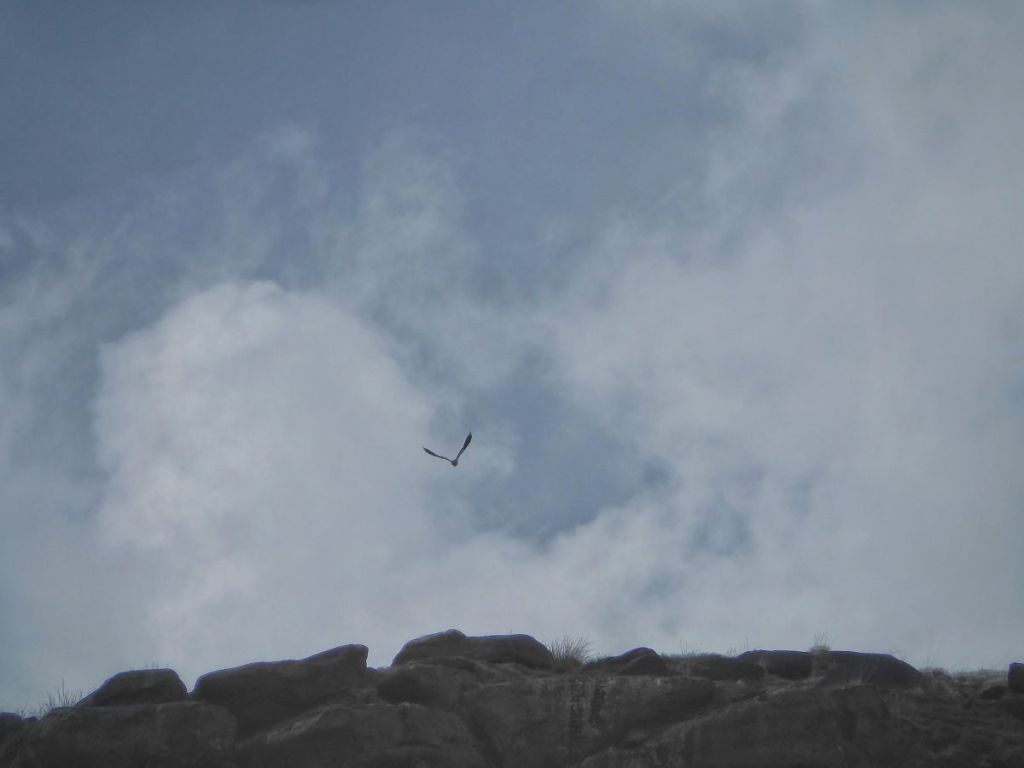
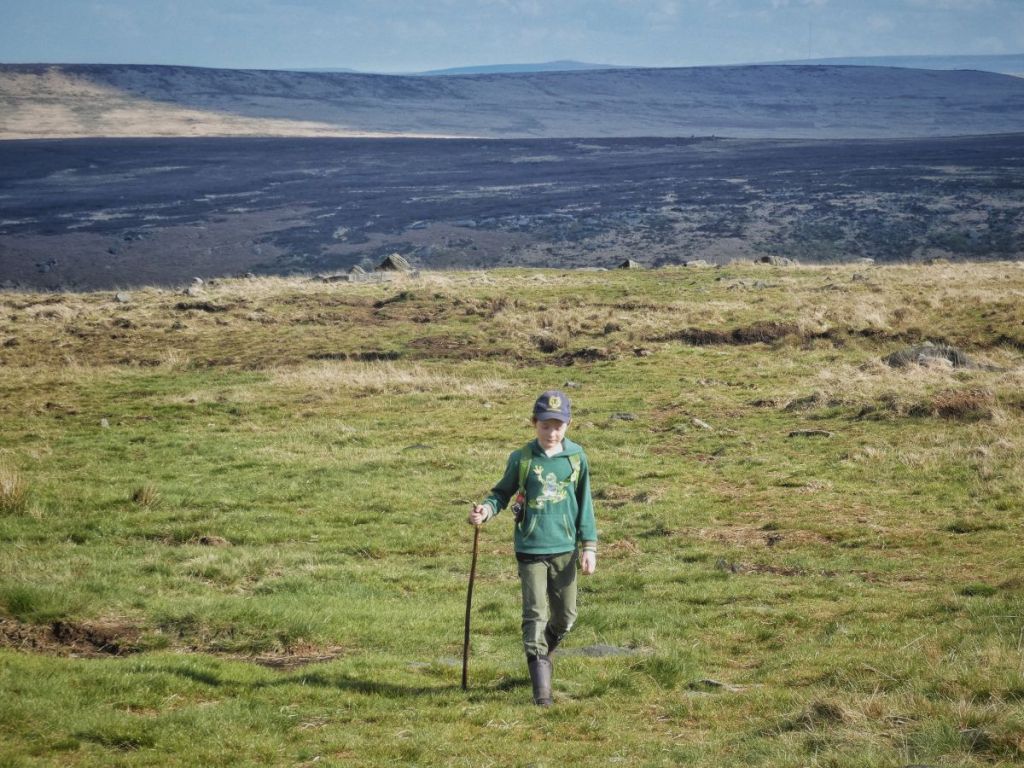
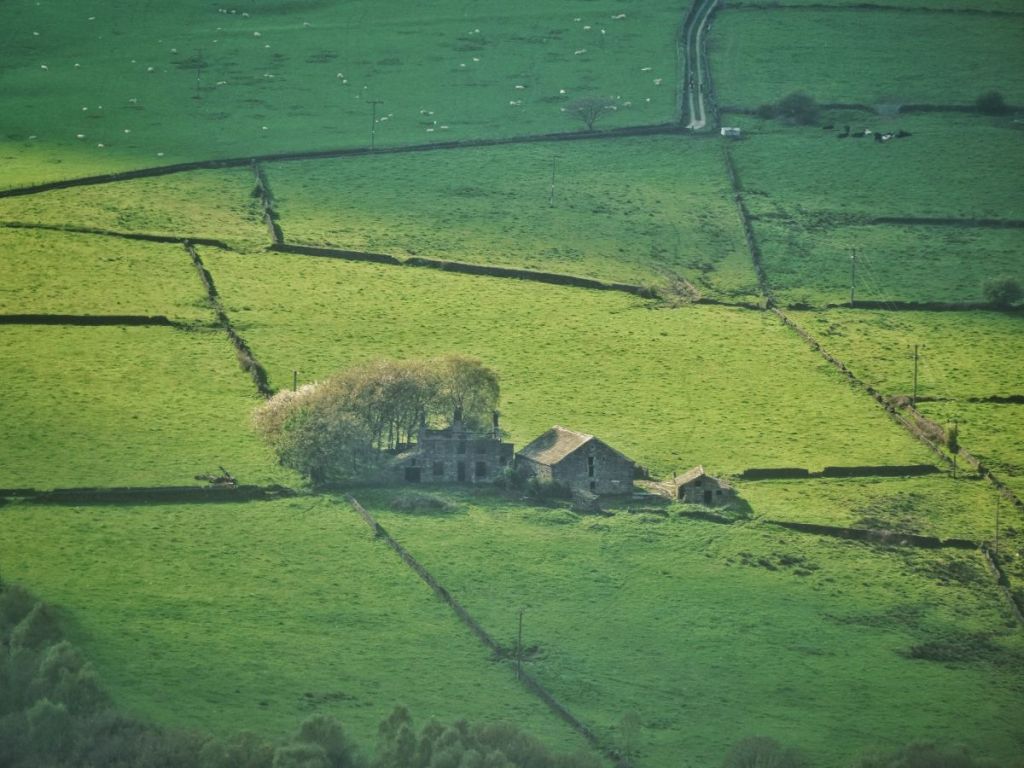
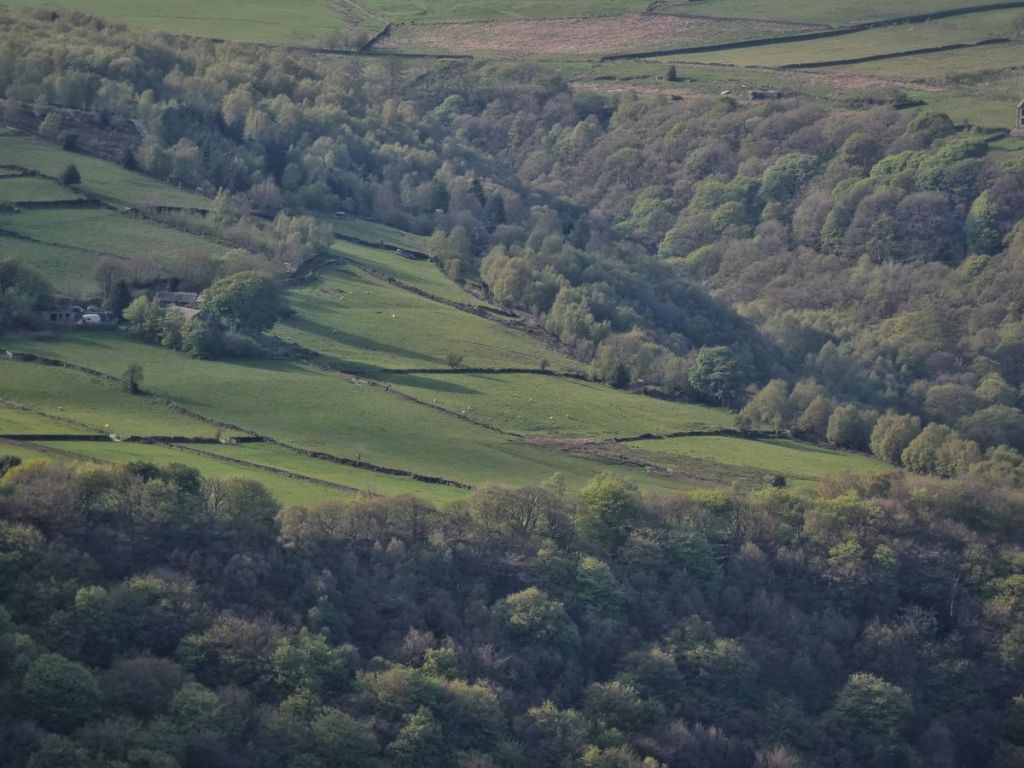
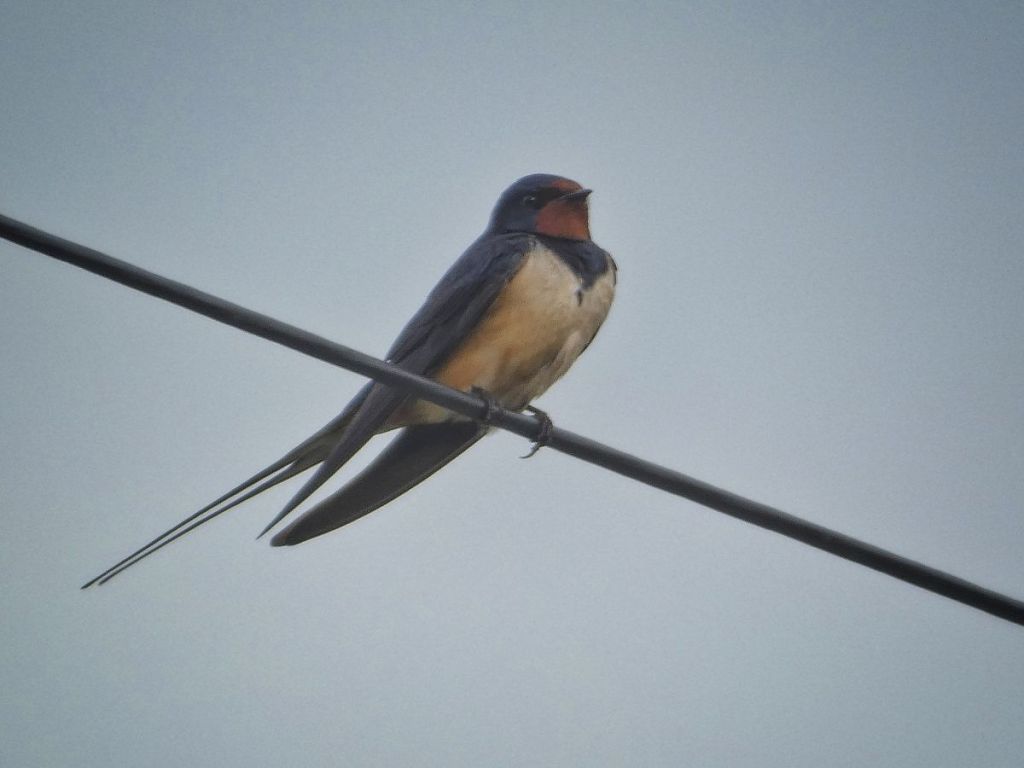
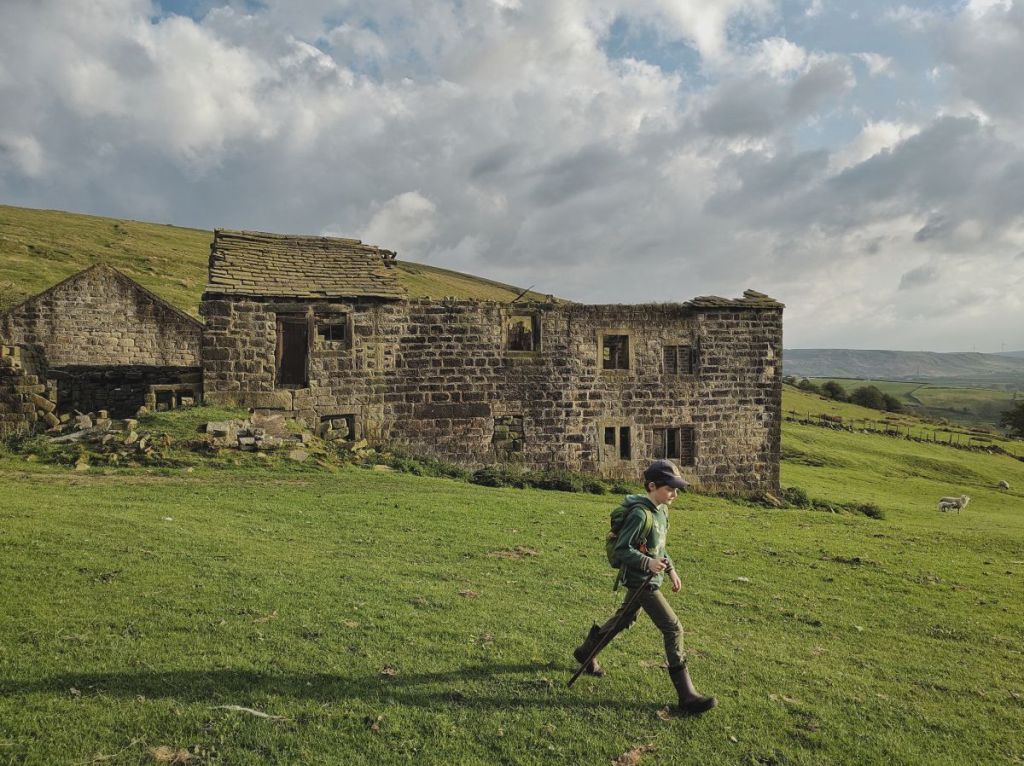
By the shore near the dam, where the frantic call of a common sandpiper is skimming across the water, is Pasture, the only one of The Withens’ farms to have survived and still be occupied. Swallows swirl in the static of their song around its massive barn. Far above, at the head of the bowl carved by the clough into the moors, is the dark bulk of the ruin of Red Dikes, occupied just by a gamekeeper and his wife for decades until the winter of 1947 drove Tommy Ormerod, its last occupant, down to more benign climes on the other side of the high pass at Withens Gate. But apart from these two, traces of the other 13 are faint, just the footprint of their foundations remaining. Sycamores commemorate the sites of Rough and Water Gate; smooth newts anchor their feet into the mud at the bottom of the puddles on the track where New Bridge Gate would once have stood; nettles huddle in the corner of the last few courses of stone at Fir Laithe; round-leaved crowfoot clogs the flooded lane above Great House; a mossy cellar drips beside Long Biggin; a stone trough overflows and grand gate stoops lead to nowhere at Lane Bottom; and the fresh spires of lesser spearwort stencil the outline of Trap. The hollars and hails of many families once echoed within this amphitheatre cradled in the enfolding hills, but apart from a single lapwing squealing over the stones of Henry Edge and the thin seeps of meadow pipits, the silence that has descended here is absolute.
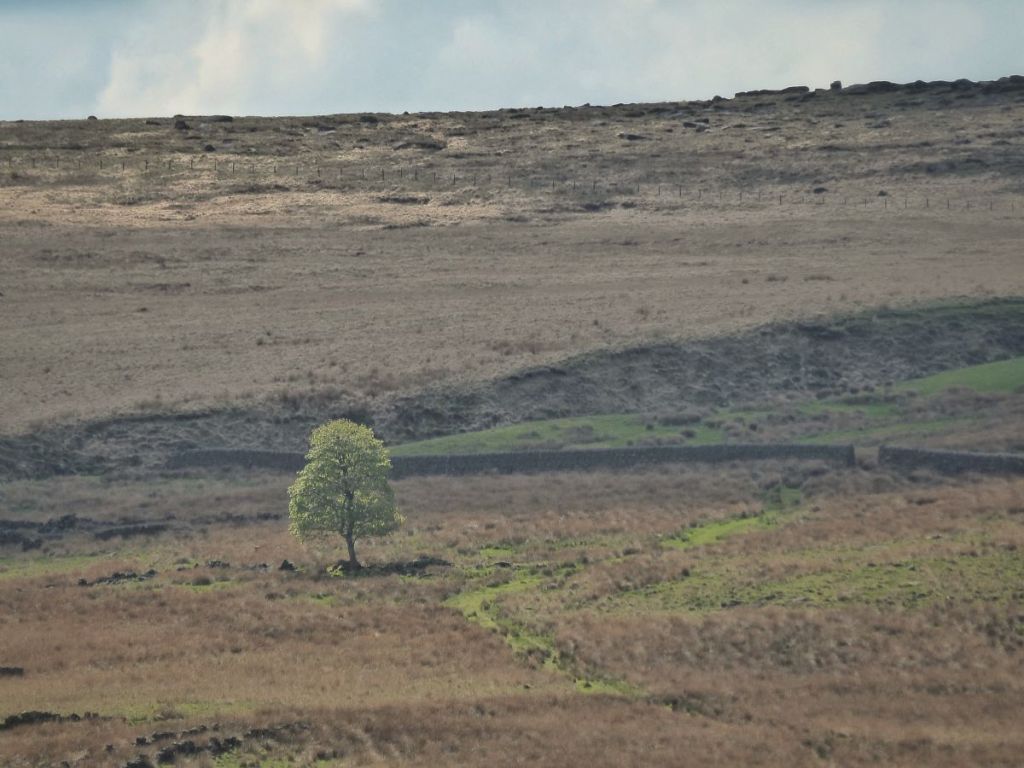
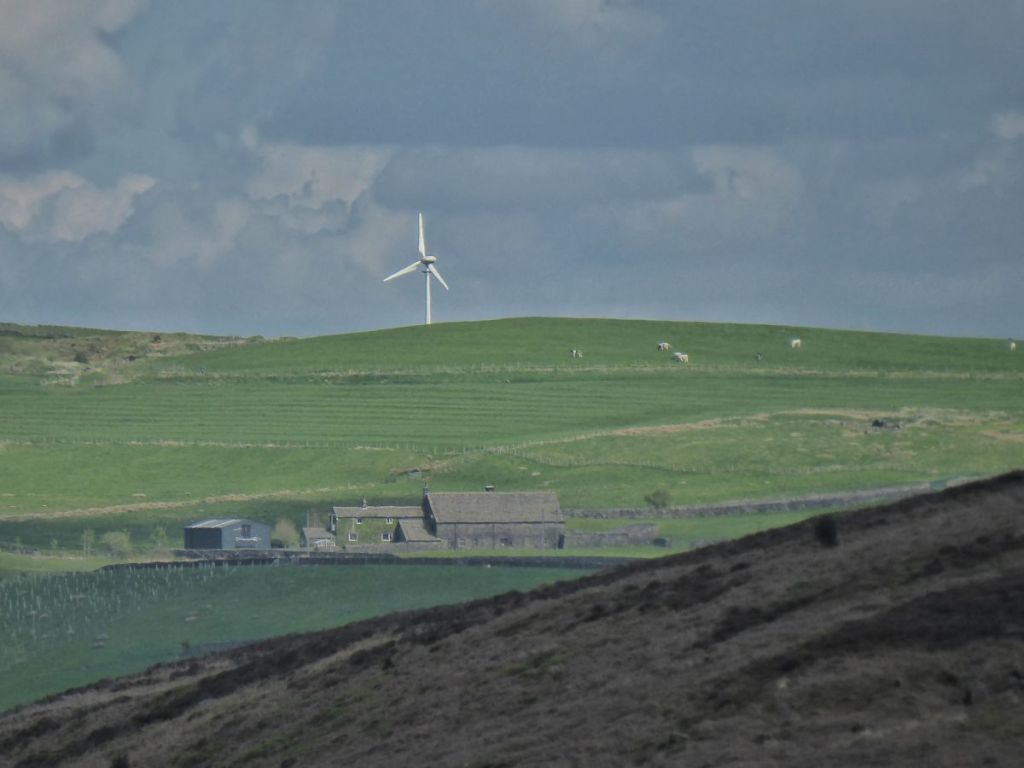
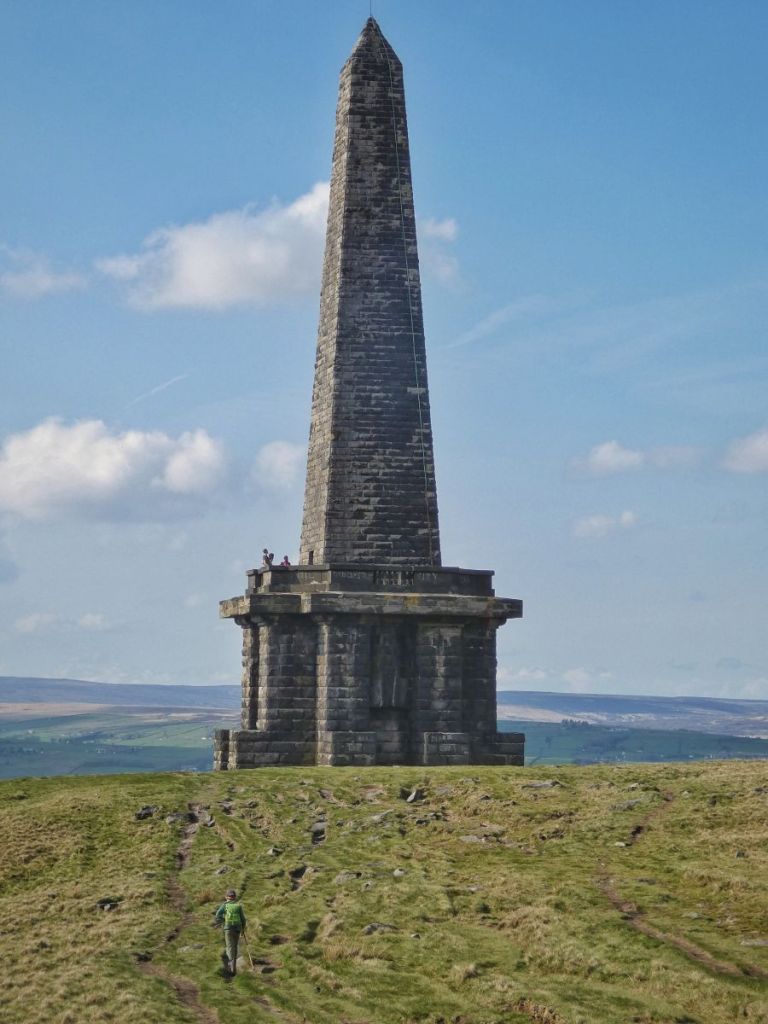
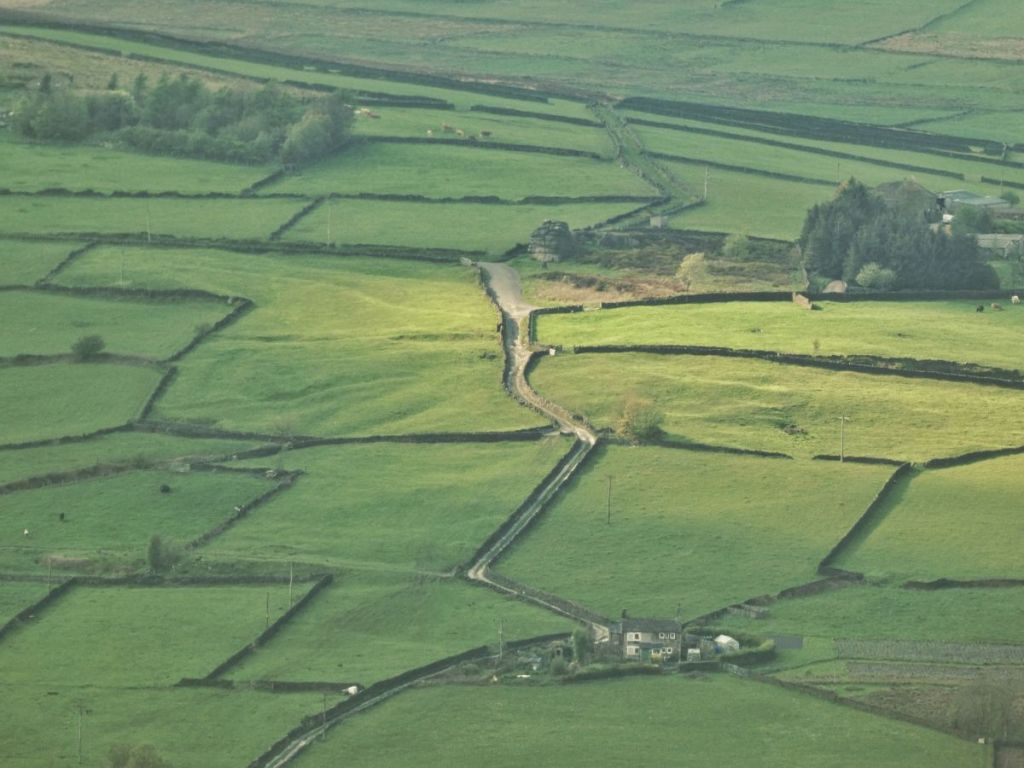
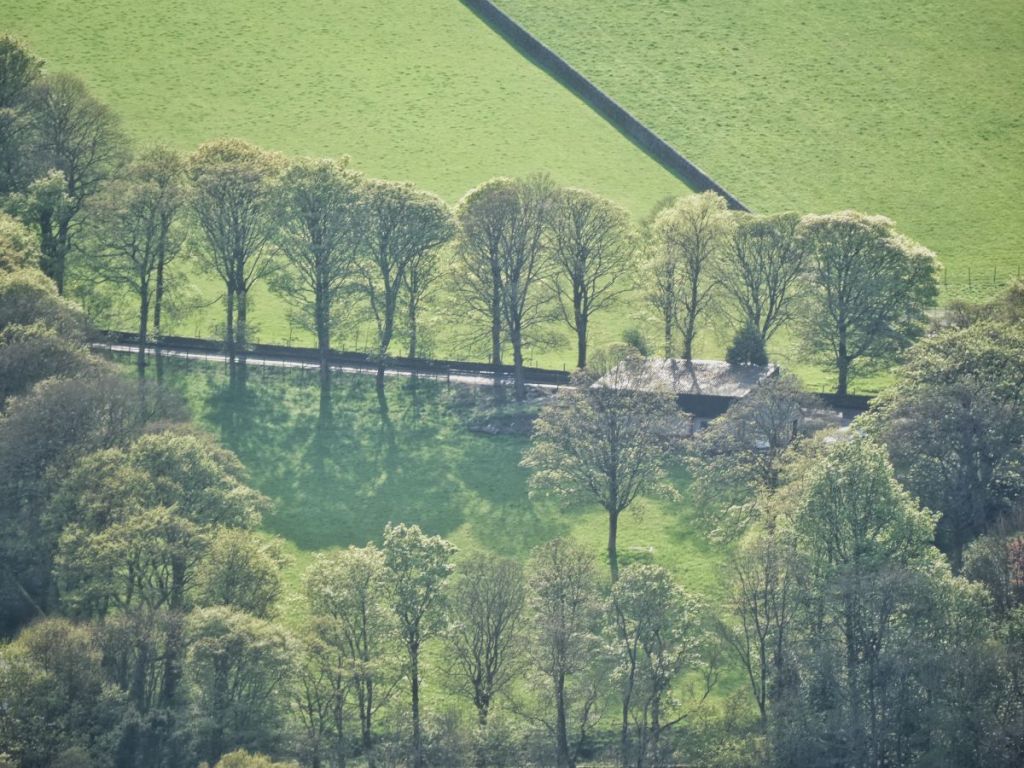
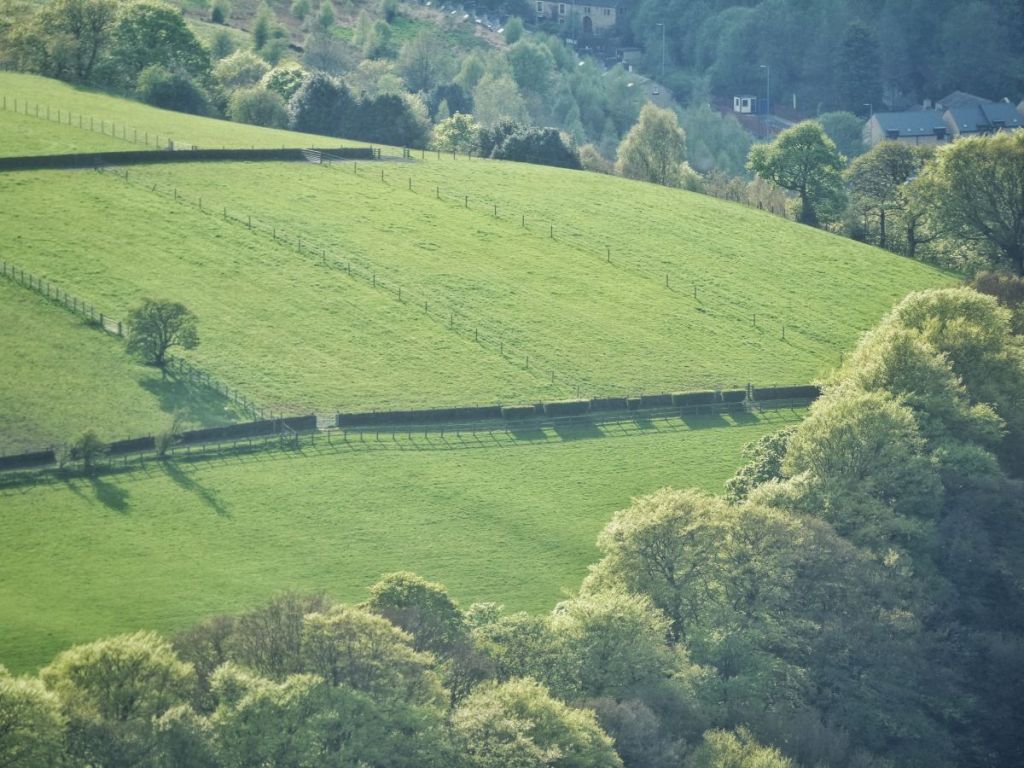
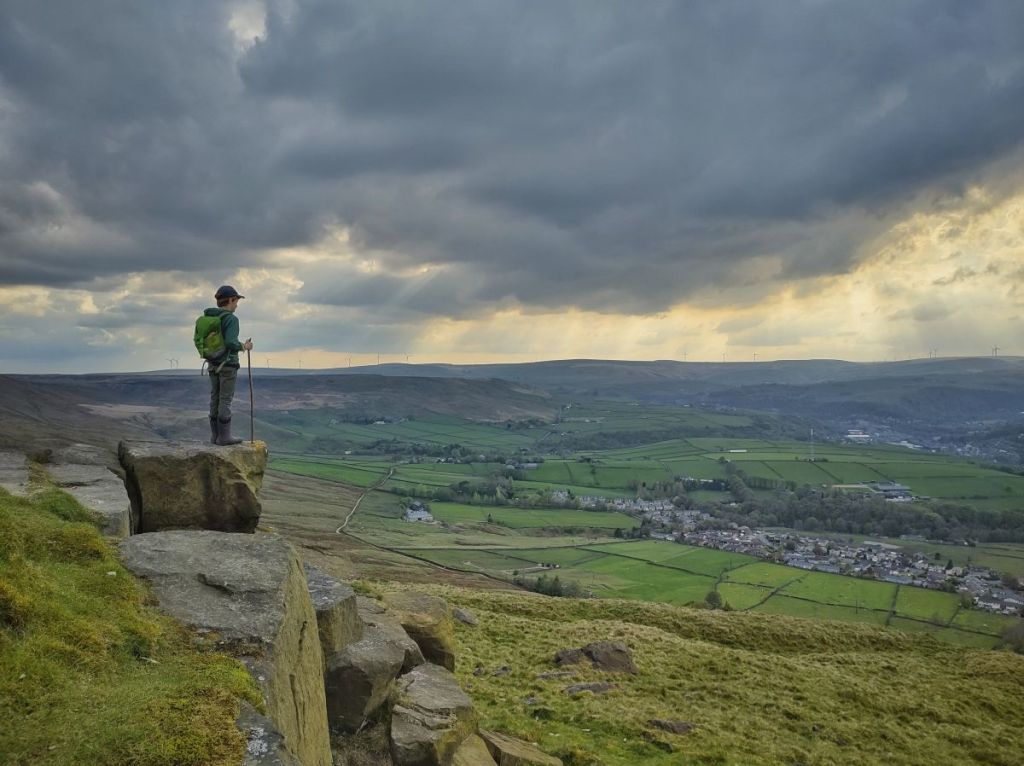
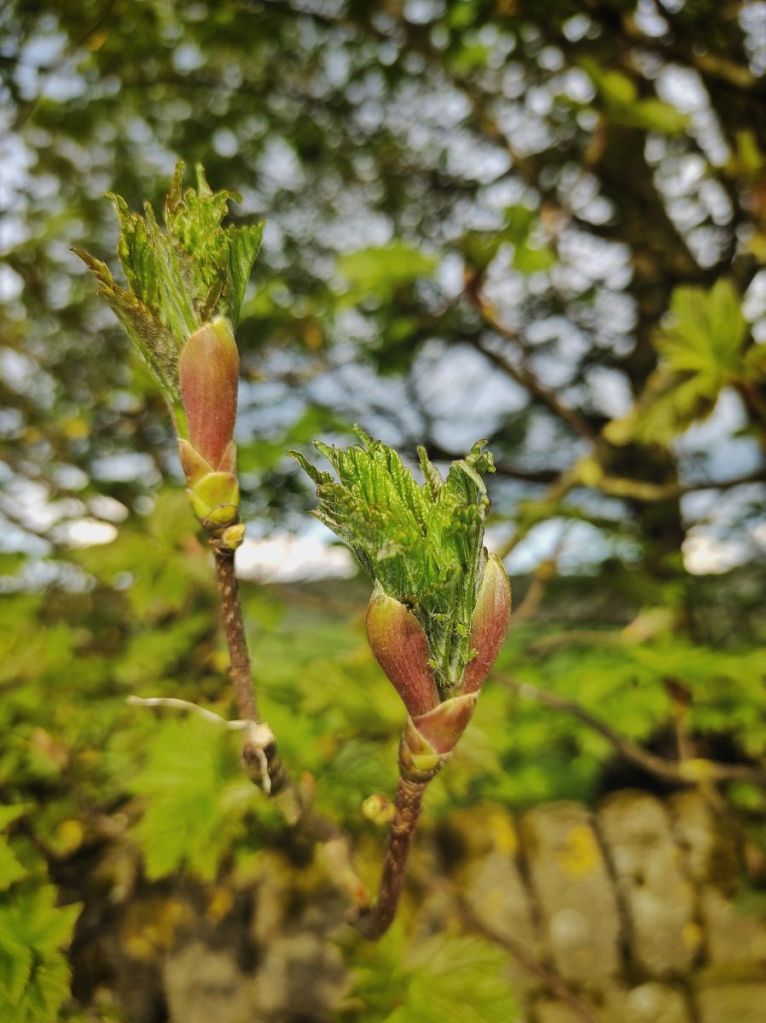
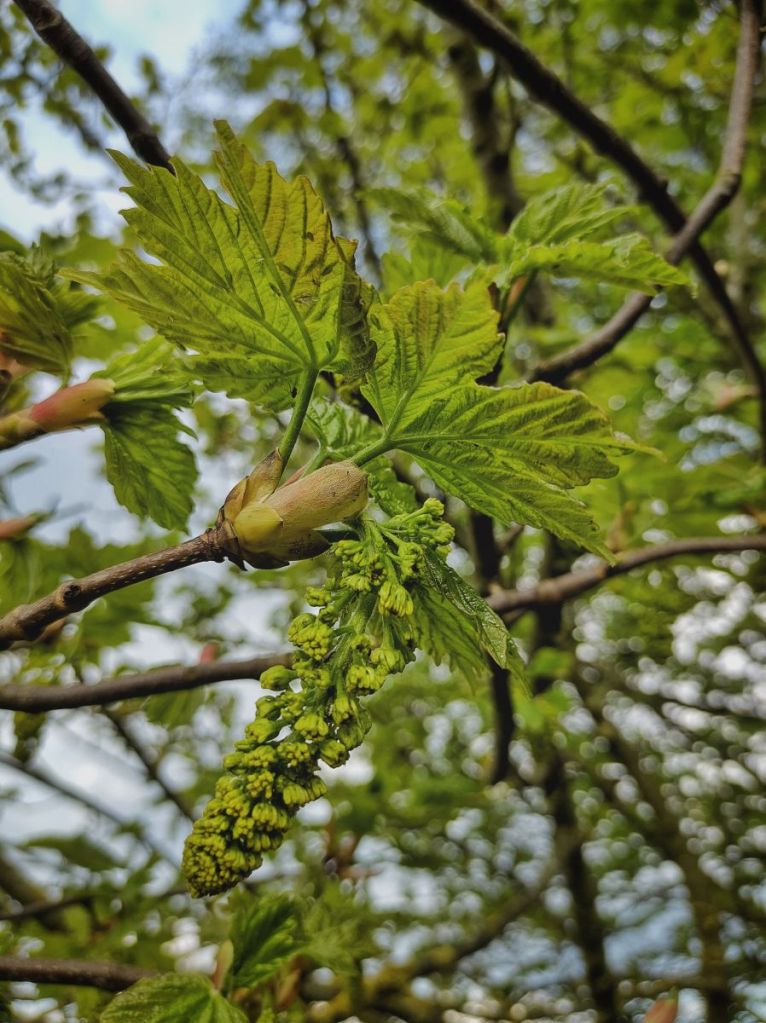
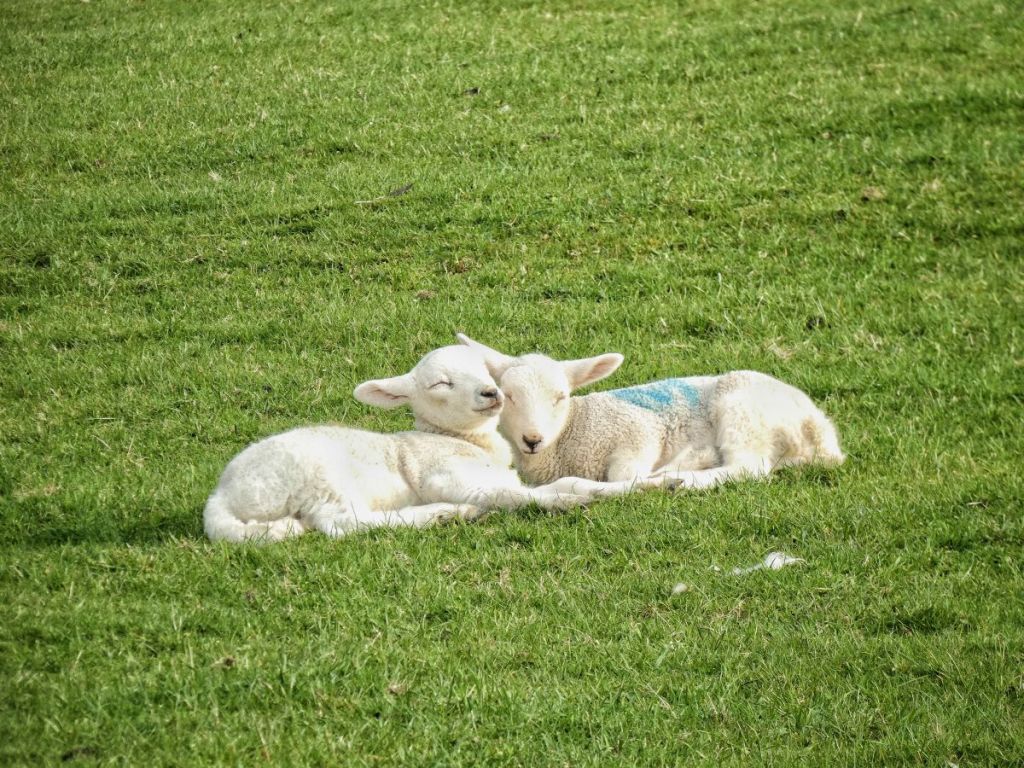
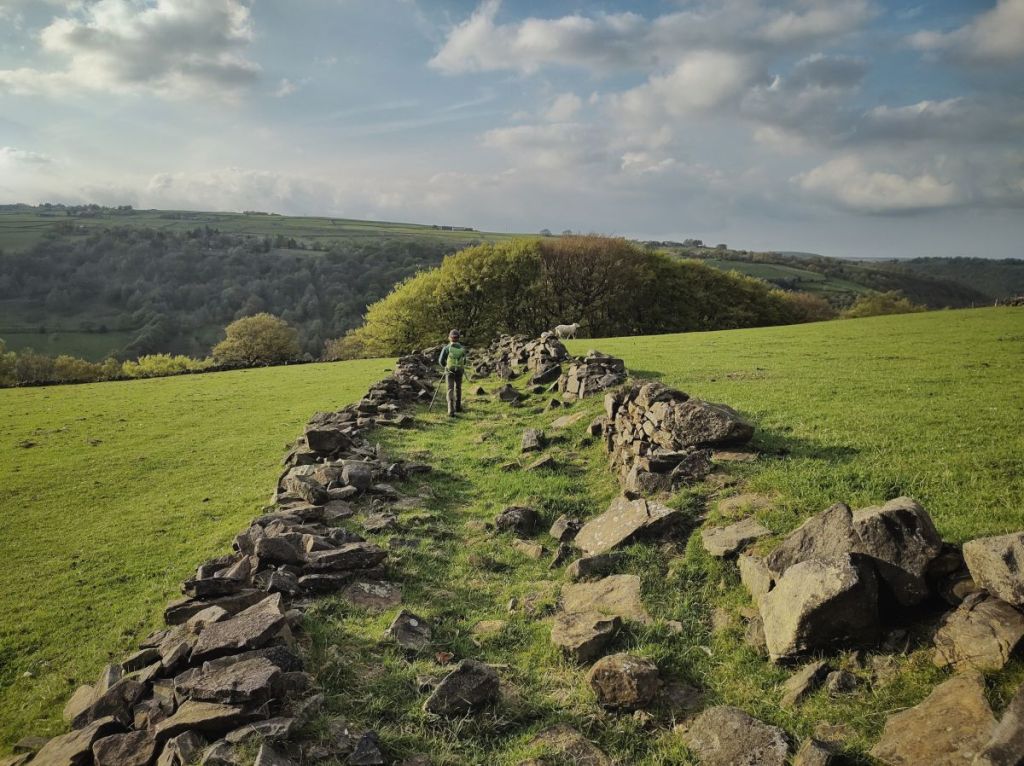
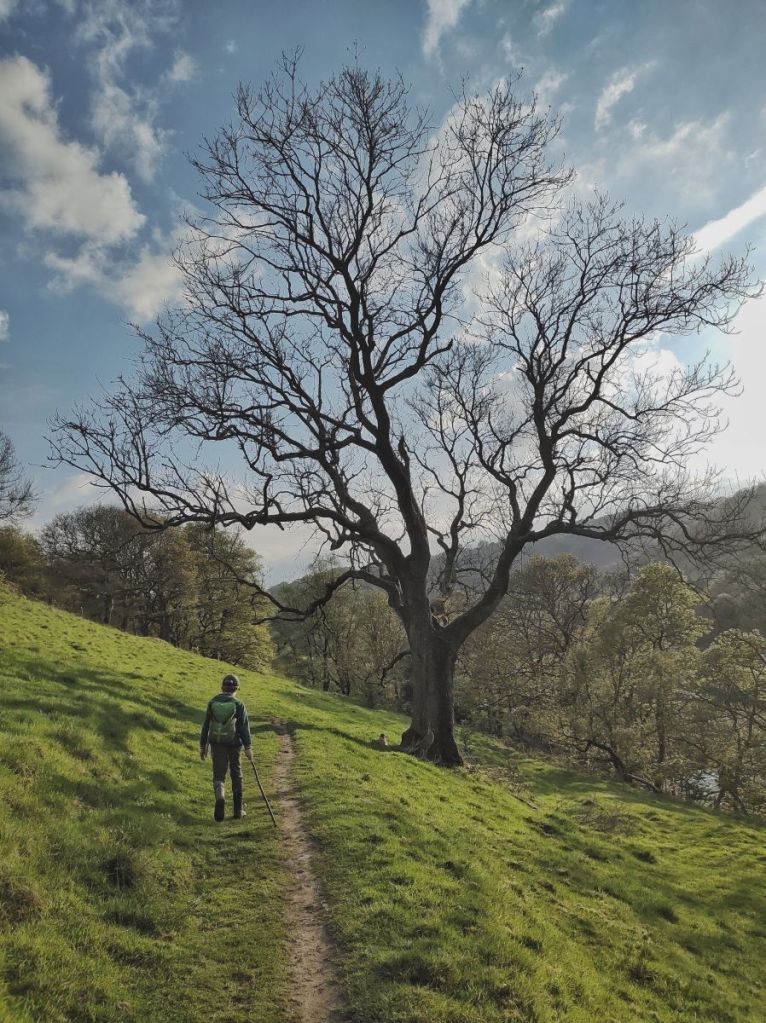
On the moor above, Stoodley Pike Monument, which would have reared above The Withens’ skyline in the 1850s, is quiet now the evening is approaching. Four-year-old Rory, having completed his first ascent, is marching triumphantly around its base, his mum following and persuading him that it is time to begin the descent, and only a few others are taking in the lengthening shadows of trees and walls that drape themselves over all the green pastures of Langfield and Stansfield. A smoke trail of nitrogen fertiliser is billowing from a tractor to bring on the grass in one field, and another is being flat rolled into the stripes of a suburban lawn. Sun rays bore through clouds advancing from Lancashire over the border. The shining shaving brush heads of cotton grass are dulled as the cloud rolls over, but it soon passes and they gleam again. At Lower Rough Head, sycamore flowers are readying to bring the trees alive with insect hum, and as at Pasture, swallows dart in and out to their nests in the open barns. (It is marvellous that so many barns in the district have been saved from dereliction by being converted into dwellings, but it brings to an end our sharing of these buildings with swallows.) A mistle thrush sings above mare’s tail and cuckoo flower in the boggy Edge End Plantation at the top of Beaumont Clough, and lambs doze together in the farm’s meadows.
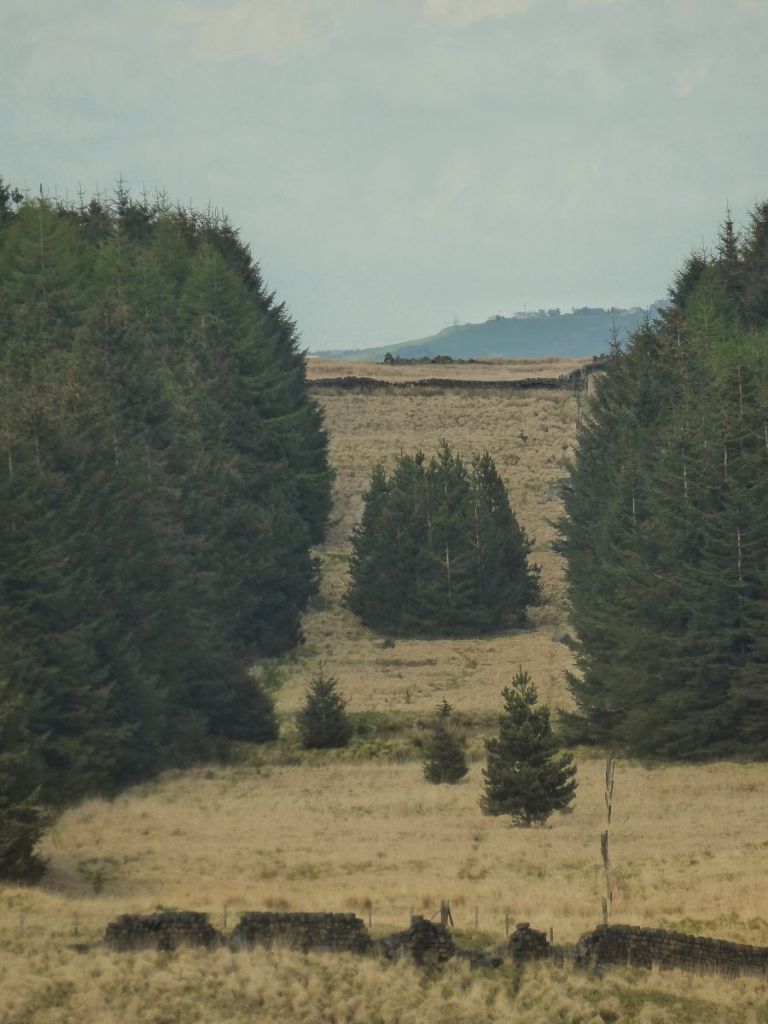
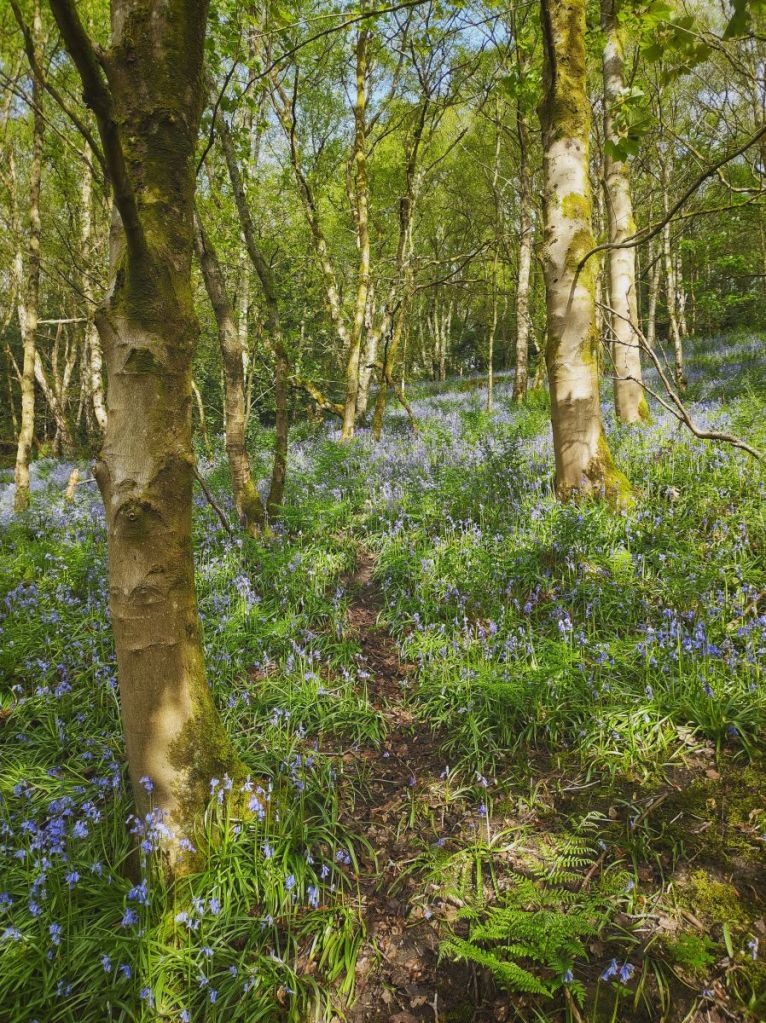
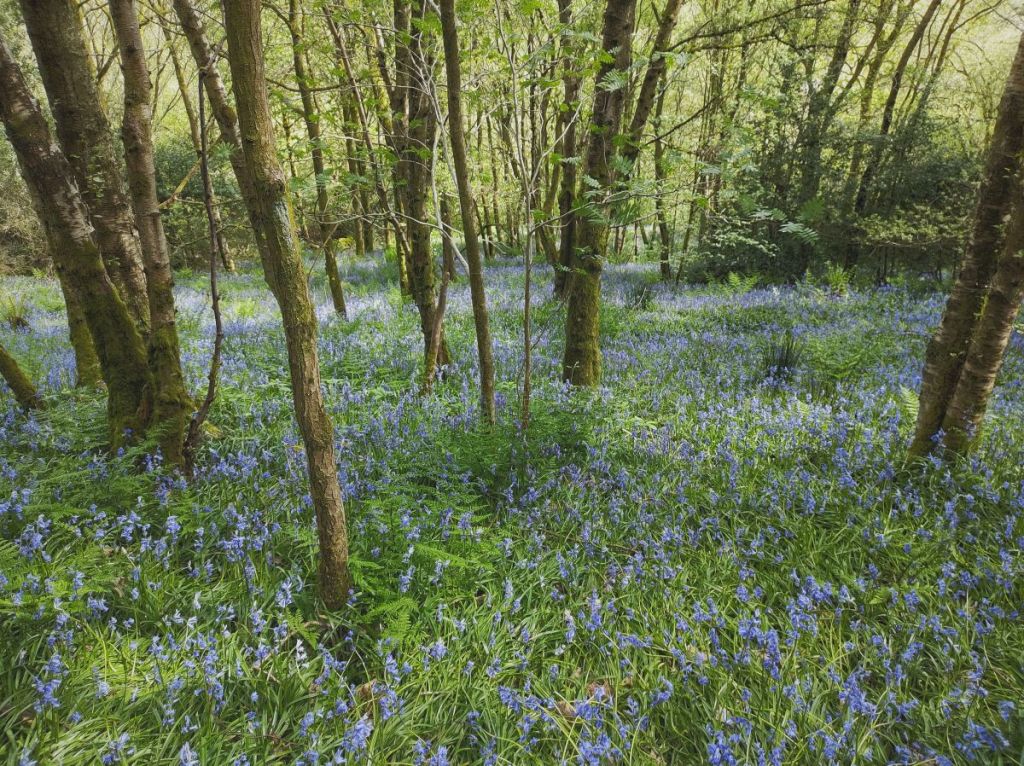
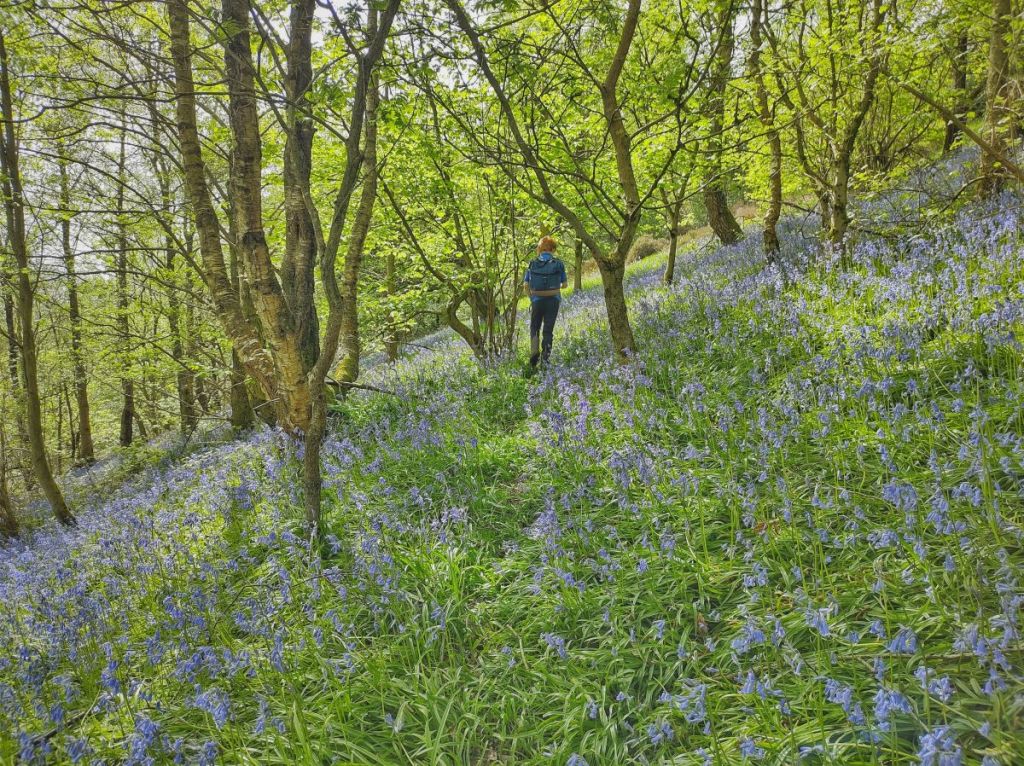
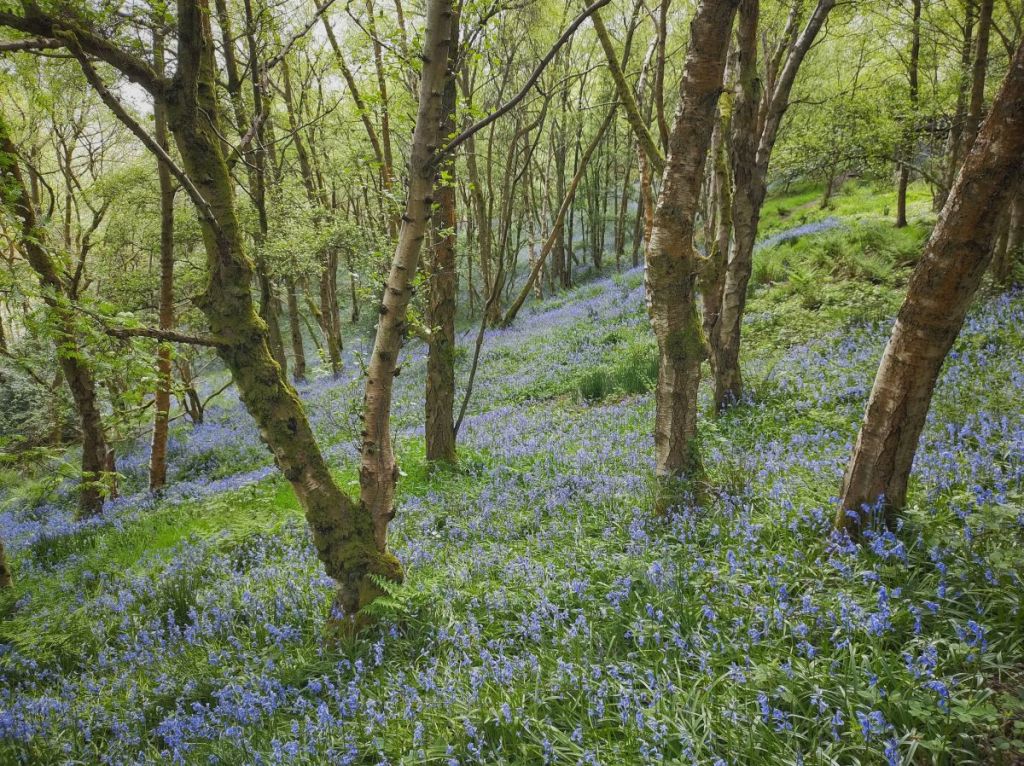
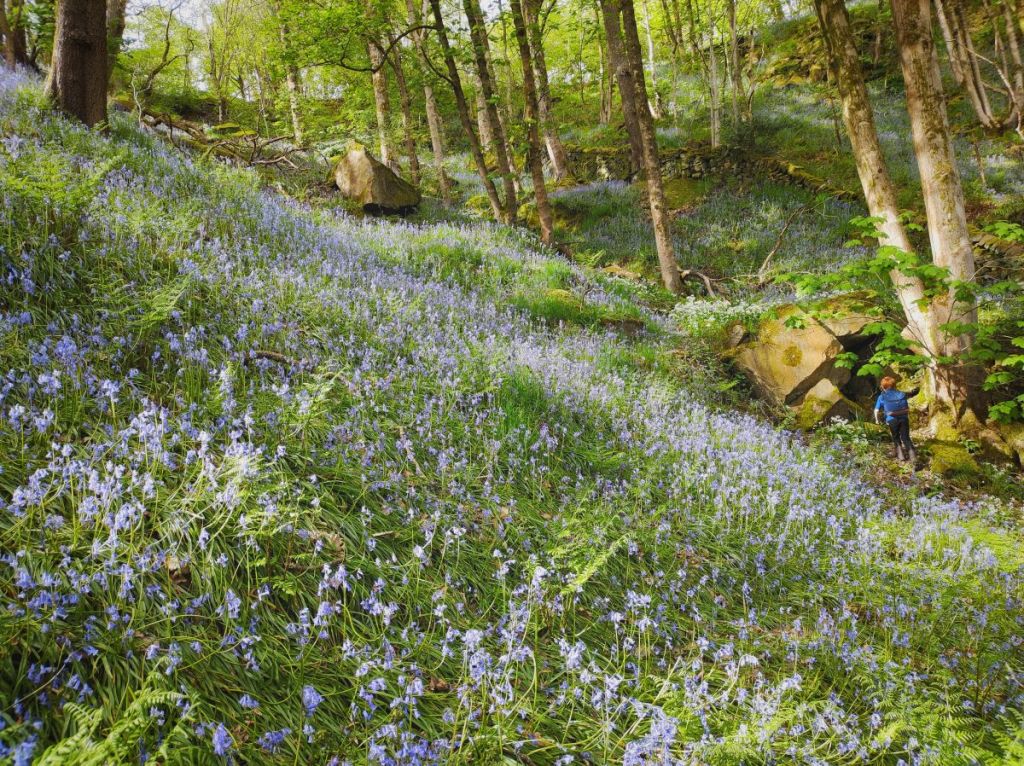
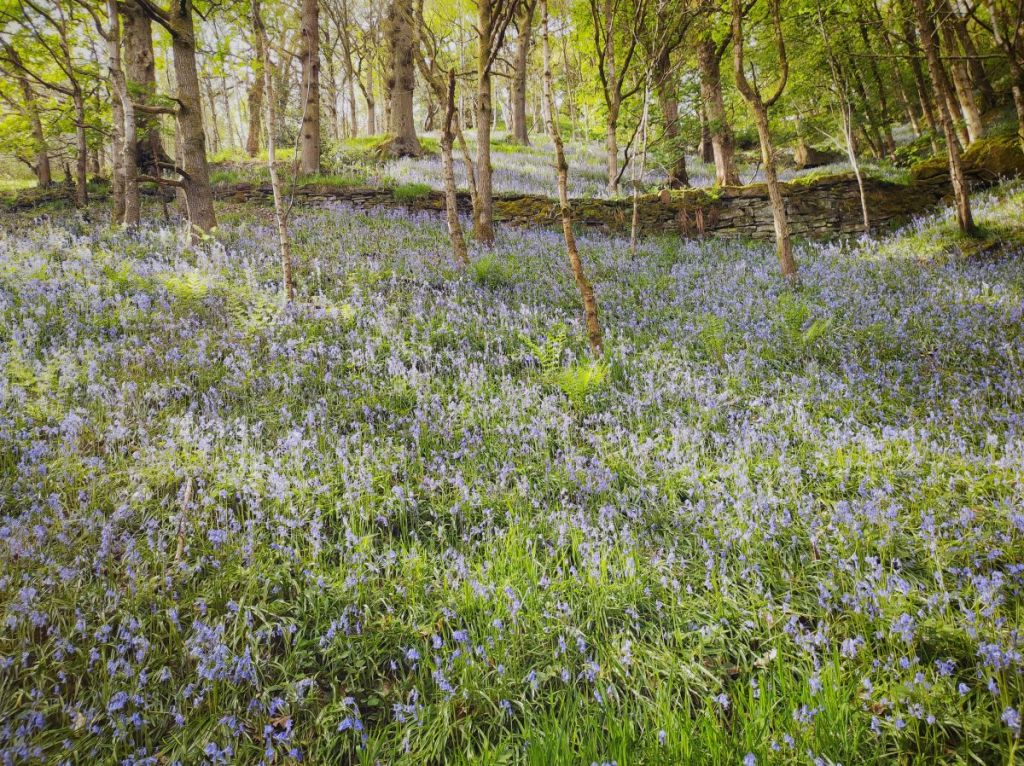
Two days later, the Knott Wood bluebells are 24 hours shy of their peak, with a few flower buds still to open and their lavendar blue on the cusp of deepening with shades of indigo. But they are still magnificent. They wash down the hillsides and break against the oaks. Their scent wafts in waves on the rising warm air. Thin deer trails meander through them under Peter’s maturing woodland on Turret Brink. The white foam of wild garlic flowers tumbles down among them on the sled track from Castle Hill quarry. They are a cobalt haze, like slow-moving dawn mist, under the young birch in Old Hall Field. Soon they will be spent and their lush leaves will fade through the summer into raffia and their black seeds will rattle and spill. But for these few perfect days, they are a British woodland’s finest moment.










 Landscape Story
Nice piece of writing, does the bluebells proud!
Sent from my iPhone
LikeLike
Thank you very much, Sue. They’re stunning this year as every year, but I’ve been finding their scent stronger than usual. Perhaps just me, or perhaps the conditions are right this year.
LikeLike
This is just beautiful storytelling. Lots of information too.
I also do a lot of hikes with my son. Such a nice way of framing these stories.
LikeLike
Thanks Florin. I appreciate it. My days out in the hills and woods with my son are precious. I won’t enjoy them half as much when he’s no longer my regular companion.
LikeLiked by 1 person