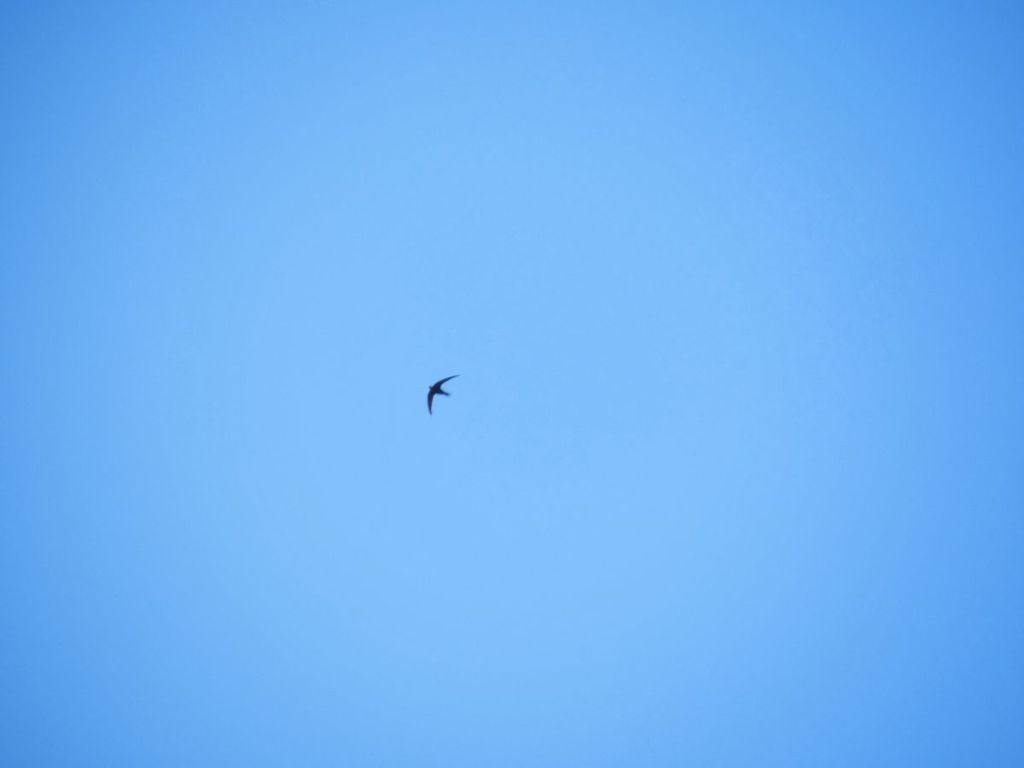
It’s May Day, and an impromptu maypole dance manifests on the village green. Twelve colourful ribbons are tied to a goalpost, and the children, who are already out playing in the late-afternoon spring sunshine, gather and intuitively grab an end each. Someone strikes up a jaunty folk tune on their phone and around the dancers go for two revolutions, and back again for two, before an attempt is made at the over-and-under rhythm of ‘The Grand Chain’. The anarchy that results was only to be expected, given there was no practice and the average age of the dancer is perhaps six, but as the post becomes progressively swaddled and ribbons more entangled, the laughter grows louder. And whatever magic this echo of an old tradition invokes has its effect, for one of the children spots that it has summoned the first swift in our skies. Its sickle silhouette slices through the blue, its wings flicker and the sheen of its plumage flashes as it banks, and the roll call of migrants to bless us with their return is now complete. The globe, as Ted Hughes celebrated on their return in his 1976 poem ‘Swifts’, is still working.
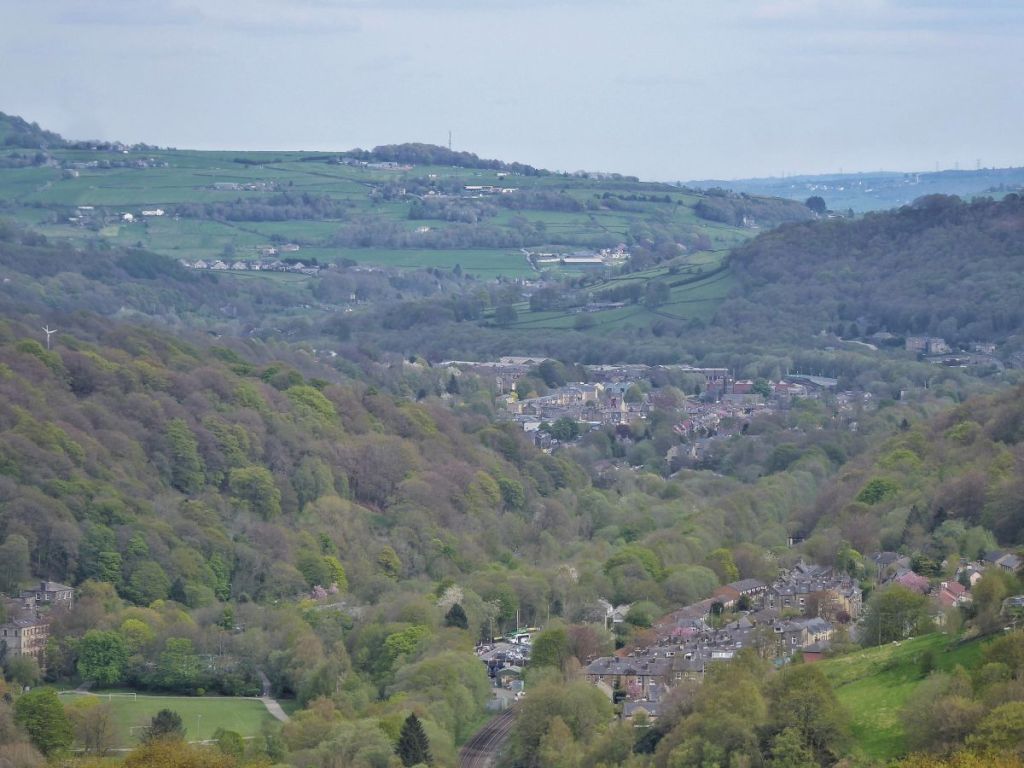
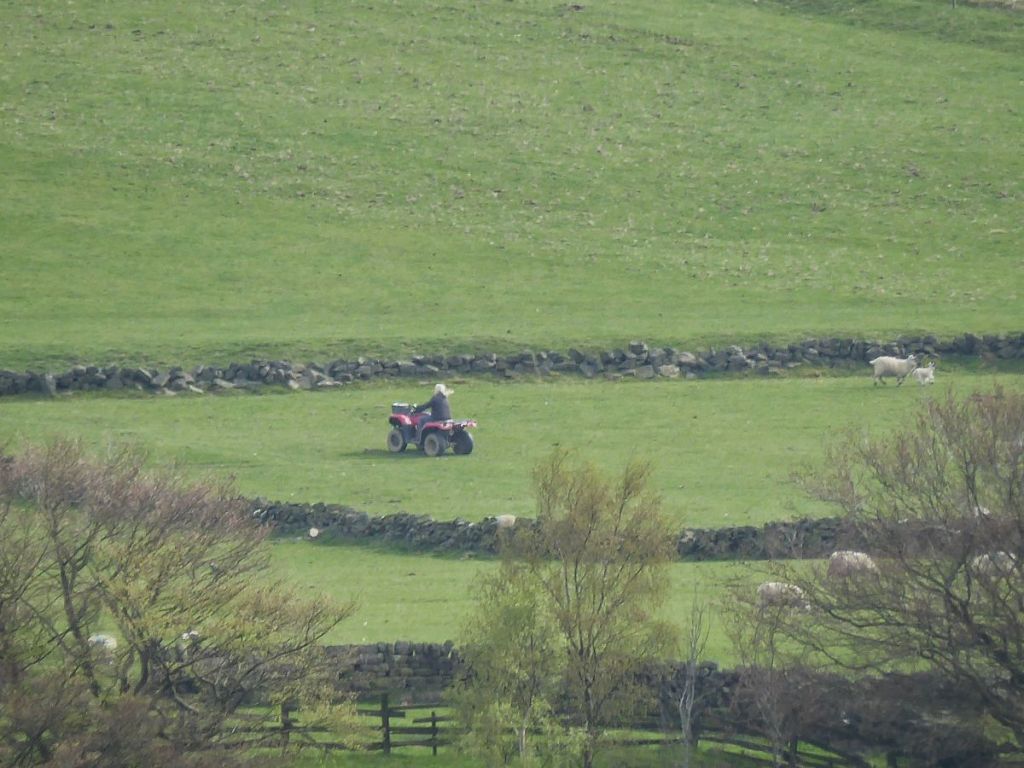
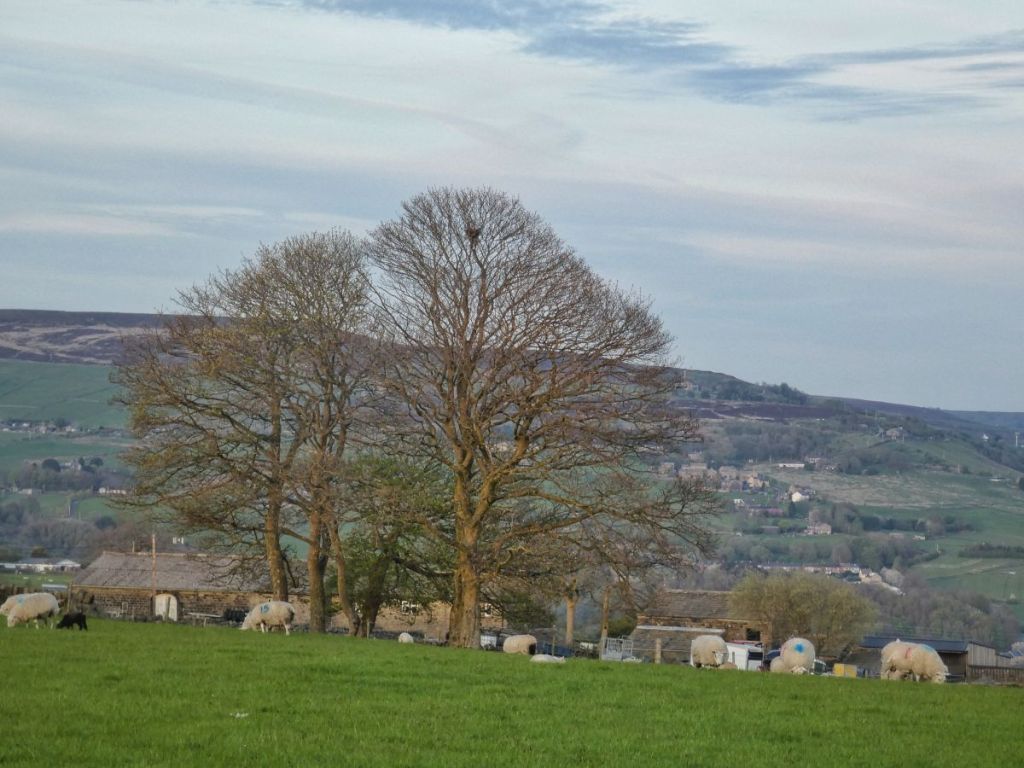
The warmth continues into the week. Steve is out in his field, slinging a ball for his dog with all the greening valley laid out before him. Dick having been over the grass with his impressive new muck spreader, Steve is now wading through ankle-deep growth, and his dog has to keep a keener eye on where the ball lands. And not a moment too soon, for the pile of black-wrapped silage bales up at Dick’s farm is down to single figures.
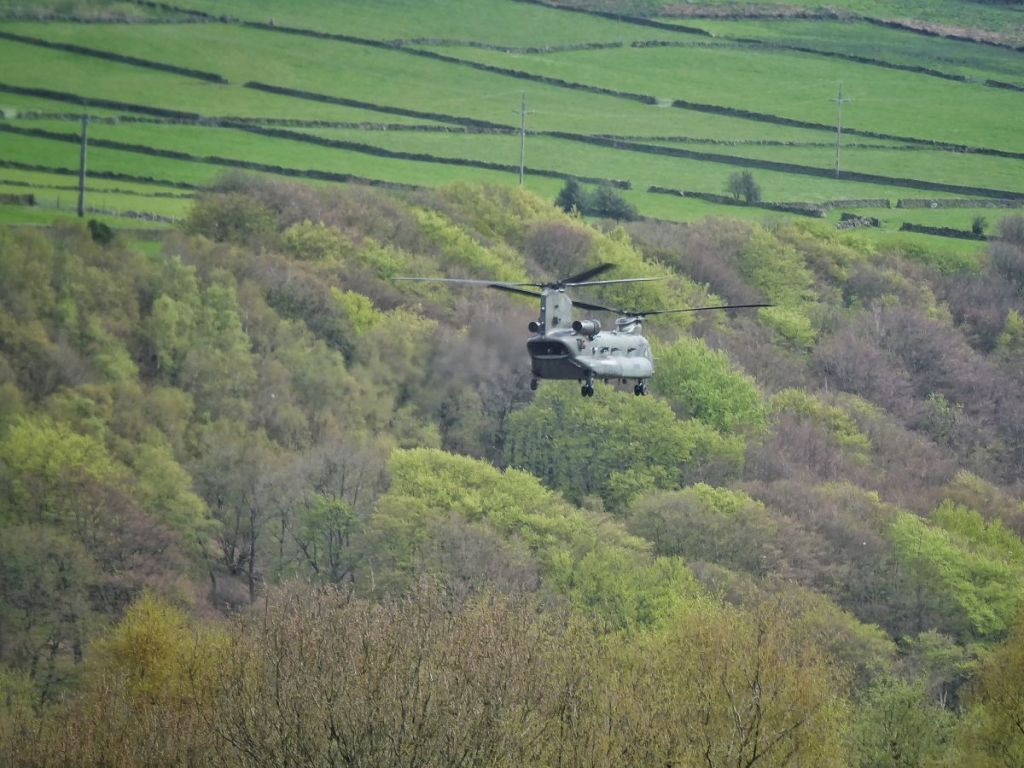
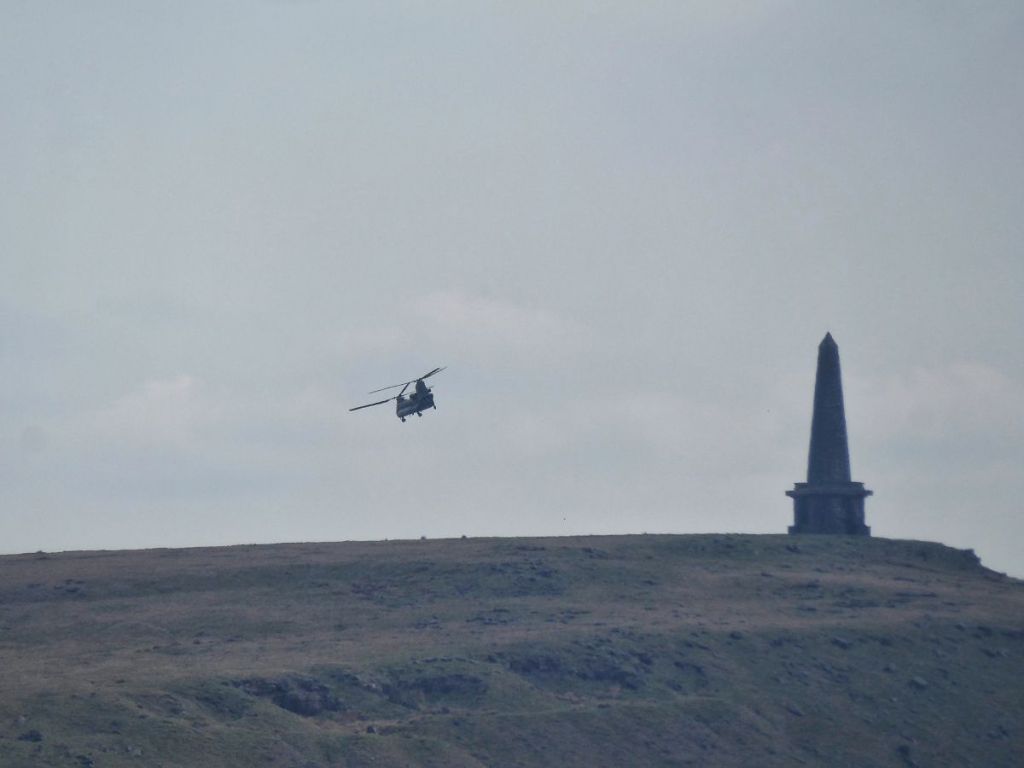
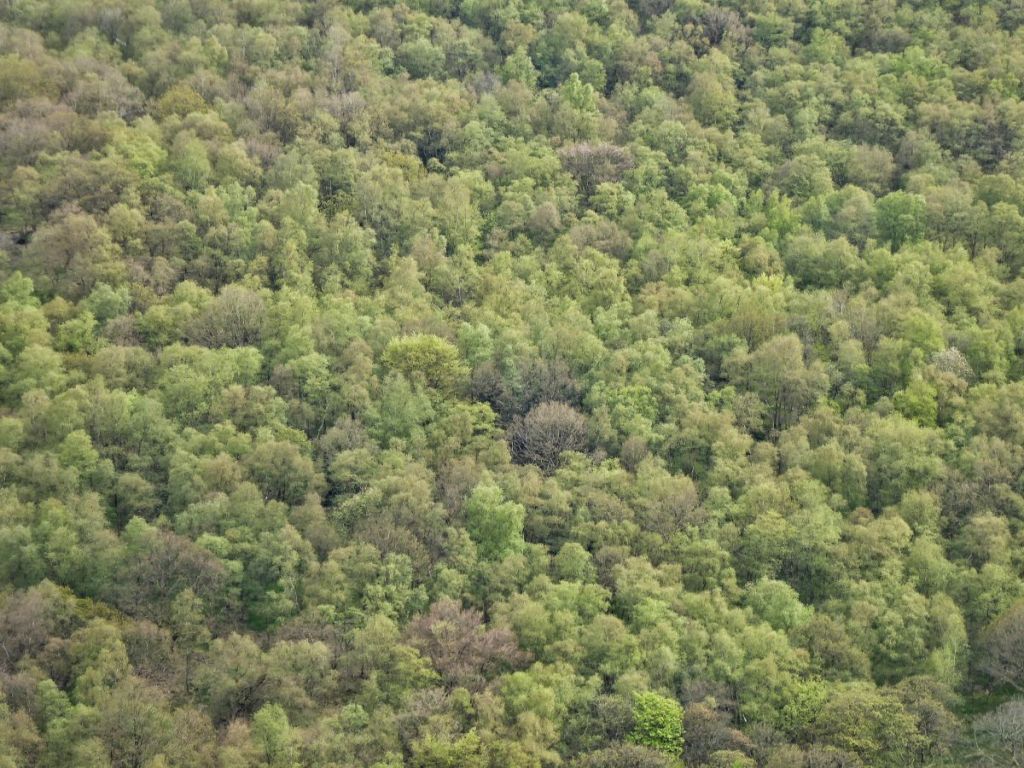
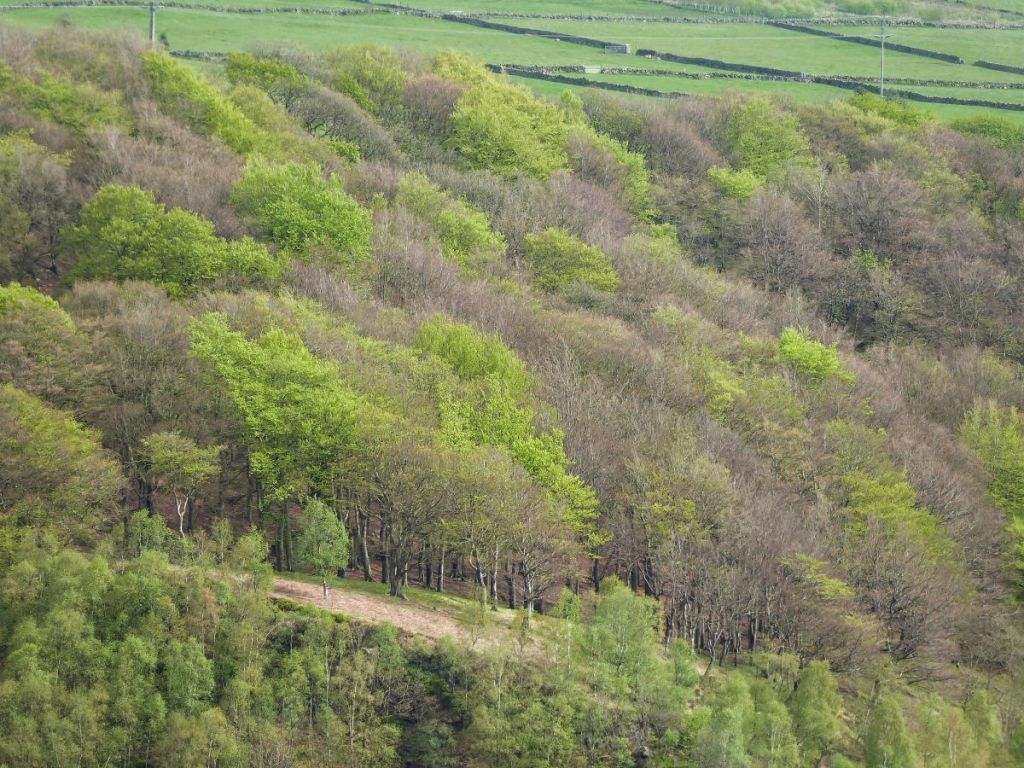
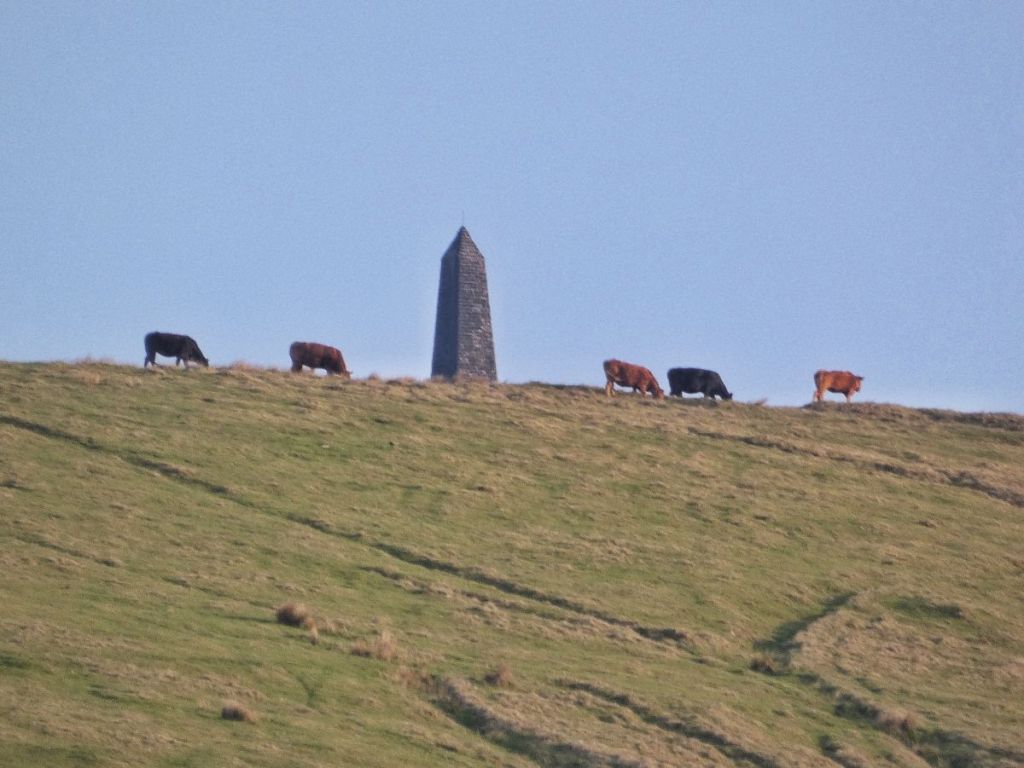
A Chinook helicopter rumbles over, or, rather, through – over Slack before dipping into the gulf of the valley level with Steve’s field, the heat haze from its exhaust blurring the chequerboard green and brown canopy of Horsehold Wood’s beeches. It rises over Edge End Moor, using Stoodley Pike Monument as a navigation buoy at which to make a turn into Withens Clough.
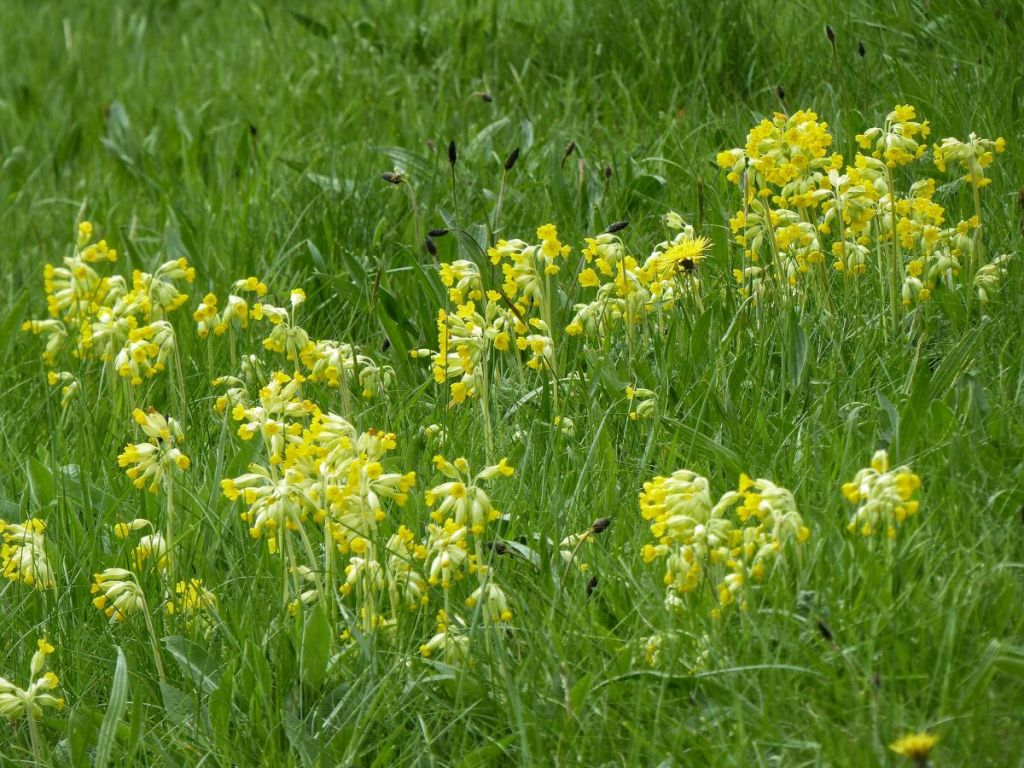
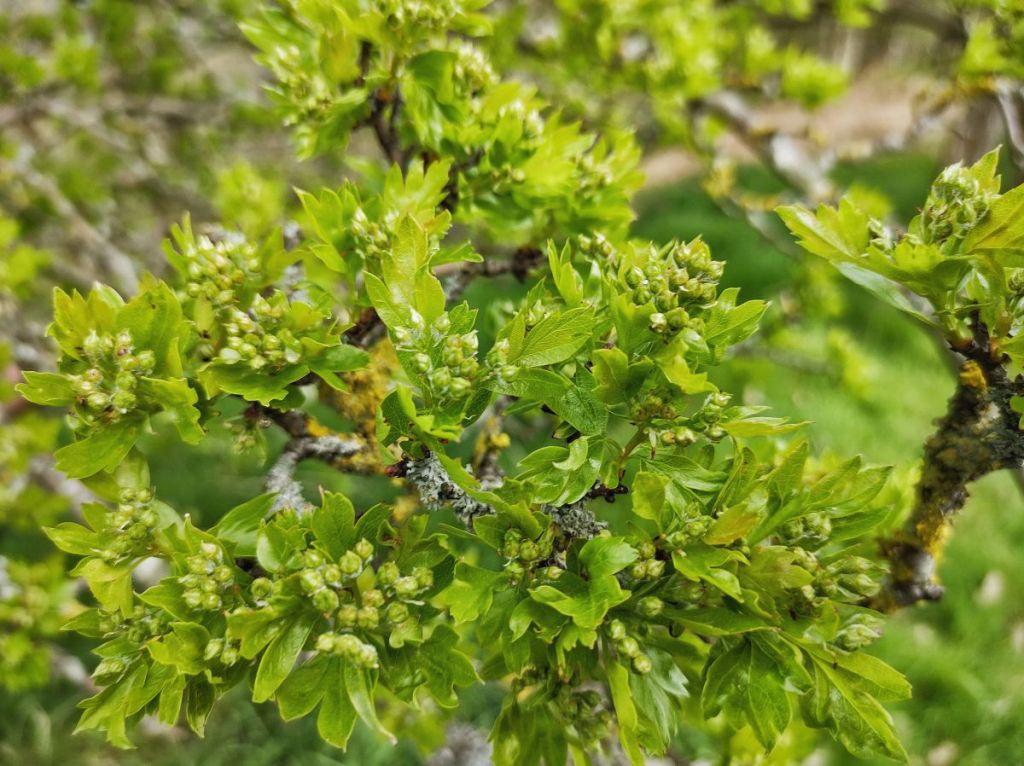
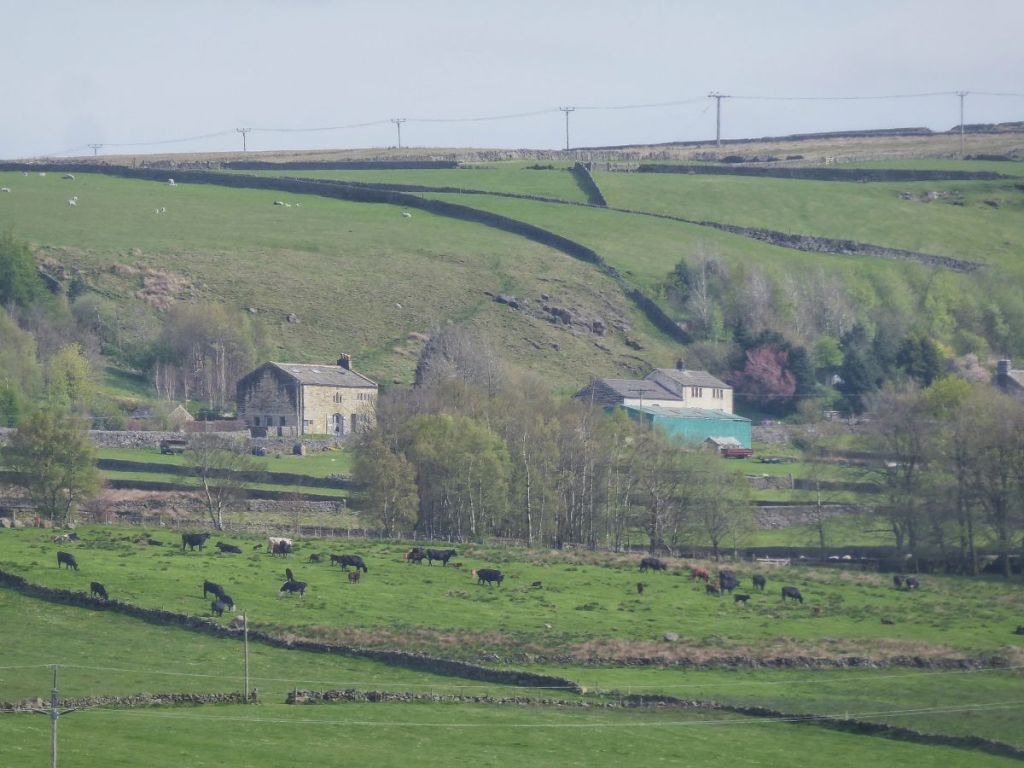
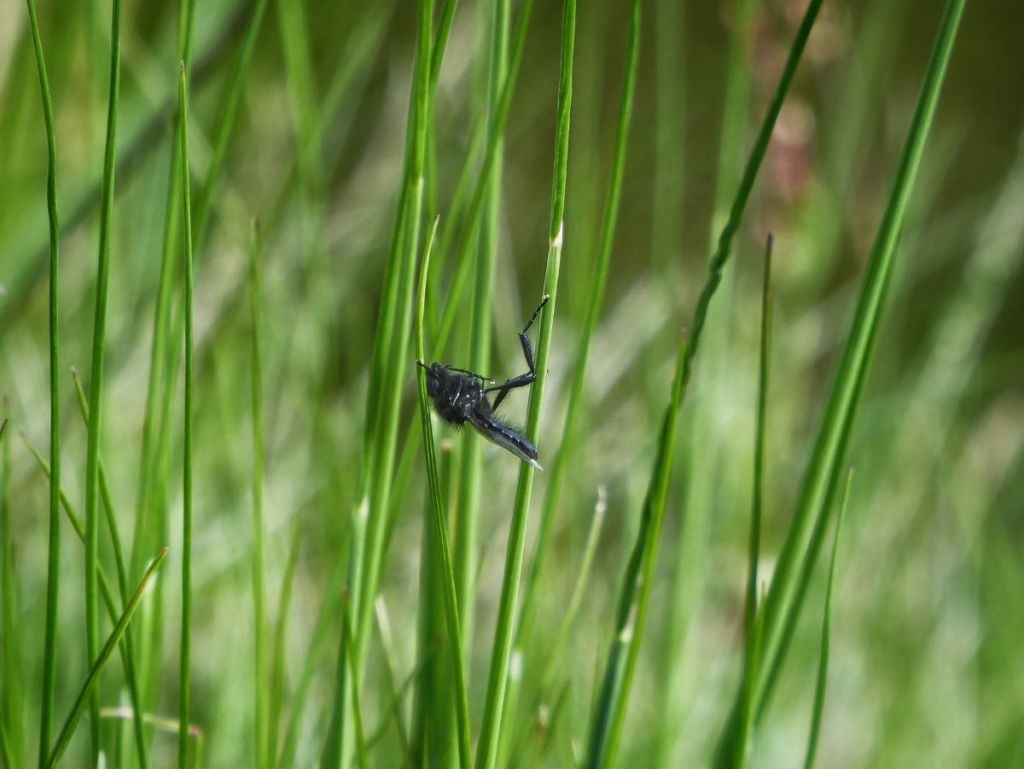
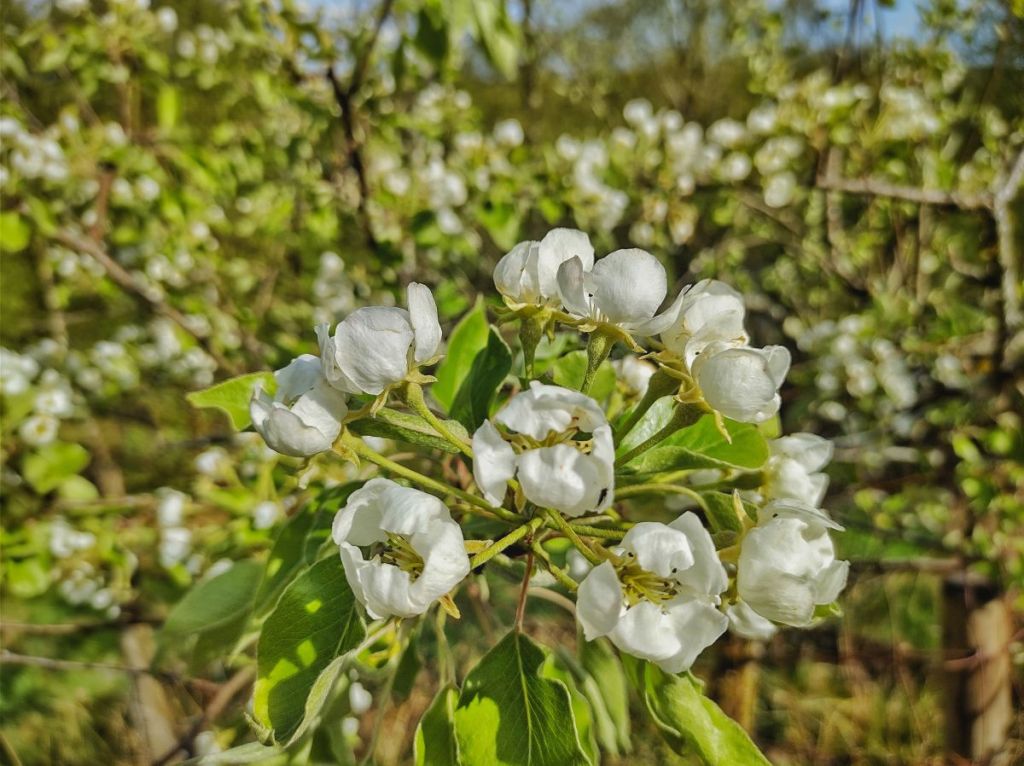
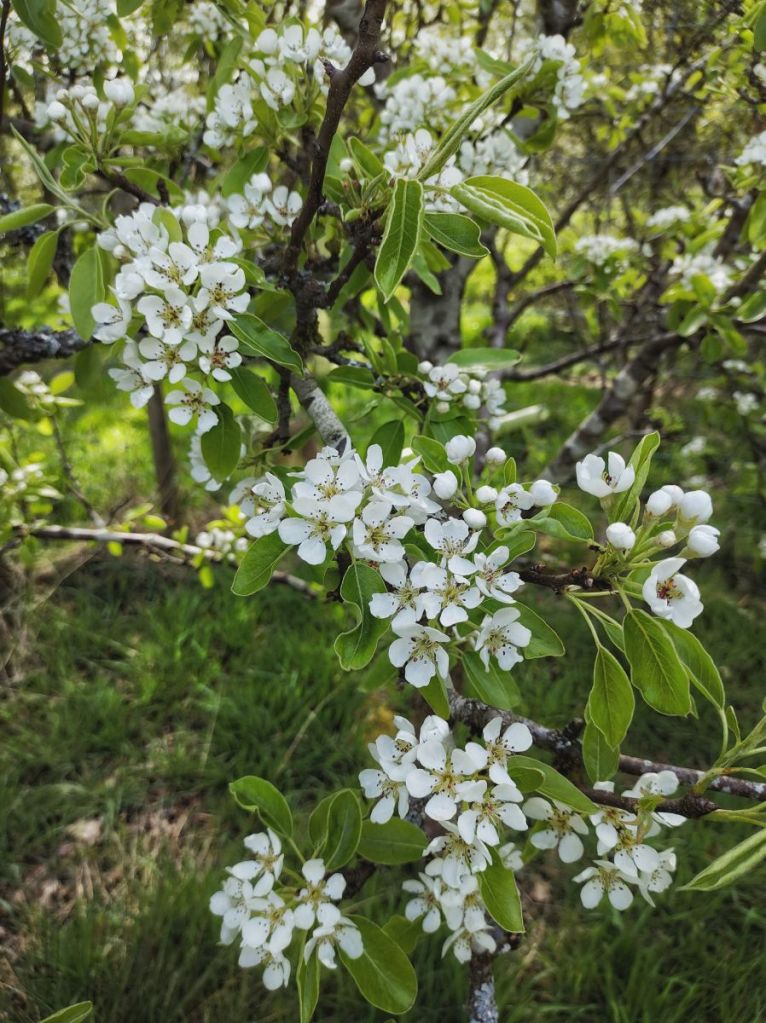
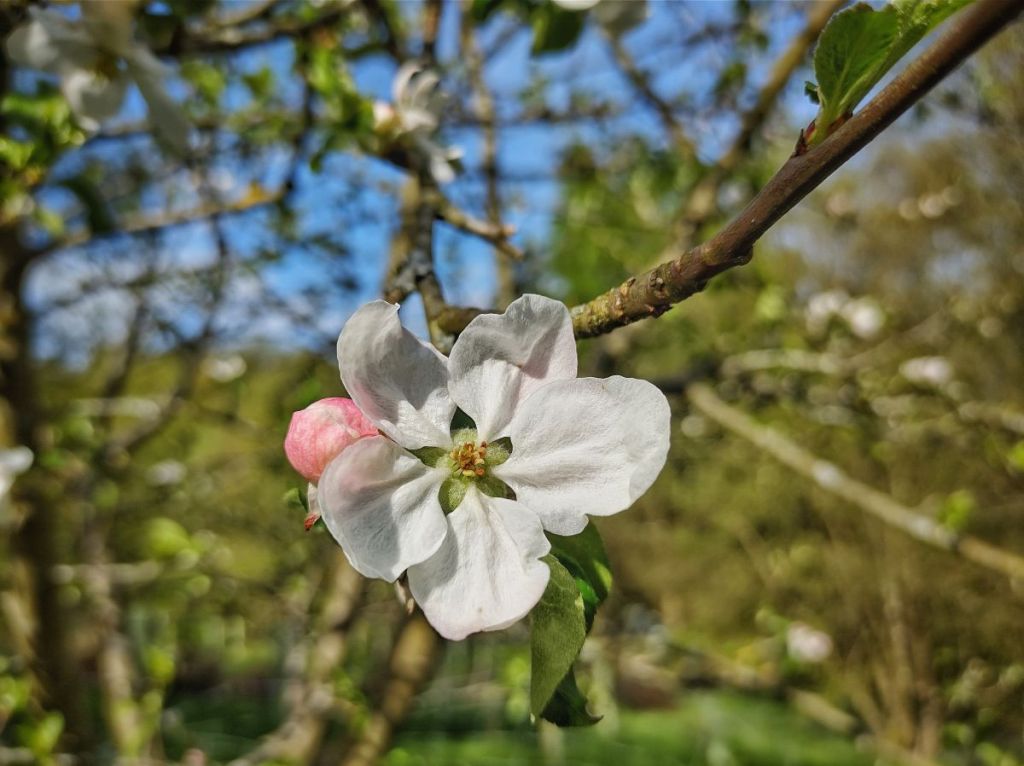
Quiet returns. At Lower Rawtonstall, drifts of cowslips are making a show of it in the sun, greater stitchwort rock in a sudden breeze, and hawthorn flowers, tightly-wrapped for now, are poised and ready now it is their month. Kath is on the rounds of the Edge End lambing fields across the valley, and the Horsehold cattle are bellowing. St Mark’s flies, a week since their traditional hatching on the day of their namesake saint, dance with their curious dangling legs beside the unoccupied kestrel nest box in the field labelled as Turret Brink on old estate maps. Down in Peter’s old pig field, labelled as the Meadow Field but now reverting to woodland both through natural succession and recent planting, apple and pear blossom is out on trees planted by Treesponsibility many years ago. Both the bathtub and the dug pond below the Forest School firepit are worryingly still, empty of their usual seethe of tadpoles.
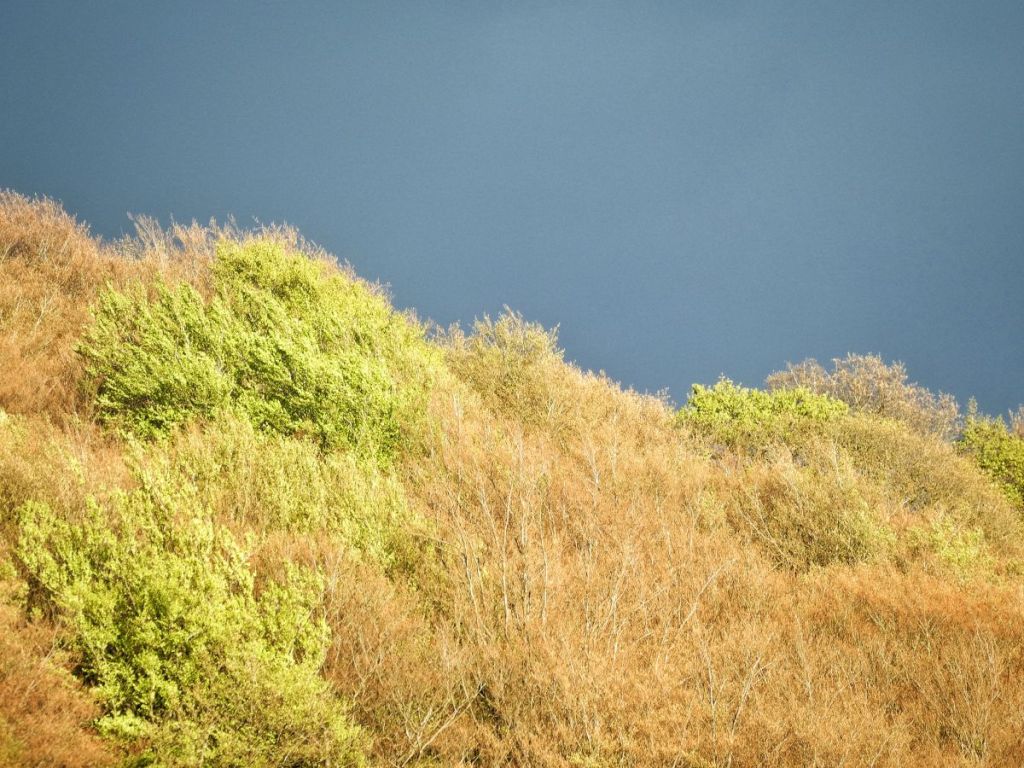
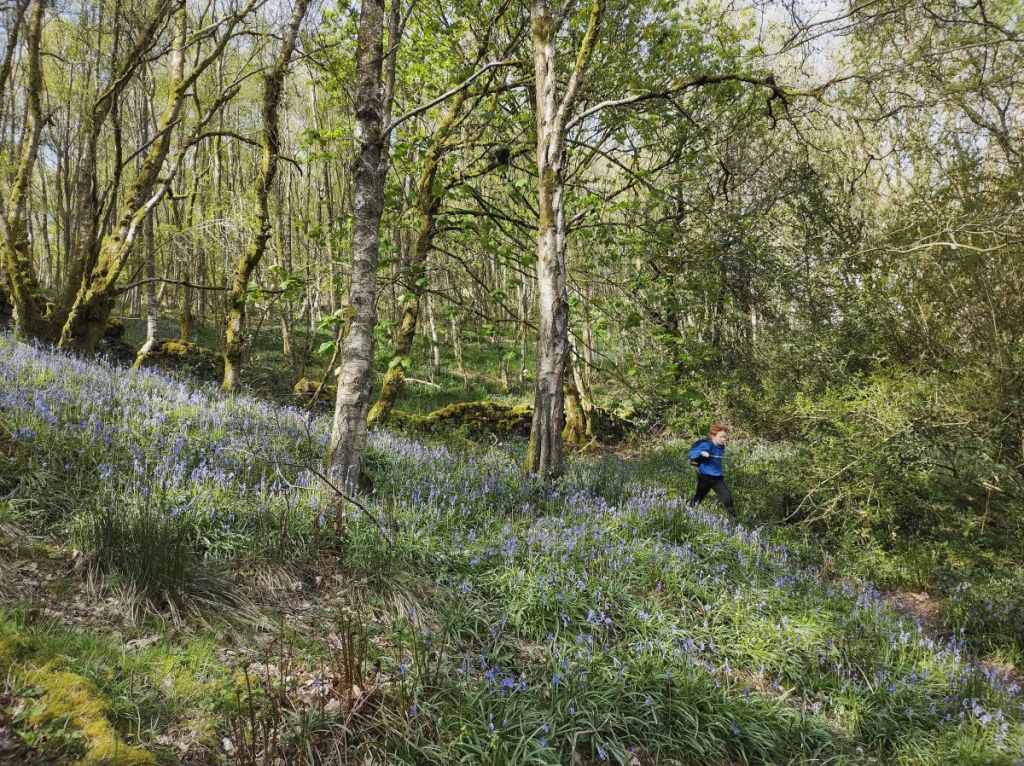
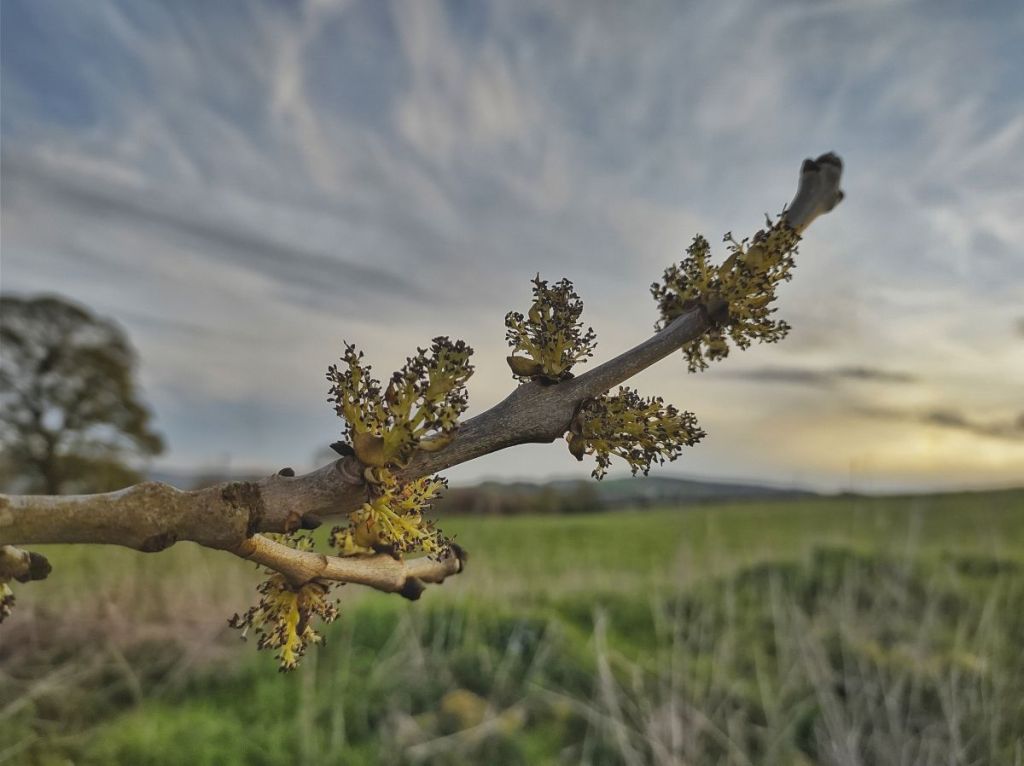
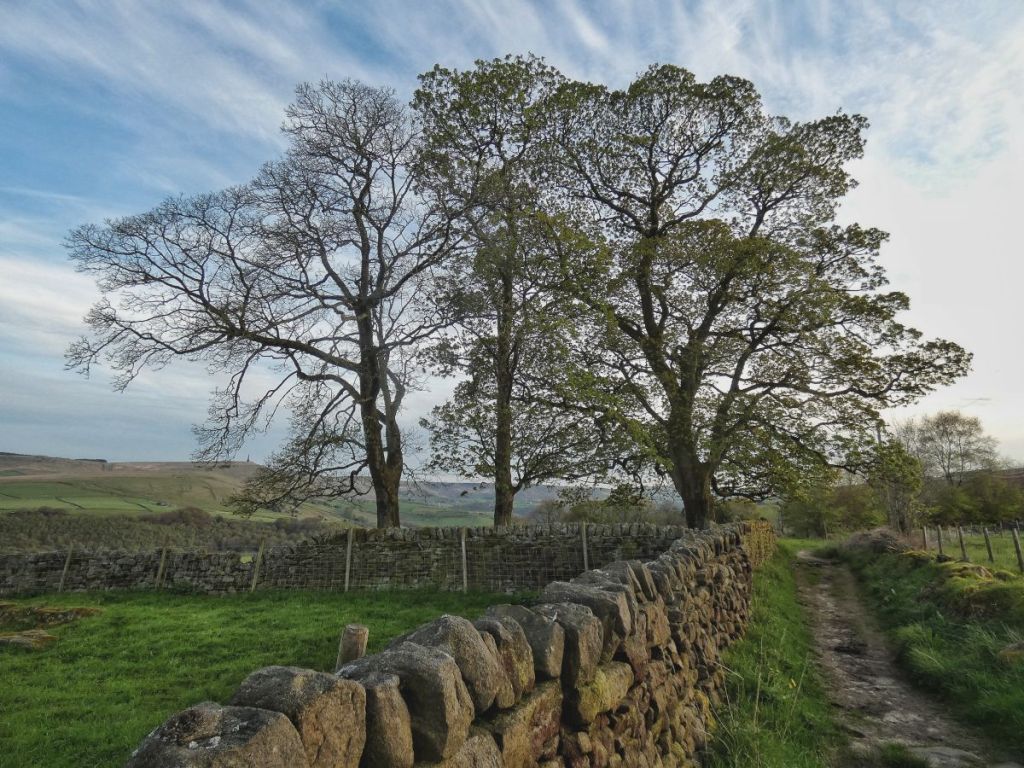
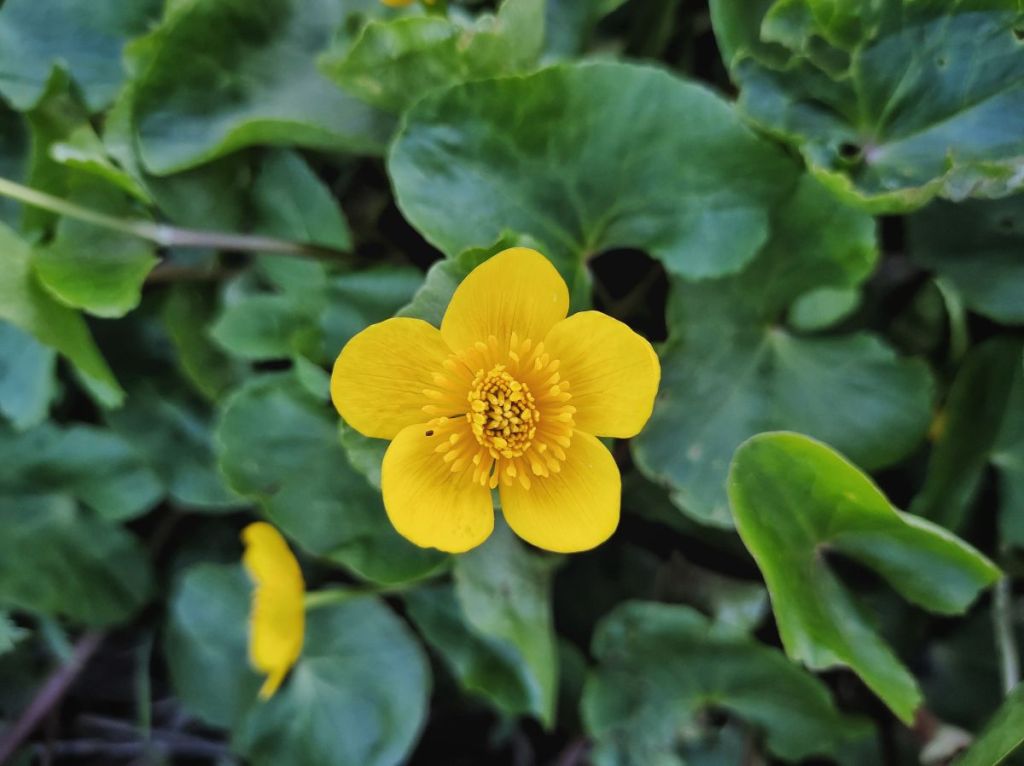
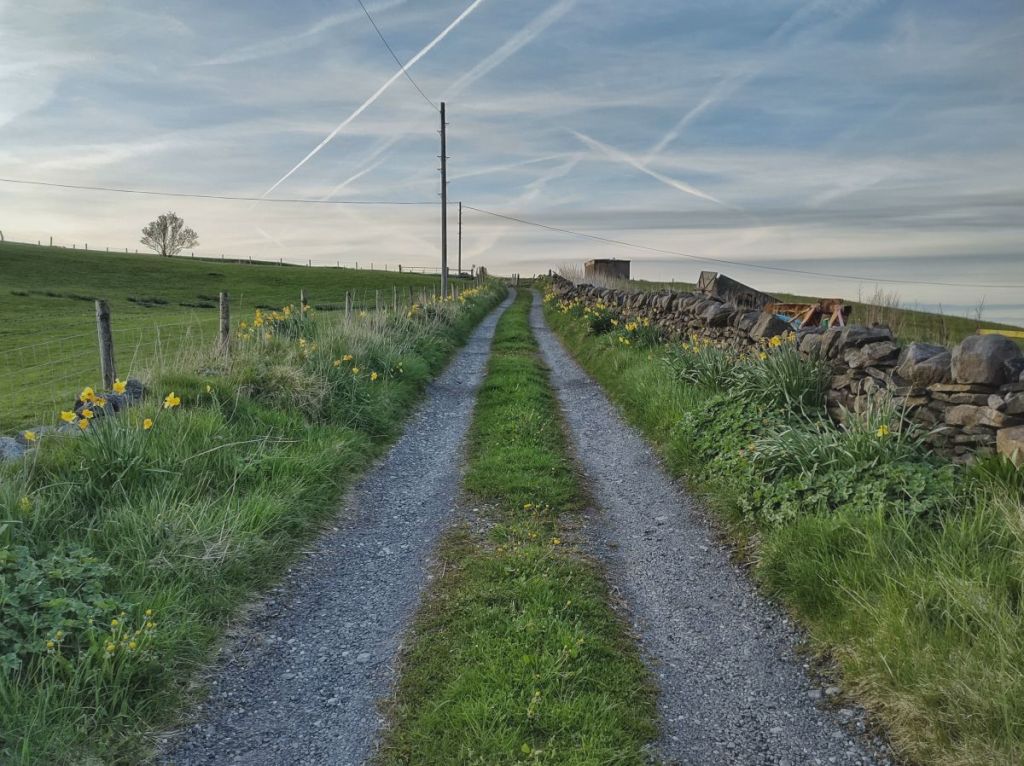
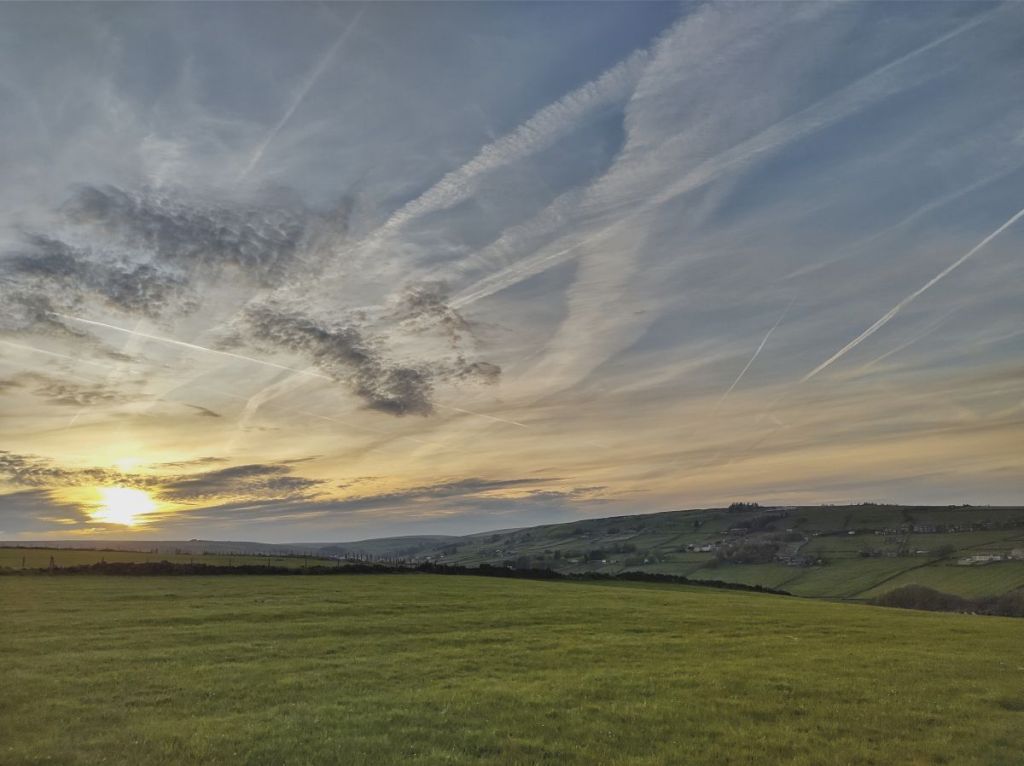
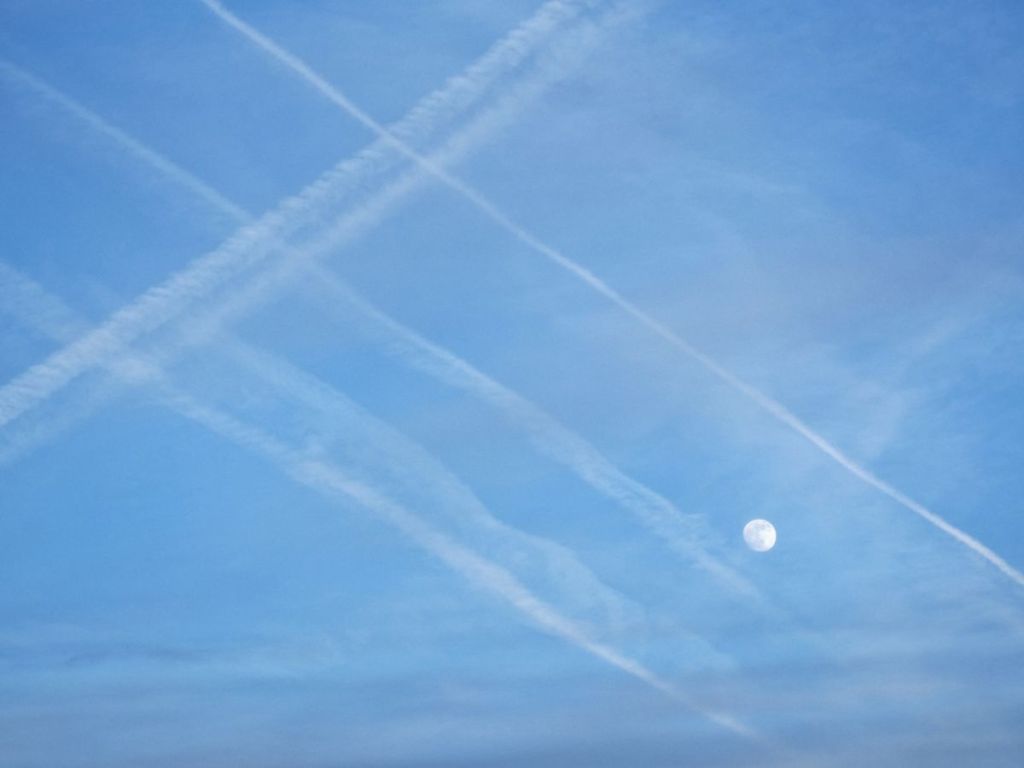
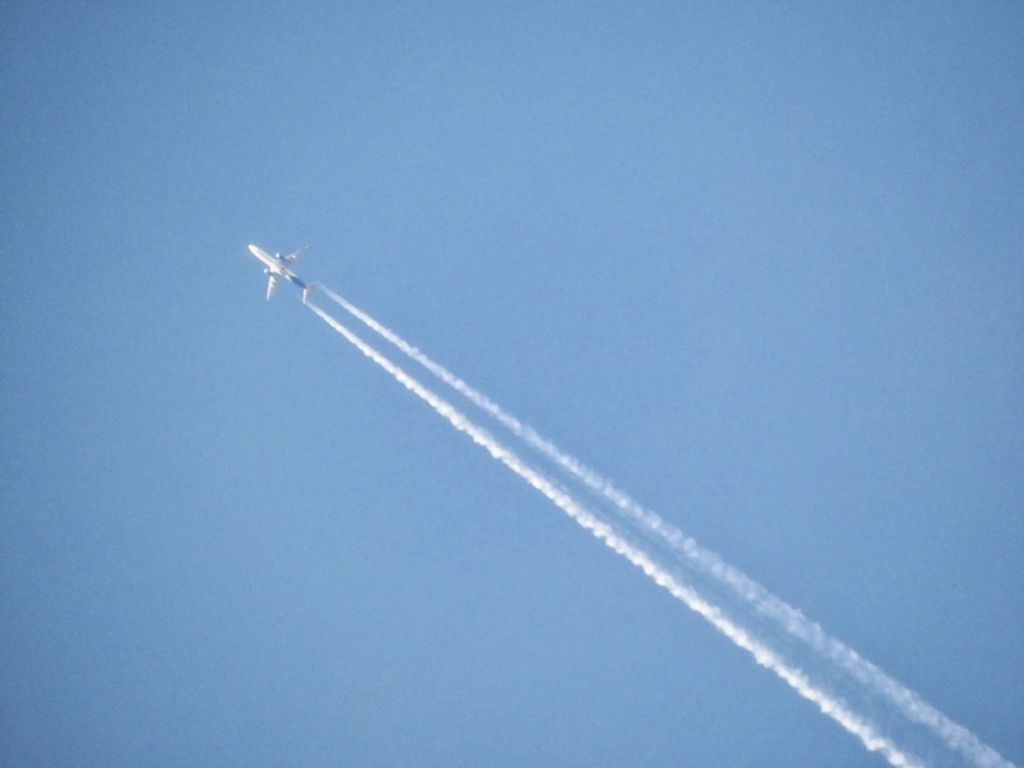
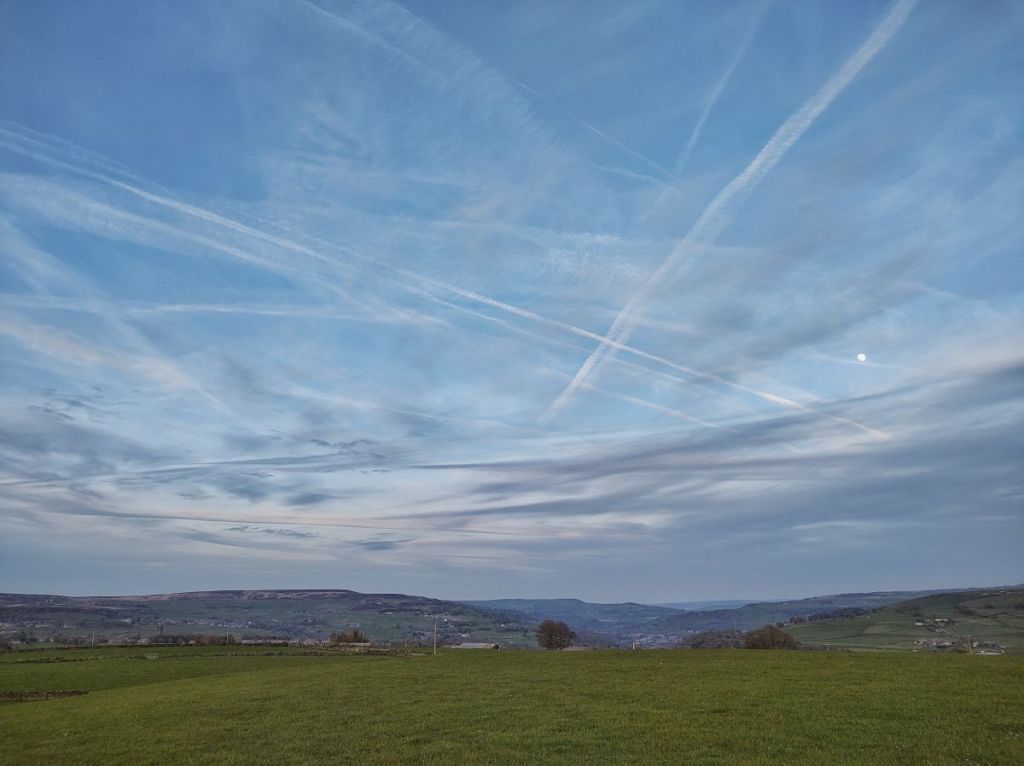
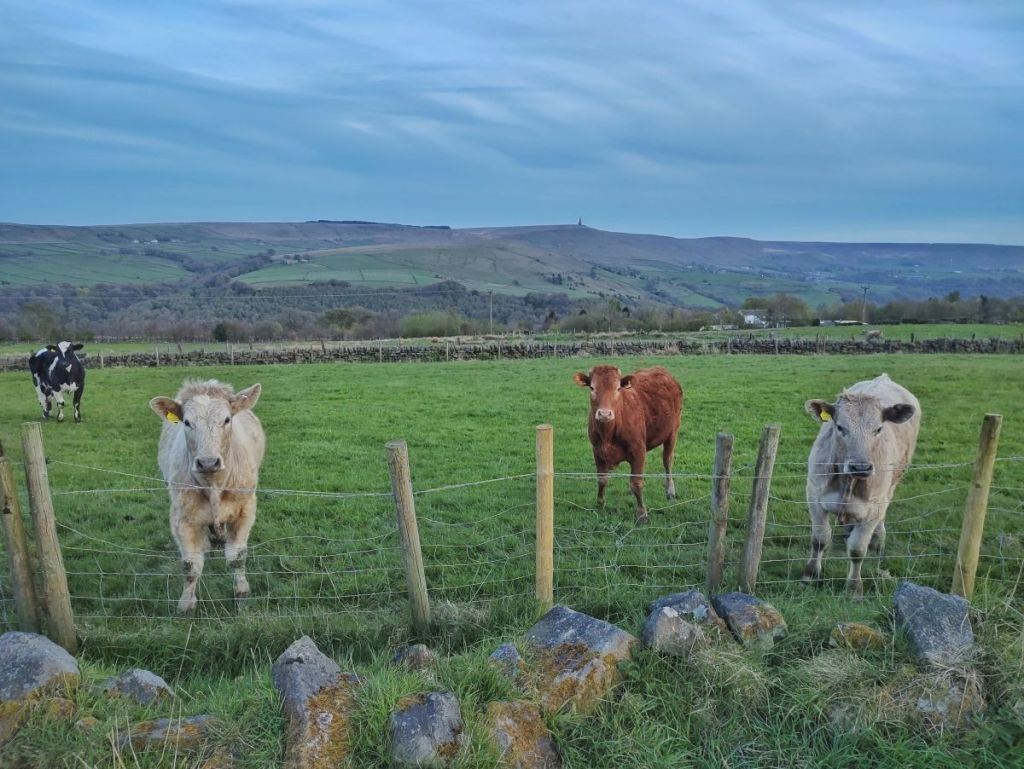
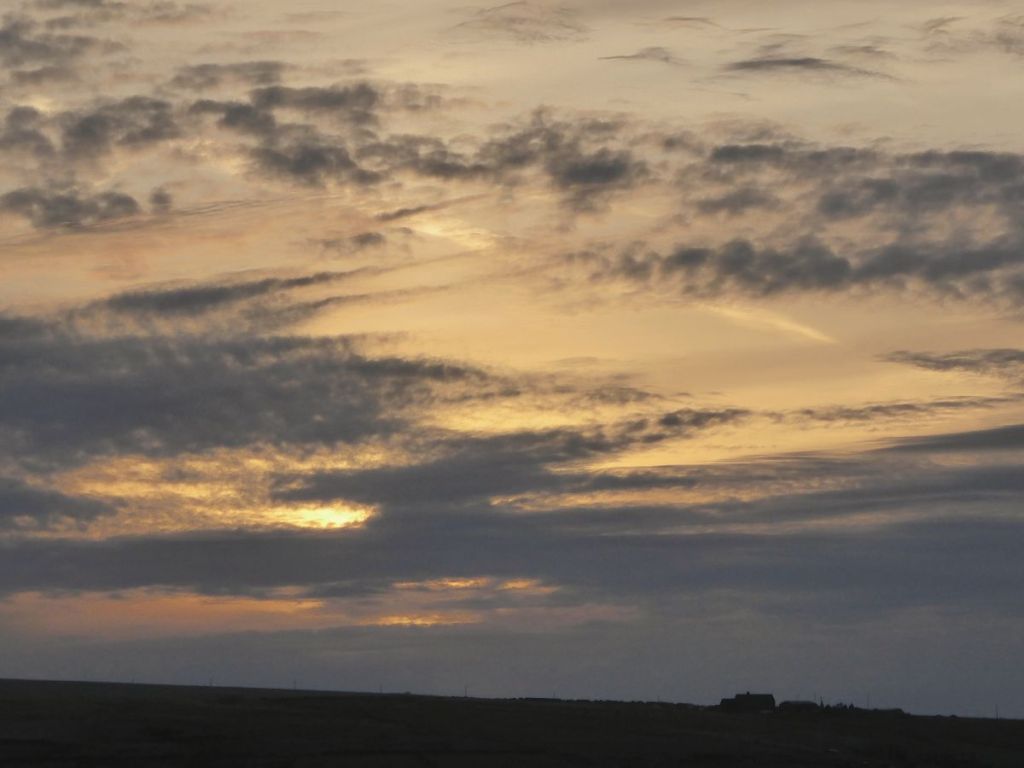
Later that evening, there is a season’s difference between the valley and the tops. Above the bluebells in Knott Wood, not far now from their peak; beyond the emerging meadowsweet on Dark Lane, and the brassica-like ash flowers and the egg-yolk marsh marigolds in the ditch and the intricate new stile that CROWS constructed last week; on the other side of Pry Farm, where David’s curious, flighty herd of bullocks gallop beside a meadow spread with pungent muck, daffodils are still in full bloom on Badger Lane and a raw, numbing wind scours the hill. Curlews swing back and forth across the sunset. Under its glow through a smudging of cloud, Greenland Farm crouches on the shoulder of the moor. Unlike the pristine skies of lockdown, the sky is scratched with contrails, claw marks which miss the Moon by inches.




 Landscape Story
http://blog.hmcreativelady.com/?s=Pry
My connection with Pry farm and meeting with David!
LikeLiked by 1 person
Thanks Heather. How marvellous to have these connections to the local farms (and to have the research skills to discover them!).
I always enjoy my conversations with David.
LikeLike