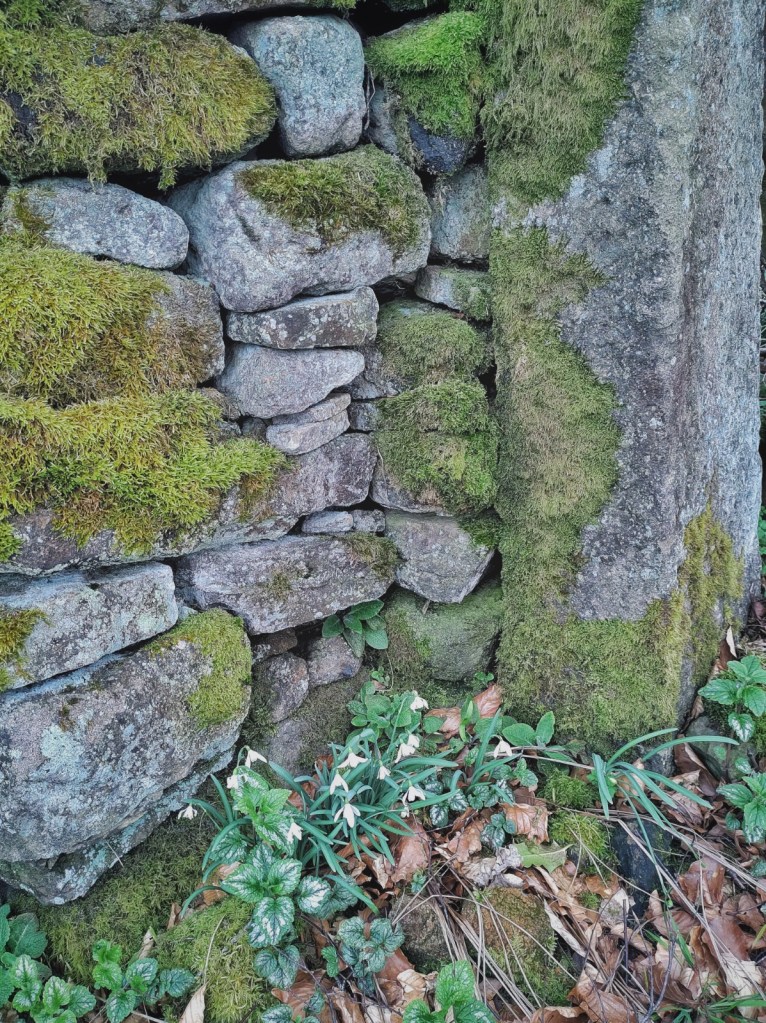
A chiffchaff fires the starting gun on spring with its two-tone call. Uninspired as its song is, there are few clearer signs that the seasons have shifted than the arrival of the first summer migrant from Africa, and all life in the valley is in agreement: a buff-tailed bumblebee drones in and out of the nodding hellebores and the mossed crevices of a dry stone wall; five frogs in the garden pond strike up a chorus of croaks and spawn appears among the spears of flag iris; the yellow beacons of male goat willow flowers are igniting along the canal and river; and jackdaws strut on the village green, plucked strands of last year’s geraniums drooping like luxuriant moustaches as they fly up to continue work on their nests in the chimneys.
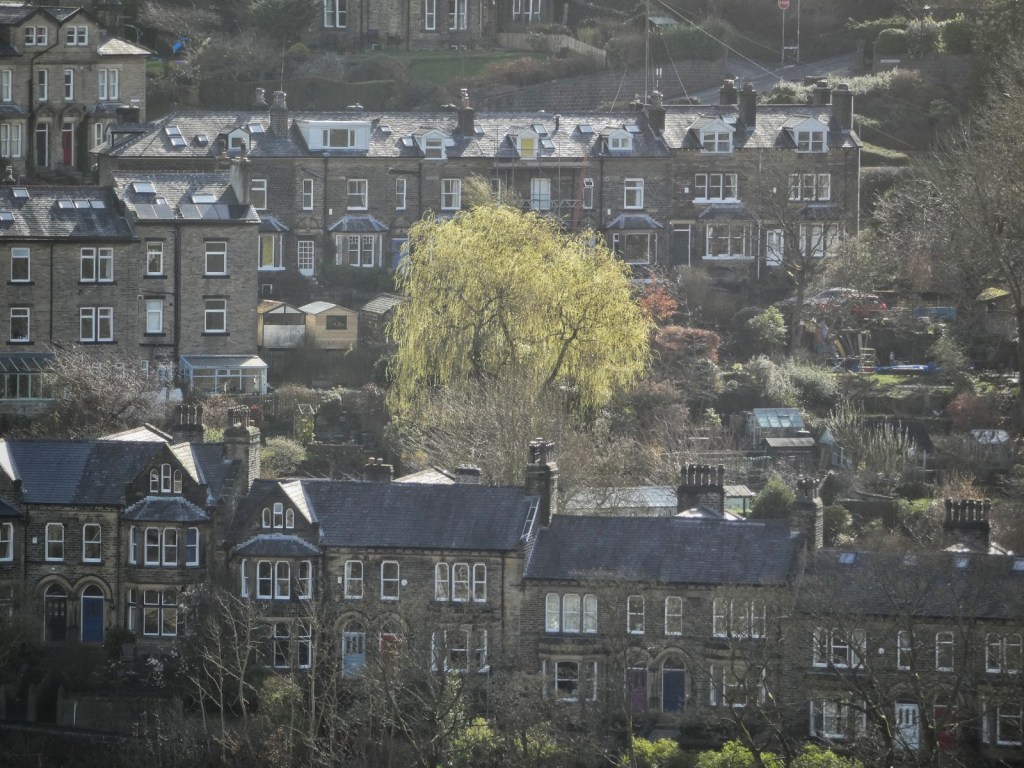
At the top of the ancient cobbled lane of The Buttress, the last descent to Hebden Bridge for packhorses travelling from Burnley to Halifax, Cross Lanes Methodist graveyard is a slumber of tilting tombstones. The magnificent 1840 church that perched here on the hillside, with its classical frontage facing Lee Wood Road while its rear took five storeys of Sunday School and underdwellings to reach the plummeting slope, was demolished in the 1960s after a long decline that began with the loss of 25 members of its congregation in the First World War. Its little cemetery is now the only clue that a congregation once gathered here. A blackbird basks in the bright morning sun atop a sprawling hyacinth in its neglected border, a greenfinch rasps from somewhere in the gardens of Moss Lane below its terrace, and with four weeks to go until the World Dock Pudding Championship in Mytholmroyd, a tongue-in-cheek name for the annual competition to make the finest example of this hyper-local dish, a carpet of bistort (known locally as pudding dock) has appeared among the graves.
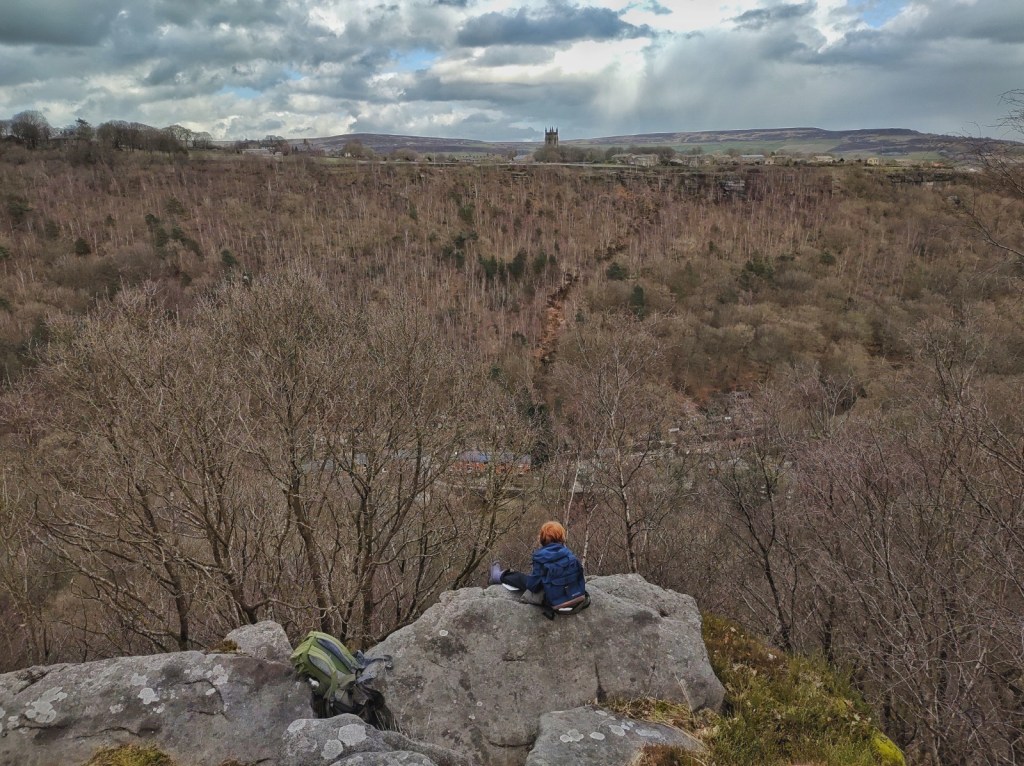
Further up the valley of the Hebden Water, the woodland floors are greening with bluebells and balsam and lesser celandine, and there is the improbable green square and white pavilion of the Hebden Bridge Bowling Club, squeezed between the thundering water and the cliffs it carved. Above the unusual Swiss chalet-type dwellings that occupy the site of Lee Mill, whose workers the bowling club was built for in 1898, the valley opens out into that rarest of things in these parts: a large, flat field – seven acres of spaciousness and sky, benignly looked over by the Smeekin Hill War Memorial.
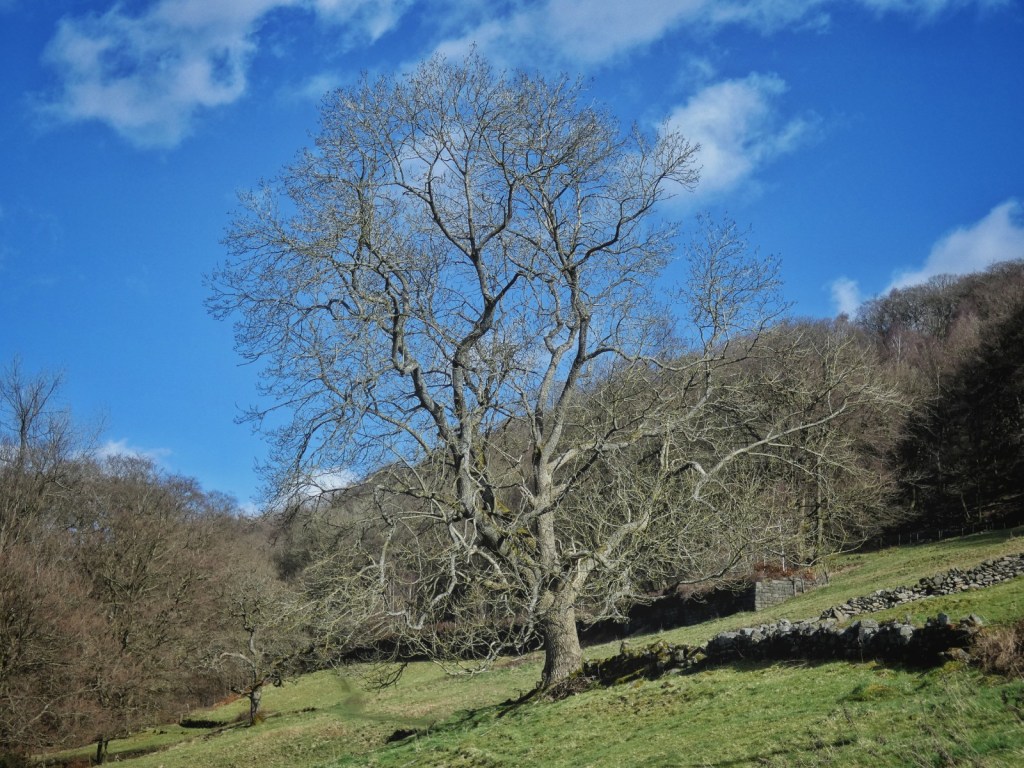
But it soon closes in again at Midgehole, where Crimsworth Dean Beck joins the fray. Unlike every other significant tributary and clough that feeds the Calder, this one long remained untouched by the fury of industrial production that saw every other watercourse harnessed to the cause. It was an employment scheme following the American Civil War-generated cotton panic of the 1860s that finally led to the construction of a string of five mill dams to supply the Midgehole Dyeworks. From a weir the best part of a mile upstream, a goit delivers water to the first of these ponds on the west side of the beck, and an aqueduct bridge carries it across to the east side and four further ponds. In a field above a spreading ash whose leafburst, perhaps nine weeks away yet, will mark the end of the spring that has just begun, the lowest pond abruptly ends, fully 130 feet above the beck whose waters it has diverted. From here, the water is channelled through the fields to the dyeworks, recently demolished for new housing.
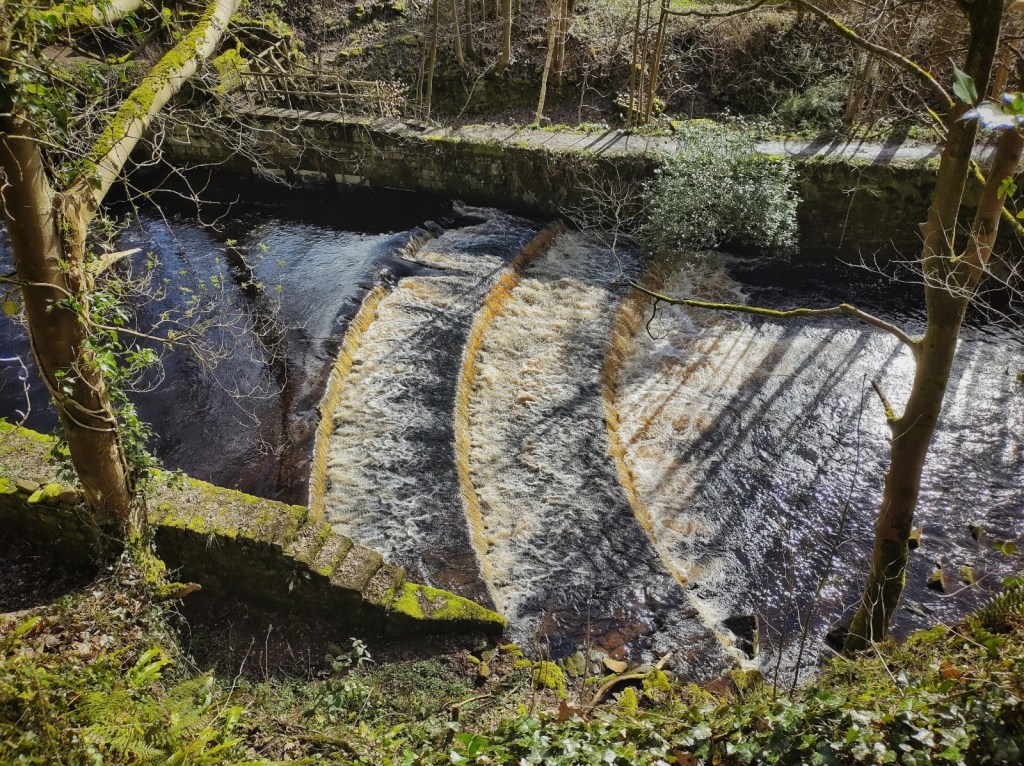
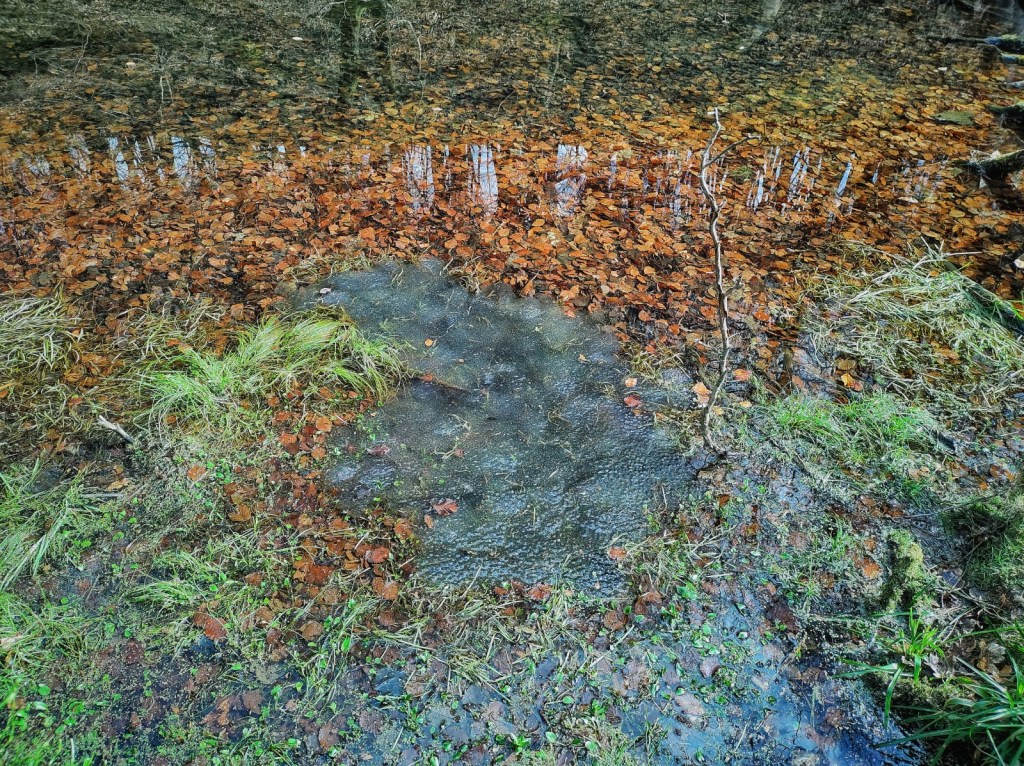
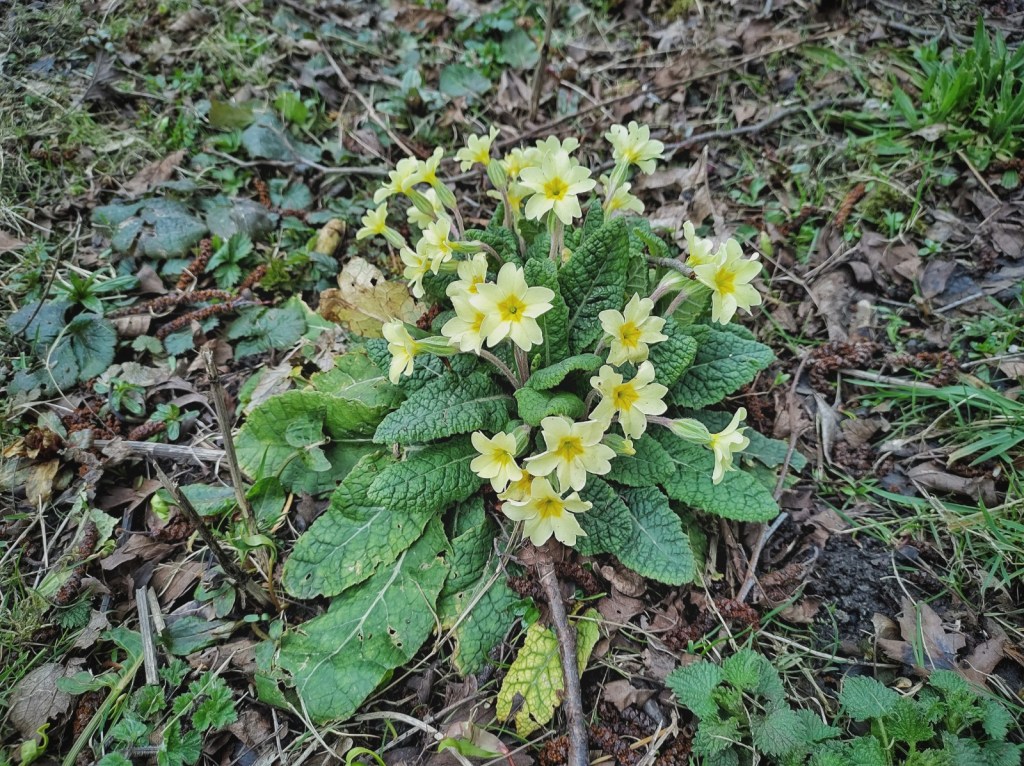
Beech mast is caught behind the spillway at the upper dam. The sun gleams on a gracefully arcing sheet of water falling over a weir below the aqueduct bridge, combed into honeyed strands by the stones at the weir’s lip. Frogs cavort in the ponds, their spawn clumped into two-square-yard patches. A flush of wild garlic tumbles down among the boulders in Purprise Wood. Above its trees, beside the wood’s namesake farm, a kestrel hovers in the piercing light, suddenly more winter than spring in its low glare, but the primroses down on the canal towpath answer any doubts with their own gold.
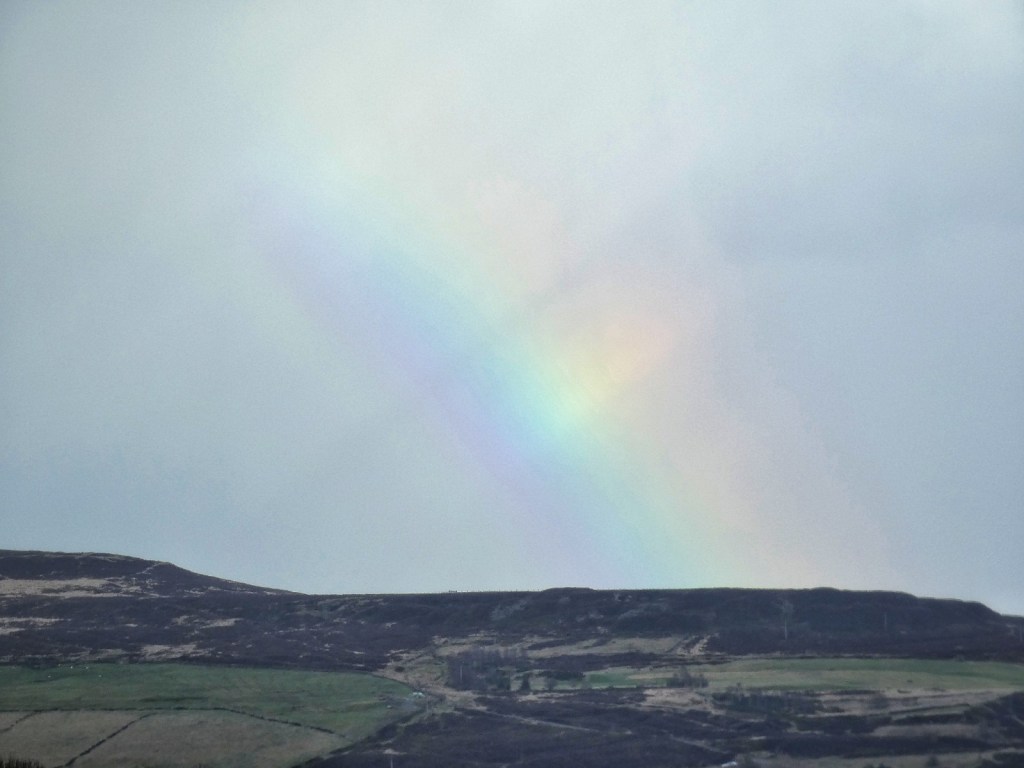
Later, rain showers encircle the valley and the sun spotlights through the roil of clouds in the west and scan across Edge End Moor to illuminate the fields of the farm that shelters on its shoulder, where the last of the hay that was brought out for the sheep during the recent snow is scattered. A pair of buzzards soar through a rainbow over Midgley Moor. The cattle at Horsehold bellow, sensing that it will not be long now until they are back out in their pastures. The first dandelion is out on New Lane’s barn owl-haunted verge, the last of the spent snowdrops hunker into the wall at Lower Rawtsontall, and at the forest school site in Knott Wood, clear glass bottles secured to the end of cut branches are steadily filling with the rising birch sap.











 Landscape Story