Morning frosts melt into mild and fragrant afternoons. More songs are added to the growing ensemble in the school-run woods; great tits sing the praises of teachers, a song thrush methodically works through its repertoire from high in a birch, dunnocks self-consciously rush through what they have to say too quickly for it to be made sense of, a mistle thrush, instead of celebrating the first signs of spring, laments the passing of winter. The crisp new bevelling around the entrance to last year’s successful woodpecker nest hole is as conspicuous as a fresh coat of paint.
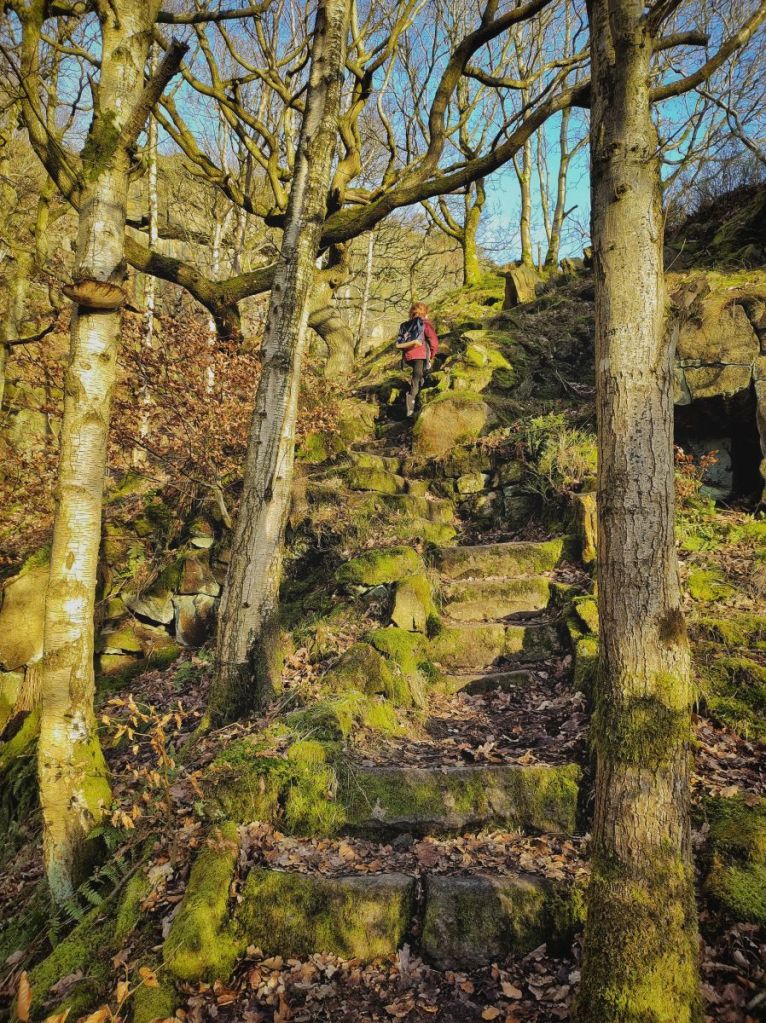
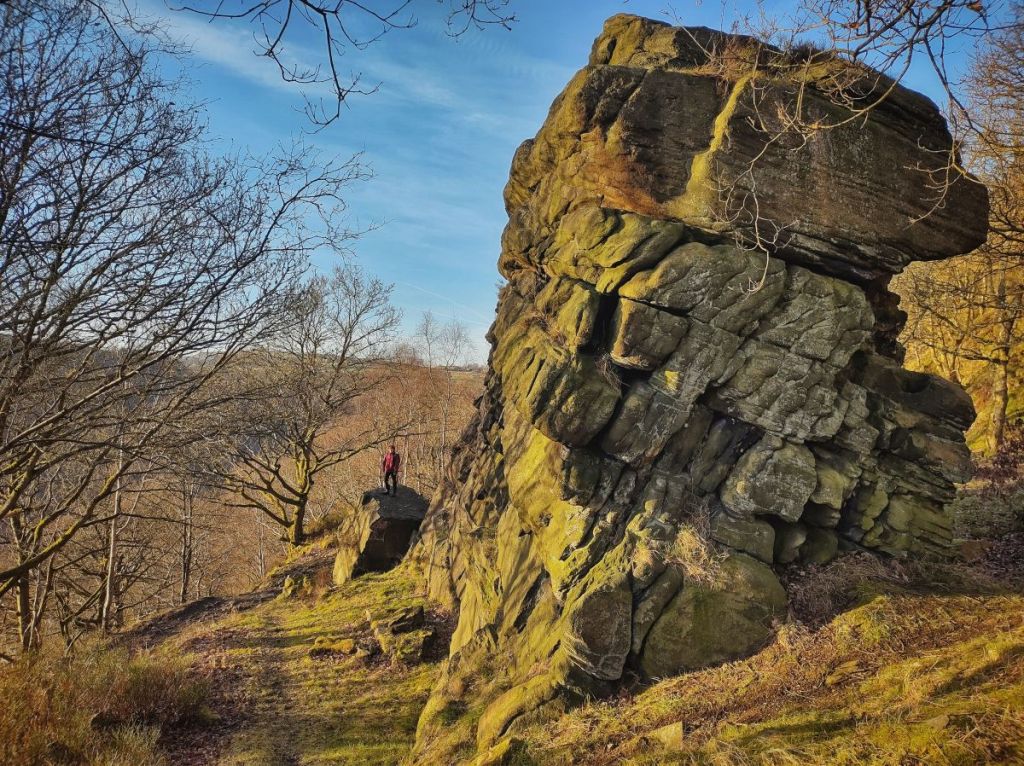
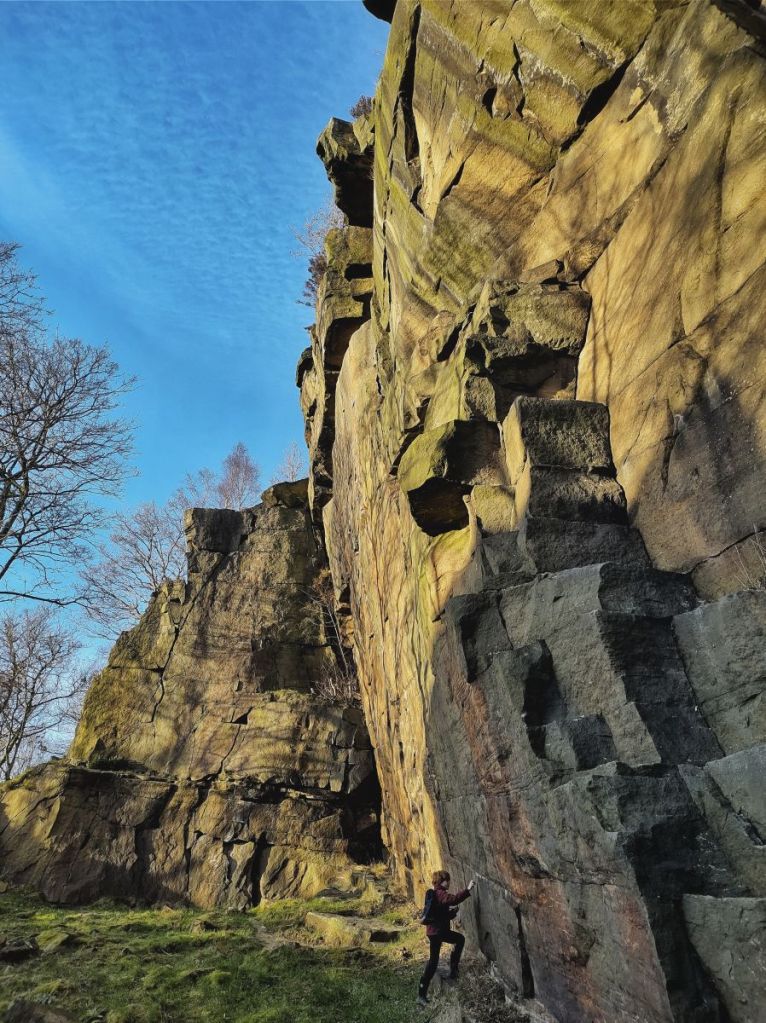
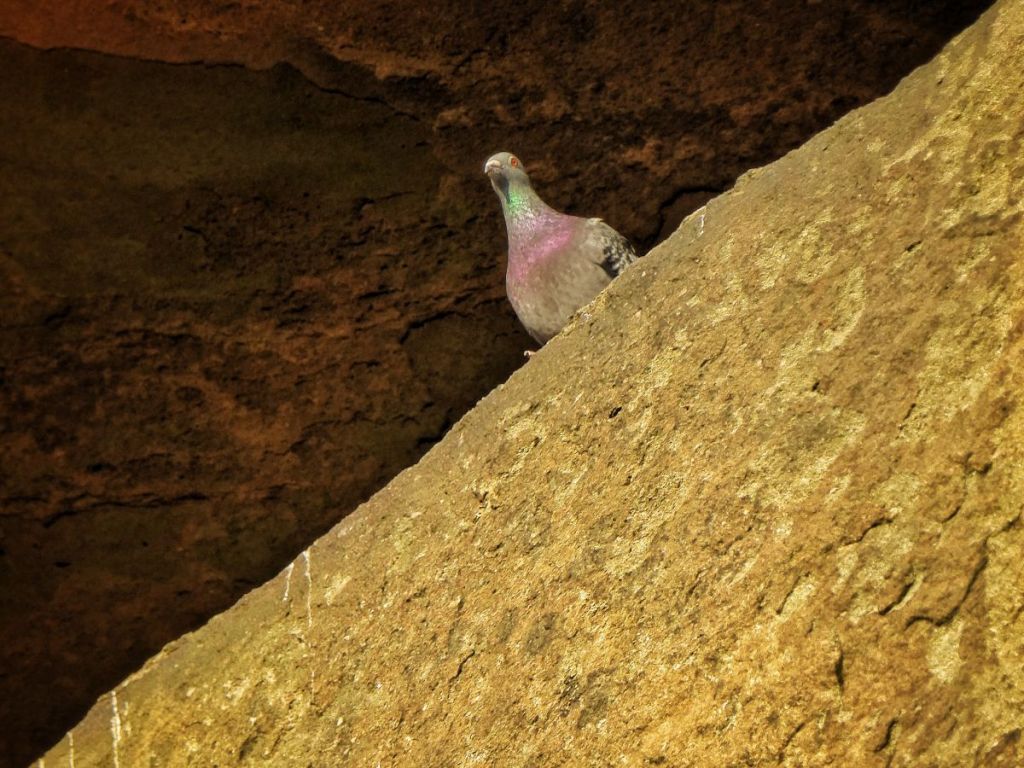
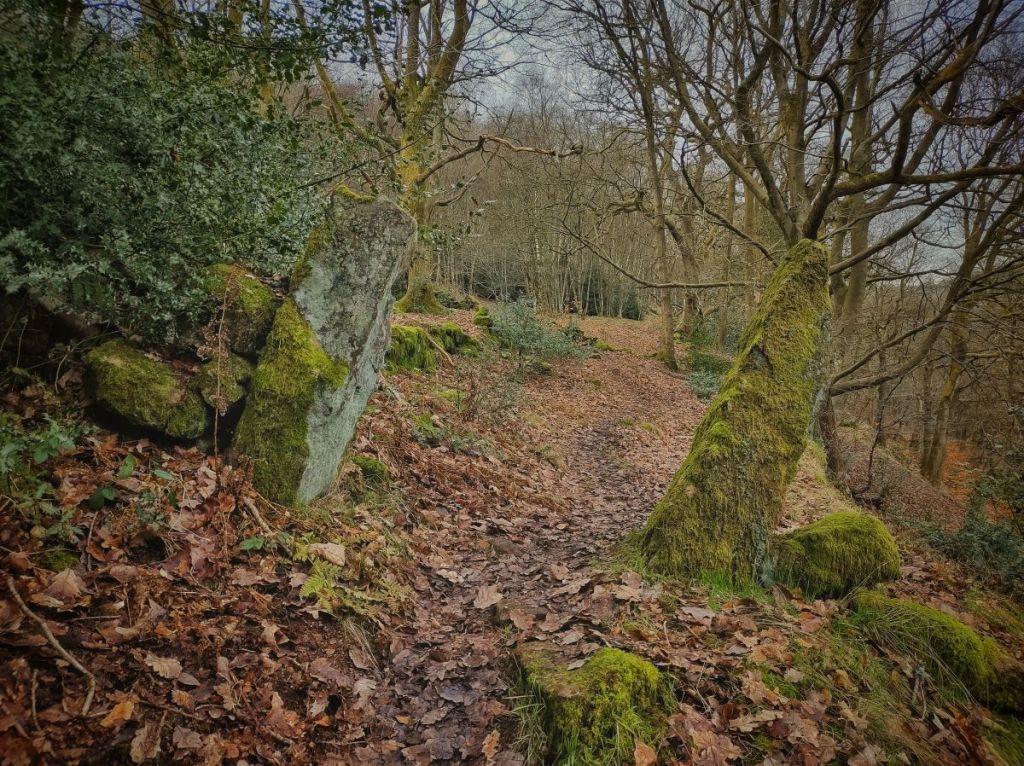
The neighbourhood of Eaves is working through plans to celebrate the centenary of its first houses next year, and debating ways of bringing its old mill ponds back into use. But while its string of houses, perched on the remains of the mill terraces and the site of old farm cottages, has just lost the gilded afternoon light, its namesake wood on the slope above is still awash with it. Its Victorian steps and stone-edged paths weave between the glowing beech, and the rocks of Hell Hole quarry are a radiant green-tinged gold. An insistent, deep-throated, rhythmic chant comes from its ledges, where duelling male pigeons strut and ruffle up their neck feathers at each other. A party of jackdaws crash the scene, silencing the pigeons, who smooth their feathers so the light can dazzle off their amethyst and jade iridescence.
The gargoyles and crockets on the tower and four corner pinnacles of St Thomas the Apostle Church are adorned with whistling starlings, with iridescence of their own to flash. But Town Field Lane on the other side of the village has already lost the sun, and the wind loses no time in shedding its promise of spring. Two collies, Loki and Moss, greet each other warily as their owners press on to avoid the chill. The Brontë Bus burrows its way up through Spring Wood on its hourly crossing of Cock Hill to Haworth and Keighley. The stacked terraces of Birchcliffe sink into shadow, while the woods that have colonised the old fields of grand High Hirst and have consumed the cemetery of the long-gone baptist chapel still flame for now.
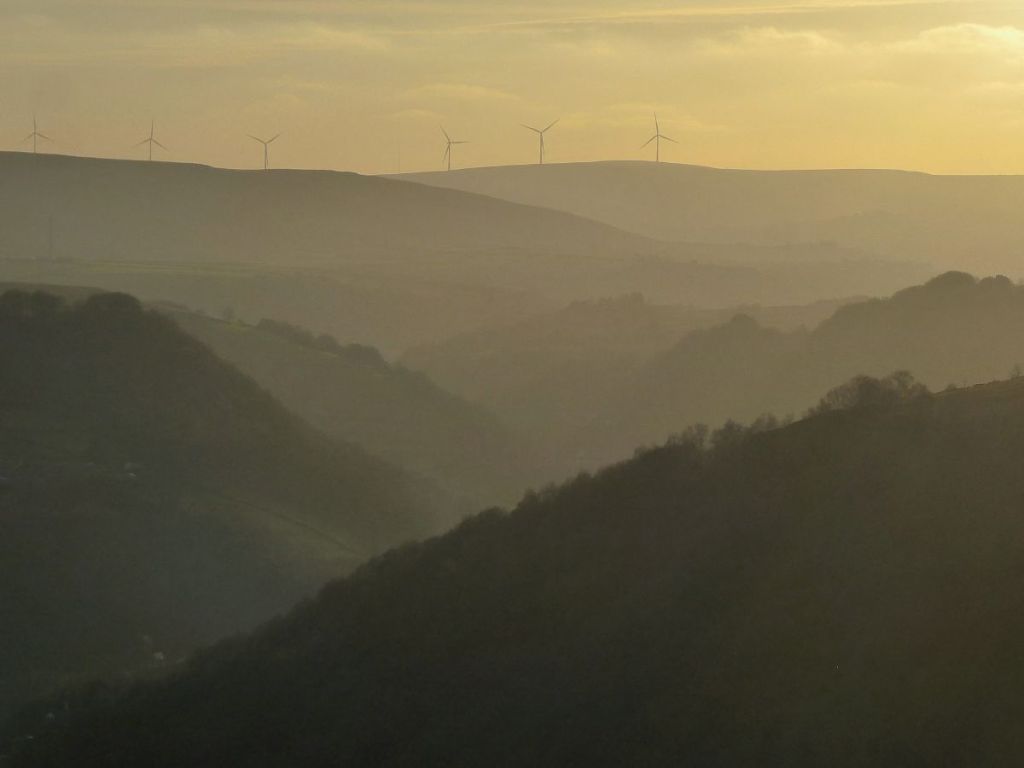
Back in the final rays of light on the west side of the village, a dog walker winds among willows on the edge of the crags, one man sits on a bench with a pair of binoculars, and another leans over the fence above Hell Hole, as he does most evenings, watching the sun sink over the headwaters of the valley where he grew up on an old farm on the shoulder of the moor. Broom is scattered on the Whins, a patch of heath recovering from a fire a few years ago. It is from here that the title card of the BBC’s Happy Valley opening credits is filmed, looking down at King Street and then panning up to the title floating in a blue sky above a skyline of roiling clouds. This evening, the few clouds are calm and crimson, though not as spectacularly so as the evening before, hours before the series’ finale. It is a show whose use of the local landscape has always been brilliant. Generally, it is to add to its grittiness, but this time it allowed the vile Tommy Lee Royce a transcendent moment, basking in the freedom of the open moors – and appropriately enough, given his escape from custody, he was overlooking the fields of the vanished farming and quarrying community of Fly, high above Luddenden.
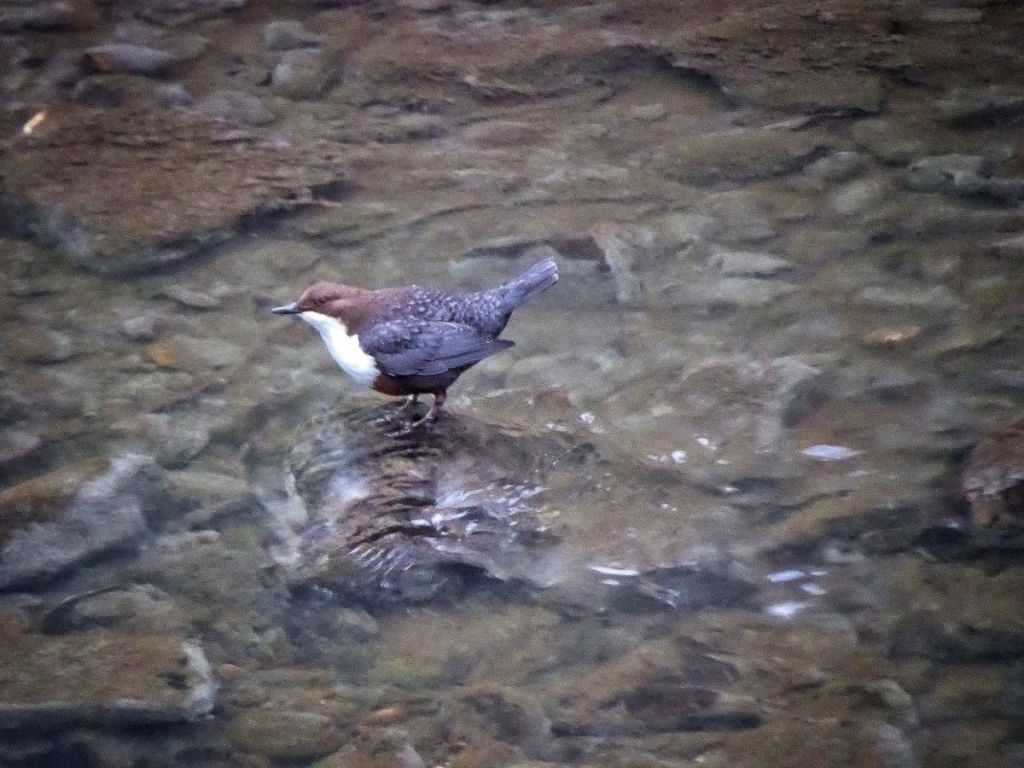
Down on the River Calder, a threesome of goosanders, two females and a male, plummet over the weir and ride the rapids under Crow Nest Bridge. Upstream, at Stubbing Holme, a female dipper stands in shallow water and flutters her wings at the bobbing male perched on a rock, an act of pair bonding at the start of mating season. In an adjoining territory upstream, a grey wagtail and a dipper convivially feed together, until a sparrowhawk causes havoc among a flock of black-headed gulls overhead and both dart downstream away from the commotion. High above the valley side woodlands, on Winters Lane, the residents are beginning to think about the return of the curlews to the pastures behind them. Curlew Action ‘dogs on leads’ signs are up and ears are pricked, though no one wants them to arrive too early only to be hit by cold weather, as happened last year. In the calm last light of a milder evening, a bat silently circles above a clearing on the edge of Knott Wood.






 Landscape Story