The snow vanishes not a great deal less abruptly than it arrived. The emerging grass on the green has a sickly, light-starved pallor, and the line of the sledge run is matted and threadbare. Two molehills appear just beside its fastest stretch. What did those poor creatures make of the rumble and roar going on above their heads morning and evening, repeated at least 1000 times across the week?
The extra few degrees, the blue-tinged haze that hangs in the motionless air and the tender whistling of bullfinches gives the afternoon a reposed calm. But the next morning, the haze has turned decisively into murk, the air saturated, the patter of drips filling the woodland. And theirs is not the only staccato sound among the trees: a woodpecker outdoes them with its drumming. The sparrowhawk has left a splash of sodden feathers on the path. Blackbirds cluck and dart among the hollies.
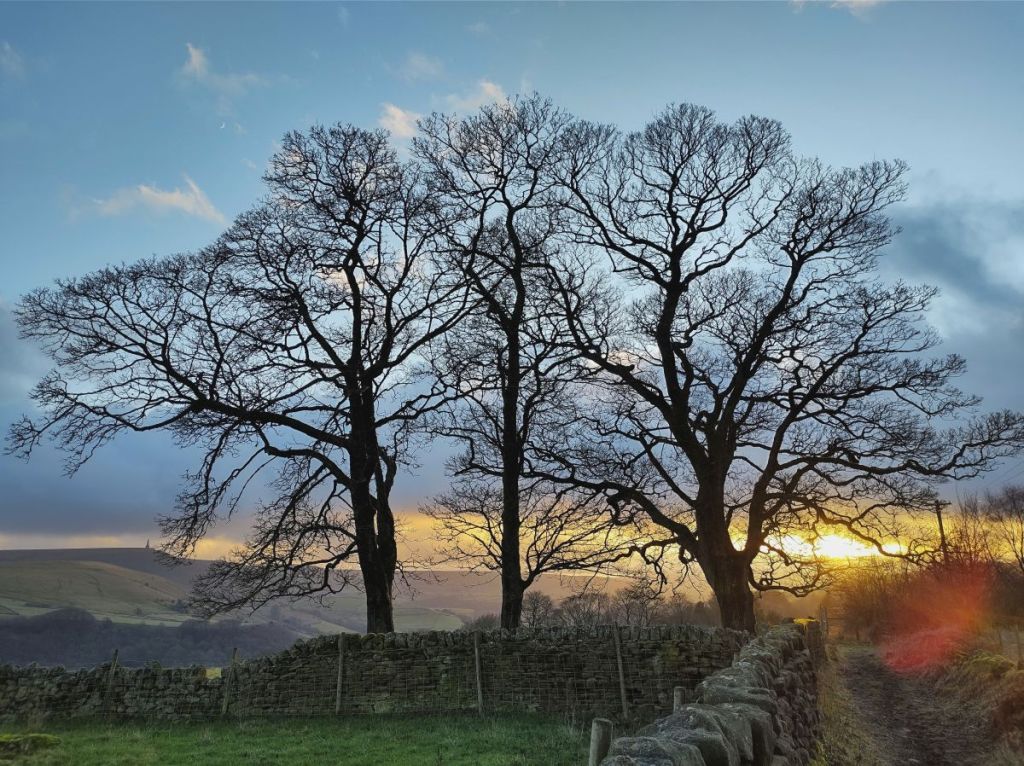
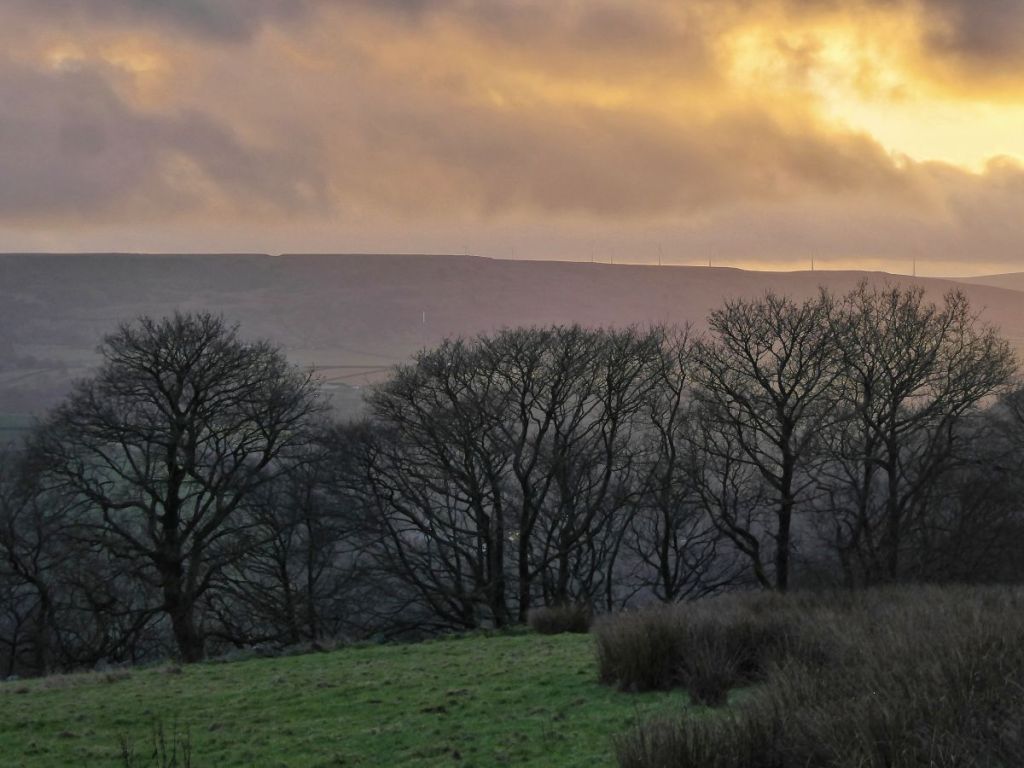
In the late afternoon, a buzzard circles in the cleared skies above the gritstone escarpments of Ragley Wood. Sunlight washes across the slender pale birches of Eaves Wood on the opposite side of the valley. The 596 bus putters through Heptonstall and over Cross Hill. Edge End’s meadows are receiving a dressing of muck, and above them, hunkered down in one of the mysterious ditches that scar the flanks of Edge End Moor, a sliver of snow lingers, the last in the landscape. It was here that the final snows furtively avoided the thaw through to mid-March 2010, three months after they arrived.
The neighbourhood children are out on the green for the RSPB’s Big Garden Birdwatch at the weekend, tiny binoculars clutched in small cold hands. The hour starts slowly, with a lone blue tit high in a goat willow, a pair of chuckling jackdaws investigating a chimney pot and a flock of 30 slender-winged black-headed gulls rowing against the bitter wind’s tide. There is excitement when a wood pigeon rockets across the valley to rest in a beech beside a crag, and the keen-eyed watchers spot 20 more plump grey winter fruits hanging there.
The vigil moves down the hill a little, to where a collection of feeders is kept well stocked and a little cover is afforded by a tangle of benignly neglected rambling roses. These little acts of generosity make all the difference. More blue tits flit among the thorns, the glint of robin song and the rapid report of a wren alarm are heard, a great tit strikes up a three-note variation of its usual two-note call, and a purring party of long-tailed tits besiege the fat balls.
The hour is rounded out back up the hill, where a dunnock’s piercing contact call issues from the wild raspberry jungle. But then there is a flurry of first ever sightings for the budding birders, when a trio of bullfinch cross between a neighbour’s feeder and another hip-hung dog rose, and then a pair of treecreepers are spied, corkscrewing around and up the moss-green branches of an oak. Amongst these excitements, the coal tit skulking among the hydrangea under the feeder is almost missed. It is a good tally for this little group, its members among 700,000 other participants.
Among the many values of this massive exercise in citizen science is that of introducing people to the rewards of attentiveness to nature. In just an hour of committed watchfulness, hitherto unheeded species have been witnessed, and now they have been seen once, they are much more likely to be noticed again. These species might not be unusual or rare – just in the last few days local birders are reporting sightings of ravens and hen harriers, peregrines and grey partridge, whooper swans and bramblings and repoll – but making the noticing of everyday nature a background to as many of our lives as possible is essential to the cause of stemming and reversing its catastrophic loss.



 Landscape Story