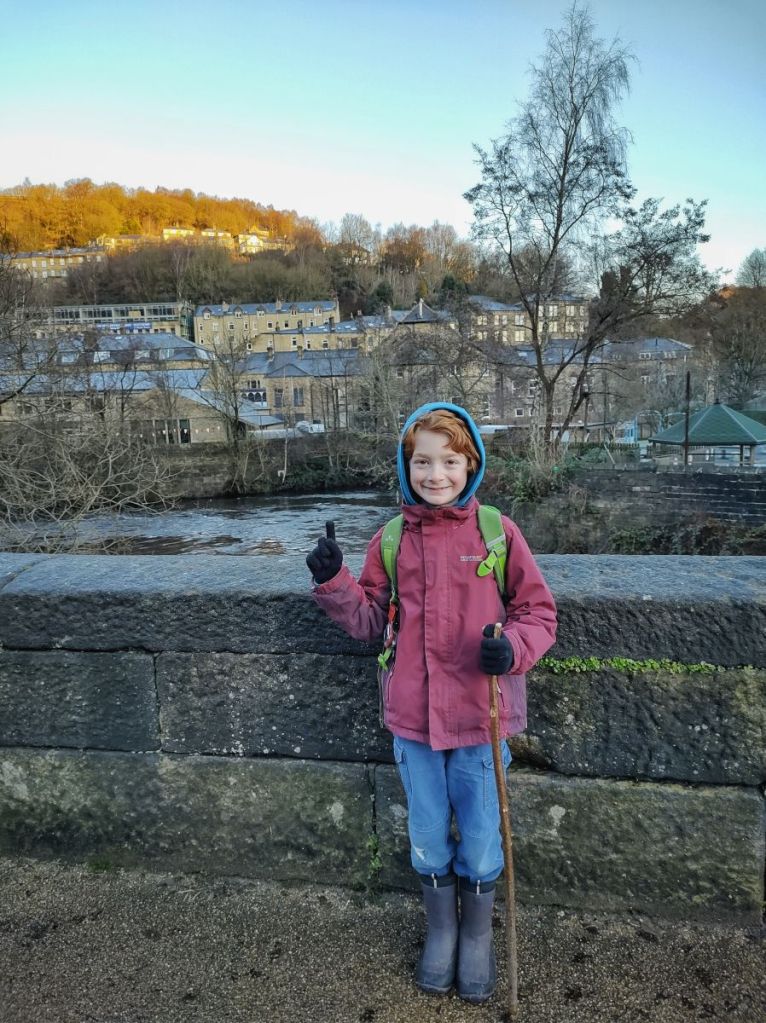
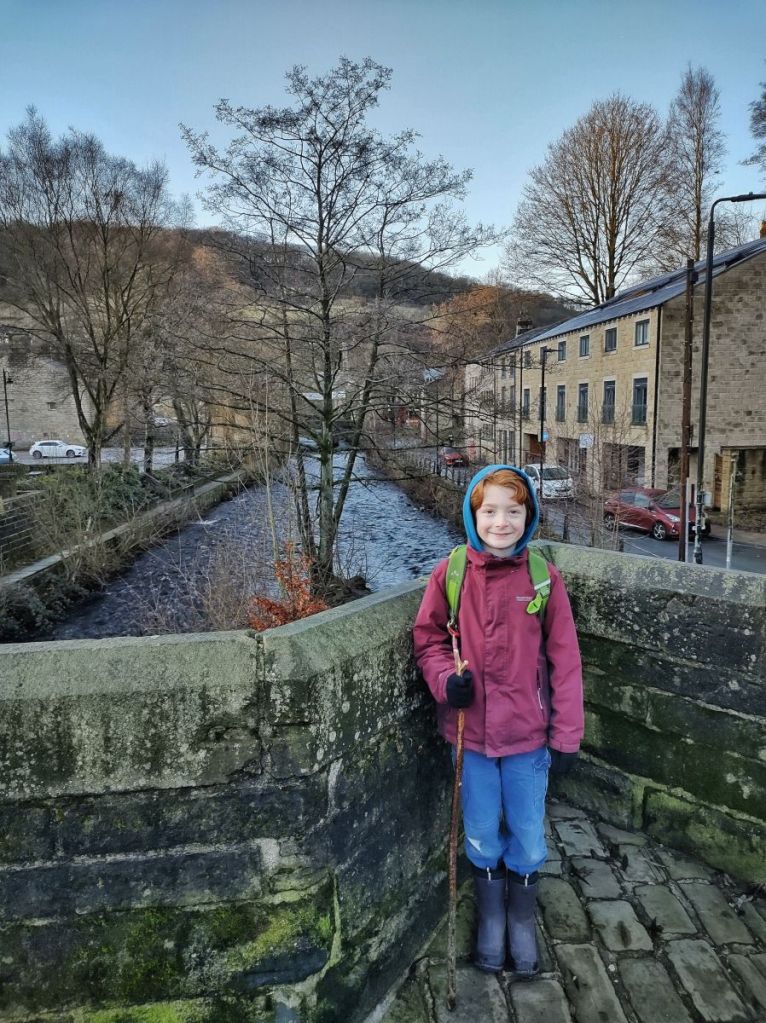
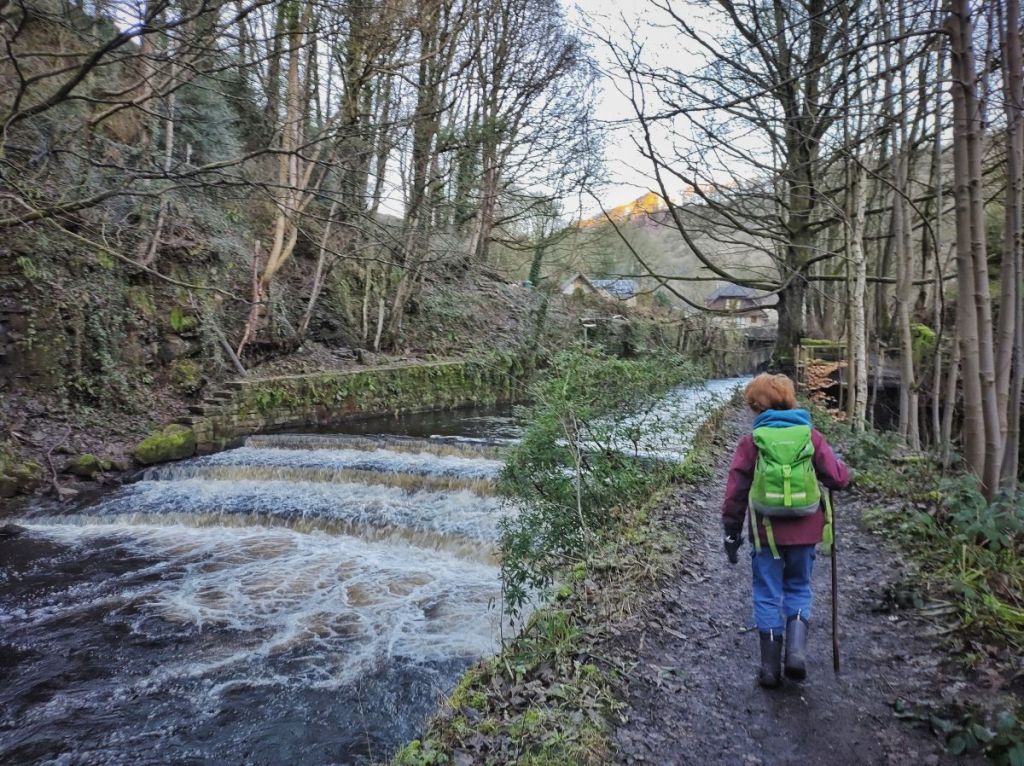
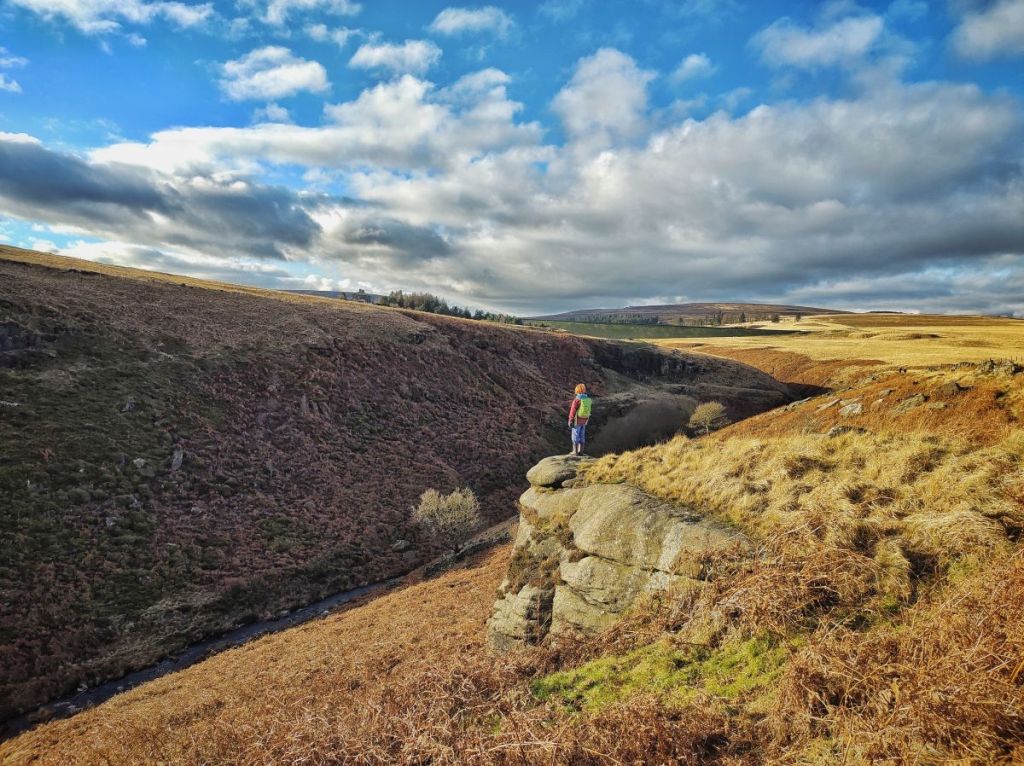
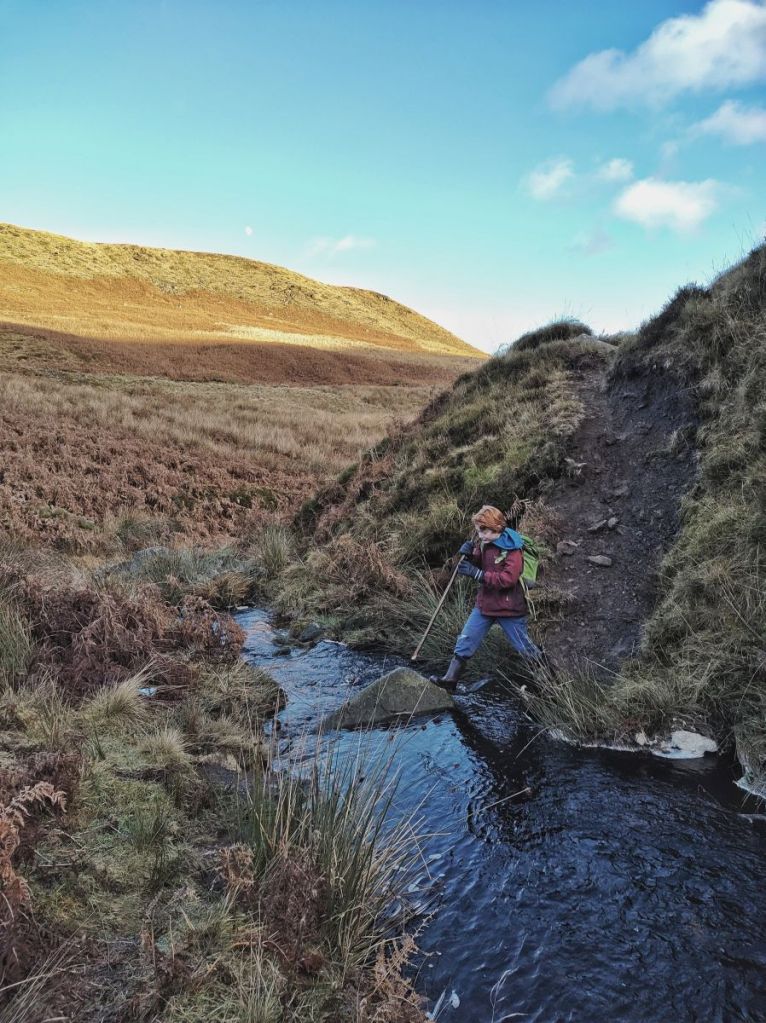
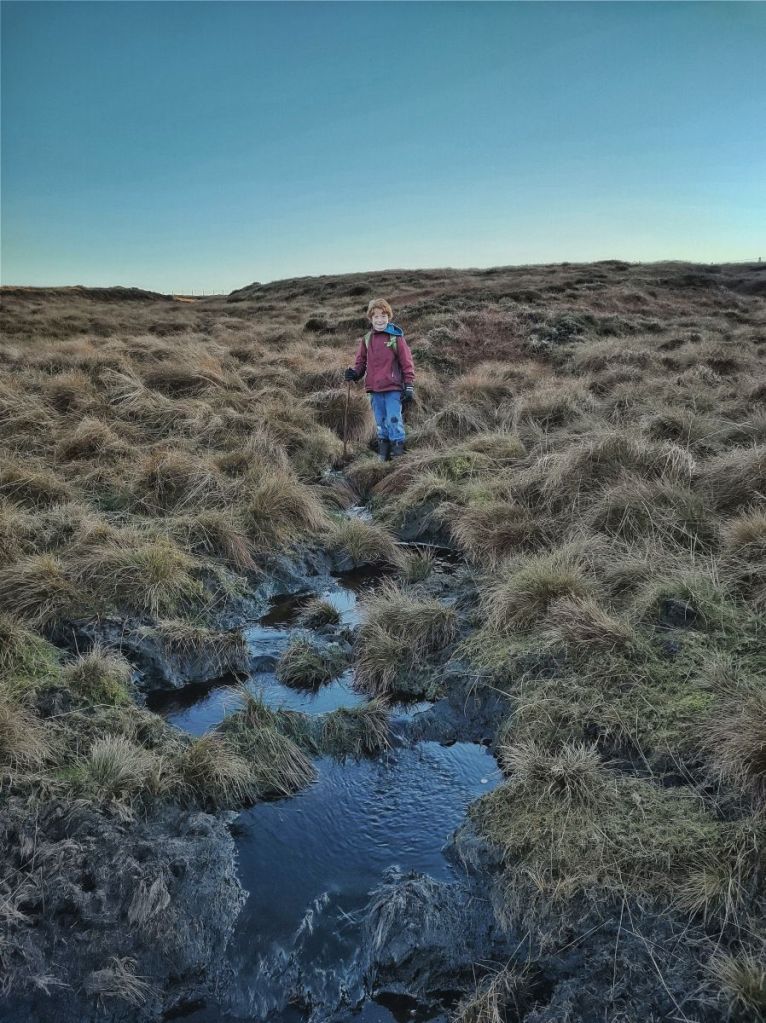
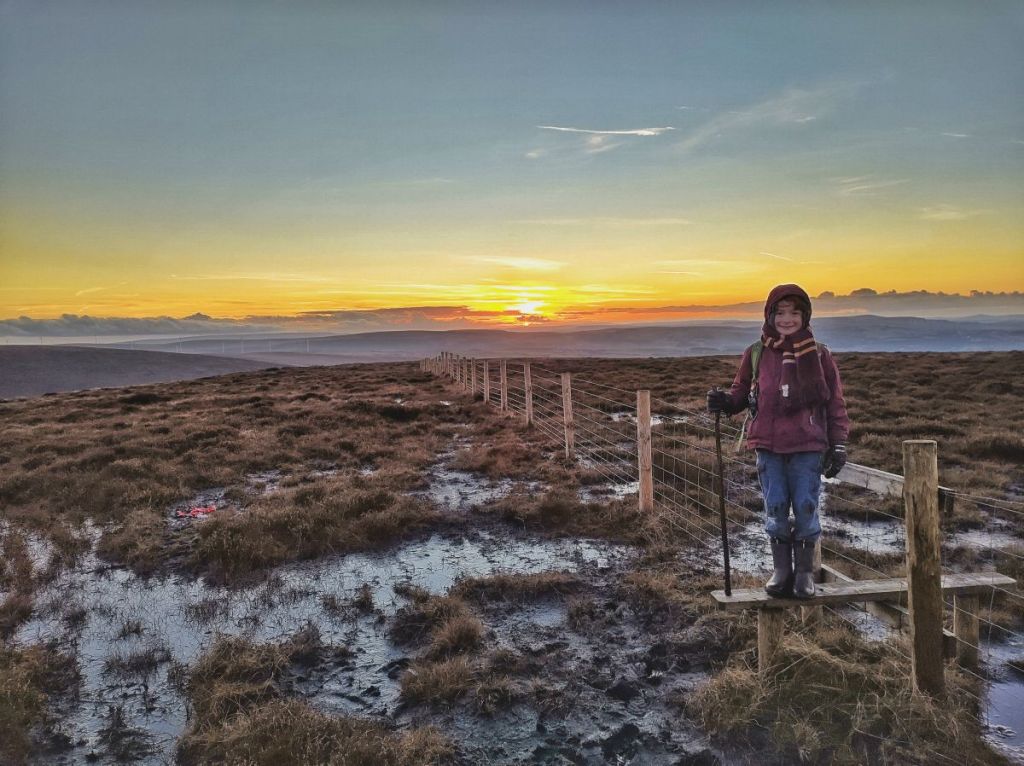
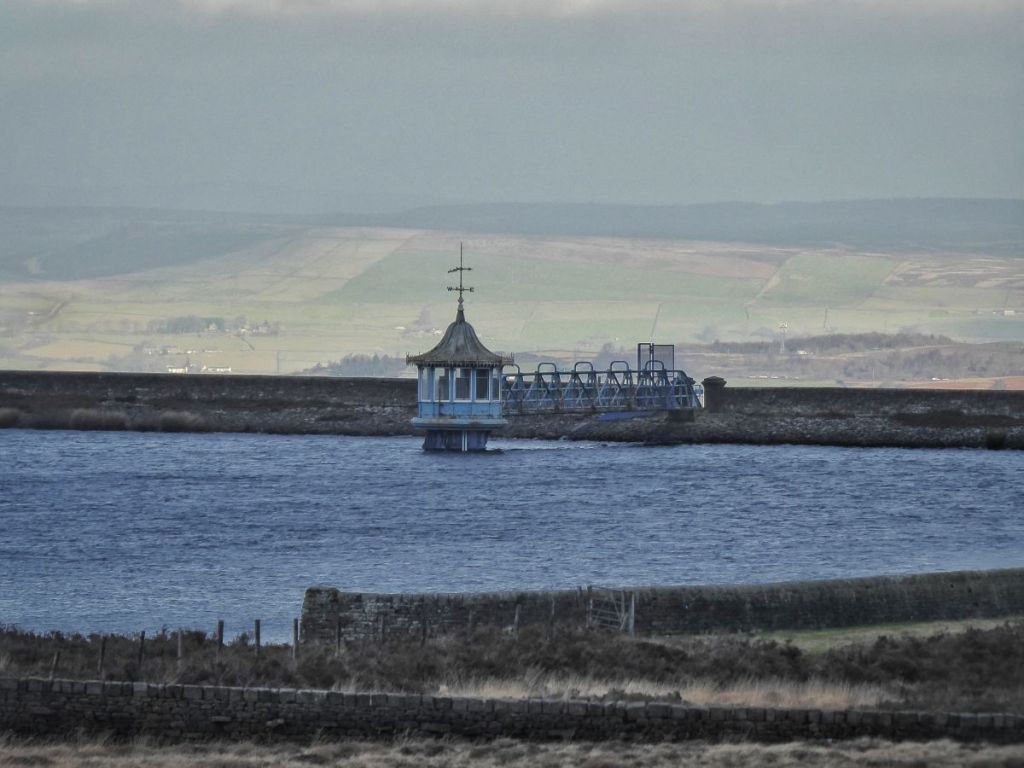
The Hebden Water whirls into the River Calder at the Black Pit, having dropped 1400 feet from the moor after an eight-mile journey through reservoir, ravine, wood and town. At the second dawn of the year, bright and clear after endless rain, a song thrush strikes up its first verses since last summer, and the latest in a seven-century lineage of herons fishes at Bridge Mill’s weir. Even as the rising sun ignites the tower of St Thomas the Apostle Church at Heptonstall, the war memorial on Smeekin Hill and the Scots pine spear tips deep in Hardcastle Crags, in the stubborn shadows of the valley the temperature continues to fall; frosts spread on into the morning and mists rise from the water, raging over its boulders and weirs. Steaming hot drinks are served to walkers at Gibson Mill, and a dipper prospects at the edge of its glassy pond. Above the woods and out in the sun at the site of the long-demolished Blake Dean Baptist Chapel, the gravestone of the Rawsthorn family of North Reaps, a farm on the opposite hillside whose footprint can now barely be found, is inscribed with too many infants to bear, each letter of loss picked out in the lustrous green of living moss. Further upstream, the Widdop Water, as the upper stretch was known, once flowed between the fields of eight farms, but was dammed to slake Halifax’s thirst by John F. Bateman in 1871, just as the Rawsthorns were burying their children. Happier families hurry across the dam wall, chasing the last of the sun to the north shore. In Birkin Clough, high on Gorple Hill, the source is a peaty hollow haunted by a stooping and soaring barn owl. From the sucking bog at the summit, the sun sinks into the West Pennine Moors, Whernside is a mist-wreathed dream, and the moon hangs over the already-benighted valley of the Hebden Water.
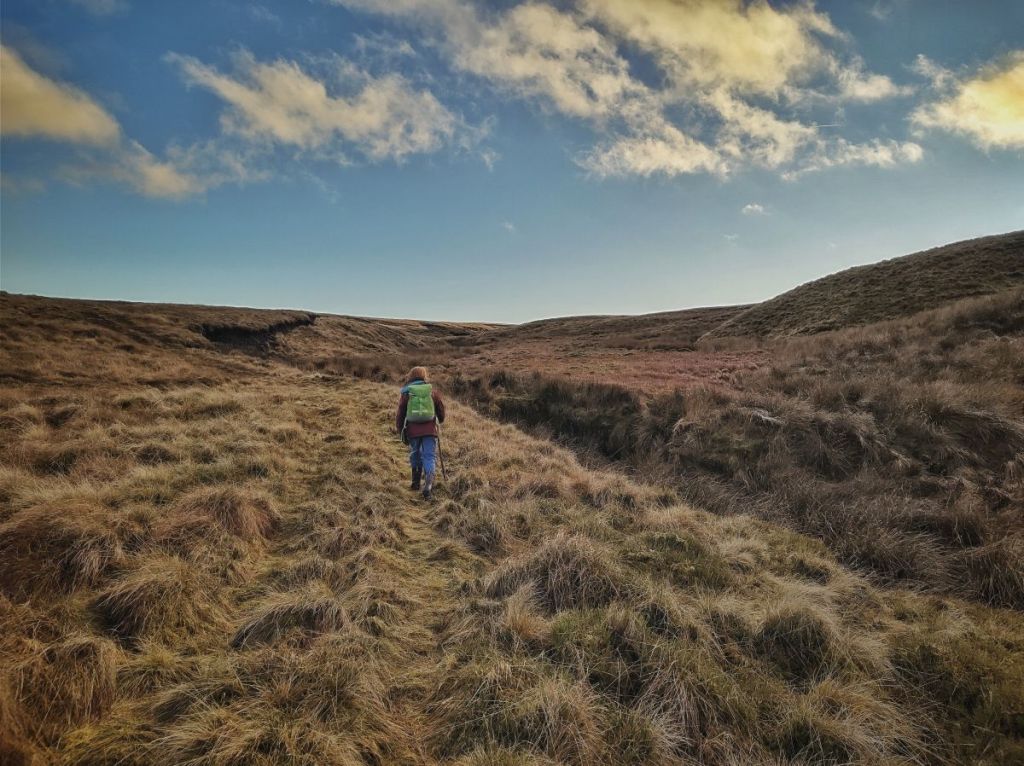
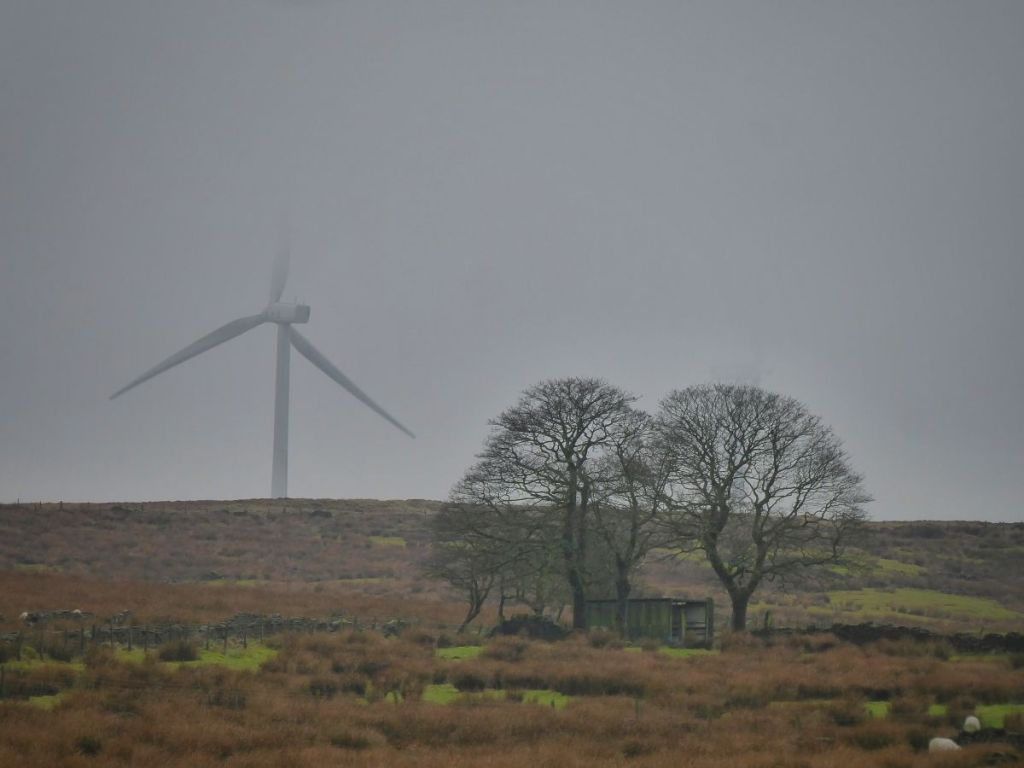
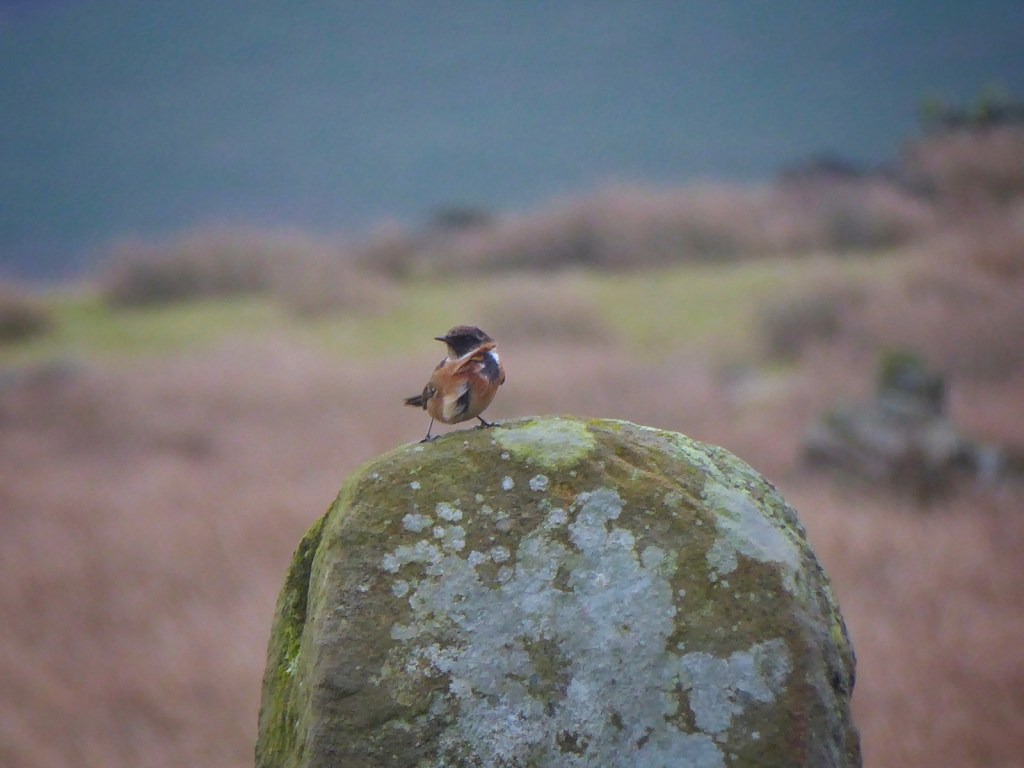
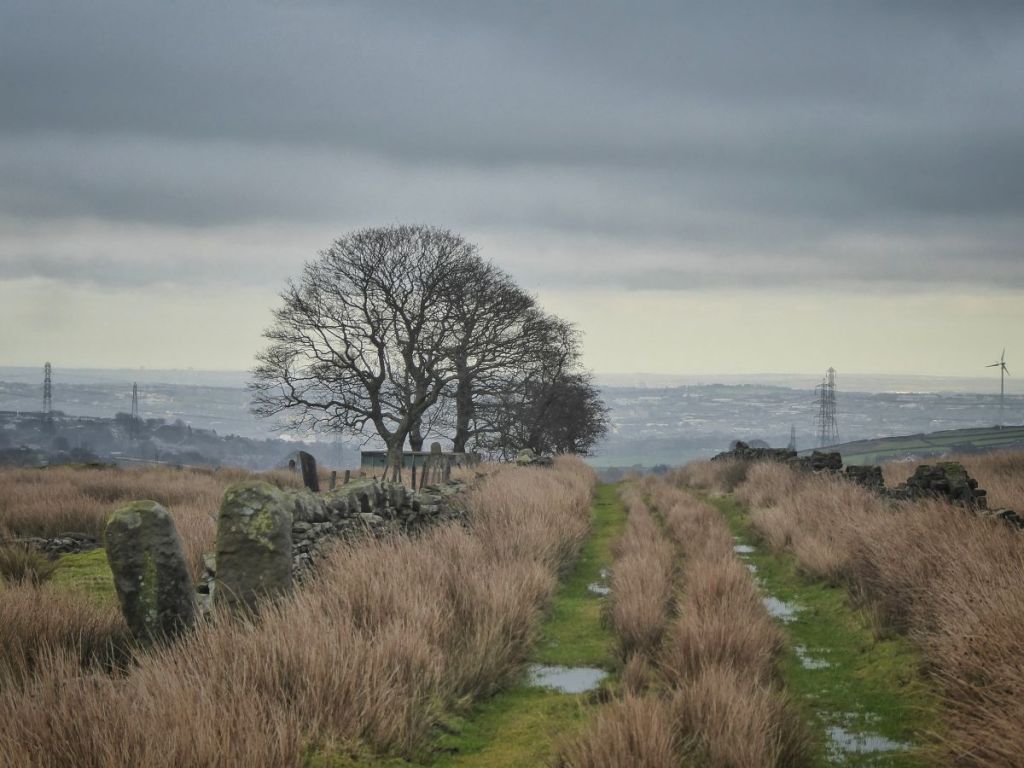
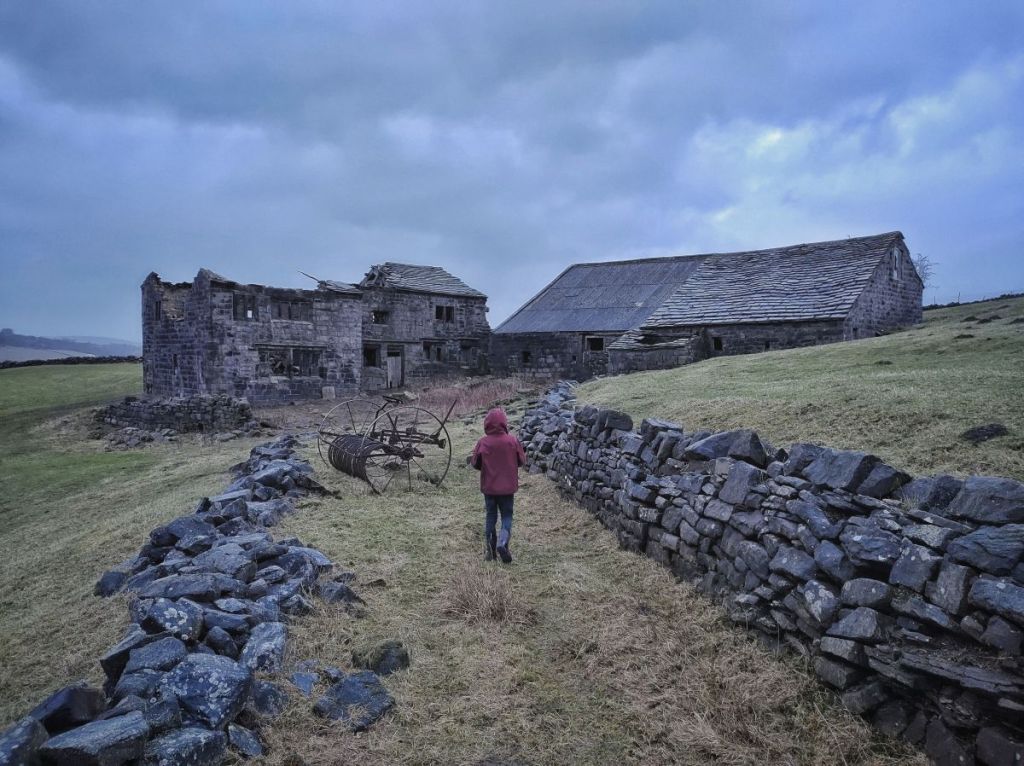
The rain returns. Miles of high moorland to the west, straddling the watershed between the Calder and the Aire, Foreside was once a community of 19 farms, its square mile of enclosures carved out of Thornton Moor up to the limits of cultivation at 1330 feet. But in the 1880s, Bradford came to the moor for its water and Foreside, like Widdop, was swept from map and memory. While its enclosures are still farmed, on a grey January day Foreside is an unspeakably bleak and empty place, bereft sycamores standing vigil over the low, grassed-over remains of its vanished farmhouses. On Black Edge Lane, the cruel gusting wind skims a buzzard over the scrubby elder growing from piles of stone, scratches the corrugated iron panels of a makeshift sheep race against one another, and whips the untucked black plastic tails of uncollected silage bales. A silent flock of fieldfares cascades from six sinewy hawthorns at Lower Newlands, where a dead sheep is slumped on its cellar stairs. One field shy of the moor, two proud gatestoops is almost all that is left of Upper Newlands. A hare crouches at the edge of the rushes before bounding within, and a stonechat flits from thistle to fence post to collapsed wall, the raw wind ruffling its rusty breast feathers. Lost in the cloud on the moor above, eight turbines spin, their blades’ rush like breakers on an unseen shore.
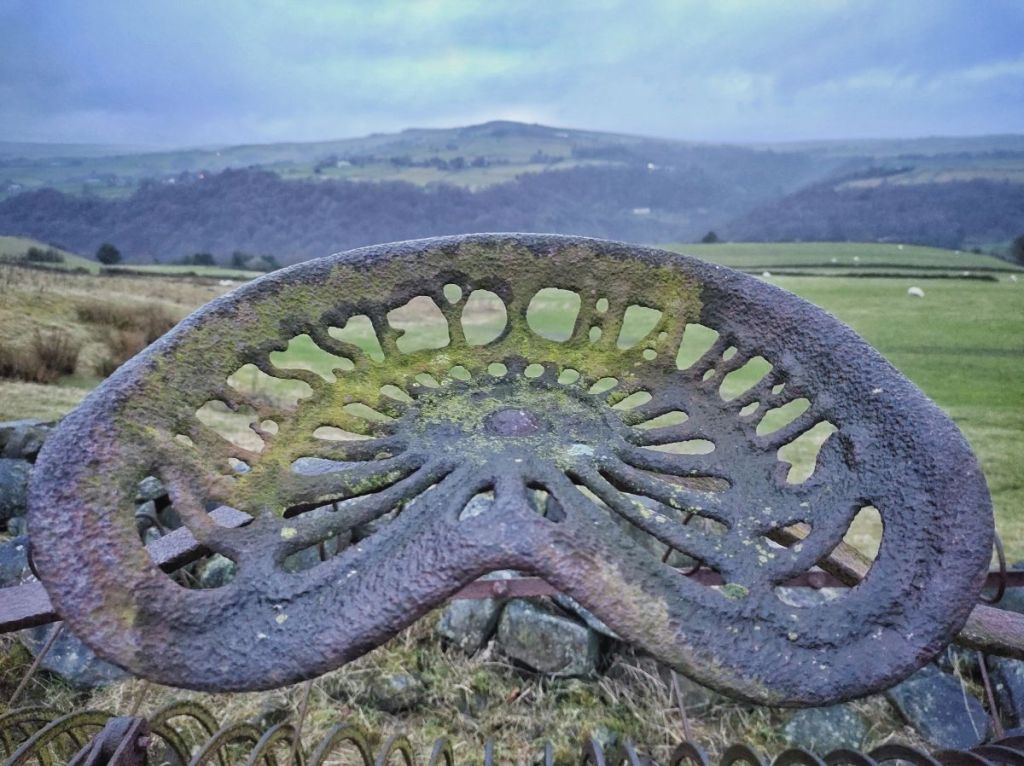
In Erringden, the cattle bellow in Horsehold’s barn, while at Erringden Grange Elaine contemplates the impact the incessant rain could have on the condition of her flock of Charollais and Swaledale sheep, the risk being that they spend too much time sheltering and too little feeding. The mole man is out in Edge End’s fields as an early grey dusk looms, making sure that the silage crop is not contaminated with their soil, putting the stock at risk of Listeriosis. At Cruttonstall, where a rusting Massey Harris hay rake is a sepia vision of summers past, muck spreading has started in Square Field. The wind thrashes the beeches at the end of the lane, and across the valley, Common Bank Wood’s jackdaws clamour in defiance at the fading of the day.





 Landscape Story
A lovely piece, thank you. So sad to see how many children failed to grow up in bygone days. Did they each die separately, or all at one time from some fever, perhaps?
LikeLike
Thank you, Michelle. Yes, it is heartbreaking to think about. Their deaths were spread over a number of years. Some were given names, some are just listed as infants. Looking at the census, they did have children who lived to grow up.
LikeLike
I remember being shown a gravestone from my own family with a long list of dead children. So few survived.
LikeLike