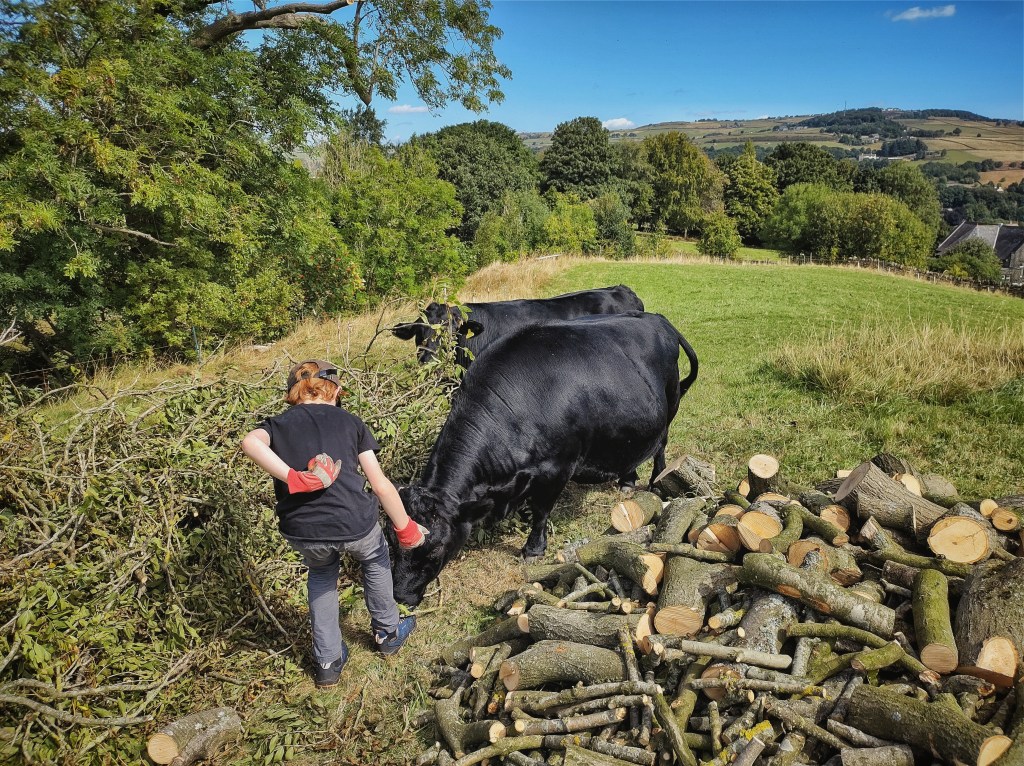
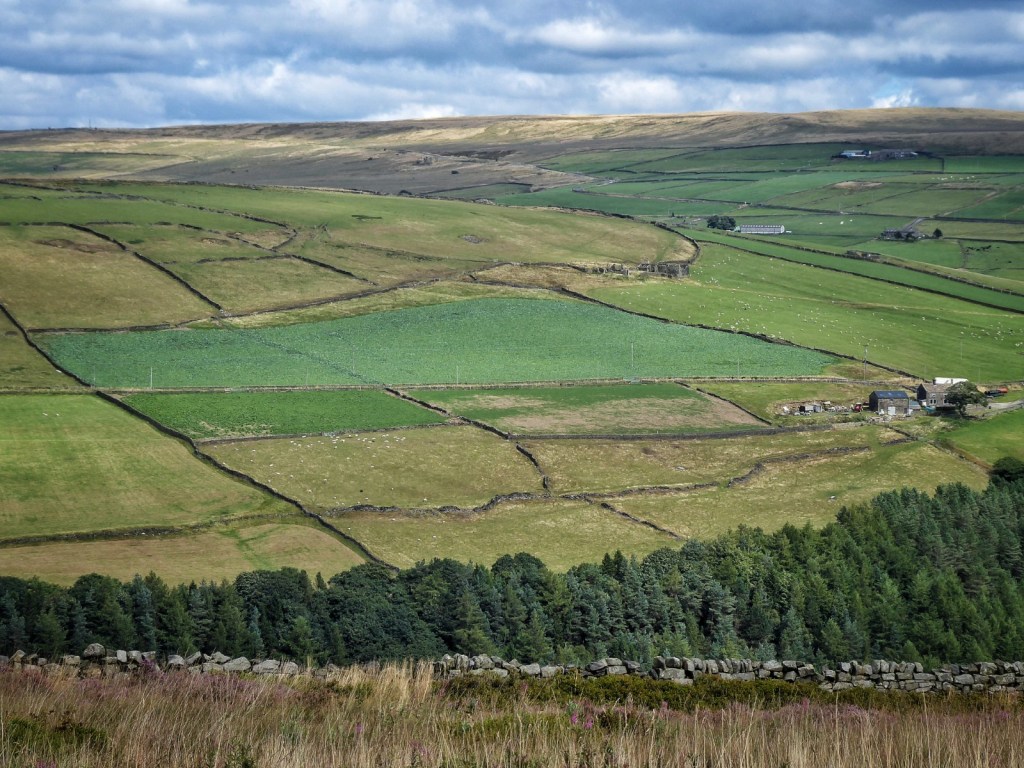
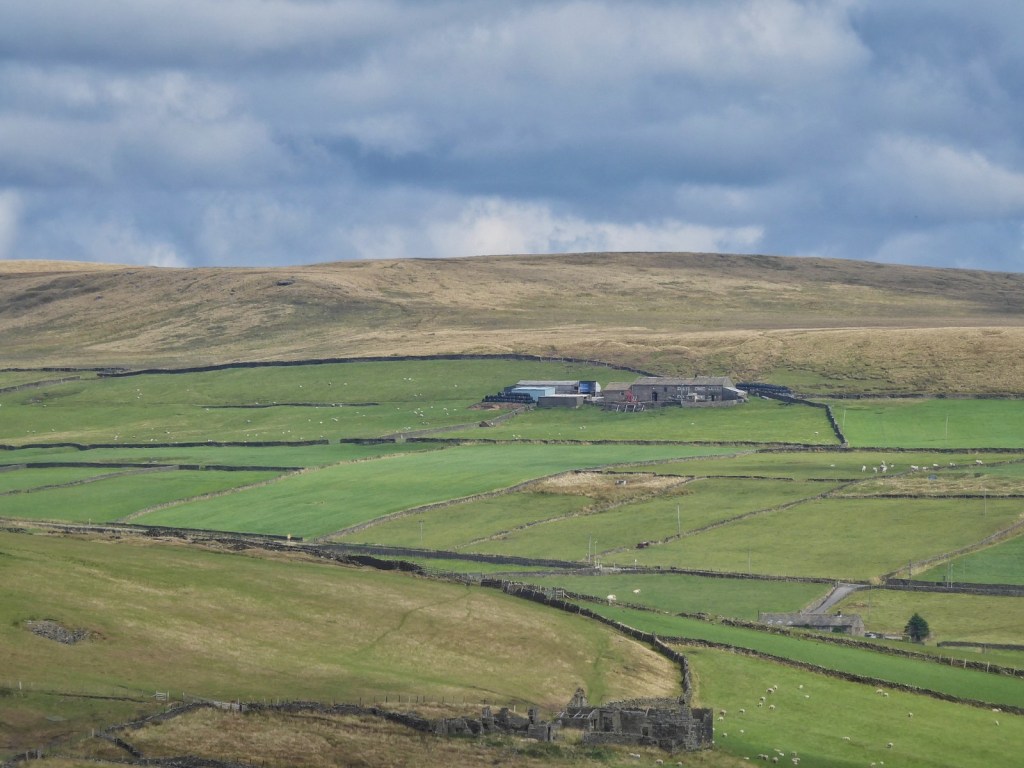
Haven | My Upper Calder Valley Farm Map is an ongoing project to track the loss of small farms in my patch of the Pennines. It maps the farms that have vanished or been abandoned to the elements (85 of the 552 total); those that have become dwellings only (409); and those relatively few (58) that remain working farms. Since there is no definitive public list of working farms, identifying the latter category has been a matter of observing, when I am out walking, which farmhouses have associated barns; tractors and other machinery; and stacks of silage or haylage bales. But I am aware that this does not account for the smaller holdings that may have no such identifying features but are still productive on a scale larger than that of a garden, and so I am likely missing a good few of these from my map. Farmers are only eligible for Defra’s (soon-to-be-phased-out) Basic Payment Scheme if their holding is greater than five acres, but much can be done with less land. Steve’s farm is a case in point. My wife, son and I spend a delightful few hours being shown its vegetable beds, ponds, hedgerows, orchard and meadows. We help feed the chickens and, while we are helping lop and drag a pile of pruned ash branches to the bonfire plot, have a friendly tussle with his two Dexter cattle over the foliage. It is to their small barn that the hay bales from High Hirst have come after our efforts scything the previous week. All the knowledge that Steve – a naturalist specialising in grassland ecology and its associated fungi – has been sharing with us there this summer, he puts into practice in his own fields, balancing productivity with wildlife to ensure that his few acres provide what ideally all farmland would: a haven as well as a harvest.
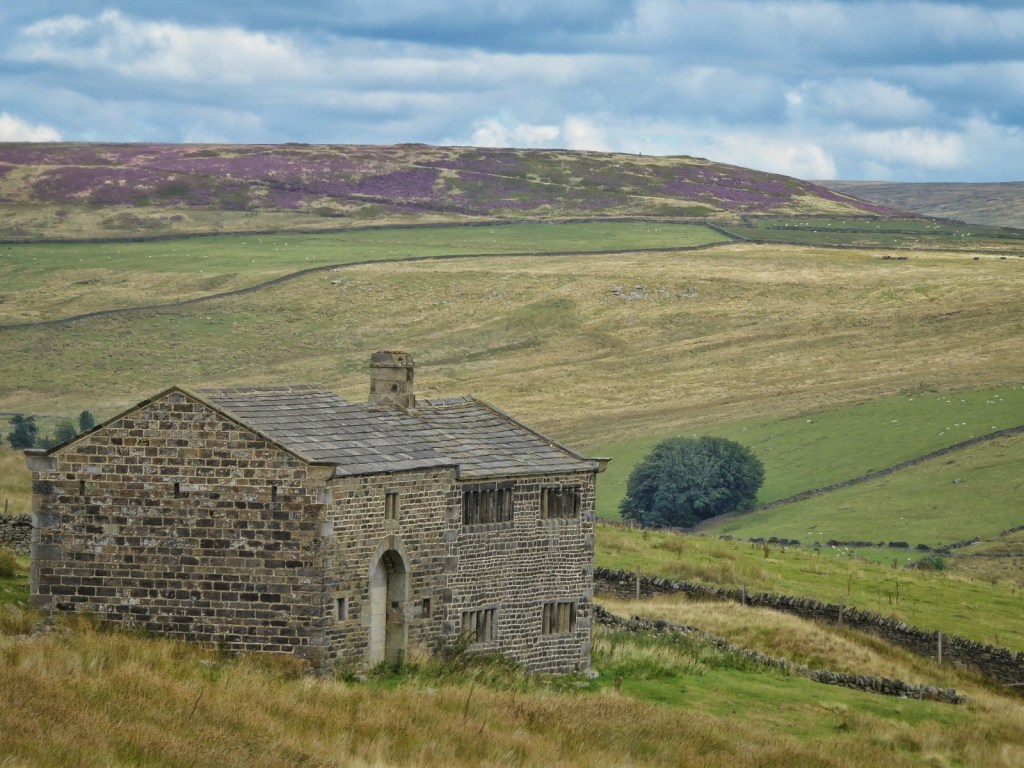
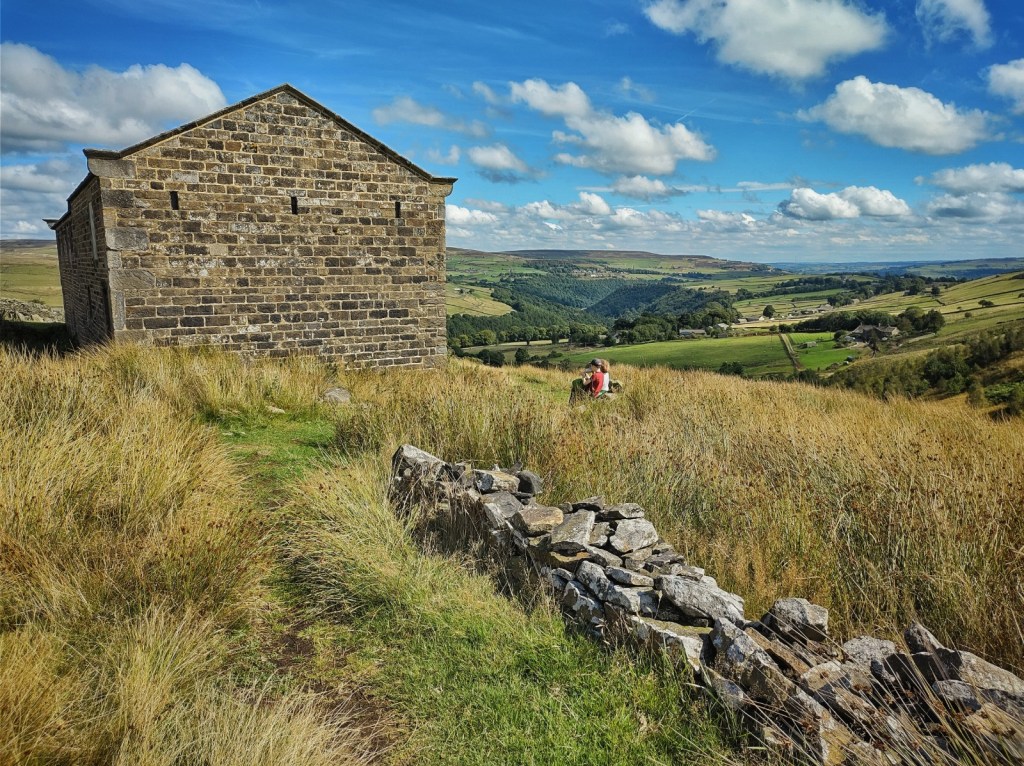
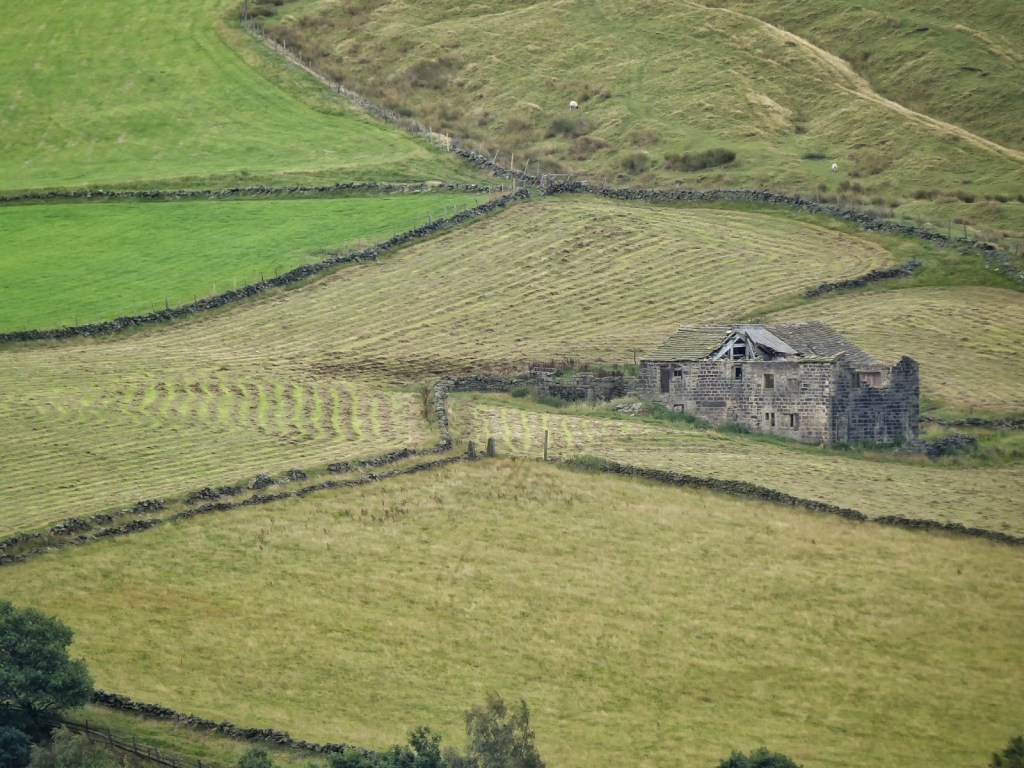
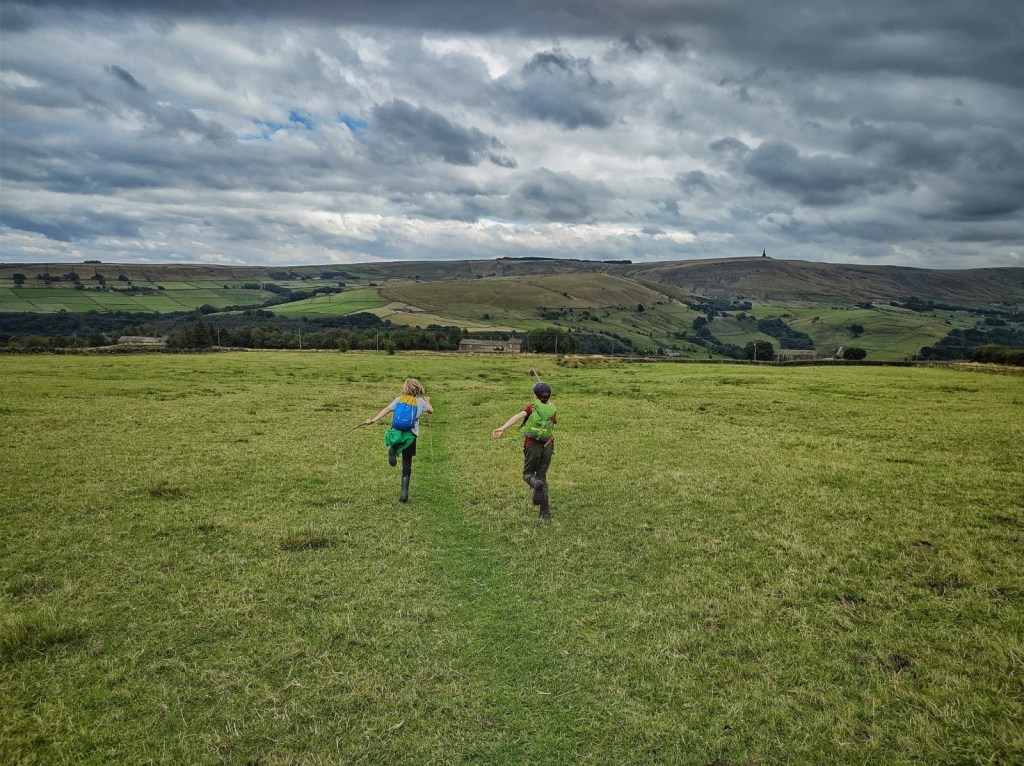
Clough Head | After the success of our last long walk with my son’s friend back in June, we take him on another, over the moor to Clough Head, an abandoned but surprisingly intact farmhouse high above Hardcastle Crags. In the 1840s, James and Betty Horsfall and their seven children lived here, farming and cotton weaving. Today, the sound of children’s laughter echoes against the walls again, if only briefly, before we re-cross the moor for Just Jenny’s ice cream at May’s Shop, a splash at Hebble Hole and an exuberant dash down Scammerton Farm’s meadows.
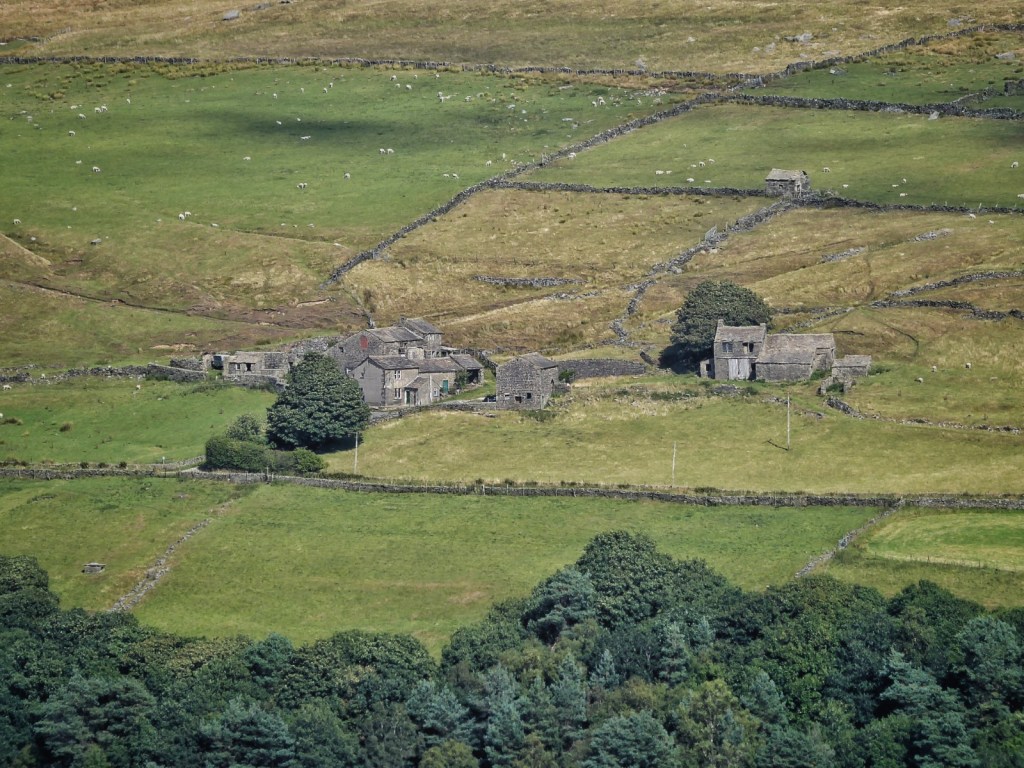

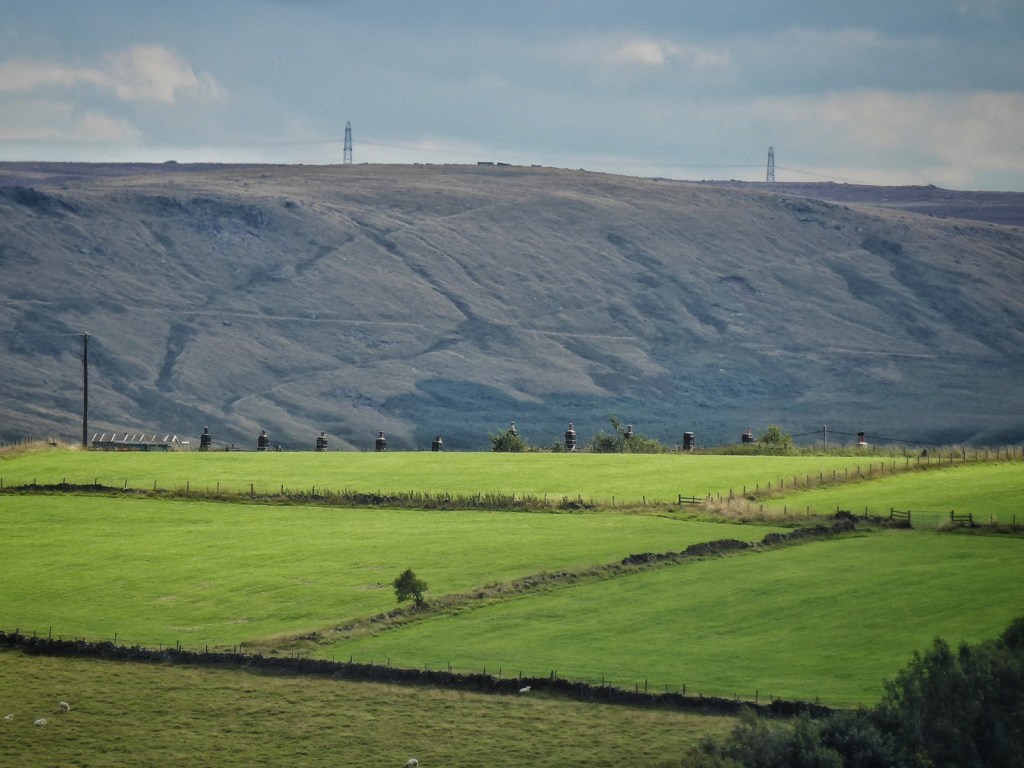
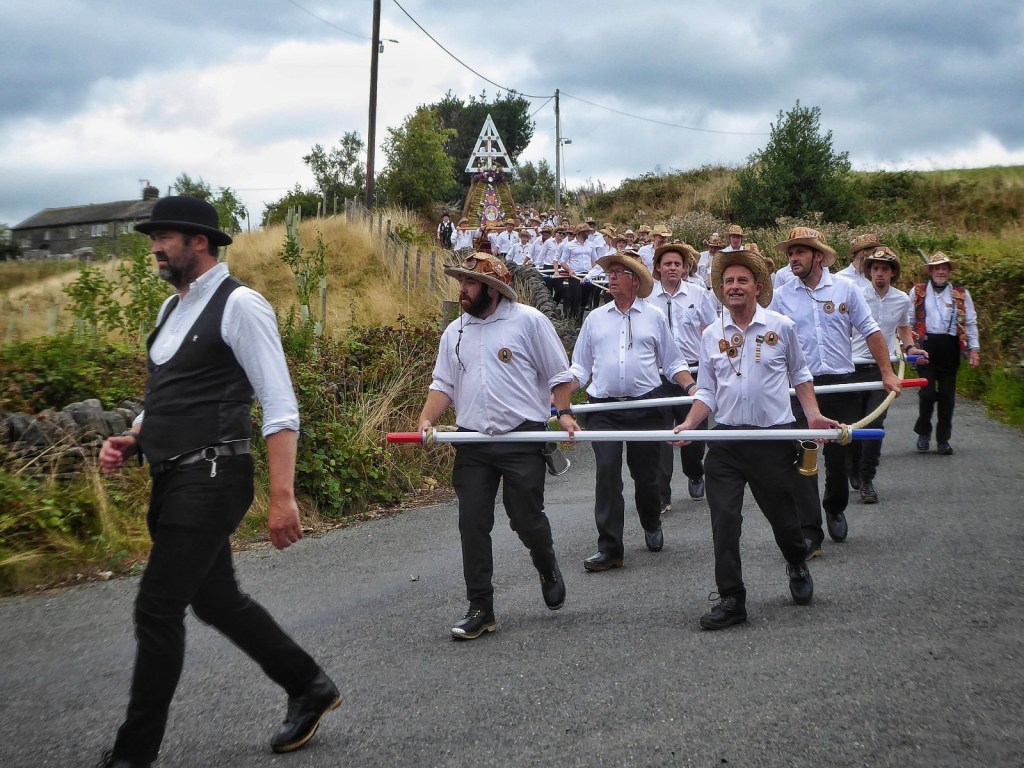
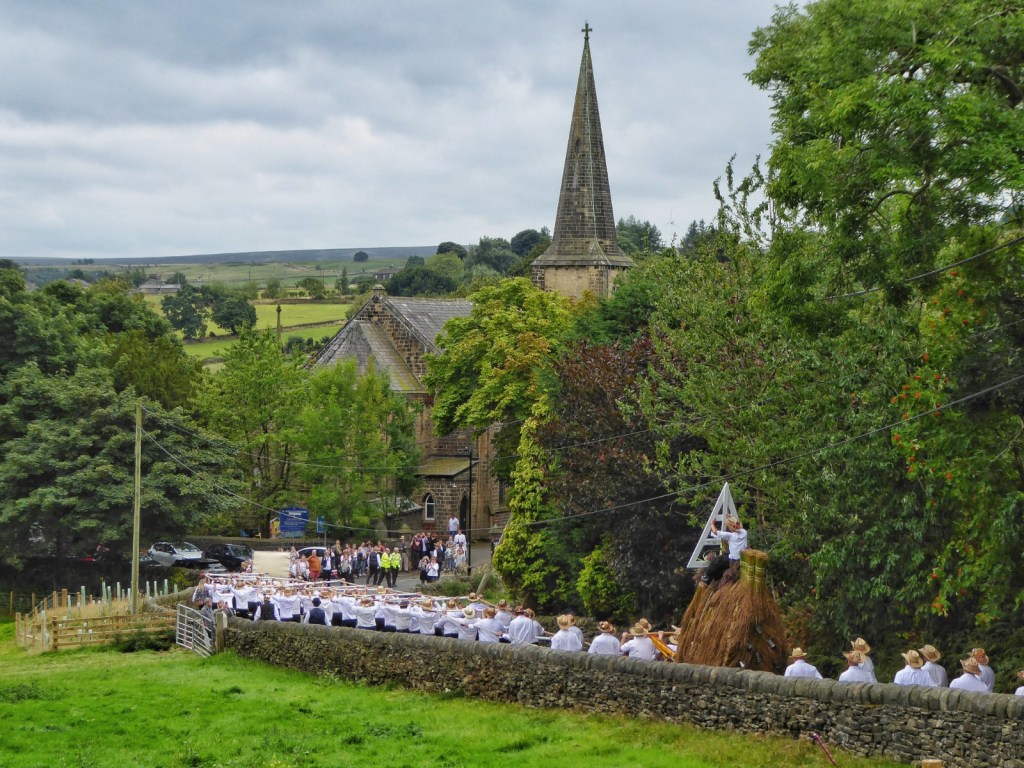
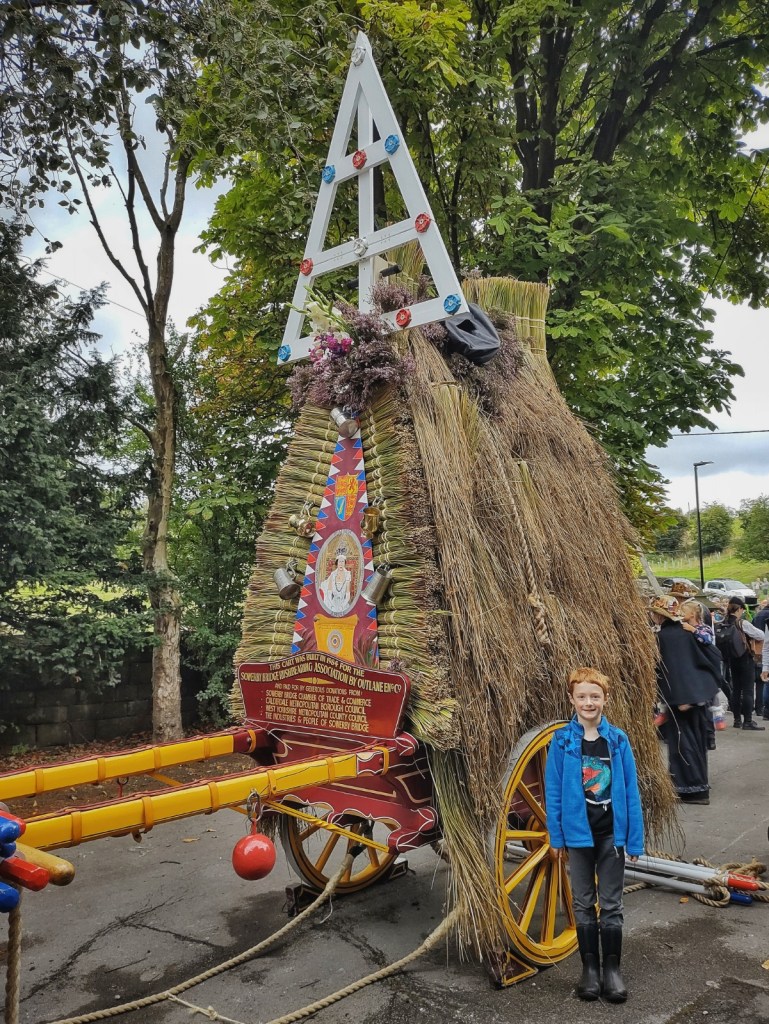
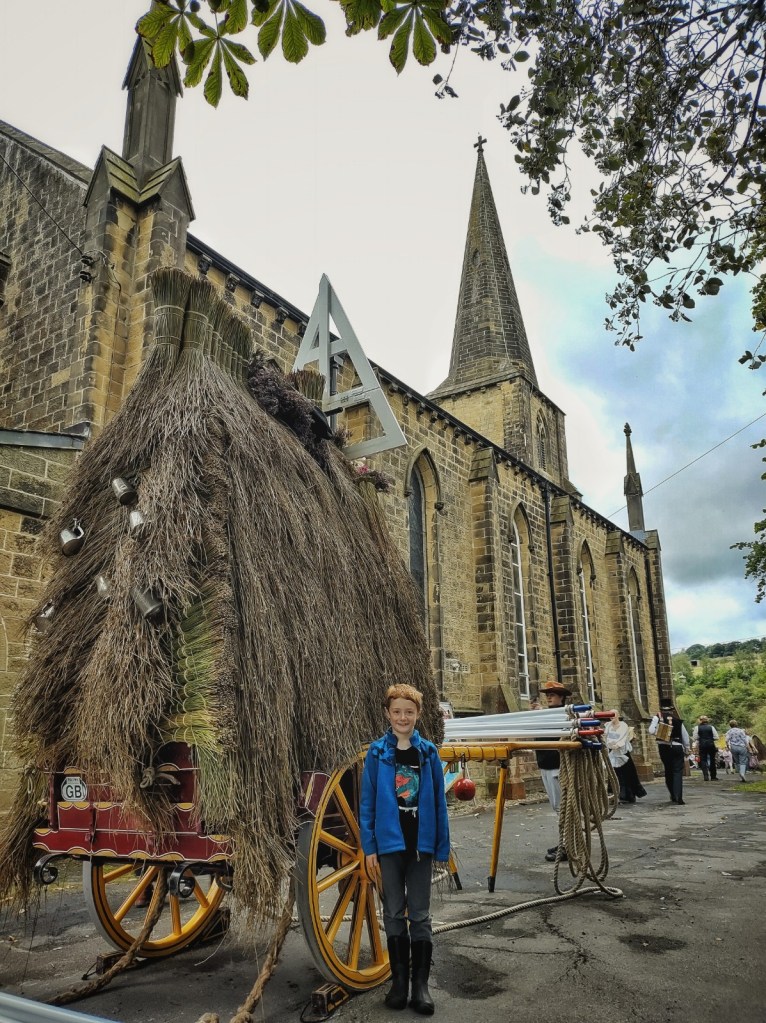
Rushbearing | Having thoroughly enjoyed our first experience of Sowerby Bridge’s Rushbearing Festival back in 2019, we were keen to catch it again this year. A revival of a centuries-old tradition, it is a singular spectacle and a massive local event involving hundreds of locals and drawing thousands of spectators. Sixty men in traditional dress pull a sixteen-foot-high wooden cart around the town and the narrow, steep-sided lanes of its hinterlands. The cart is thatched with hundreds of bundles of rushes cut from the fields of the long-vanished farms of Old, Near and Far Fly, 1400 feet up on the moor. Atop the cart sits a succession of brave, waving ladies, and behind follow a procession of musicians. For two days it makes its slow – and sometimes, on the downhill sections, heart-stoppingly fast – progress, stopping at churches for symbolic handing over of rushes to represent the roots of the tradition in the annual replacement of their floor covering, and at pubs for entirely non-symbolic drinking and Morris dance-accompanied merriment.
Having taken advantage of the drop in bus fares on the first day of West Yorkshire’s new Mayor’s Fares, we join the cart’s entourage on Otter Lee Lane, and parade along behind it to St Mary’s Church at Cotton Stones, on to the Alma Inn and down the valley side to Triangle Cricket Club, enjoying the carnival atmosphere and the unique, time-transporting sounds of the event: the beat of drum and scratch of fiddle, the hollers of the men managing the enormous weight of the cart down steep, winding lanes, and the clatter of hundreds of pairs of clogs.
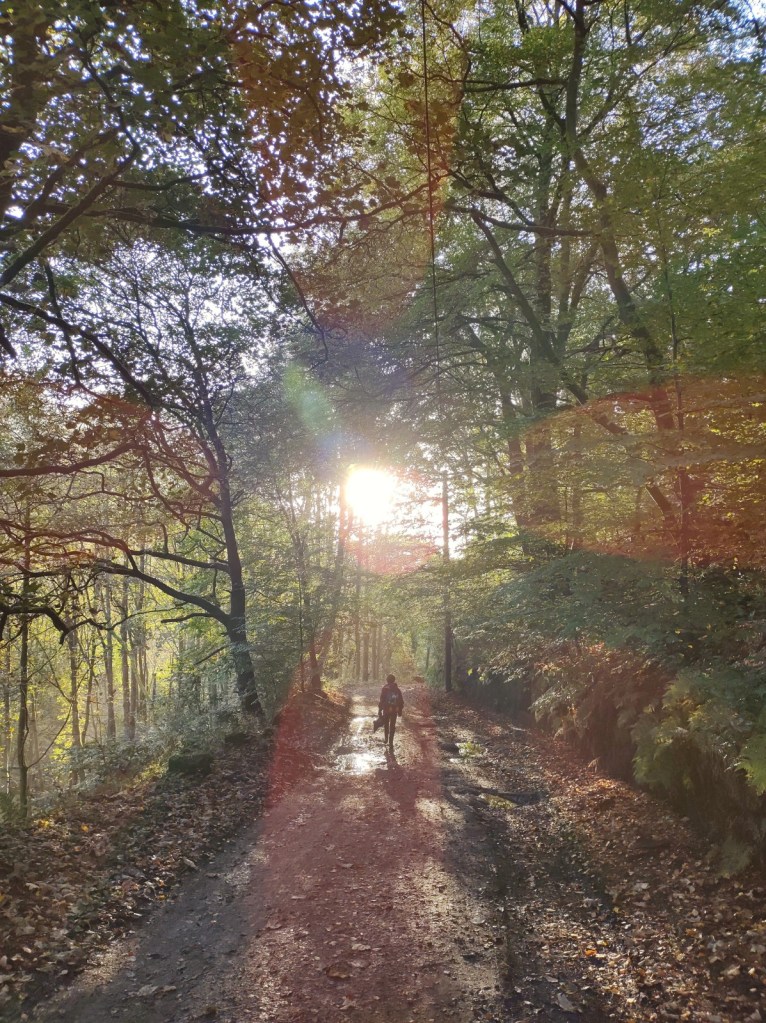
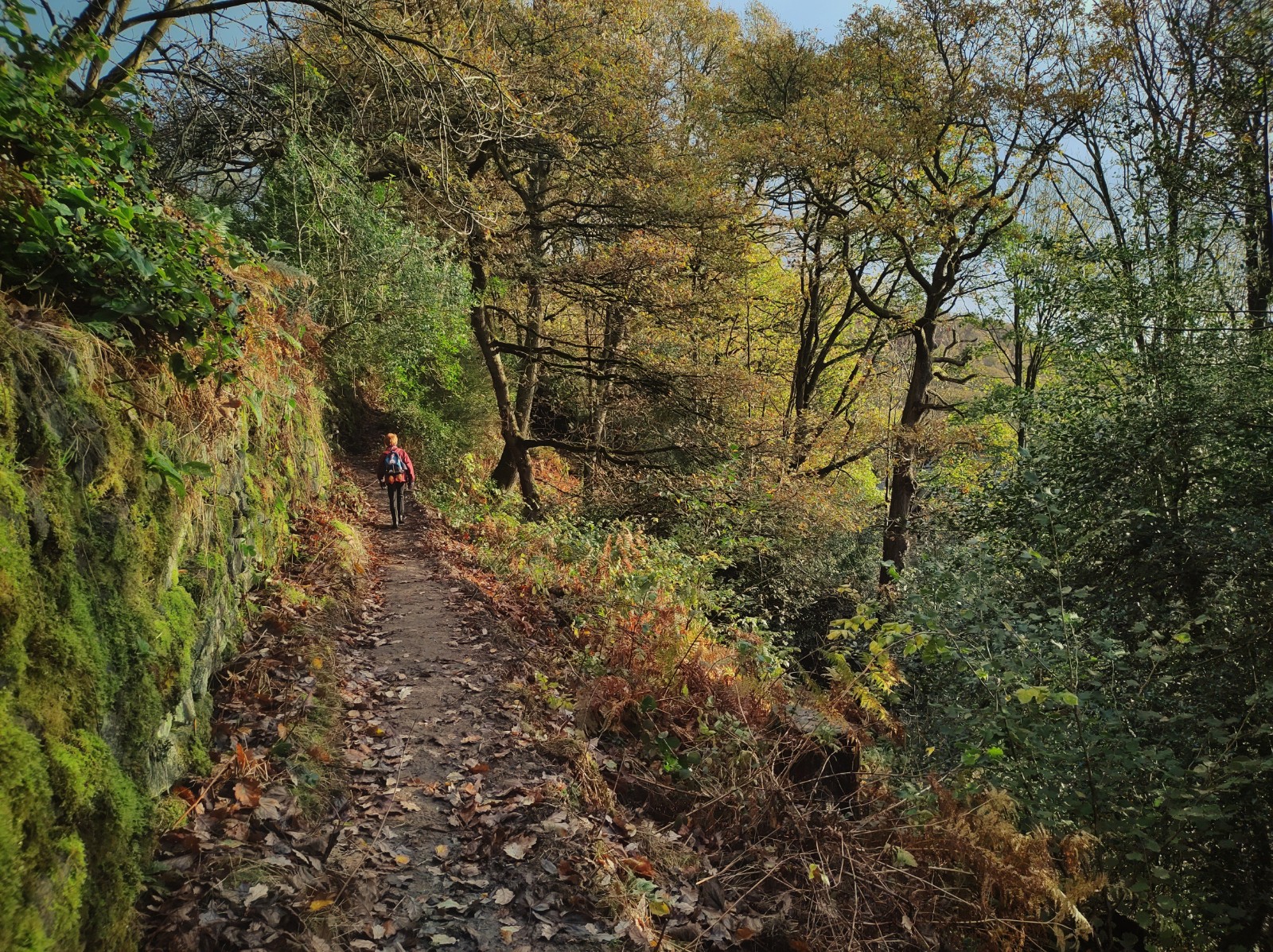
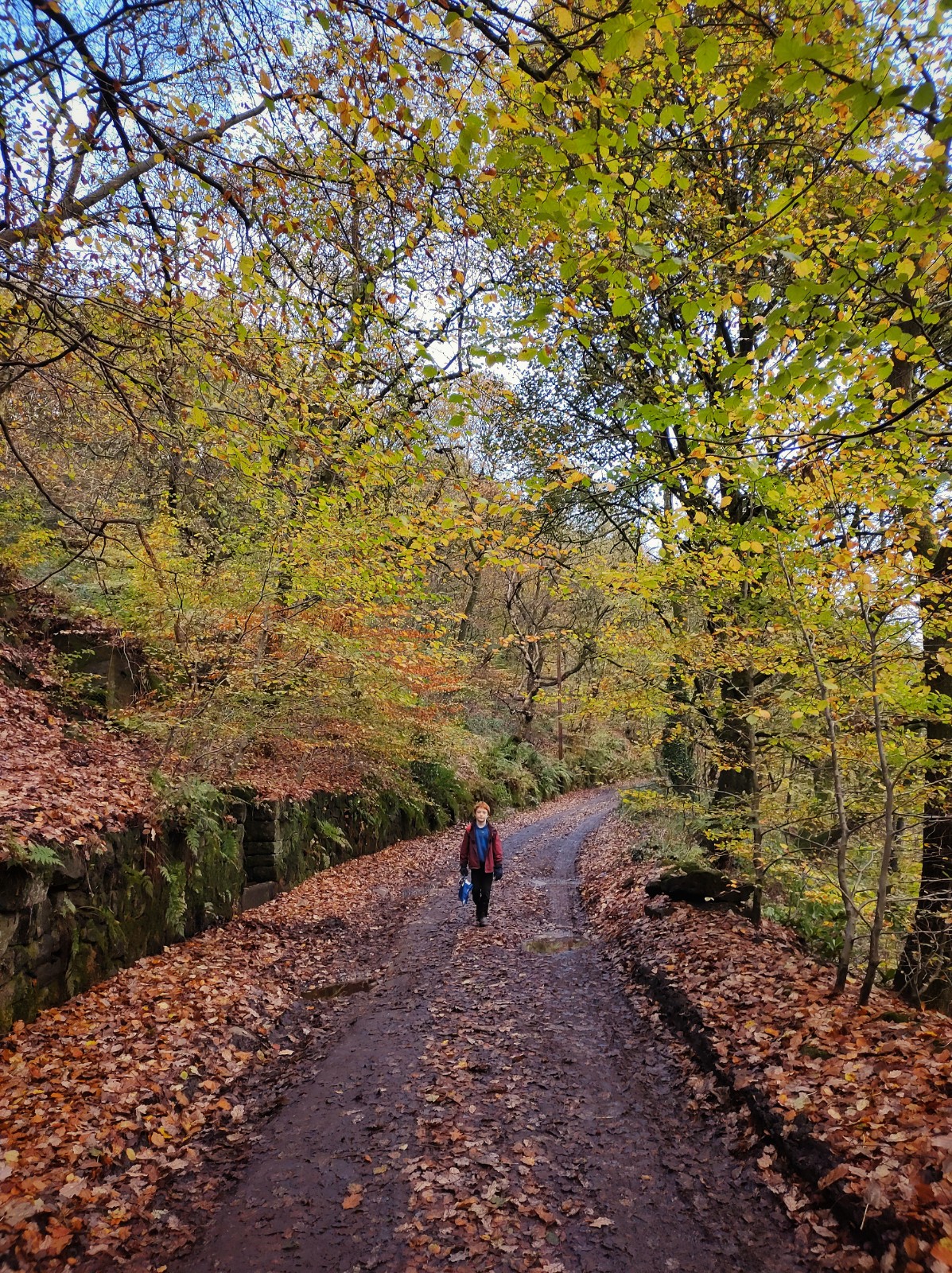
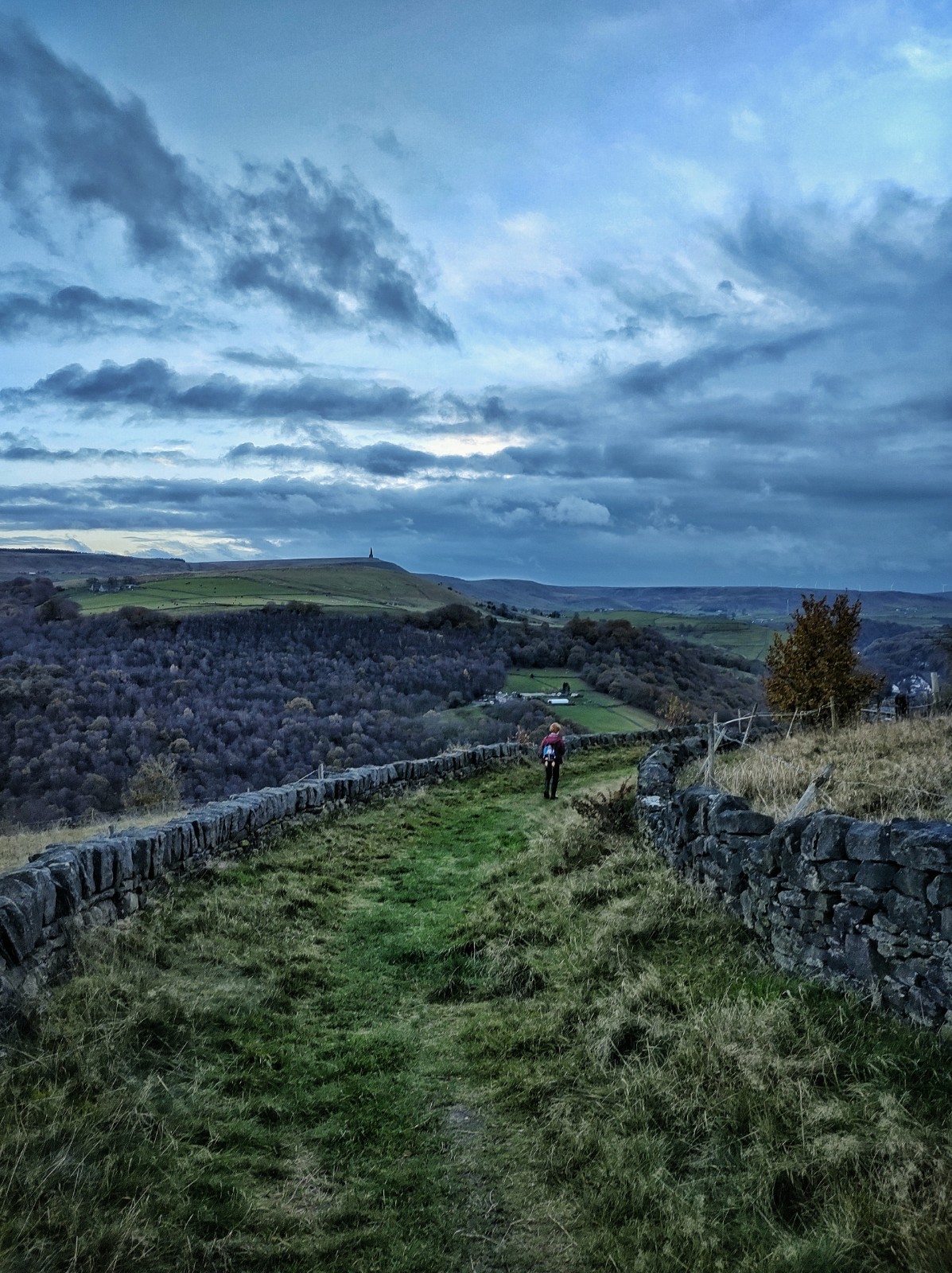
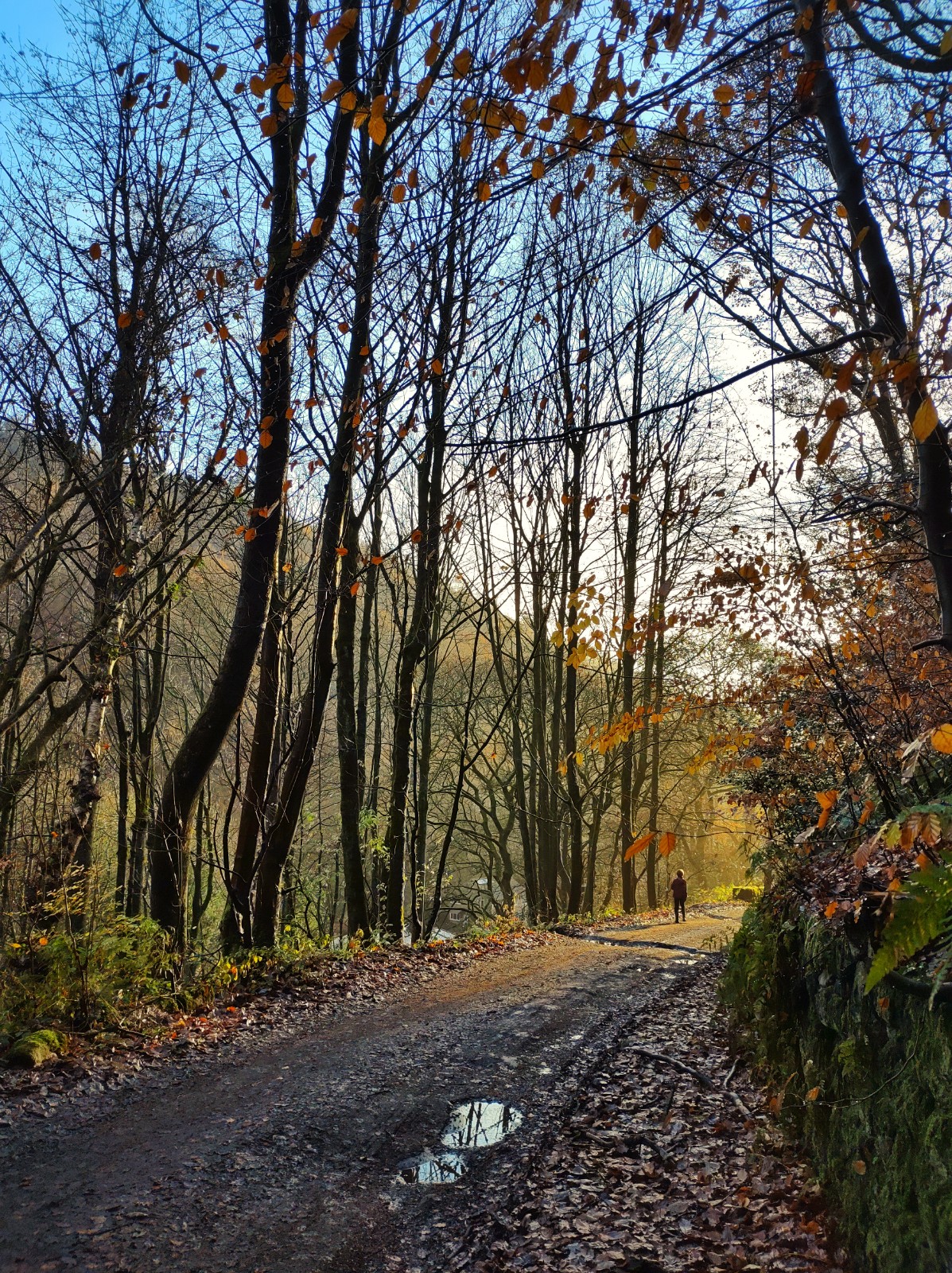
School Run | Our daily connections with our local landscape, its wildlife and its transformation through the seasons continue to be provided by the weekday commute to school. Glossy green acorns were already falling as term resumed, and there was even some early, drought-induced leaf fall, but the surest sign of the turning of the year was our son’s swift, end-of-summer moult into the bright plumage of the school uniform.
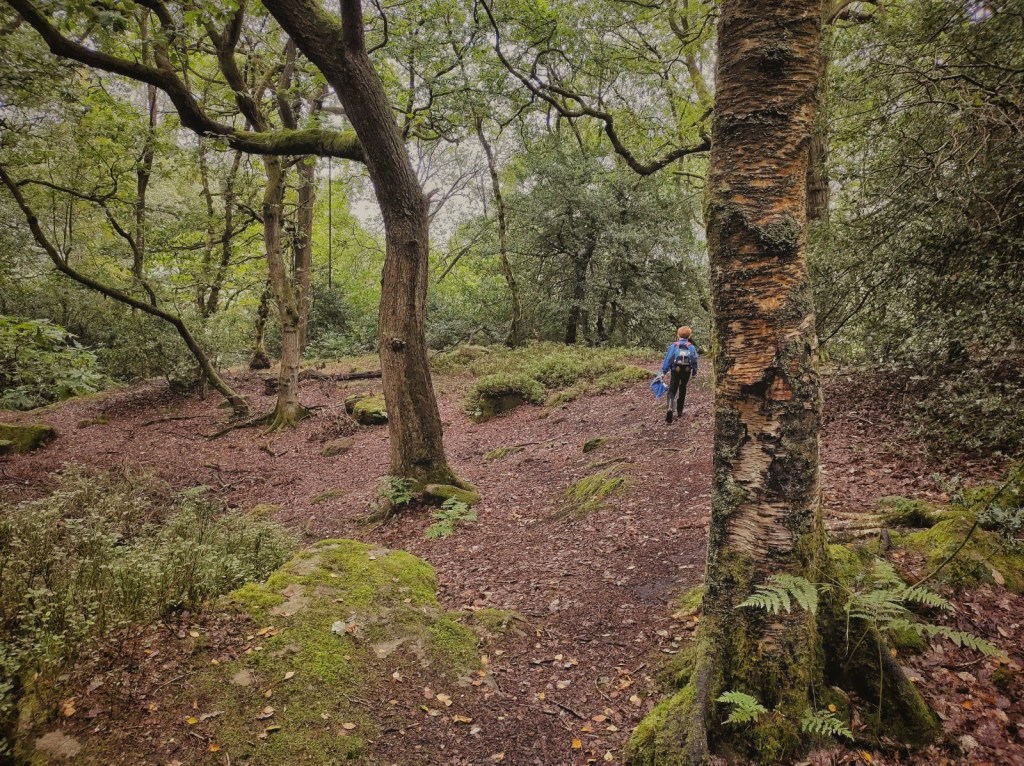
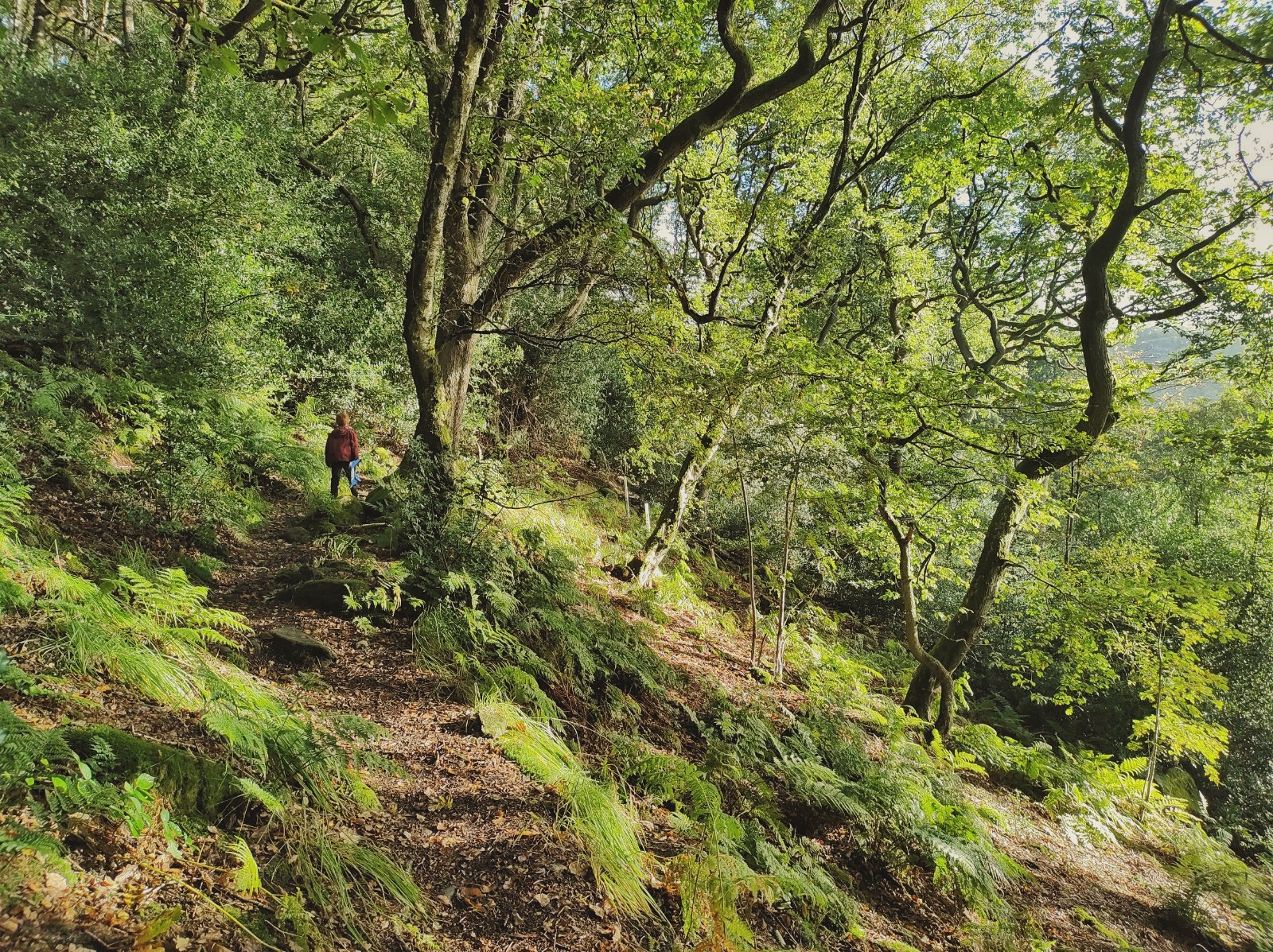
Two weeks into term and it became quite the gauntlet run as the near-constant barrage of falling acorns reached its peak intensity. The birds soon broke their high summer silence, enforced through their own moulting period; one morning we walked right through a frankly deafening three-way wren sing-off, and, on another, we had a real hold-your-breath moment: our closest ever encounter with a goldcrest, blithely hopping about in a holly right in front of our noses. He couldn’t believe he had seen Europe’s smallest bird so close up. Nor could I, for that matter.
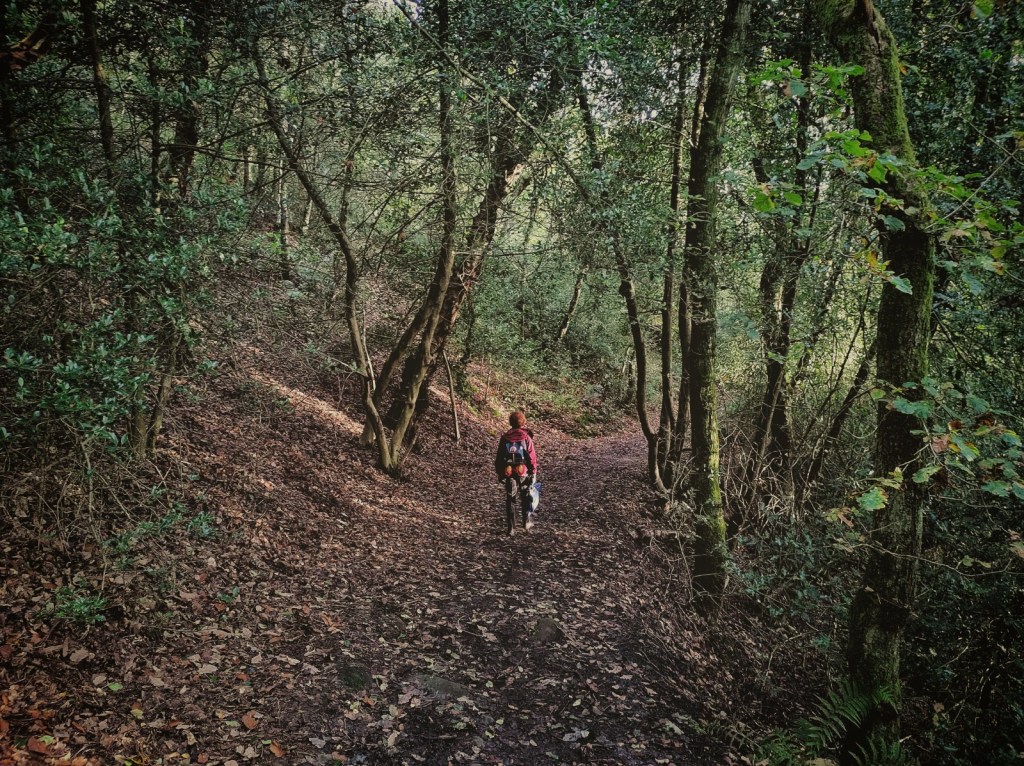
October’s unseasonable mildness finally broke in early November, with a welcome autumnal nip in the air as we experimented, after watching the penultimate episode of Mackenzie Crook’s wonderful new adaptation of Worzel Gummidge the night before, with calling the jackdaws and magpies we encountered Jackie-D’s and Maggie-P’s. We enjoy it so much, I think it might stick. But it’s an old country name that is brought to mind when we hear a most unexpected sound echo through the woods: the yaffle of a green woodpecker. It stopped us dead in our tracks and transported us back to warm spring days just as the cold seems finally to have arrived.

Recommendations |
History Out Loud, a podcast from Calderdale Libraries with the superb tagline of ‘Chats from the Stacks’. In this episode, Garry Stringfellow, founder-member of the revival of the Sowerby Bridge Rushbearing Festival in 1977, talks about the history of rushbearing across the Northern counties, based on his 2017 book.
The work of photographer James Ravilious, whose black and white images of rural life in Devon for the Beaford Archive is an unparalleled record of a place and its people.
A Transect of Shackleton Knoll, a 2018 album from Todmorden musician and sound artist Mark Williamson under his Spaceship moniker, in which monolithic drones are recorded along the route of one of my favourite walks.
 Landscape Story